Women Leading Innovation at Web Summit: Building the Future Together
Women leading innovation became one of the stories I kept returning to throughout my years covering Web Summit Lisbon. I expected artificial intelligence, big tech announcements, startup pitches, and conversations about the future. I found all of that. But what stayed with me most were the women building futures that made room for other people too.
These encounters did not all happen during the same Web Summit. They unfolded over several years of covering the conference, across keynote stages, networking events, Night Summit gatherings, and conversations that stayed with me long after I left Lisbon. Together, they revealed a pattern I couldn’t ignore.
That distinction matters. Innovation often gets measured through funding rounds, valuations, products, and press coverage. Yet some of the most powerful work I witnessed at Web Summit centered on access, mentorship, education, ownership, and community.
As someone who has spent much of my career working in women’s economic empowerment, gender equity, food systems, and sustainable development, those conversations felt deeply familiar. I have seen what happens when women gain access to opportunity. Families change. Communities change. Entire economies shift.
Women Leading Innovation Build More Than Companies
One of the most important lessons I have learned over the years is that women’s leadership often stretches far beyond individual success. Many women are not only building businesses. They are building ecosystems.
I saw that same pattern across different Web Summit experiences. Again and again, I met women working to create pipelines, networks, educational spaces, and platforms where others could rise. That kind of work may not always make the flashiest headlines, but it changes the conditions under which innovation happens.
That is why this story belongs inside my broader Web Summit Lisbon coverage. Technology moves quickly, but access determines who gets to shape it.
The Women Who Made the Room Feel Bigger
Over several years of covering Web Summit, I had the opportunity to connect with women whose work represents exactly the kind of leadership that expands the room. Although these meetings happened during different editions of the conference, together they paint a remarkable picture of how women are shaping the future of innovation.
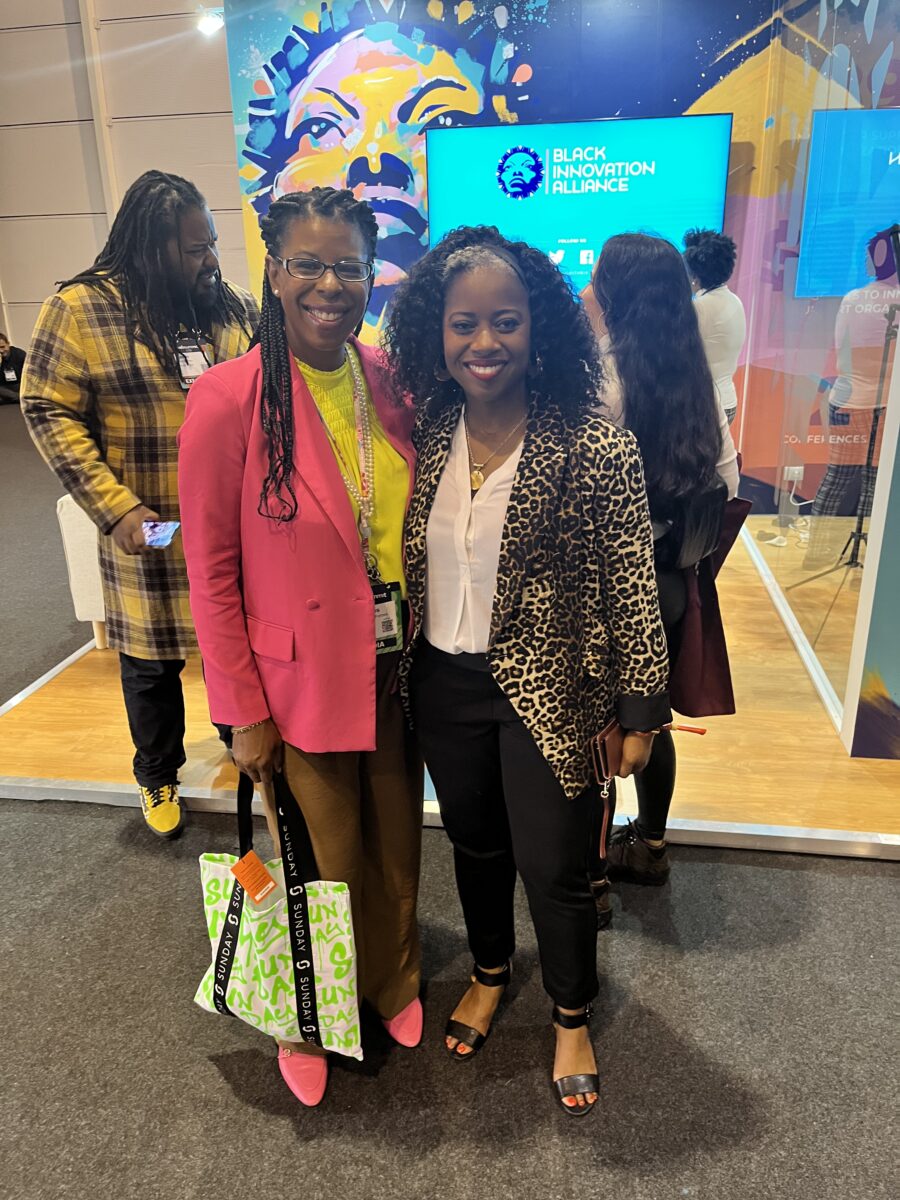
Kelly Burton, CEO and Executive Director of Black Innovation Alliance, leads an organization focused on strengthening the ecosystem supporting Black innovators and entrepreneurs. Black Innovation Alliance describes itself as a network of Black-led organizations working to build a more equitable innovation economy.
Anie Akpe, founder of African Women in Tech, has built a community focused on helping girls and women across Africa access technology education, mentorship, and opportunity. Africa Tech Summit also identifies her as the founder of African Women in Tech and UX Diaspora, both of which center education, connection, and representation in technology.
Ngozi Cadmus of AI Success Labs brought another important perspective. Her work sits at the intersection of artificial intelligence, personal branding, business systems, and economic empowerment for Black women. I loved that because it reframes AI as more than a tool for corporations. It becomes something women can use to reclaim time, build income, and create opportunities on their own terms.
Korede Adedoyin, founder and CEO of The Vemoye Foundation, also stood out to me. The foundation focuses on connecting diaspora talent to skills gaps and helping build Africa’s future workforce. Her work reminded me that innovation is not only about software. It is also about education, workforce development, and preparing young people to participate fully in the future.
Then there was Etosha Cave of Twelve, whose carbon transformation work I explored in my article on sustainable climate innovation at Web Summit. Seeing a Black woman scientist leading one of the most exciting climate technology conversations of the week was powerful. It reminded me that representation is not symbolic when it changes what someone else believes is possible.
Women Leading Innovation Change the Questions
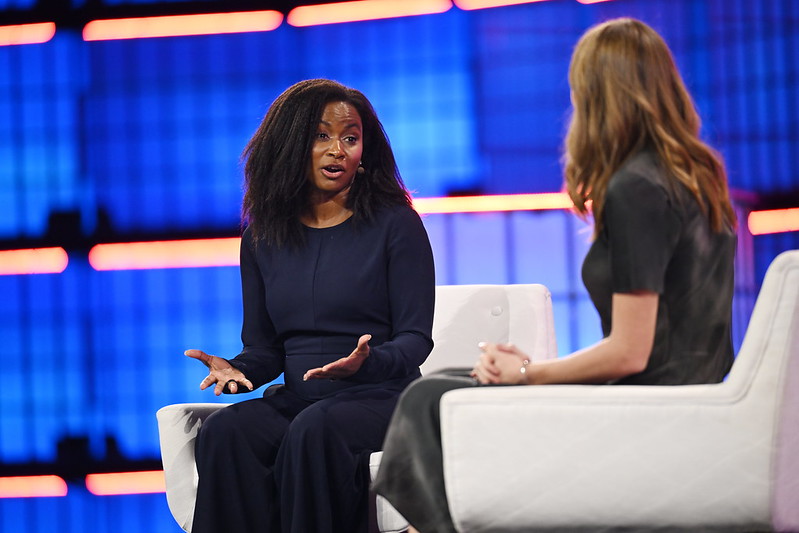
The women who impressed me most were not simply asking how to scale faster. They were asking better questions.
Who has been excluded from capital? Who needs mentorship? Which communities are missing from the data? How do we make artificial intelligence useful for people who are not already inside elite tech spaces? How do we build talent pipelines before opportunity arrives?
Those questions matter because technology does not automatically create equity. Without intention, new tools can repeat old inequalities. However, when women leading innovation bring community, lived experience, and inclusion into the room, the conversation changes.
I saw that same theme in my coverage of Food Summit, where the future of food depended on asking who innovation serves. I also saw it in Pharrell Williams’ conversation about culture, commerce, and ownership. Across these sessions, the strongest ideas kept pointing back to access.
The Future Needs Ecosystem Builders
We often celebrate founders as lone visionaries, but the truth is much more complicated. No one builds alone.
Every entrepreneur needs someone who opens a door, shares information, makes an introduction, provides funding, offers feedback, or simply says, “You belong here.” Ecosystem builders make those moments possible at scale.
That is why leaders like Kelly Burton, Anie Akpe, Ngozi Cadmus, Korede Adedoyin, and Etosha Cave matter. Although I met each of them during different years and moments of my Web Summit journey, their work points toward the same truth. Their leadership is not only about individual achievement. It is about creating conditions where more people can imagine themselves as builders, founders, scientists, technologists, and leaders.
That kind of leadership connects naturally to my reflections on African innovation at Web Summit. The most exciting stories were not only about new products. They were about people building pathways where few existed before.
Representation Is Only the Beginning
I believe deeply in representation. Seeing women on stage, in leadership, and in rooms where decisions are made matters. But representation is only the beginning.
The deeper work is structural. Women need access to capital, safe networks, technical training, board seats, media visibility, procurement opportunities, and leadership pipelines. Girls need to see women in technology, but they also need schools, mentors, internships, and communities that help them move from inspiration to participation.
That is why organizations like African Women in Tech and Black Innovation Alliance are so important. They are not waiting for inclusion to happen naturally. They are building the infrastructure for it.
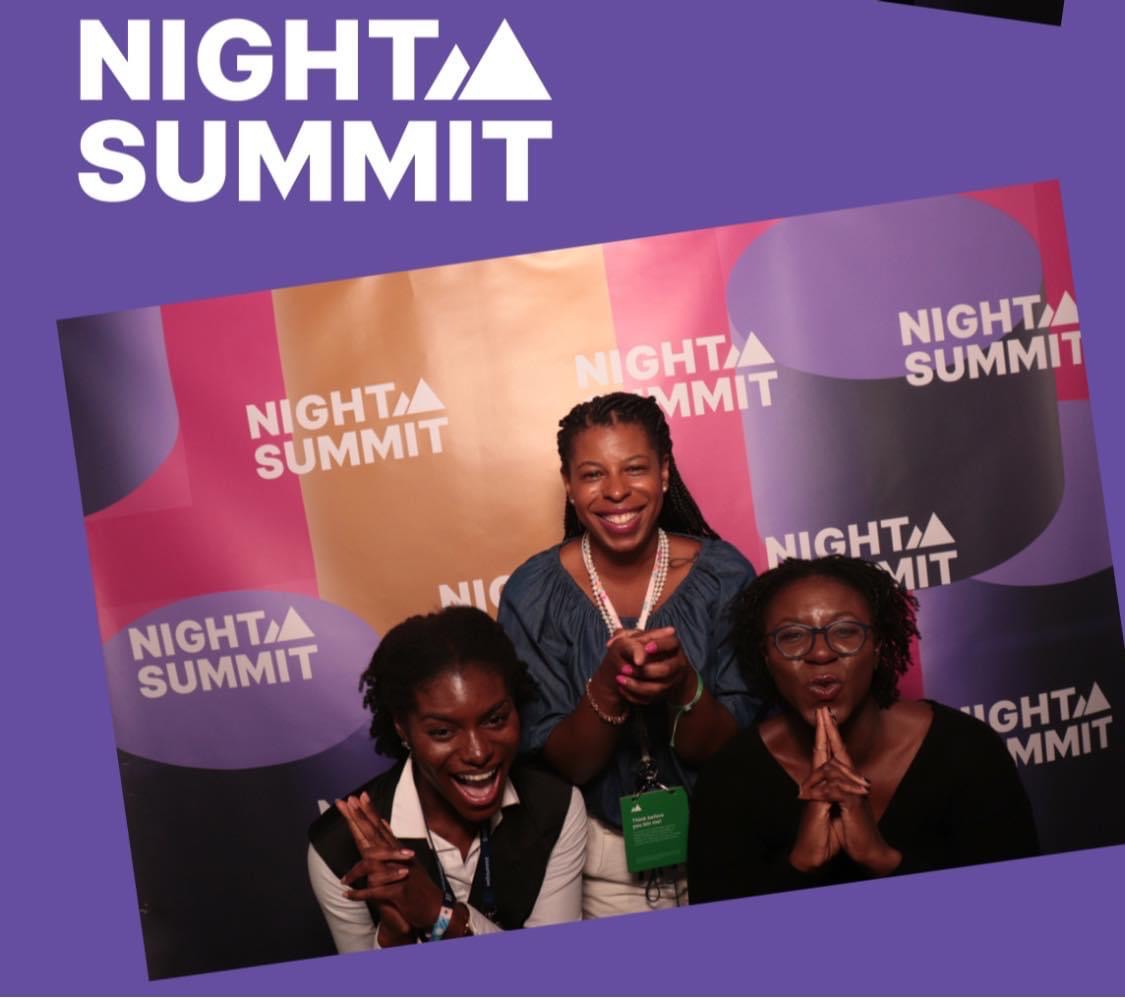
A Night Summit Moment I Will Remember
One of my favorite Web Summit memories happened during Night Summit, when I connected with Ngozi Cadmus and Korede Adedoyin. That evening took place during a different year than several of the other encounters featured in this article, but it perfectly captured the spirit that keeps drawing me back to Web Summit.
The conference floor can feel intense during the day. Everyone is moving between stages, meetings, booths, and interviews. At night, the energy softens. People have more time to talk. Conversations become less transactional and more human. That is when you hear the real stories behind the work.
Standing there with two women building in AI, education, and community development, I felt the kind of connection that makes Web Summit worth returning to year after year. Not because of the badge or the stage, but because of the people.
The Work I Want to Keep Covering
Looking across several years of Web Summit coverage, I keep thinking about how much richer the innovation conversation becomes when women are not treated as side stories. Women leading innovation are not simply participating in the future. They are designing it.
That is the kind of work I want to keep highlighting through DG Speaks Media & Press. I want to tell stories about women who build companies, communities, movements, and systems that make room for others.
Technology will keep changing. Markets will shift. New platforms will rise and fall. But leadership rooted in access, mentorship, and purpose will always matter.
That is what these women reminded me across different Web Summit moments. The future does not need more gatekeepers. It needs more builders willing to hold the door open.
Continue the Conversation
- Inside Web Summit Lisbon: Four Years of Innovation, Ideas, and Inspiration
- African Innovation at Web Summit
- Night Summit at Web Summit Lisbon
- The Most Important Conversation at Web Summit Was About Food
- Wine Summit at Web Summit
- Pharrell Williams on Culture, Commerce, and Closing the Wealth Gap
- Etosha Cave Inspires at Web Summit
- How Releaf Paper Is Reinventing Sustainable Packaging
- DG Speaks Media & Press
Planning Your Own Web Summit Experience?
If you’re planning a trip to Web Summit Lisbon, here are a few resources I personally recommend to help make your journey easier:
- 🎟️ Official Web Summit website for tickets, speakers, and event information.
- 🚶 GetYourGuide for Lisbon walking tours, food tours, day trips, and attractions.
- 🛏️ Hostelworld to find affordable hostels and meet fellow travelers.
- 🛡️ SafetyWing for travel medical insurance designed for long-term travelers and digital nomads.
- 🌍 iVisa to check visa requirements before your trip.
I return to Web Summit because every year introduces me to people who challenge the way I think about technology, leadership, and the future. Sometimes the biggest ideas come from the keynote stage. Other times, they begin during a quiet conversation over coffee or while meeting someone new at Night Summit. Those are the moments that stay with me, and they are the stories I look forward to sharing through DG Speaks.
Disclosure: DG Speaks attended Web Summit as accredited media. Some links in this article are affiliate links, which means I may earn a small commission if you make a purchase through them, at no additional cost to you. Thank you for supporting independent journalism.