England Beneath My Feet, Portugal in My Ears
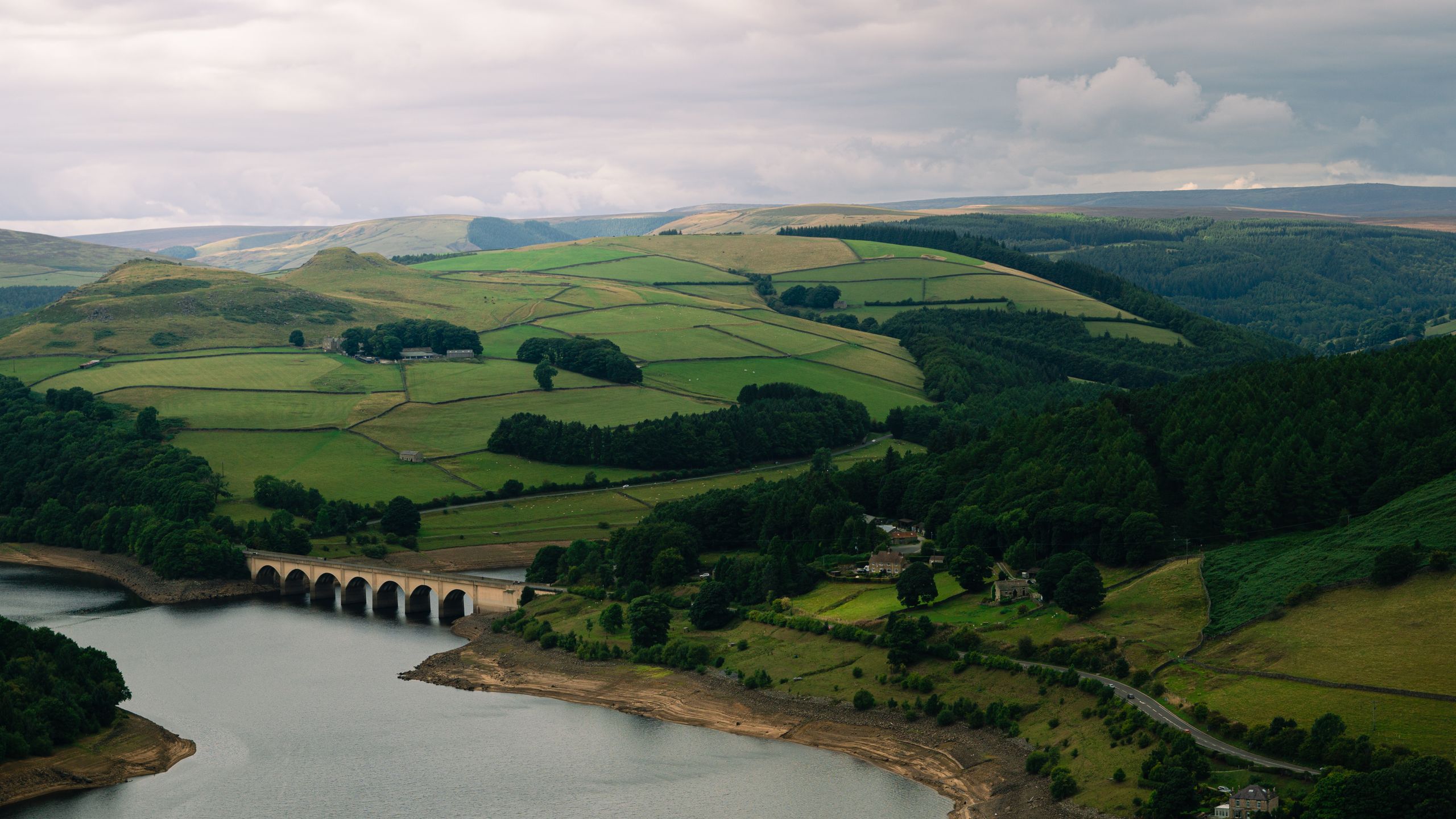
At some point on the road toward Canterbury, I expect to hear a Portuguese voice ask me a question beneath an English sky. I will answer aloud while passing hedges, fields, villages, and signs pointing toward a medieval pilgrimage city.
The combination may sound strange, but it reflects the life I am building. England will be beneath my feet. Portugal will be in my ears. Canterbury will remain ahead of me.
I plan to spend part of the walk learning Portuguese while walking through Pimsleur lessons. The road will not become silent, but it will become intentional.
The rhythm of walking makes room for repetition
Language learning requires repetition, and long-distance walking creates rhythm. Step after step, the body settles into a pattern. That steady movement may give new phrases more room to take root.
Instead of sitting at a desk and watching the clock, I can listen, respond, repeat, and keep moving. A phrase may attach itself to a hill, a village, or the sound of rain against my jacket. Memory becomes connected to place.
Portuguese connects to the life I am building
I am not studying Portuguese as an abstract intellectual exercise. The language connects to people, relationships, daily life, and the places where I expect to spend more time.
Learning a language changes the quality of travel. Even limited ability creates opportunities to listen more carefully, recognize humor, understand social cues, and participate beyond the narrow world available in English.
My progress does not need to look perfect. Every phrase I understand makes the next conversation less distant.
The road will not become constant background noise
I do not plan to fill every mile with audio. Some stretches need silence. Others require complete attention because of traffic, navigation, weather, animals, or unfamiliar surroundings.
Removing my headphones will also allow me to hear the landscape. Footsteps, birds, wind, conversation, and the changing sound of the route all belong to the journey.
Language immersion should deepen my attention rather than disconnect me from the road.
Walking gives my mind space to learn
Constant digital input can make learning feel fragmented. Notifications interrupt concentration. Short videos create the illusion of progress without requiring sustained practice.
Walking offers longer attention. I can stay with one lesson, repeat a difficult phrase, and notice which words continue returning to me after the audio ends.
The same mental space helps me process emotion, develop ideas, and reflect. I wrote about that broader relationship in The Benefits of Hiking for Women.
Voice notes will help me capture the journey
My phone will serve as more than a navigation tool. I plan to record short voice notes about what I see, how my body feels, which Portuguese phrases stayed with me, and what the road brings to the surface.
Those notes may later become articles, videos, or private reflections. More importantly, they will preserve thoughts that often disappear by the time I reach my accommodation.
Reliable data supports the moving classroom
I will download lessons before walking whenever possible. However, reliable mobile data still matters for maps, messages, reservations, and access to digital tools when plans change.
I use Holafly for international data, and readers can use promo code DGSPEAKS at checkout.
A portable charger and organized electronics pouch will also help keep the system practical. Bagail packing cubes and travel bags offer options for keeping cords, chargers, clothing, and small items separated.
A classroom without walls
Learning Portuguese while walking allows several parts of my life to meet in one place. Travel, movement, language, creativity, and personal growth do not need to compete for separate hours.
The road can become a classroom without turning the journey into work. I can learn, pause, listen, speak, and return to silence whenever the landscape asks for my full attention.
By the time I reach Canterbury, I will not be fluent. That is not the measure that matters. I hope to arrive with stronger legs, a clearer mind, and a few more Portuguese phrases living comfortably in my mouth.