The Benefits of Hiking for Women: Why I Do Not Want Walking to Be a One-Time Adventure
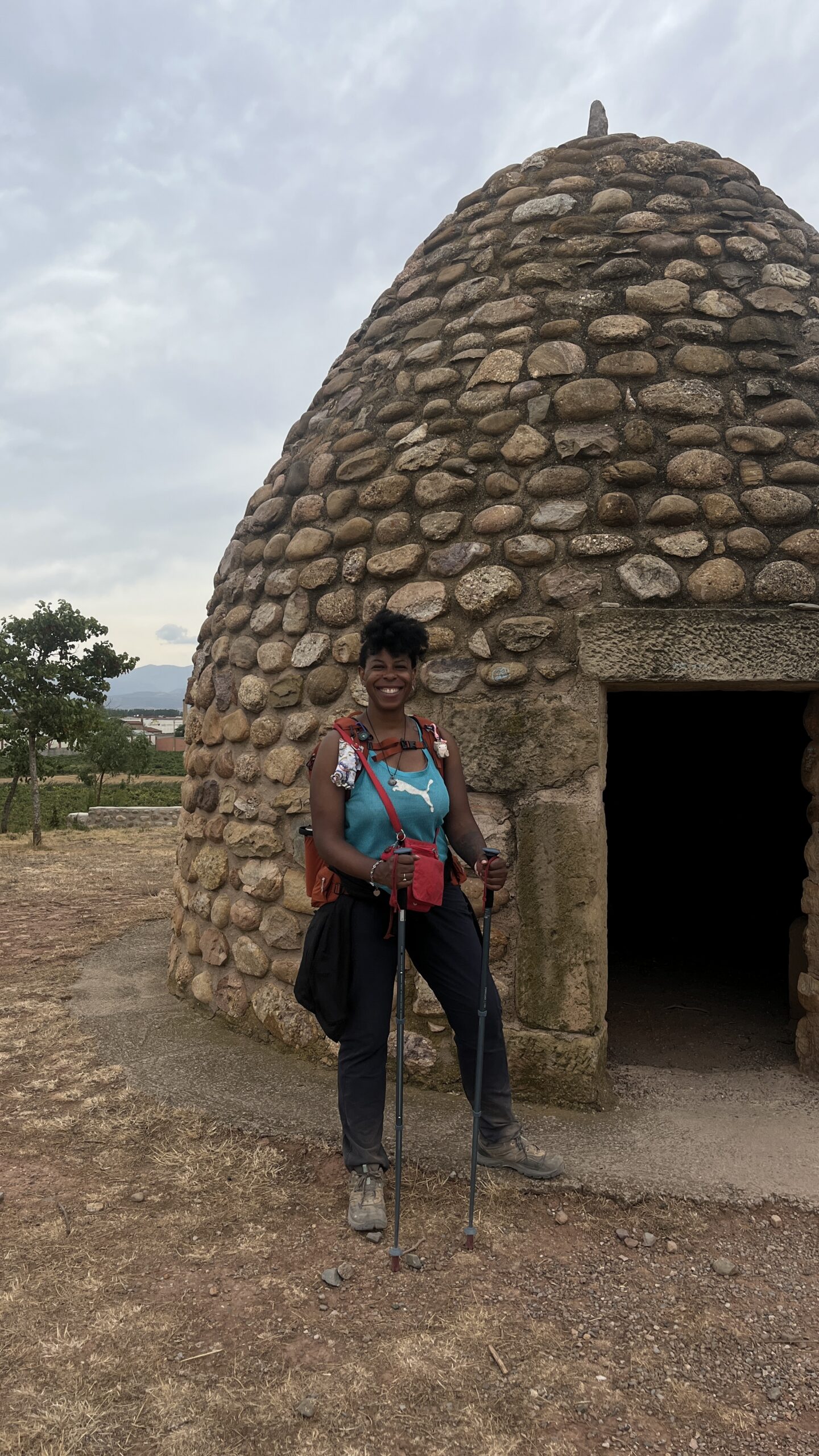
When I finished walking the Camino de Santiago, I knew I had changed, but not only in the dramatic ways people often associate with pilgrimage. My body felt stronger. My mind felt clearer. I looked phenomenal. More importantly, I had experienced what happens when I give myself enough time and distance to move through everything I have been carrying.
For weeks, my days had followed a simple rhythm: wake up, pack my backpack, walk, eat, wash my clothes, rest, and begin again. The physical challenge was real, but so was the freedom. Walking gave my thoughts somewhere to go. It allowed frustration, grief, uncertainty, and ideas to move through me instead of remaining trapped inside my body.
After I returned home, I did not want that version of myself to disappear. I did not want the Camino to become a story I told about the one extraordinary thing I once did. Now, as I prepare to walk from London to Canterbury, I feel even more certain that hiking needs to become part of my regular life rather than an occasional adventure.
The benefits of hiking for women extend far beyond completing an impressive trail. I do not want the Camino de Santiago to become a story I tell about the one extraordinary thing I once did. Nor do I want the London-to-Canterbury walk to become another isolated achievement that sits in the past while ordinary life closes around me again.
I want hiking to become part of how I live.
Long-distance walking gives me something I struggle to create in any other environment. It works my body without trapping me inside a gym. It clears my mind without demanding that I sit still. Hiking also gives me room to process emotions, solve problems, develop ideas, and remember that I am capable of moving through discomfort.
The physical benefits of hiking for women
Walking long distances makes me look phenomenal. I am not going to pretend appearance is irrelevant simply because wellness language often tries to make physical goals sound morally suspect. I enjoy seeing my body become stronger, leaner, and more capable.
The deeper benefit, however, is embodiment. Hiking requires me to inhabit my body rather than judge it from a distance. My feet need care. My hips and knees give feedback. Hunger, hydration, temperature, fatigue, and recovery become practical information instead of abstract health concepts.
That attention can be especially valuable for women as we age. Our bodies are often discussed as problems to manage or appearances to correct. Walking reminds me that my body is also transportation, memory, strength, and possibility.
One of the most important benefits of hiking for women is learning to respond to the body with attention rather than punishment. My article on pelvic floor health for hikers addresses an aspect of women’s walking health that receives too little attention. Strong hiking habits should include recovery, hydration, appropriate gear, and honest awareness of how the body responds.
Movement creates psychological release
The mind behaves differently when the body moves steadily. A thought that feels trapped indoors can loosen after several miles. Anger changes shape. Grief becomes less static. Problems that seemed enormous may become clearer when placed beside weather, distance, hunger, and the need to reach the next town.
I am not claiming that hiking cures every psychological struggle. I am saying that it gives me a form of release I trust. Repetitive movement creates enough structure for my nervous system to settle while leaving enough mental space for reflection.
Sometimes joy becomes useful in exactly this way. I wrote about that idea in Why I Am Letting Joy Be Useful. Pleasure, beauty, and movement do not have to be rewards we earn after completing all our responsibilities. They can help us build the energy required to live.
Hiking gives me time to think
My work depends on ideas. I write about food, travel, gender, culture, leadership, public health, film, development, and the systems shaping everyday life. Constant digital input can make it difficult to distinguish my own thinking from everything I have consumed.
Walking creates longer thought. Instead of reacting to a notification, I can stay with a question. I can dictate notes, outline an article, reconsider a decision, or allow an idea to remain unfinished until it becomes more honest.
Travel has always changed me, which is why How Travel Changes You remains connected to this conversation. Hiking intensifies that process because the landscape does not pass behind glass. I move through it at human speed.
I am not walking to Canterbury for the same reason I walked the Camino
The Camino Francés challenged me in every way. It carried emotional, cultural, and spiritual weight, even though I did not approach it as a religious believer. My upcoming Canterbury walk feels different.
This time, I am seeking physical and psychological release more than spiritual connection. I want the satisfaction of distance, the discipline of daily movement, and the quiet that comes when life becomes simple: wake up, pack, walk, eat, wash, rest, repeat.
I remain open to whatever the journey offers, but I am not demanding transformation. Sometimes a walk can simply make us feel better. That is enough.
Support Future Caminos
Buy Me a Coffee for the Road
Enjoying my Camino stories, videos, and guides? Your support helps fund future walks and allows me to keep documenting and sharing the journey.
☕ Support My Next CaminoMy walk will also become a Portuguese classroom
I do not expect to walk in complete silence. During parts of the route, I plan to listen to Pimsleur Portuguese lessons. I want to use the repetitive rhythm of walking to strengthen my listening and speaking patterns before I return to Portugal.
This is another reason hiking fits the life I want. It does not have to compete with learning, creativity, or work. A trail can become a place for language practice, audiobooks, voice notes, reflection, and carefully chosen periods of silence.
I will still prioritize safety. Headphones and audio are inappropriate when I need full awareness of traffic, navigation, weather, animals, or other people. Immersion works best when it does not disconnect me from the environment.
The gear should support the habit, not become the hobby
Hiking can become expensive when gear culture convinces us that every trip requires a new identity and a new collection of equipment. I want reliable basics: shoes that work for my feet, socks that reduce friction, rain protection, a comfortable pack, poles when the terrain calls for them, and organization that keeps me from carrying unnecessary weight.
My Camino packing guide explains what I learned about carrying less. Bagail packing cubes and bags can help organize a small travel setup, while my CVS Creator link includes practical health and first-aid supplies.
Reliable mobile data also matters during travel days and unfamiliar routes. I use Holafly; promo code DGSPEAKS is available at checkout.
Hiking belongs in my vision of aging well
The benefits of hiking for women become even more meaningful as we age. I want a future that includes movement, curiosity, language, strength, and the confidence to enter unfamiliar places. Hiking supports all of those goals at once.
It also gives me measurable evidence that age does not require shrinking my life. I may need more recovery than I did at 25. I may choose shorter stages, better accommodations, or more careful planning. None of those choices make the journey less real.
The point is not to prove that I can suffer. The point is to build a life in which my body remains connected to adventure.
I want the next walk to lead naturally to another
After Canterbury, I expect to keep walking in different forms: urban walks, coastal routes, pilgrimages, day hikes, and future Camino stages. Some journeys will be long. Others may fit inside an afternoon.
Consistency matters more than spectacle. I do not need every walk to become content, a personal breakthrough, or a dramatic finish line. I want walking to become normal enough that I stop treating movement as an emergency project I begin only when I am dissatisfied with my body.
For me, the benefits of hiking for women include strength, emotional release, mental clarity, confidence, creativity, and a healthier relationship with aging. I want to hike because it helps me think, breathe, learn, create, and feel alive. That is more than enough reason to continue.