The Dish That Makes the Whole Room Quiet
I knew the dish had done something special when the entire table went quiet.
Only a moment earlier, everyone had been talking at once. Forks moved between plates, glasses clinked, and stories crossed over one another. Then, the first bites landed. Conversation stopped without anyone asking for silence.
I looked around the table and saw the same expression moving from face to face. Eyes widened. Someone leaned back in their chair. Another person lowered their fork, stared at the plate, and finally said, “Okay, wait. What is this?”
That pause told me everything. We had found a memorable dish, and for a few seconds, nobody wanted words to interrupt it.
The Bite That Changed the Mood of the Table
Most meals allow conversation to continue without interruption. We eat, talk, laugh, and barely notice how often our forks reach the plate. Every now and then, however, one bite demands our full attention.
The flavor may arrive slowly. First comes the richness, followed by heat, sweetness, smoke, salt, or acidity. Then, another note appears that I cannot immediately name. Before I finish understanding the first bite, I already want the second.
That kind of food changes the atmosphere around it.
People stop performing for one another. Nobody checks a phone or rushes to tell the next story. Instead, everyone becomes fully present because the dish has given us something worth noticing.
I love watching that transformation happen. A lively table becomes still, not because the energy disappears, but because every bit of it moves toward the plate.
Some Flavor Walks Into the Room Like It Owns the Place
A truly memorable dish does not need to shout. It carries authority without trying too hard.
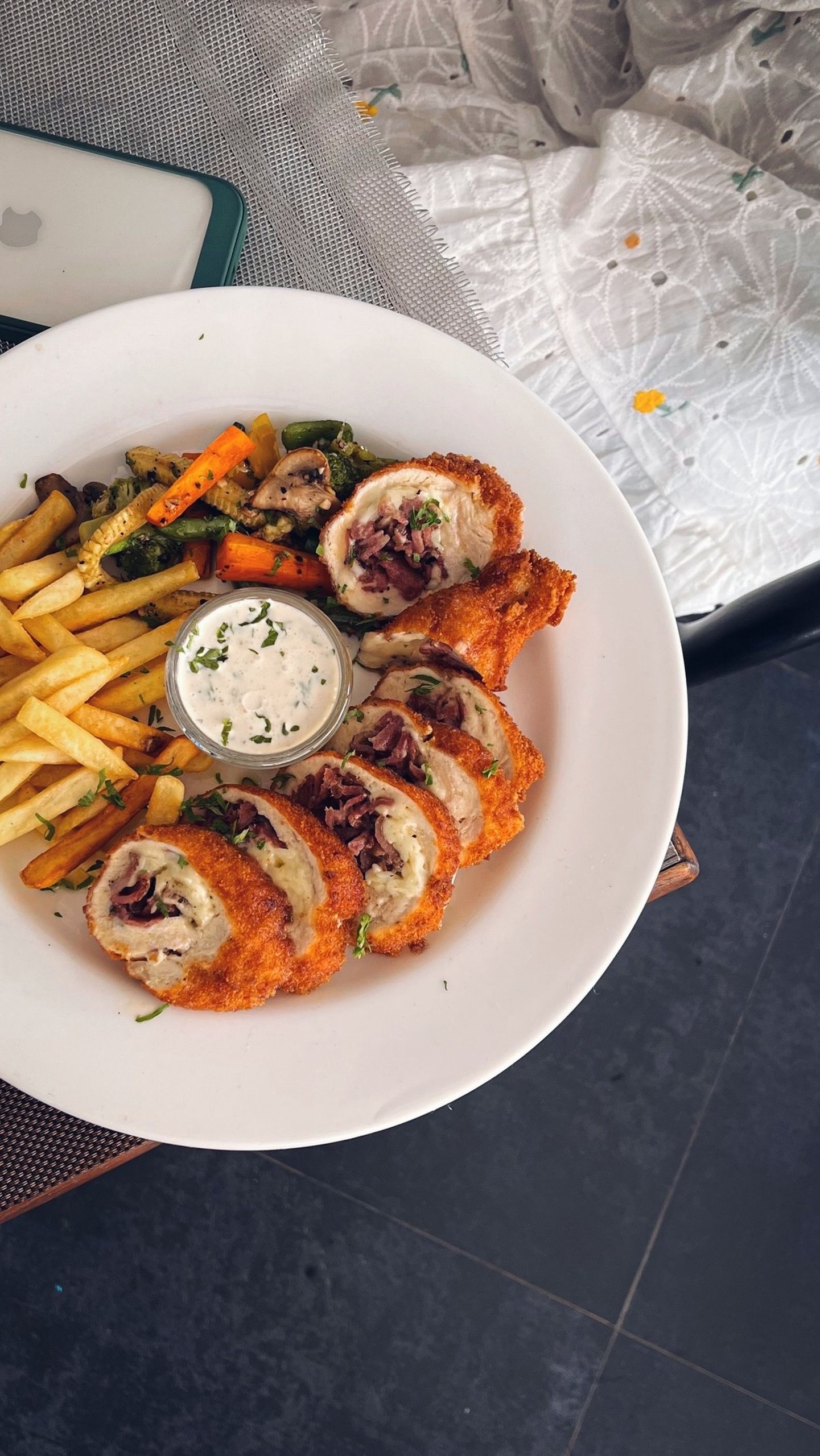
The ingredients may look simple. Perhaps the plate holds roasted meat, a carefully seasoned sauce, vegetables cooked until their edges caramelize, or bread that arrives warm enough to release its scent across the table. Yet, something about the balance feels precise.
Nothing fights for attention. Every element knows its purpose.
I have eaten expensive meals that disappeared from my memory before I reached home. On the other hand, some of the dishes I still think about came from small restaurants, roadside kitchens, neighborhood cafés, and family tables.
Price does not create emotional impact. Technique matters, of course. However, intention often determines whether food stays with me.
Someone cared about the seasoning. Another person respected the ingredients. A cook paid attention to time, temperature, texture, and the point when the dish finally became ready.
That care reaches the table, even when we cannot explain how.
I Remember the Feeling Before I Remember Every Ingredient
When I think about the best things I have eaten, I do not always remember every component. Instead, I recall where I sat, who shared the table, and how the room felt when the food arrived.
A memorable dish becomes tangled with the moment around it.
Maybe I had walked all day before sitting down. Perhaps I felt homesick, tired, celebratory, curious, or completely surprised. Food absorbs the emotion of an experience, which helps explain why one plate can remain vivid for years.
I explore that connection in my reflection on the food memories that follow us home. Taste does not live only on the tongue. It settles into memory alongside place, identity, family, longing, and belonging.
Sometimes, I can smell a familiar spice and return instantly to another country. A certain texture may remind me of childhood. Meanwhile, one spoonful of soup can bring back a person whose presence once made the world feel safer.
Food carries more than flavor. It carries us.
The Restaurant Told Me Something About the City
Whenever I travel, restaurants help me understand a place in ways that guidebooks cannot.
I notice who fills the tables, how long people linger, and whether the room feels formal or relaxed. The menu reveals what grows nearby, which traditions remain important, and how new influences have entered the local culture.
Even the pace of service tells a story.
In some places, a meal feels like an event that should unfold slowly. Elsewhere, food arrives quickly because the restaurant serves workers, families, students, or commuters who move through the day with limited time.
That is why I believe local restaurants teach me how a city feels. They reveal its rhythms, relationships, pressures, pleasures, and priorities.
A memorable dish becomes part of that education. Through it, I learn how a community seasons its food, honors its history, and adapts tradition to the present.
The Moment Everyone Understood at Once
Shared pleasure has its own language.
Someone raises their eyebrows. Another person points at the plate with a fork. One diner laughs because the flavor feels almost unbelievable. Then, somebody says the words everyone else has been thinking: “You have to try this.”
That moment transforms eating into a collective experience.
We begin passing plates across the table. Each person wants everyone else to taste what they just discovered. Personal portions become less important because excitement makes us generous.
I especially love meals where people order different dishes and agree to share. One plate may arrive as the clear favorite, yet every bite contributes to the story of the evening.
Years later, someone might ask, “Do you remember that dish?” Immediately, the entire table returns.
We remember who ordered it, who almost refused to share, and who tried to recreate it at home. The meal becomes part of our shared history.
Not Every Beautiful Plate Has Something to Say
Visual presentation can create anticipation. I appreciate a thoughtful plate, especially when color, shape, and texture make the food more inviting.
Still, appearance cannot carry a dish on its own.
I have encountered food that photographed beautifully but tasted strangely empty. Everything looked precise, yet nothing moved me. After the first bite, the excitement faded.
Conversely, some of the most satisfying meals I have eaten looked wonderfully imperfect. Sauce pooled at the edge of the plate. Bread leaned against a bowl without careful styling. A generous portion arrived with no concern for minimalism.
Then, the flavor took over.
Social media has taught us to look for food that performs well on camera. However, a memorable dish must ultimately perform on the palate.
The photo may attract me, but the taste decides whether I return.
What the Cook Knows That I Do Not
When a dish feels effortless, I remind myself that effort usually created that feeling.
A cook may have prepared the same recipe hundreds of times. Through repetition, they learned how the dough should feel, when the onions have cooked long enough, and how much seasoning the dish can hold.
That knowledge often lives beyond written measurements.
A recipe might say to simmer for 20 minutes. An experienced cook watches the color, listens to the sound of the pot, and notices how the scent changes. Their senses guide them toward the right moment.
I respect that kind of embodied knowledge. It reflects patience, practice, and a relationship with food that no quick shortcut can replace.
In many communities, cooks pass those lessons through observation rather than formal instruction. Children stand nearby, relatives help with preparation, and recipes move from one generation to the next through hands, memory, and repetition.
Therefore, one plate may contain years of accumulated wisdom.
Food Culture Lives in Adaptation
People sometimes speak about traditional food as though it never changes. In reality, cuisine has always moved with people.
Migration introduces new ingredients. Trade changes what becomes available. Economic hardship requires creativity, while cultural exchange creates unexpected combinations.
Families also adjust recipes according to taste, health needs, budgets, and location. One generation may preserve a dish closely. The next may reinterpret it while keeping its emotional center intact.
I do not automatically view adaptation as disrespect. Instead, I ask whether the cook understands what they are changing and why the original matters.
Thoughtful evolution can keep food traditions alive. Careless imitation, however, can strip a dish of its context while turning someone else’s culture into a trend.
That distinction matters to me.
Food invites exploration, but curiosity should arrive with respect. I want to know who created the dish, what shaped it, and how people within that culture understand its meaning.
Travel Keeps Expanding My Definition of Delicious
One of my favorite reasons to travel is the opportunity to taste something I would never encounter in the same way at home.
Local markets, neighborhood restaurants, food halls, bakeries, and family-run cafés often lead me toward the best discoveries. Sometimes, I choose a place after careful research. Other times, a smell drifting down the street makes the decision for me.
Food tours can also offer a useful introduction, especially when a local guide explains the history behind each stop. Travelers can browse culinary experiences through GetYourGuide while exploring a new destination.
The strongest tours do more than feed people. They connect each taste with a neighborhood, tradition, person, or historical moment.
Afterward, I understand the city differently. Streets that once seemed unfamiliar begin to hold stories. A bakery becomes more than a business, and a regional ingredient becomes part of a larger cultural landscape.
The Dish I Tried to Chase Home
Most food lovers eventually try to recreate a travel memory in their own kitchen.
I have returned home still thinking about a sauce, stew, pastry, or piece of perfectly prepared meat. At first, confidence tells me I can reproduce it. Then, I begin cooking and realize how many details I failed to notice.
Was that smokiness part of the seasoning or the cooking method? Did the sauce contain citrus, vinegar, or both? How long did the meat cook before it reached that tenderness?
My version may taste good without tasting exactly right.
Still, the attempt has value. Cooking allows me to revisit the experience while learning more about the dish. I begin researching ingredients, techniques, and cultural context. What started as craving becomes education.
For meals centered on quality proteins, I may order from ButcherBox. Good ingredients provide a strong foundation, although they cannot replace technique, patience, or the original cook’s touch.
Sometimes, I eventually accept that the dish belongs to a particular place and moment. My kitchen can create a tribute, but it cannot reproduce the entire experience.
Perhaps that limitation makes the memory even more precious.
Why the Best Food Makes Us Generous
When I taste something extraordinary, my first instinct often involves another person.
I want my son, a friend, or someone I love to experience it too. Delicious food creates an urge to share because pleasure feels larger when another person understands it.
That generosity can appear in many forms. We offer someone a bite. We recommend the restaurant. Later, we bring a friend back and watch their face as they try the dish for the first time.
Food becomes a way of saying, “I thought of you.”
Home cooking carries the same message. Preparing a memorable meal requires attention to what another person enjoys. We remember their favorite flavors, avoid ingredients they dislike, and place something in front of them that says they matter.
The plate becomes care made visible.
Silence May Be the Most Honest Review
People use many words to describe food. We call it delicious, flavorful, tender, balanced, rich, comforting, or unforgettable.
Yet, words sometimes arrive too late.
The body responds first. We close our eyes. Our shoulders relax. A smile appears before we decide to smile. Then comes the pause.
That silence does not mean the table has nothing to say. Quite the opposite. The experience has briefly moved beyond language.
I think about those moments whenever a restaurant meal or home-cooked dish truly surprises me. The highest praise may not involve a speech, a rating, or even an immediate compliment.
Sometimes, the best response is the quiet between the first bite and the sentence that finally follows.
The Plate Empties, but the Story Stays
Every meal eventually ends. Servers clear the table, leftovers go into containers, and people return to the rest of their lives.
A memorable dish, however, keeps traveling.
We describe it to friends who were not there. We search for the restaurant online, save the location, and promise ourselves that we will return. Perhaps we attempt the recipe at home or compare every similar dish against the original.
Over time, details may fade. I might forget the exact garnish or the name of the wine served beside it. Still, I remember the pause.
I remember the way everyone stopped speaking at once. I recall the look that passed around the table and the shared understanding that we had just tasted something special.
Food gave us that moment, and memory kept it.
Explore more stories about flavor, tradition, and connection through DG Speaks Food. You can also discover how meals shape our journeys in DG Speaks Travel and how culture lives through everyday experiences in DG Speaks Culture.