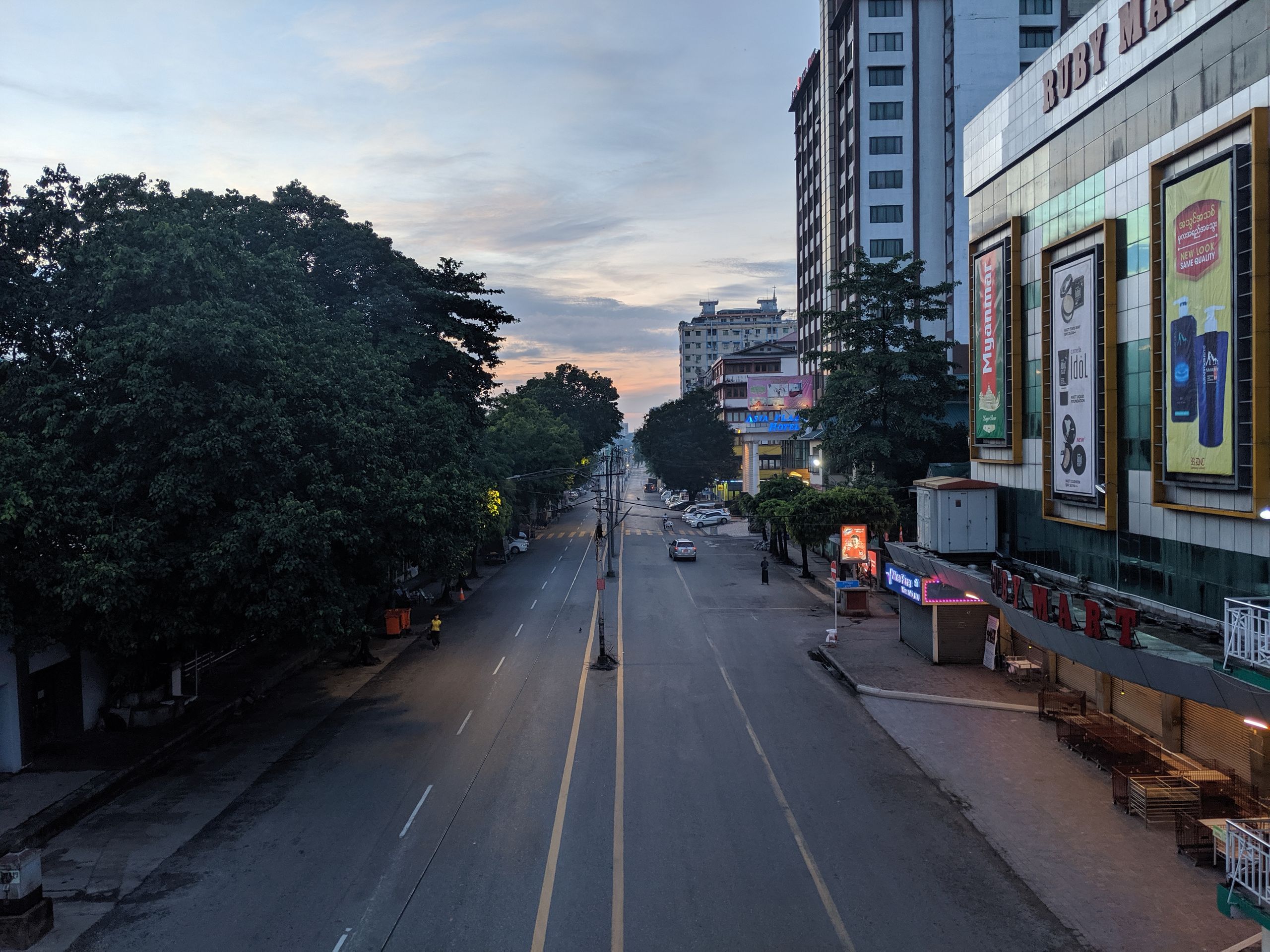
What a Good City Morning Gives Me
One morning in a city I was still learning, I left my lodging before I had decided exactly where to go. The streets were not empty, but they had not yet become crowded. Shopkeepers lifted gates, delivery workers moved boxes across the pavement, and the smell of bread reached the sidewalk before I found the bakery producing it.
A worker swept yesterday from the entrance of a café while another arranged chairs outside. Buses arrived carrying people toward jobs, schools, appointments, and responsibilities that had begun long before most visitors considered leaving their rooms.
I walked without trying to reach an attraction. That freedom allowed me to notice the city before tourism, shopping, and afternoon noise began competing for my attention.
A city morning gives me a softer way to understand a place. Before the rush grows loud, the city introduces itself through smaller sounds and the people whose labor makes the day possible.
Before the Rush Gets Loud
A city sounds different in the morning. The noise has not disappeared, but each sound feels more distinct because fewer layers cover it.
I hear a gate opening, a bus braking, a broom moving across stone, and cups being placed on café tables. Delivery carts rattle over uneven pavement while workers greet one another with the ease of people who have repeated the same routine many times.
Later, those sounds blend into traffic, conversation, music, and crowds. Morning gives each one enough space to be heard.
That quieter beginning helps me understand how a place gathers momentum. Cities do not wake all at once. They are opened, cleaned, stocked, transported, cooked for, and prepared by people whose work often disappears once the day reaches full speed.
The Bakery, the Bus, and the Broom
I often remember cities through a few ordinary details. The bakery tells me when the neighborhood begins moving, the bus shows where people are going, and the broom reveals who arrived before everyone else.
These details may seem too small for a travel story, yet they contain information about labor, time, culture, and daily life. A bakery opening early may serve workers on their way to a shift, while a crowded bus stop can reveal the geography between where people live and where they earn a living.
The broom carries its own story. Public spaces appear naturally clean only when the person doing the cleaning remains invisible.
Morning makes that labor harder to overlook because preparation is still happening in front of me.
Workers Start the Story
Visitors often arrive after the stage has been set. The café is open, breakfast is ready, the market stalls look abundant, and the historic square appears prepared for photographs.
Someone made all of that possible.
Workers baked the bread, received deliveries, cleaned the pavement, arranged the produce, drove the buses, and unlocked the buildings. Their labor begins the story of the city long before leisure becomes visible.
This awareness shapes how I approach respectful curiosity in cultural travel writing. A place is not scenery waiting for my arrival. It is a living system sustained by people whose routines continue whether or not a visitor notices them.
The city does not wake itself.
Preparation Reveals What Afternoon Conceals
By afternoon, a business can look effortless. Tables remain occupied, shelves stay stocked, and service appears to flow naturally.
Morning exposes the work beneath that ease.
I see chairs being carried outside, menus wiped clean, vegetables unloaded, and counters prepared. Staff members move quickly through tasks that customers will barely register once the doors officially open.
Watching preparation changes the way I experience the finished room. The meal, market, or café no longer appears as a polished product that simply exists for my enjoyment.
It becomes the result of coordination, skill, timing, and labor.
Local Restaurants Teach Me Through Their Morning Rhythm
A restaurant can tell me a great deal before it serves its first meal.
The deliveries suggest which ingredients matter, while the pace of preparation shows whether the business expects office workers, tourists, families, or neighborhood regulars. A small café may begin with customers who barely need to order because the person behind the counter already knows what they want.
Those patterns connect with what I have learned about how local restaurants teach me how a city feels. Food offers flavor, but the surrounding rhythm shows who the place serves and how it fits into the neighborhood.
Morning gives me a chance to observe that relationship before the room becomes too busy to read clearly.
Walking Early Changes What I Notice
I move differently when the streets feel less crowded. My pace becomes slower, even when I cover more ground, because I am not constantly navigating around other people or trying to keep up with the energy of the day.
Without a strict destination, I notice entrances, balconies, school routes, delivery doors, and the way sunlight reaches different parts of the street. A corner that feels chaotic later may seem almost intimate in the morning.
Walking early also helps me understand distance more honestly. Public transportation maps tell me how places connect, but my feet reveal hills, pavement, shade, traffic, and the emotional feel of moving between neighborhoods.
The city becomes more than a collection of destinations. It begins to feel continuous.
Morning Belongs to Residents Before It Belongs to Visitors
Early travel can feel special because it offers quiet streets and uncluttered photographs. That pleasure should not make me forget that the morning already belongs to people carrying out their daily lives.
Residents are commuting, opening businesses, walking children to school, exercising, making deliveries, and completing errands before work. My leisurely walk moves through the same space as their schedules.
Respect requires attention.
I avoid blocking narrow sidewalks for photographs, standing in doorways, or treating someone’s work routine as a performance arranged for my camera. The fact that a scene looks beautiful does not remove the dignity or privacy of the people inside it.
Cultural travel becomes more responsible when curiosity does not assume access to everything it sees.
A Guided Walk Can Add the History I Cannot See
Observation teaches me a great deal, but it has limits. I can see a market opening without knowing how the neighborhood developed, why certain communities settled there, or how public policy changed the businesses that remain.
A knowledgeable local guide can connect the visible morning to the history beneath it. Walking experiences available through GetYourGuide may provide that context when guides explain architecture, migration, labor, food traditions, and neighborhood change with care.
Context protects me from confusing observation with understanding.
I may notice a pattern correctly and still interpret it poorly because I lack local knowledge. Guided learning gives the details a stronger foundation, while time alone allows me to absorb the city without turning every moment into a lesson.
I need both.
Slow Travel Makes Room for More Than One Morning
A single morning offers an impression. Returning reveals variation.
Weekdays move differently from weekends. Rain changes where people gather, while holidays, school schedules, and seasons reshape the street entirely.
Slow travel gives me enough time to see those differences. I can return to the same bakery, bus stop, market, or café and recognize that routine never means complete sameness.
That repetition matters because one beautiful morning can tempt me into broad conclusions. Several mornings remind me that cities contain multiple rhythms, even within the same neighborhood.
Familiarity helps observation become more careful.
Leisure Begins After Someone Else’s Work
Travel writing often celebrates the pleasure of beginning the day with coffee, warm bread, a quiet walk, or a beautiful market. I enjoy those moments too.
Still, leisure has a foundation.
The coffee depends on agriculture, transportation, roasting, service, water, electricity, and cleaning. Warm bread carries the labor of farming, milling, delivery, baking, and selling before it reaches my hand.
Recognizing that work does not remove the pleasure. It makes the pleasure more honest.
I want to enjoy what a city offers without treating convenience as magic or service as something that happens naturally around me.

A DG Speaks Recommendation
I want more mornings to walk slowly, stay curious, and watch new places come alive
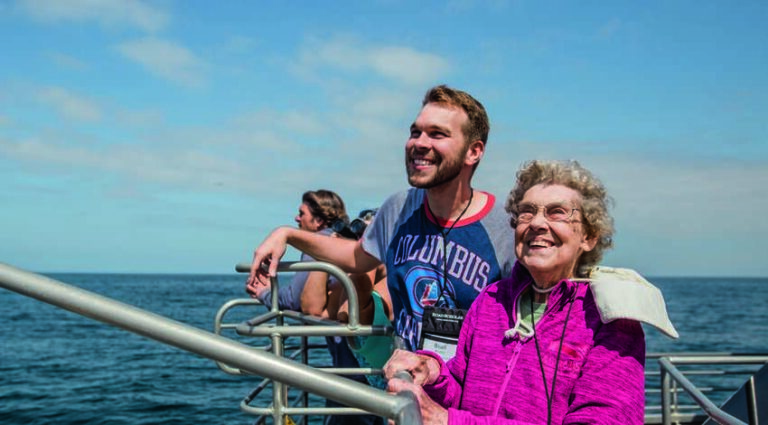
I partnered with Happy Aging to share products that support energy, vitality, and an active life shaped by movement, curiosity, and meaningful discovery.
Not Every Morning Needs to Become Content
Early light, quiet streets, and unfolding routines can make a city morning especially appealing to photograph. I understand the impulse to document it.
Recording everything can also separate me from the experience.
Sometimes I need to leave the phone in my bag and let the morning remain temporary. A worker sweeping the pavement does not need to become a visual symbol for my audience, and every cup of coffee does not require a carefully framed image.
Observation has value even when it produces nothing public.
The city may teach me something that enters my writing later, or the morning may simply become part of how I remember the place. Attention does not always need proof.
A Morning I Can Learn From
The morning that began this reflection did not contain a major attraction. I bought bread, watched buses fill, and followed streets that eventually carried me back toward where I was staying.
What remained with me was the preparation.
The city opened piece by piece. Workers lifted gates, arranged chairs, moved deliveries, swept entrances, and created the conditions for the day that visitors would soon call vibrant.
A city morning helps me notice what the afternoon often hides. It reveals the labor beneath hospitality, the routines beneath culture, and the ordinary movements that allow a neighborhood to function.
I learn more when I do not rush.
Standing on a corner for a few minutes gives the street time to become more than a route. I begin noticing who moves with certainty, who waits, who opens the doors, and how the rhythm changes as the light grows stronger.
The city is already speaking.
Its morning language is quieter than the one offered later through crowds, attractions, and traffic. I have to slow down enough to hear the bakery, the bus, the broom, and the work happening before leisure begins.
That softer introduction often tells me what kind of place I have entered.
Continue exploring stories about walking, slow travel, cultural observation, and the everyday rhythms that help a city reveal itself through DG Speaks Travel.