How Heat Changes the Way I Travel
I remember setting out early one morning with a full day mapped on my phone. The route looked manageable from the comfort of my room: a long walk through the historic center, an outdoor market, two museums, and dinner across town.
By midday, the pavement radiated heat through my shoes. My water had turned warm, the shade seemed to disappear exactly when I needed it, and every additional block felt less interesting than the one before.
The problem was not the destination. I had planned the day as though my body would remain unaffected by the weather.
Heat changes everything. Hot weather travel reminds me quickly that my body is not an accessory to the trip. It is the traveler.
The Sun Gets a Vote
I may create the itinerary, but the sun participates in every decision.
Heat affects my pace, appetite, mood, concentration, and willingness to keep walking. A route that feels pleasant in mild weather can become exhausting when the temperature rises and the streets offer little shade.
Ignoring those changes does not make me adventurous. It usually makes me irritable, depleted, and less able to appreciate the place I came to see.
I now treat the forecast as part of the itinerary rather than background information. The temperature matters, but so do humidity, cloud cover, wind, and the amount of direct sun I will encounter.
A beautiful day can still demand a different plan.
Hydration Before Ambition
When I feel excited about a destination, stopping for water can seem like an interruption. I want to keep walking, reach the next place, and avoid losing time.
That mindset works against me in serious heat.
Drinking water before I feel desperate helps me remain steady. I also pay attention to whether I have been sweating for hours, eating enough, and taking breaks before fatigue becomes overwhelming.
Hydration does not need to become another performance. I am not trying to prove how much water I can carry or force myself into a rigid schedule.
The goal is simple: support the body before ambition begins making decisions on its behalf.
This connects with my reflections on why women’s rest and softness are not surrender. Care does not weaken the journey. It helps me remain present for it.
Morning Becomes My Most Valuable Travel Time
Hot weather changes how I use the day.
Early morning often gives me cooler streets, softer light, and more energy. I can walk farther, take photographs without fighting harsh midday sun, and explore before the city begins feeling heavy.
That schedule also allows me to experience another side of the destination. Vendors prepare their stalls, residents commute, cafés open, and public spaces begin filling gradually.
By the hottest part of the afternoon, I can move indoors or slow the pace without feeling that I wasted the day.
Starting earlier does not mean forcing myself out before I have rested. It means shifting important outdoor activities toward the hours when my body can enjoy them.
Shade Belongs on the Itinerary
I once treated shade as something I would find naturally along the way.
That assumption fails quickly in cities with wide plazas, limited tree cover, long waterfronts, or exposed historic sites. A route may look short on a map while offering almost nowhere to escape direct sun.
Now I notice parks, arcades, museums, markets, churches, cafés, and covered public spaces before I begin walking. Those places become part of the route rather than emergency exits from it.
A shaded bench can change the entire afternoon. So can twenty quiet minutes inside a cool museum.
Rest breaks do not need to happen only after I reach my limit. Planning them in advance helps me avoid reaching that limit at all.
Slow Travel Makes More Sense in the Heat
Heat exposes the weakness in an overly ambitious itinerary.
When I try to cross an entire city in one day, every attraction begins competing with the weather. I rush through one place because I am already thinking about the walk to the next.
Slowing down offers another approach.
I can choose one neighborhood, visit a market, spend time in a museum, and eat nearby instead of crossing the city repeatedly. That kind of planning reduces transportation stress and gives the destination more room to unfold.
This fits what I have learned about choosing presence over pace through slow travel. A shorter list often gives me a fuller experience.
Heat does not ruin the itinerary when the itinerary already contains space.
Food Feels Different When the Weather Is Hot
High temperatures change my appetite.
Heavy meals may feel less appealing during the day, while fruit, cold drinks, salads, yogurt, bread, seafood, and lighter foods become easier to enjoy. Local eating patterns often reflect the same reality.
People in hot climates have developed meals, beverages, and daily rhythms that respond to the environment. Paying attention to those habits can teach me more than insisting on eating exactly as I would at home.
I also avoid waiting until exhaustion makes every decision feel urgent. A small meal or snack earlier can protect the rest of the day.
Heat requires energy even when I am moving slowly. Nourishment belongs in the plan alongside water and shade.
Clothing Can Protect the Experience
What feels comfortable indoors may not work after hours in direct sun.
Lightweight, breathable clothing helps, but coverage matters too. A loose layer, hat, sunglasses, and comfortable shoes can protect me from sun exposure without making movement feel restrictive.
I also consider friction, sweat, and how fabrics behave after several hours outside. A beautiful outfit loses its appeal quickly when it rubs, traps heat, or requires constant adjustment.
Useful travel items from my Amazon travel shop can support hot-weather days, including refillable water bottles, portable chargers, lightweight layers, sun protection, and practical walking accessories.
Gear should reduce distraction. The best item is often the one that lets me stop thinking about discomfort and return my attention to the place.
Planned Experiences Need Realistic Timing
Booking activities can give a trip structure, but time of day matters.
An outdoor walking tour scheduled during peak heat may feel completely different from the same experience in the morning. Long lines, exposed meeting points, and limited breaks can add strain before the activity even begins.
Experiences available through GetYourGuide can add meaningful context when local guides connect a place to its history and culture. Before booking, I look at the start time, duration, walking distance, accessibility details, and whether the experience includes indoor stops.
I also leave enough time before and after the activity. Racing across town in the heat can undo the benefit of choosing a thoughtful tour.
The experience should fit the weather, not pretend the weather does not exist.
Knowing When to Stop Is a Travel Skill
There is a moment when persistence stops serving the day.
I may notice a headache, unusual fatigue, dizziness, nausea, confusion, weakness, or a sudden loss of interest in everything around me. At that point, continuing toward another attraction does not represent dedication.
Stopping becomes the wiser choice.
I can go indoors, drink water, cool down, eat something, ask for help, or change the rest of the plan. When symptoms feel severe or continue, seeking medical attention matters more than preserving the itinerary.
Travel coverage through SafetyWing may support international or extended travel when unexpected medical needs arise.
No attraction deserves a health crisis. The destination will not reward me for ignoring my body.
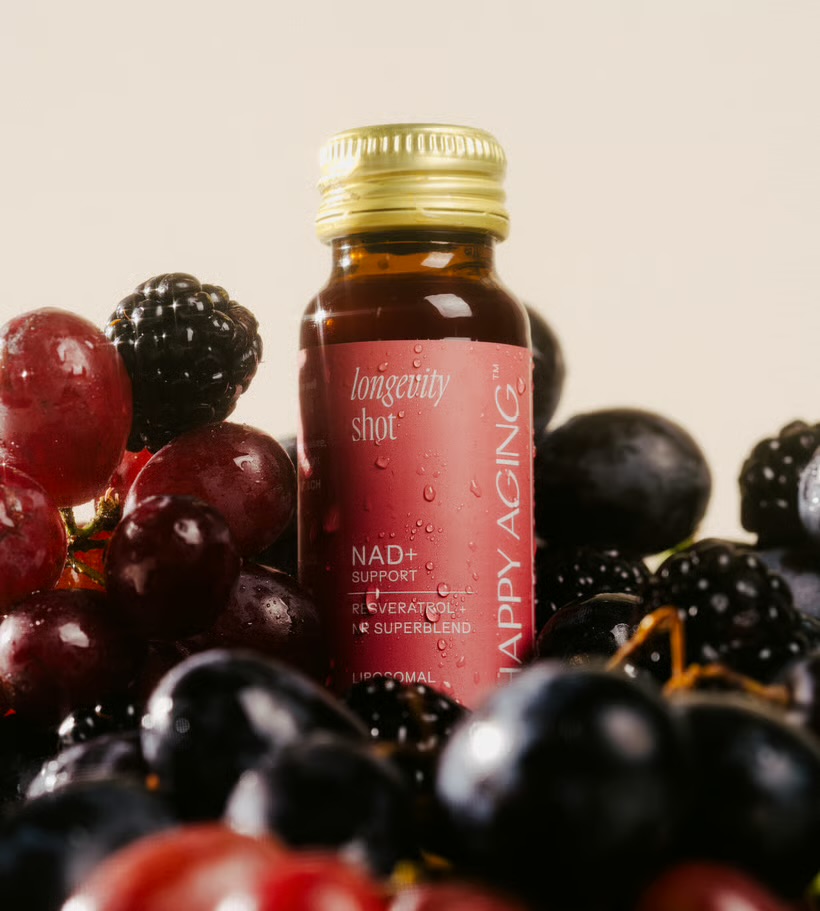
A DG Speaks Recommendation
I want more years to walk, explore, and give my body the support it needs for every season
I partnered with Happy Aging to share products that support energy, vitality, and an active life shaped by movement, care, and meaningful discovery.
Women Often Receive Conflicting Messages About Safety
Women travelers hear that we should remain alert, move confidently, avoid appearing lost, and stay aware of our surroundings.
Heat can make all of that harder.
Fatigue reduces patience and concentration. A depleted traveler may struggle to navigate, evaluate transportation, or recognize when a situation feels wrong.
Protecting my physical condition supports personal safety.
I would rather sit in a café, take a taxi, or return to my lodging early than force myself through another hour simply because changing the plan feels like failure.
Strength includes knowing when my decision-making needs rest.
The Antidote Is Not Proving I Can Take the Heat
Travel culture often rewards endurance.
People boast about walking enormous distances, seeing everything in one day, or pushing through difficult conditions without complaint. Those stories can make physical limits sound like personal shortcomings.
I reject that measure of travel success.
The antidote to poor preparation is not becoming harder than the weather. It is moving with greater awareness.
A slower afternoon can still hold beauty. Taking public transportation does not invalidate a walking trip, and skipping one exposed attraction may protect the energy I need for tomorrow.
The journey does not become more meaningful because I suffered unnecessarily.
Moving With the Weather
When I think about the day that began with the ambitious itinerary, I remember how much better everything felt once I changed the plan.
I stopped walking, found a shaded table, ordered something cold, and allowed the afternoon to become smaller.
One museum replaced several outdoor stops. Dinner moved closer to where I was staying, and the attractions I missed remained possibilities rather than failures.
Hot weather travel asks me to pay attention to the body moving through the destination. The sun gets a vote. So do thirst, fatigue, appetite, shade, and the need to rest before irritation becomes distress.
Moving with the weather does not make me weak or less adventurous.
It helps me travel long enough to enjoy where I am.
I want journeys that respect the body instead of treating it as transportation for the itinerary. That means hydration before ambition, shade before depletion, and enough flexibility to change direction when the day demands something different.
The body deserves a say.
After all, it is the one taking the trip.
Continue exploring stories about women’s travel, practical preparation, slow journeys, and moving through the world with greater care through DG Speaks Travel.