Hosting in Remote Areas: A Guide for Airbnb Success
Hosting in remote or rural areas offers a different kind of Airbnb experience. Instead of city attractions and nonstop entertainment, guests come for quiet mornings, open skies, nature, and the freedom to slow down.
That peaceful setting can become your property’s greatest strength. However, rural hosting also comes with challenges that city hosts may never face. Weak cell service, long drives, power outages, and limited stores can quickly affect a stay.
Fortunately, thoughtful preparation can turn those concerns into part of a well-managed experience. Clear directions, useful supplies, honest descriptions, and local recommendations help guests arrive with confidence.
As a host, your goal is not to make a rural home feel like a city hotel. Instead, focus on comfort, safety, self-sufficiency, and the natural character that brought travelers to your area.
Why Rural Airbnb Hosting Appeals to Travelers
More travelers now look for experiences that feel calm, private, and connected to nature. A rural Airbnb can offer all three without relying on expensive attractions or crowded entertainment districts.
Scenic views often create the first impression. Beyond that, guests may enjoy stargazing, hiking, fishing, birdwatching, or simply listening to the quiet. Those moments can feel especially meaningful for travelers who live in busy cities.
Remote locations also attract guests who want a more personal escape. Couples may book a quiet weekend, while families may seek space to reconnect. Meanwhile, remote workers sometimes look for peaceful places where they can focus.
Even so, rural properties usually appeal to a specific audience. That smaller market is not necessarily a weakness. In fact, guests who understand the experience may appreciate the property more deeply.
Understand the Challenges Before Guests Arrive
Remote hosting requires more planning because help may not arrive quickly. A grocery store could sit 30 minutes away. Likewise, a mechanic, plumber, or medical center may be farther than guests expect.
Infrastructure can create another concern. Internet service may slow down during bad weather, while storms may interrupt electricity. In addition, rural roads can become difficult after heavy rain or snow.
Transportation also matters. Guests without a vehicle may struggle to reach the property. Therefore, your listing should explain whether public transportation, taxis, or rideshare services operate nearby.
Rather than hiding these realities, address them early. Honest information helps travelers choose wisely and prevents frustration later.
Give Guests Directions They Can Follow Offline
GPS works well until it does not. In remote areas, navigation apps may lose service, send drivers down private roads, or stop before the correct driveway.
For that reason, send detailed directions before arrival. Start from a landmark that visitors can identify easily, such as a gas station, highway exit, or town center. From there, include road names, distances, turns, and visible markers.
Whenever possible, provide both digital and printable directions. Guests can save screenshots before leaving an area with reliable service. Additionally, a simple map can help when street signs are missing.
Clear roadside signage makes the final approach easier. Reflective numbers or markers can help after dark. However, make sure any signs follow local rules and do not confuse emergency responders.
Arrival instructions should also describe the driveway. Let guests know whether it is steep, narrow, unpaved, or difficult for low vehicles. During winter, explain whether four-wheel drive or snow chains may be necessary.
Prepare for Weather and Power Outages
Rural weather can change quickly. Because stores and emergency services may be farther away, hosts should prepare the property for short disruptions.
Start with a well-stocked safety area. A flashlight with extra batteries should remain easy to find. Similarly, a complete first aid kit belongs in a visible location.
Cold-weather rentals may also need extra blankets and hand warmers. During warmer months, fans, drinking water, and clear heat-safety guidance can offer similar protection.
A backup power source may help during outages. However, generators require careful installation, ventilation, fuel storage, and maintenance. Before purchasing a generator, consult a qualified professional and follow local safety rules.
Water deserves equal attention. If the property uses a well, explain what happens when the power fails. Keeping bottled water on hand can help during short interruptions.
Create a Useful Emergency Guide
Guests need more than a list of emergency numbers. They also need to know where to go and how long help may take.
Your guide should include the full property address, the nearest hospital, urgent care center, pharmacy, and gas station. Add contact details for a local mechanic, tow company, electrician, and plumber as well.
During severe weather, local guidance becomes especially important. Include information about tornado shelters, wildfire evacuation routes, flood risks, or winter road closures when those hazards apply.
Most importantly, keep the instructions simple. Guests may read them during a stressful moment, so short sentences and clear headings work best.
Turn the Location Into the Experience
A remote Airbnb should not apologize for its distance from city attractions. Instead, show guests what the location makes possible.
Nearby trails, lakes, farms, scenic overlooks, and historic sites can become part of your marketing. If wildlife appears regularly, explain what guests may see and how they should behave.
A local guidebook can bring those recommendations together. Include driving times, parking details, entrance fees, seasonal hours, and safety information. Since service may disappear, offer a printed copy inside the home.
Outdoor guidance should remain practical. For example, tell hikers when to carry extra water, where hunting takes place, or which trails become dangerous after rain.
Support the Local Community
Rural hosting creates an opportunity to direct visitor spending toward nearby businesses. That support can strengthen your community while giving guests a more authentic experience.
Recommend local cafes, diners, farm stands, and family-owned shops. Artisans, guides, and small tour operators may also appreciate referrals.
Before sharing a recommendation, confirm the operating hours. Rural businesses may close earlier or open only on certain days. Therefore, guests should know when they need to plan ahead.
Seasonal festivals and markets can add even more value. Update your guide regularly so visitors receive current information.

Make the Property More Self-Sufficient
Guests staying far from stores often appreciate a home that includes basic supplies. A forgotten toothbrush should not require an hour-long round trip.
Stock simple pantry items such as coffee, tea, sugar, salt, cooking oil, and a few shelf-stable foods. At the same time, avoid leaving expired products or open containers from previous stays.
Extra toiletries can solve common problems. Shampoo, soap, toothpaste, and feminine care products may feel especially helpful when the nearest store closes early.
Cooking equipment also matters because guests may plan to prepare most meals. Sharp knives, usable pans, food-storage containers, and a working can opener make the kitchen far more practical.
My Airbnb Host Shopping List includes guest supplies, safety tools, and other essentials for stocking a rental.
Offer Entertainment That Does Not Need Wi-Fi
Some guests choose rural travel because they want less screen time. Others may feel frustrated when weak internet interrupts their plans. Offline entertainment serves both groups.
A small collection of board games and puzzles can fill a rainy afternoon. Books about the local area may also add context to the trip.
Outdoor options can make the property even more memorable. A safely installed fire pit may create a cozy gathering place. Still, hosts must provide clear fire rules and follow local burn restrictions.
Stargazing supplies can complement a dark-sky location. Binoculars, a simple star chart, or comfortable outdoor chairs can turn a quiet evening into an experience.
Be Honest About Internet and Cell Service
Connectivity can make or break a rural stay, especially for guests who plan to work. Therefore, never describe slow or unstable internet as high-speed service.
Run speed tests at different times of day. Then include the typical download and upload speeds in the listing. Mention whether video calls, streaming, or online gaming work reliably.
When traditional broadband is unavailable, satellite internet equipment or a mobile hotspot may offer alternatives. However, performance depends on local coverage and weather.
Cell service should receive the same honesty. Tell guests which carriers usually work and where signals tend to drop. If no reliable service exists, encourage travelers to download maps before arrival.
Printed maps and local guidebooks can provide valuable backup when the internet fails.
Create Comfort Without Overdoing the Rustic Theme
Rural decor should feel connected to the location, but comfort still comes first. A beautiful antique chair loses its charm when guests cannot sit in it safely.
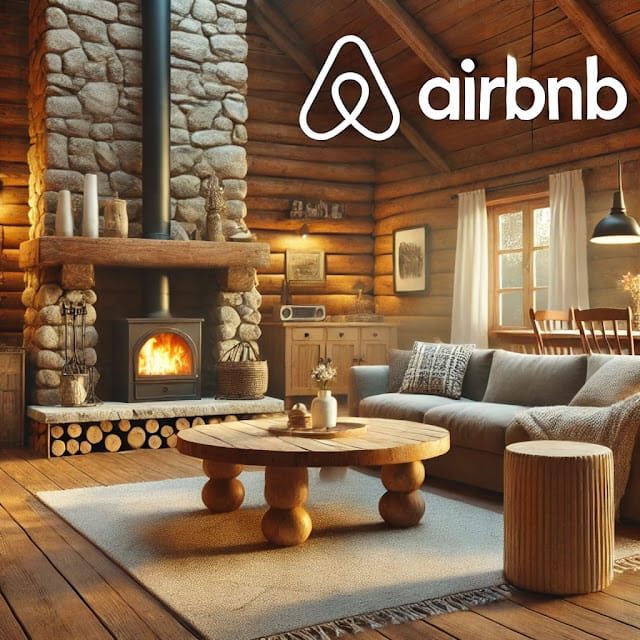
Natural wood, stone, woven textures, and local art can add warmth. Meanwhile, soft lighting and cozy throw blankets can make the room feel welcoming.
Area rugs may add color and texture. However, loose rugs can create tripping hazards. If you use area rugs, secure them properly.
Furniture placement should also highlight the setting. Turn chairs toward mountain views, fields, gardens, or fireplaces. In this case, the landscape becomes part of the design.
Set Expectations in the Listing
Transparency attracts the right guests. A traveler who expects total silence may feel disappointed by farm equipment at sunrise. Likewise, someone expecting city convenience may struggle with a 40-minute drive to dinner.
Describe the property’s strengths with enthusiasm. Privacy, wildlife, dark skies, and open space can all become strong selling points.
At the same time, explain the limitations clearly. Mention weak cell service, insects, wildlife, unpaved roads, septic systems, well water, and long distances to stores.
Seasonal conditions deserve attention too. Mud, snow, fallen leaves, and extreme heat can change the experience. Therefore, update the listing as conditions shift.
Honesty does not weaken your marketing. Instead, it builds trust and helps guests arrive prepared.
Market the Feeling, Not Only the Property
Travelers often book rural stays because they want a feeling. They imagine coffee on the porch, stars above the trees, or a quiet evening by the fire.
Professional photographs should capture that atmosphere. Along with rooms and amenities, show the driveway, outdoor spaces, surrounding views, and seasonal landscape.
Your description can tell the same story. Rather than writing only about square footage, explain what a morning or evening at the property feels like.
Nevertheless, practical details still belong near the top. Guests should quickly find information about road conditions, Wi-Fi, distance to town, and transportation.
Build a Reliable Local Support Network
Remote hosting becomes easier when trusted local people can help. A nearby cleaner, handyman, neighbor, or co-host may solve problems when you cannot arrive quickly.
Before opening the property, create relationships with local service providers. Confirm who can respond during weekends, holidays, and severe weather.
Back-up plans matter as well. If your regular cleaner becomes unavailable, another person should know the property and supply system.
Whenever someone enters during a guest stay, communicate first. Privacy remains important, even during urgent repairs.
Final Thoughts on Hosting in Remote or Rural Areas
Hosting in remote or rural areas requires more preparation than simply furnishing a home and publishing a listing. Distance changes how guests reach the property, buy food, handle emergencies, and communicate.
However, those same conditions create the charm that makes rural travel special. Quiet landscapes, local culture, open skies, and slower routines can offer experiences that cities cannot reproduce.
Success begins with honest information. From there, clear directions, emergency planning, reliable supplies, and thoughtful amenities create a smoother stay.
Most importantly, embrace the location instead of trying to disguise it. The right guests are not looking for city convenience in the countryside. They want the beauty, peace, and character that your rural Airbnb can provide.
Ready to prepare your property? Visit my Airbnb Host Shopping List for practical supplies and guest-friendly essentials.
Affiliate disclosure: This article contains affiliate links. I may earn a commission from qualifying purchases at no additional cost to you.