The Museum Gift Shop Is a Cultural Clue
I had already spent nearly three hours inside the museum when I reached the gift shop.
My feet hurt. My mind felt full, and I was still trying to process the final gallery. The exhibition had moved through beauty, conflict, power, and memory with more complexity than I expected.
Then, I walked through the exit and saw the mugs.
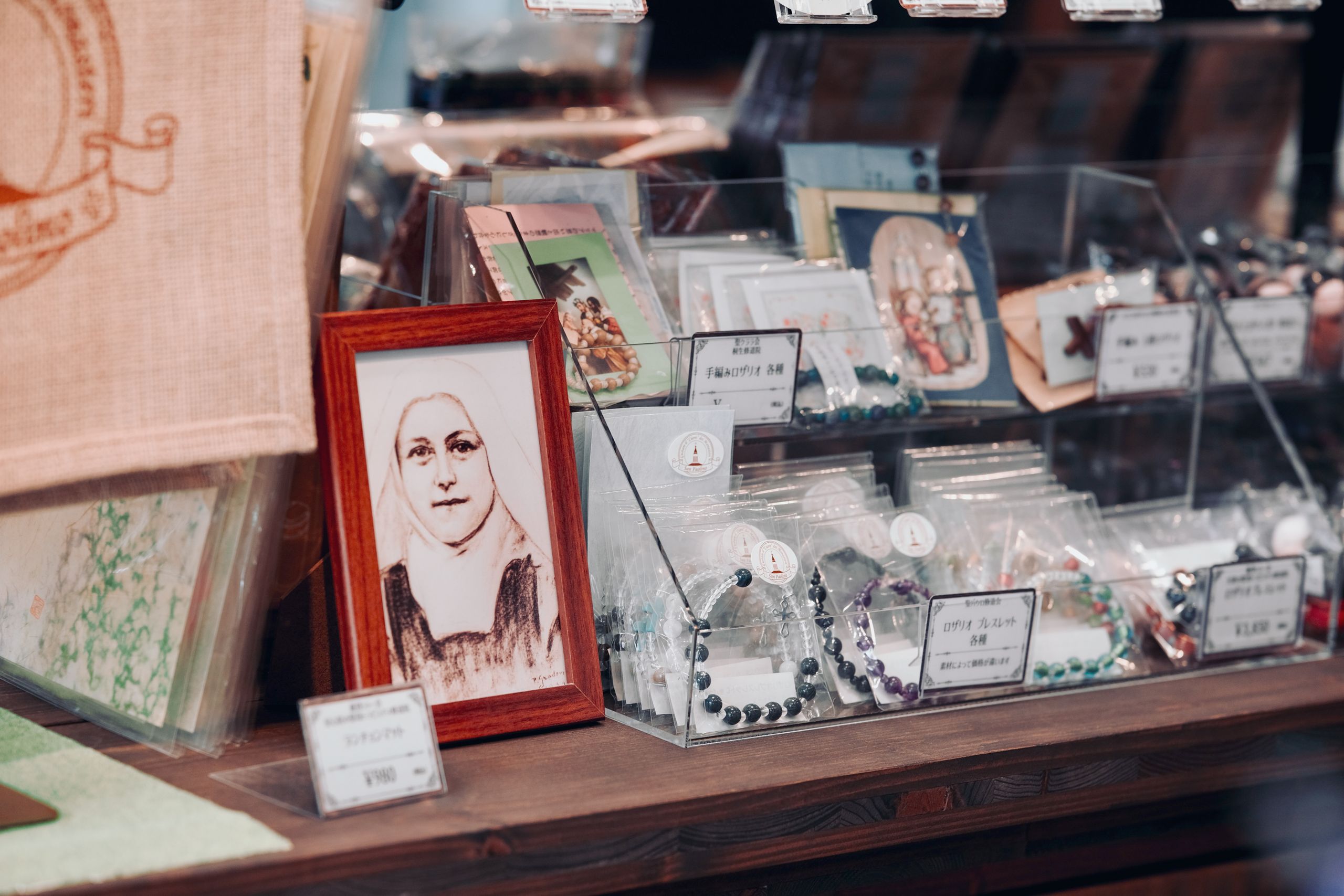
There were postcards, scarves, children’s toys, jewelry, replicas, notebooks, magnets, and brightly colored objects arranged beneath careful lighting. A difficult history I had just encountered in the galleries had been transformed into something small enough to fit inside a shopping bag.
I stood there longer than I intended.
I was not offended by the existence of the shop. I enjoy museum stores. I often find books I would not have discovered elsewhere, gifts made by local artists, and objects that help an idea remain present after the visit ends.
Still, the transition made me curious.
What had the museum decided was worth carrying home?
Which parts of the exhibition could become attractive products, and which parts disappeared once the experience entered commerce?
A museum gift shop is supposed to be where the visit ends.
For me, it often becomes one more gallery.
The Exhibition Continued After the Exit Sign
Inside the galleries, curators had made choices about what to display, how to organize it, and which stories needed explanation.
The shop continued that work through objects.
Books suggested which subjects deserved deeper study. Postcards identified the images visitors were most likely to remember, while children’s items revealed how the institution translated complicated ideas for younger audiences.
Even the smallest products carried interpretation.
A magnet may seem trivial, but someone selected that image instead of another. A replica tells visitors that one artifact can stand in for the larger collection.
The shop does not merely sell souvenirs.
It edits the museum into a portable form.
Memory Becomes Something I Can Hold
There is something appealing about taking a physical object home.
A postcard can return me to a painting I stood before for several minutes. A book may continue a question the wall text only introduced, and a small piece of jewelry can remind me of a design tradition I had not previously understood.
Objects help memory remain tactile.
They also simplify.
The full experience of the museum cannot fit into a tote bag. The discomfort, contradiction, and emotional weight of an exhibition may fade while the attractive image remains.
That does not make the object meaningless.
It means the object should not be mistaken for the whole story.
What Gets Turned Into a Souvenir
Some histories are easier to merchandise than others.
Beauty translates well. So do famous faces, recognizable symbols, and images already supported by popular culture.
Violence, exploitation, displacement, and institutional responsibility are harder to place on a coffee mug.
As a result, a museum may present a challenging exhibition and then offer a shop dominated by its safest visual elements.
The visitor leaves remembering the pattern, color, or iconic object rather than the conditions surrounding it.
That contrast fascinates me because culture does not stop at the display case.
It moves into branding, education, taste, commerce, and the choices people make about what can be made desirable.
The Shop Reveals the Visitor the Museum Imagines
Prices tell a story too.
Some shops offer inexpensive postcards and pencils alongside costly design objects. Others feel more like luxury boutiques than extensions of public education.
I begin wondering who the institution expects to buy.
Is the shop designed for families, students, tourists, collectors, or donors? Can a child leave with something meaningful without spending much money?
Access does not end at the gallery door.
When every object is expensive, cultural memory becomes another premium experience.
A thoughtful shop creates several ways for visitors to continue learning, including options that do not require a large purchase.
A Good Book Table Can Change the Visit
The books are usually where I slow down.
A strong selection can expand the exhibition rather than merely repeat it. I look for scholarship, artist interviews, children’s books, essays, and perspectives from people whose voices may have appeared only briefly in the galleries.
Sometimes, the book table reveals more intellectual ambition than the rest of the shop.
It acknowledges that a museum visit may create questions the exhibition cannot fully answer.
I may not buy the heaviest catalogue, especially when I am traveling with limited luggage. Still, I often photograph the title or write it down for later.
The best museum shops understand that curiosity can be one of the most valuable things a visitor takes home.
Local Artists Can Keep the Shop Connected to Place
I pay attention when a museum includes work by local artists, designers, writers, and makers.
Those products can connect the institution to the living culture around it rather than treating culture only as something safely preserved from the past.
A locally made object may also offer another perspective on the collection. An artist can respond, reinterpret, or challenge what the museum presents.
That feels more meaningful than filling every shelf with generic merchandise printed with the institution’s logo.
When local creators receive visibility and fair compensation, the shop becomes part of the cultural ecosystem rather than only a retail exit.
Representation on the Shelf Matters
I also notice whose work receives space.
Are women artists represented only through a few familiar names? Do Black, Indigenous, immigrant, disabled, and other historically marginalized creators appear as full participants in culture, or only when the museum hosts a specialized exhibition?
The gift shop can reinforce the same exclusions found throughout cultural institutions.
It can also help correct them.
A shelf may introduce a visitor to an independent writer, small press, or artist whose work has not yet entered the most familiar cultural canon.
Those choices belong beside my reflections on why digital storytelling must create more room for independent voices.
Stories gain power partly through distribution.
Being displayed, stocked, and purchased helps determine which voices continue circulating.
Children’s Products Reveal What Adults Are Willing to Explain
The children’s section often tells me how seriously the institution takes younger visitors.
Some museums offer books and activities that introduce difficult histories with care. Others avoid complexity and rely almost entirely on cute versions of famous objects.
Children deserve beauty and play.
They also deserve truth presented in language they can understand.
A thoughtful product can help a family continue a conversation after leaving. It can give children a way to ask questions that did not emerge while moving through crowded galleries.
Simplification becomes a problem only when it turns into erasure.
The Politics of Memory for Sale
Commerce does not automatically corrupt culture.
Museum shops can generate revenue, support programming, promote artists, and help visitors continue learning.
The tension appears in how the institution handles difficult memory.
Can the shop offer objects connected to painful history without trivializing it? Who benefits financially from the sale, and was the represented community involved in deciding how its culture would be used?
These questions become especially important when institutions display objects taken through colonization, unequal collecting practices, or periods when the people represented had little control over how their heritage was interpreted.
A souvenir can look innocent while sitting inside a much larger history of ownership.
Beauty Can Distract From the Question of Possession
Museums teach visitors to admire.
We study craftsmanship, rarity, age, and visual impact. The object appears under glass, separated from the circumstances that brought it there.
The gift shop can intensify that separation.
A pattern becomes a scarf. A sacred symbol becomes jewelry, and an image connected to a specific people or ceremony becomes decoration.
I find myself asking whether appreciation has moved into appropriation.
Who gave permission for the design to travel this way?
Who receives the income, and what meaning was removed to make the object easy to sell?
Respectful cultural engagement requires more than finding something beautiful.
Travel Writing Must Ask Similar Questions
The museum shop reminds me of the choices involved in travel storytelling.
Writers also select what audiences will carry away.
We choose the photograph, anecdote, cultural detail, and conclusion. A complicated place can be packaged into a charming narrative just as easily as a complicated history can become a magnet.
This is why the subject connects with my reflections on cultural travel writing grounded in respectful curiosity.
I do not want to turn people’s lives into decorative evidence that I had an interesting trip.
The story should retain enough context to resist becoming merely consumable.
A Guided Experience Can Help Me See What the Labels Miss
Even a well-designed museum cannot place every story on the wall.
A guide may explain why an object matters, how it entered the collection, or which debates surround its interpretation.
When I want more context, I may explore museum tours and other cultural experiences through GetYourGuide.
A thoughtful guide can also connect the museum to the city outside it.
The building, collection, donors, and neighborhood all exist within a larger history.
Still, the guide does not replace my responsibility to listen critically.
Every interpretation comes from somewhere.
Sometimes I Buy the Object Anyway
After all this analysis, I still buy things in museum shops.
I have bought postcards because an image moved me, notebooks because I liked the design, and books because I wanted the exhibition to continue after I left.
Enjoyment and critique can exist together.
I do not need to reject every souvenir in order to question how cultural memory becomes merchandise.
I want the purchase to remain thoughtful.
Will I use it? Does it support an artist or meaningful program? Does the object deepen my relationship with what I saw, or am I buying it only because shopping has become the expected final step?
Not Buying Can Also Be a Form of Attention
Sometimes, I leave empty-handed.
The most meaningful thing I carry may be a title written in my notes, a question I want to research, or the memory of an object I am not ready to understand.
Leaving without a purchase does not mean the museum failed to affect me.
Memory does not always need physical proof.
In a culture that encourages consumption as the natural conclusion to every experience, choosing not to buy can preserve the difference between appreciating something and needing to possess it.
The Best Shops Extend the Institution’s Ethics
A museum gift shop should reflect the values the galleries claim to hold.
If the exhibition centers sustainability, the products should not rely carelessly on wasteful packaging. If the museum celebrates local culture, local creators should not be absent from the shelves.
An institution discussing labor should consider who made the merchandise and under what conditions.
The shop is not separate from the museum’s public mission.
It is one place where that mission becomes material.
The Final Object I Chose Was a Book
On that visit, I returned to the book table after walking through the rest of the shop.
I picked up a volume connected to one of the exhibition’s most difficult themes. It was not the most visually striking object available, and it would make my bag heavier.
Still, it offered something the mug could not.
More voices. More history. More room for contradiction.
I bought it because I did not want the exhibition to become tidy simply because I had reached the exit.
Leaving With Better Questions
A museum gift shop tells me what an institution believes visitors should carry home.
Sometimes, the answer is thoughtful.
The shop offers deeper context, meaningful books, work by local creators, and objects that help learning continue.
At other times, complex histories become pretty surfaces. The most difficult questions disappear beneath branding and convenience.
I still love a good museum shop.
I enjoy browsing the books, studying the design objects, and finding a small gift that reminds me of the visit. However, I no longer treat the shop as culturally neutral.
It is part of the story.
Every product reflects a decision about memory, ownership, value, and audience. The shelves reveal what becomes portable, what becomes profitable, and what the institution allows to remain complicated.
I want to leave with more than a souvenir.
I want to understand why that object was offered to me and what parts of the story it cannot carry.
The best museum visits do not end with certainty.
They end with better questions.
Explore more stories about museums, cultural memory, art, representation, and storytelling through DG Speaks Culture. You can also discover how museums and cultural institutions shape the experience of a destination through DG Speaks Travel, or read more about the ways commerce, taste, and culture meet through DG Speaks Food.