The Joy of Finding a Neighborhood Café Abroad
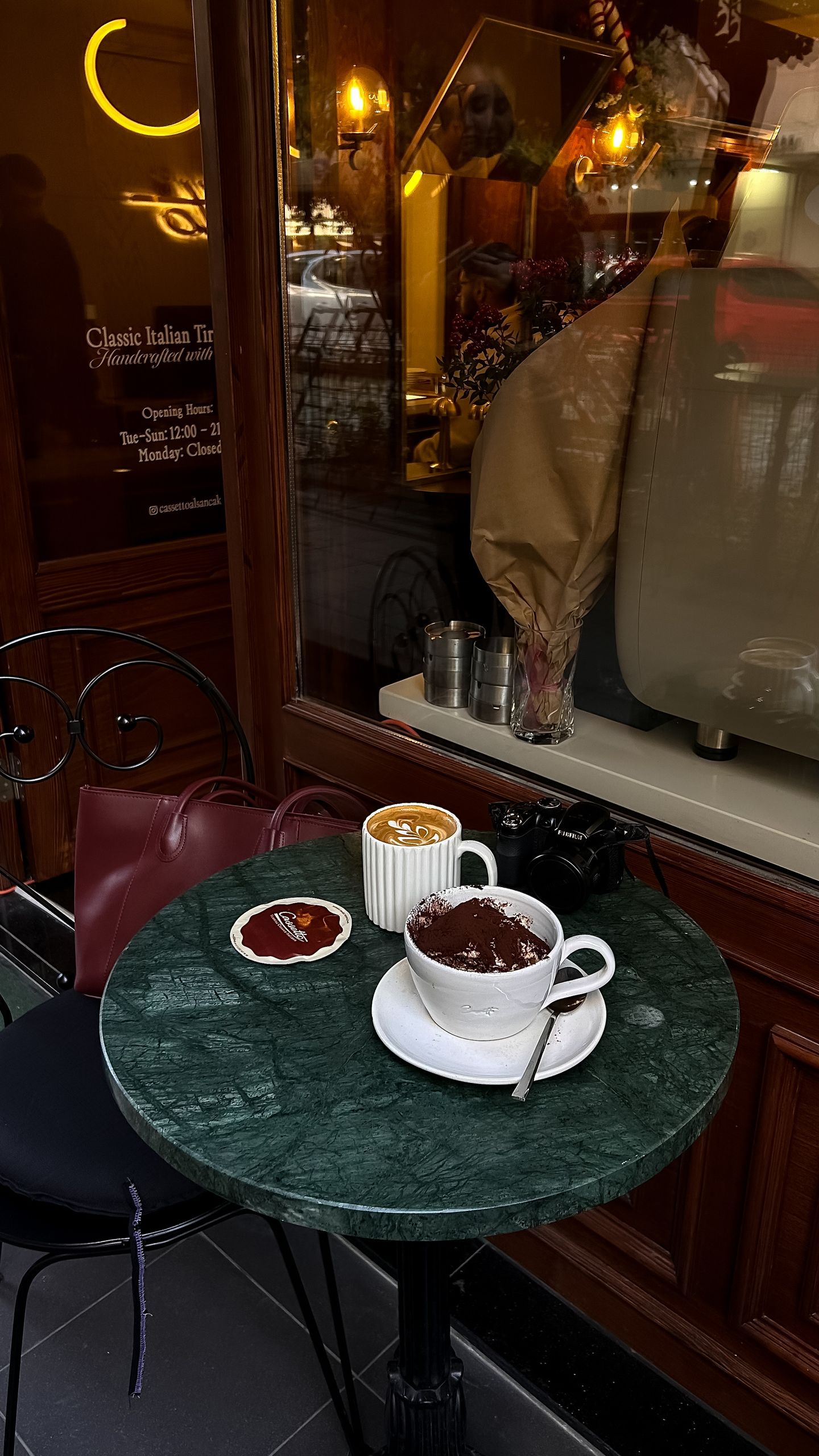
On my first morning in a new city, I walked into a small café because I needed coffee and a place to sit while I figured out the day. I chose a table near the window, ordered by pointing at the menu more than I would have liked, and watched people move through a routine I did not yet understand.
The next morning, I returned.
This time, I knew which door to use, where the line formed, and how quickly I needed to decide. By the third visit, the room had stopped feeling entirely unfamiliar.
Finding a neighborhood café abroad can make a city feel less intimidating. It gives me a familiar door, a small routine, and one place where I do not have to begin from the beginning every day.
The First Door I Open Twice
Returning changes a place.
During the first visit, I notice everything because I understand almost nothing. I watch where people order, whether they carry their cups to the table, and how long customers remain after finishing their drinks.
The second visit asks less of me. I remember the layout and recognize the person behind the counter, even when neither of us knows the other’s name.
That familiarity matters more than it might appear. Travel requires a constant stream of small decisions, especially when I move alone through a city whose habits differ from mine.
A café reduces one part of that uncertainty. I know where to sit, what to order, and how the room sounds in the morning.
Coffee With a Local Rhythm
The drink itself tells me only part of the story.
A neighborhood café reveals when people begin work, whether they drink coffee quickly at the counter, and how much space the culture allows for lingering. Greetings may feel formal, playful, efficient, or warm depending on the hour and the relationship between the customer and the person serving.
Some people enter, exchange a few words, and leave within minutes. Others settle at the same table with a newspaper, laptop, or friend.
Watching those patterns helps me understand the pace of the neighborhood without reducing it to a list of attractions.
This connects with what I have learned about choosing presence over pace through slow travel. A city begins to feel more legible when I stop rushing through it long enough to notice repetition.
A Temporary Regular
Becoming a temporary regular gives me a modest kind of belonging.
I do not know the neighborhood as residents do. I lack the history, relationships, and responsibilities that shape their experience of the place.
Still, repetition creates recognition.
The person behind the counter may remember my order. A familiar customer nods when I enter, and I stop checking the menu because I already know what I want.
Those small exchanges ground me.
I do not belong fully, but I belong enough to feel less anonymous. The café becomes a point of orientation in a city that still contains many unfamiliar streets.
The Room Teaches Me How the City Feels
Restaurants and cafés reveal a city through ordinary behavior.
Service may move quickly because customers expect efficiency. Another place allows conversations to stretch while cups remain on the table long after the coffee disappears.
People meet colleagues, relatives, neighbors, dates, and friends in the same room. The café holds work, pleasure, solitude, and community at once.
That is why local restaurants teach me how a city feels. Menus matter, but the room tells another story through tone, timing, and who seems comfortable staying.
A polished travel guide can identify a celebrated café. Returning to a modest neighborhood place shows me how people actually use it.
Not Every Café Welcomes Lingering
Travelers often romanticize cafés as places where anyone can sit for hours and absorb local life.
That freedom depends on context.
A busy shop with limited seating may need customers to leave once they finish. Laptop use can reduce turnover, while one low-cost order may not justify occupying a table throughout the morning.
I try to pay attention rather than assume every café follows the customs I prefer.
When the room grows crowded, I can order something else or make space. If staff members begin clearing tables with purpose, the signal may be clear even without direct language.
Being a good temporary regular means respecting the business that makes the routine possible.
The Café Is Also a Workplace
Comfort for the customer depends on labor.
Someone arrives early, prepares the room, checks supplies, pulls espresso, washes dishes, handles money, and responds to people who have not yet fully entered the day.
Regular customers may enjoy easy conversation with the staff, but familiarity should not erase the work involved.
A barista does not owe me friendship because I return several mornings in a row. Warm service can feel personal without becoming personal access.
Respect includes ordering clearly, learning a few useful words when possible, paying attention to local tipping practices, and understanding when the person working has no time for conversation.
The café feels welcoming because people maintain it. Their labor deserves visibility alongside the atmosphere I enjoy.
A Familiar Table Can Support Solo Travel
Solo travel gives me freedom, but it also requires emotional energy.
I make every decision, solve each problem, and often spend long stretches without the easy companionship of someone who knows me well.
A familiar café softens that independence.
I can sit alone without feeling isolated because the room contains a shared rhythm. Other people come and go around me while I write, plan, or simply drink coffee.
That balance suits me. I retain the freedom of being alone without needing every hour to feel solitary.
The café becomes a public room where I can rest without explaining why I am there.
Returning Helps Me Notice Change
A single visit captures only one version of a place.
Morning customers differ from the afternoon crowd. Rain changes where people sit, while weekends bring another pace entirely.
Returning allows me to notice those shifts.
A quiet table may become the center of a lively conversation the next day. The pastry case changes, a familiar worker has the morning off, or sunlight reaches a part of the room I had not noticed before.
Repetition does not make the experience dull. It gives small differences enough contrast to become visible.
That is one reason slow travel stays with me. Familiarity makes detail possible.
Choosing Where I Stay Shapes What I Discover
Lodging affects the kind of city I encounter each morning.
A stay in a residential neighborhood may place me near bakeries, cafés, parks, and grocery stores that serve local routines rather than visitor demand. Budget-minded accommodations available through Hostelworld can make that kind of longer stay more accessible when location, reviews, and transportation align with my needs.
Wherever I stay, I look beyond the closest tourist corridor.
A short walk can lead to the café where neighbors greet one another, workers stop before a shift, and people occupy the room without treating it as an attraction.
The location changes what becomes part of my routine.
Guided Experiences Add Context, but Returning Adds Texture
A knowledgeable guide can explain the history of a neighborhood, its architecture, migration patterns, and cultural traditions.
Experiences available through GetYourGuide can provide that foundation when local guides connect visible places to the communities that shaped them.
Returning to a café offers something different.
The guide gives me context. Repetition gives me texture.
I notice what happens when nobody performs the neighborhood for visitors. People order breakfast, complain about work, greet friends, and continue the ordinary business of living.
Both forms of attention matter. History helps me understand the place, while routine lets me observe how daily life moves through it now.

A DG Speaks Recommendation
I want more years to wander slowly, build small routines, and feel at home in places that once felt unfamiliar
I partnered with Happy Aging to share products that support energy, vitality, and a life filled with movement, curiosity, and everyday connection.
Familiarity Should Not Become False Ownership
Returning several times can make a place feel like mine.
That feeling remains emotional rather than literal.
I am still a visitor. The café existed before my arrival and will continue after I leave. Staff members, regular customers, and neighborhood residents share relationships that extend far beyond the days I spent there.
Remembering that difference protects the experience from entitlement.
I can feel connected without claiming insider status. A few friendly exchanges do not make me an authority on the neighborhood or its people.
Temporary belonging works best when humility remains part of it.
The Antidote Is Not Chasing the Most Photogenic Place
Travel culture often rewards cafés that photograph well.
Beautiful interiors, dramatic views, elaborate drinks, and carefully styled pastries can make a place popular before visitors know anything about how it functions.
I enjoy visual beauty, but the most memorable café may not produce the strongest photograph.
Sometimes the room looks ordinary. The chairs do not match, the menu remains simple, and no one seems interested in creating a moment for social media.
What brings me back is how the place feels.
The antidote to chasing novelty is noticing comfort. A café earns meaning through repetition, not only visual impact.
The Café Lets Me Learn by Returning
On my final morning in that city, I went back to the same café.
The person behind the counter recognized me before I ordered. Nothing dramatic followed. We exchanged a greeting, I received my coffee, and I sat near the window where the trip had quietly begun.
That small recognition moved me more than I expected.
The city still held histories I did not understand, neighborhoods I had not visited, and routines that would never belong to me. Yet one corner had become familiar enough to soften the departure.
A neighborhood café abroad gives me more than coffee. It offers a point of return while everything else remains new.
Through repetition, I learn the room’s rhythm, recognize a few faces, and begin moving with slightly less uncertainty. The café does not turn me into a local.
It gives me somewhere to feel grounded while I remain a guest.
Sometimes a place starts opening through major experiences, historic sites, and long conversations. At other times, it begins with one familiar door that I choose to open again.
Continue exploring stories about cafés, cultural travel, neighborhood life, and the small routines that help unfamiliar places feel more human through DG Speaks Travel.