Why Public Art Makes Cities Feel Spoken For
I keep coming back to public art in cities because it gives me a way to think about the life I am building in real time. This is not a grand theory from a distance. It is something I notice while moving through the public spaces, private rituals, stories, and community habits that shape how people live.
Walls that refuse to stay silent
What pulls me in is usually a small detail. A person pausing before they speak. A meal arriving with more history than the menu explains. A street corner that feels different at noon than it does at dusk. A woman choosing herself in a way that looks quiet from the outside but feels enormous from within.
Those small details matter because they reveal how people actually live. They show values, pressure, memory, access, class, gender, and tenderness without needing to announce themselves. I trust the ordinary because the ordinary rarely lies for long.
This connects naturally with cultural travel writing, community resilience, and digital storytelling. I do not see these as separate boxes. Food, travel, culture, rest, storytelling, and women’s lives keep meeting each other in the same rooms.
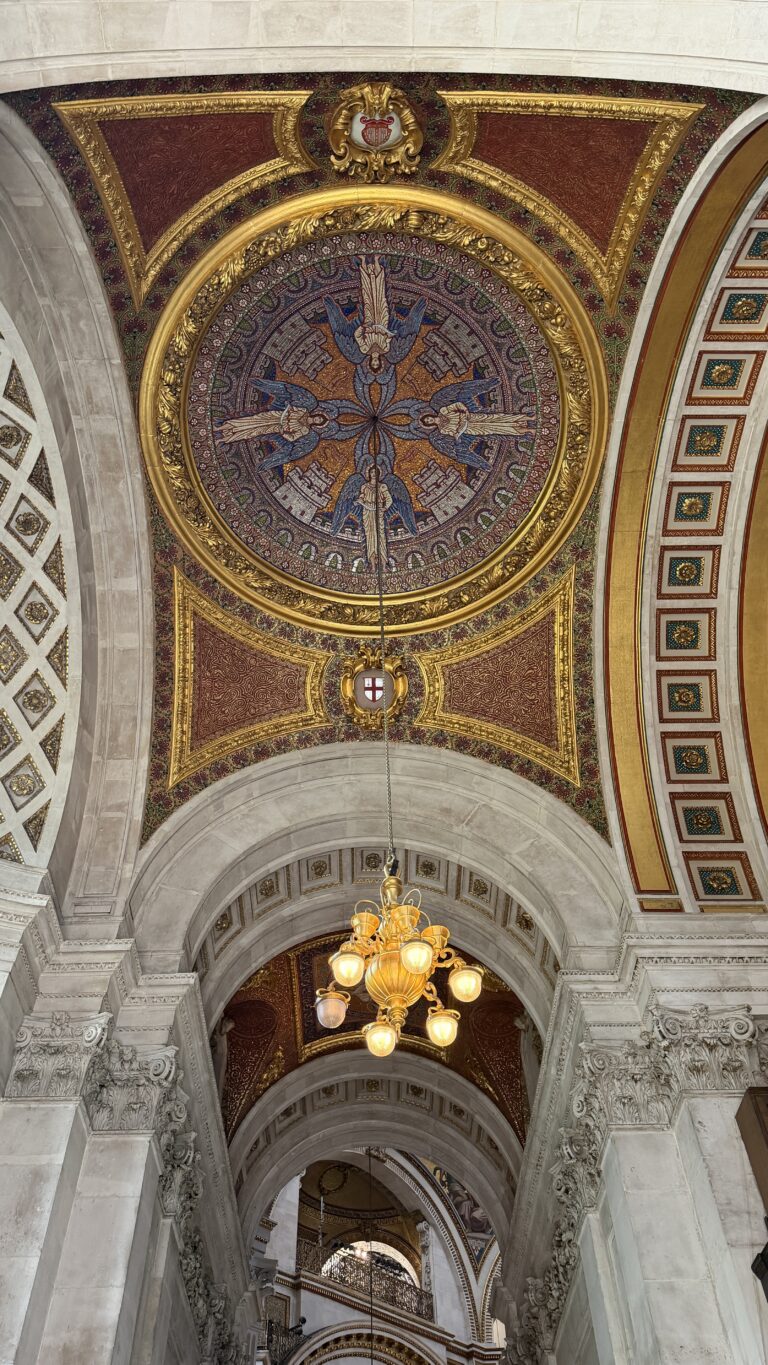
Art where people actually pass
Every time I slow down enough to notice, I see people more clearly. I see who is doing the work, who is being welcomed, who is being ignored, and who is creating beauty with limited room. That matters to me because I do not want to write only about what looks good. I want to write about what is true.
In 2018, I am thinking more and more about how easy it is to consume experiences without honoring the people behind them. A restaurant, a market, a park, a tour, or a neighborhood can all be enjoyable, but enjoyment should not make me careless. Pleasure and responsibility can sit together.
Who gets to mark the city
Practical tools have their place. Depending on the moment, I may use GetYourGuide for cultural experiences and Calm for reflection. But I never want the link, the product, or the booking to become the whole point. The point is to move through the world with more care, more ease, and more attention.
When I plan better, I can be more present. When I rest, I can listen better. When I eat with context, I enjoy the meal more. When I travel slowly, I stop treating places like backdrops and start treating them like homes that belong first to other people.
Why public beauty matters
The lesson I keep finding is that a meaningful life is built through attention. Not perfection. Not performance. Attention. The kind that asks what something reveals, who it affects, and why it deserves care.
That is what I want DG Speaks to hold: stories that begin with lived experience and open into something bigger. A table can become a lesson. A street can become a mirror. A quiet choice can become a declaration.
You might also enjoy DG Speaks Travel, DG Speaks Food, and DG Speaks Culture.