
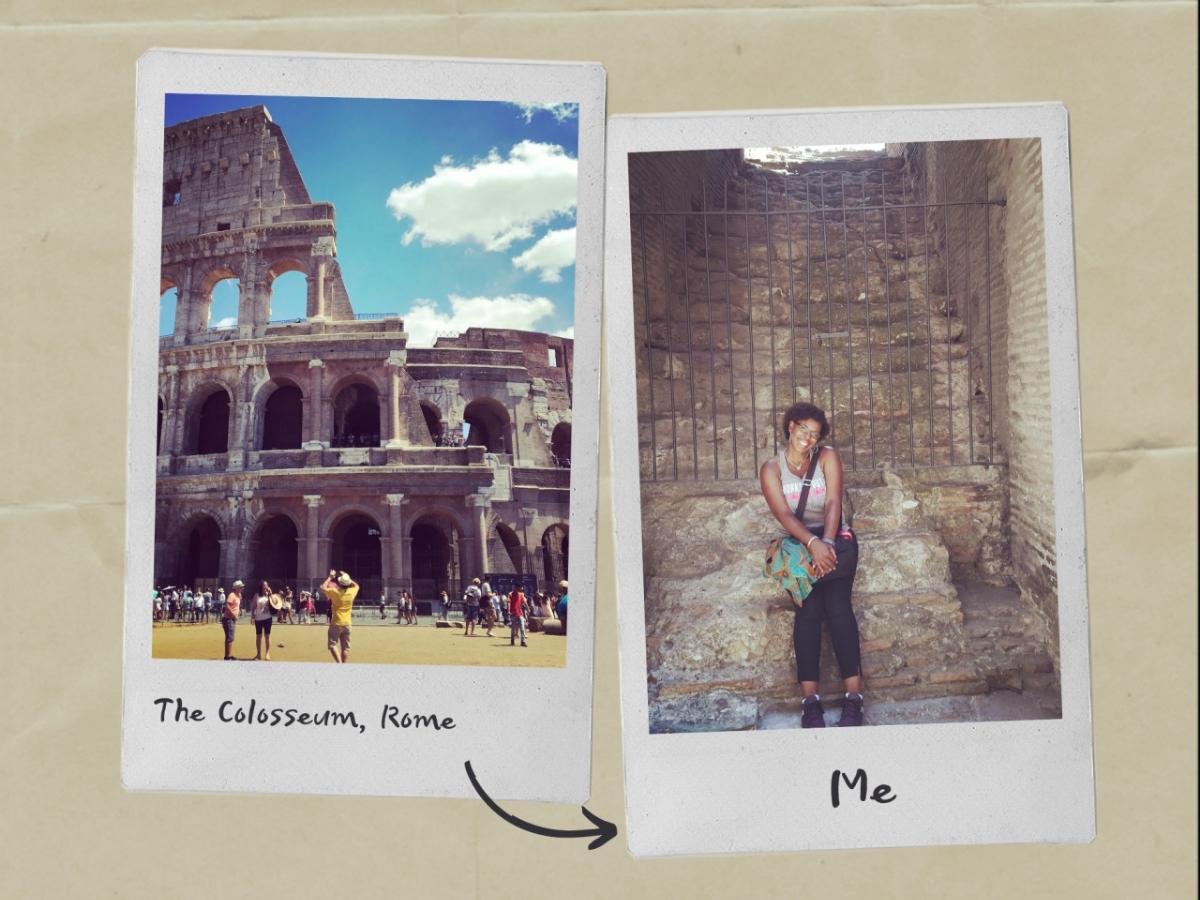
Rome Travel Guide
This Rome Travel Guide is for travelers who want more than a rushed tour of famous landmarks. Rome rewards curiosity. Its food, neighborhoods, ancient ruins, public spaces, and everyday rhythms reveal a city that is still shaping its story.
Rome can feel overwhelming at first. Everywhere you turn, another monument, church, fountain, archaeological site, or beautiful street demands your attention. However, the city becomes far more meaningful when you stop trying to see everything.
Give yourself time to wander. Sit in a neighborhood café. Watch people gather in the piazzas. Eat something made from a recipe that has survived for generations. Rome is not simply a place to visit. It is a place to experience slowly.
This article is part of the DG Speaks Italy Travel Guide, where you can find broader planning advice and more stories from across Italy.
Rome at a Glance
- Country: Italy
- Primary language: Italian
- Currency: Euro
- Main airports: Leonardo da Vinci–Fiumicino Airport and Ciampino Airport
- Emergency number: 112
- Recommended stay: At least four days
- Best for: History, architecture, food, museums, neighborhood walks, and cultural travel
What It Is Really Like Visiting Rome
Rome is loud, layered, crowded, imperfect, and unforgettable. Ancient ruins sit beside busy roads. Scooters weave through traffic while church bells ring above the rooftops. Laundry hangs from apartment windows only a short walk from some of the most famous monuments in the world.
That mix is part of what makes Rome special. The city does not separate its past from everyday life. Instead, history remains visible in its streets, buildings, fountains, public squares, and political institutions.
Rome’s identity includes the Roman Empire, Christianity, papal power, fascism, migration, resistance, tourism, and modern urban life. Therefore, understanding the city requires more than admiring beautiful ruins.
Its monuments reflect extraordinary creativity and engineering. However, they also raise questions about power, conquest, wealth, religion, labor, and who had the authority to shape public memory.
Best Time to Visit Rome
Spring and fall usually offer the best balance of comfortable weather and manageable crowds. April, May, September, and October are especially popular because the temperatures are often pleasant for walking.
Summer can be extremely hot, crowded, and expensive. In addition, long lines and limited shade can make sightseeing exhausting. If you visit during summer, schedule major outdoor attractions early in the morning.
Winter brings cooler weather and shorter days. However, it can also offer lower accommodation prices and fewer visitors. December remains busy around Christmas, while January and February may feel quieter.
How Many Days Do You Need in Rome?
I recommend spending at least four days in Rome during a first visit. That gives you enough time to experience the major historical sites without turning every day into a race.
Four days also leave room for neighborhood exploration, long meals, evening walks, and unexpected discoveries. After all, some of Rome’s best moments happen between the attractions you planned to see.
If you want to visit several museums, explore the city slowly, or take regional day trips, consider staying five to seven days.
Suggested Four-Day Rome Itinerary
Day One: Ancient Rome and Monti
Begin with the Colosseum, Roman Forum, and Palatine Hill. These sites deserve several hours, especially if you enjoy history and archaeology.
Afterward, walk into Monti for a slower afternoon. Stop for lunch, browse independent shops, and enjoy the contrast between ancient Rome and contemporary neighborhood life.
Day Two: Vatican City and Prati
Visit the Vatican Museums, Sistine Chapel, and St. Peter’s Basilica. Because this area becomes crowded quickly, reserve timed admission when possible.
Later, spend time in Prati or walk along the Tiber River. Prati offers broad streets, restaurants, shops, and a calmer atmosphere than the busiest parts of the historic center.
Day Three: Rome’s Historic Center
Walk through the historic center and visit the Pantheon, Piazza Navona, Trevi Fountain, and nearby streets. Although these landmarks attract large crowds, they remain essential parts of the Rome experience.
Still, do not spend the entire day moving from one famous location to another. Turn down side streets, enter smaller churches, and pause in quieter piazzas.
Day Four: Testaccio or a Day Trip
Use your final day to explore Testaccio, learn about Roman food traditions, and visit the neighborhood market. Alternatively, take a day trip to Ostia Antica, Tivoli, Frascati, or Orvieto.
Your choice should depend on your interests. Travelers who love food may prefer Testaccio, while history lovers may enjoy the archaeological remains at Ostia Antica.
Best Neighborhoods and Areas to Explore
Centro Storico
Centro Storico works well for first-time visitors who want to stay near major landmarks. You can walk to fountains, churches, piazzas, restaurants, and many of Rome’s most recognizable attractions.
However, this convenience often comes with higher prices, tourist crowds, and less neighborhood calm.
Monti
Monti sits close to the Colosseum and Roman Forum. The neighborhood includes cafés, wine bars, boutiques, vintage shops, and small public squares.
It is central enough for sightseeing but still offers pockets of local character.
Trastevere
Trastevere is famous for its narrow streets, ivy-covered buildings, restaurants, nightlife, and evening energy. It can feel charming, especially during a morning walk before the busiest crowds arrive.
However, parts of the neighborhood have become heavily shaped by tourism. Explore beyond the busiest restaurant streets for a fuller experience.
Prati
Prati offers a more orderly atmosphere near Vatican City. Its broad streets, shops, restaurants, and practical services make it a comfortable base for many travelers.
It may also appeal to visitors who want central access without staying in the middle of Rome’s busiest tourist district.
Testaccio
Testaccio is one of the best areas for understanding traditional Roman food culture. The neighborhood has deep connections to working-class history, markets, slaughterhouse labor, and the development of several well-known Roman dishes.
Come here for food, local history, and a more residential atmosphere.
Ostiense
Ostiense offers street art, industrial architecture, nightlife, and a different view of modern Rome. The area feels less polished than the historic center, but that is part of its appeal.
Top Things to Do in Rome
- Explore the Colosseum, Roman Forum, and Palatine Hill.
- Visit the Vatican Museums and St. Peter’s Basilica.
- Step inside the Pantheon.
- Walk through Piazza Navona and the surrounding streets.
- See the Trevi Fountain early in the morning or late at night.
- Explore Testaccio’s market and food traditions.
- Take an evening walk through Trastevere.
- Visit smaller museums, churches, and archaeological sites.
- Join a neighborhood walking tour or food experience.
- Spend time people-watching in a public piazza.
Treat this list as a starting point rather than a set of obligations. Rome will exhaust you if you try to complete every attraction in one visit.
A better approach is to plan one major attraction each day. Then, leave room for food, wandering, rest, and spontaneous discoveries.
What to Eat in Rome
Roman food often relies on a few simple ingredients prepared with confidence. Pasta, cheese, cured pork, seasonal vegetables, bread, and olive oil appear across many traditional dishes.
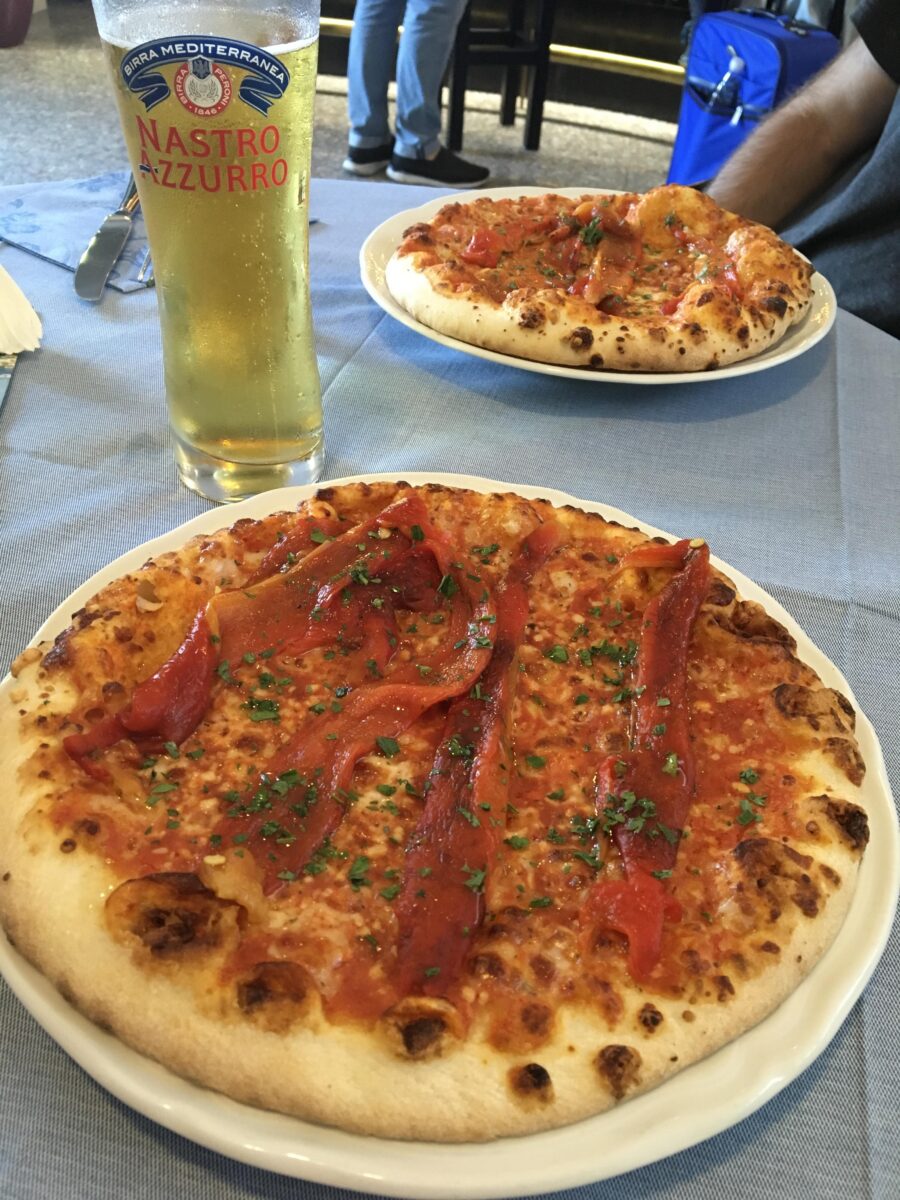
Look for carbonara, cacio e pepe, amatriciana, gricia, supplì, Roman-style pizza, saltimbocca, and seasonal artichokes.
However, remember that Italian food is highly regional. What feels familiar from an Italian American restaurant may not appear in the same form in Rome.
That includes pepperoni pizza. In Italy, the word peperoni refers to peppers. Therefore, ordering it may not produce the spicy meat-topped pizza many Americans expect.
Whenever possible, eat at independent restaurants, bakeries, cafés, markets, and businesses connected to local producers. Ask what is seasonal instead of searching only for the dishes you already know.
Food also provides a way to understand labor, agriculture, migration, class, and the relationship between Rome and the regions that supply it.
Culture and History in Rome
Rome’s beauty can make it easy to romanticize the city without questioning what its monuments represent. Yet many of those sites were created through conquest, forced labor, concentrated wealth, and systems that excluded most people from power.
The city later became a center of Christianity and papal authority. It also played a major role in Italian unification, fascism, war, migration, and contemporary European politics.
Museums provide valuable historical context. However, public art, memorials, neighborhood architecture, markets, places of worship, and conversations with residents can reveal just as much.
When you visit a major site, ask more than who built it. Consider who paid for it, who labored on it, whose stories it celebrates, and whose experiences remain missing.
Getting Around Rome
Rome has metro lines, buses, trams, regional trains, taxis, and ride-hailing options. Walking also works well within individual neighborhoods and the historic center.
However, the city is larger than it appears on a map. Cobblestones, heat, hills, crowded sidewalks, and long museum visits can make a short distance feel much longer.
Wear comfortable shoes and avoid packing every day with back-to-back reservations. Public transportation can experience delays, so leave extra time when traveling to an airport, train station, tour, or ticketed attraction.
Before arrival, save your accommodation address, download an offline map, and learn how local transportation tickets work. Validate tickets when required and keep them until the end of your journey.
Arriving in Rome
Most international travelers arrive through Leonardo da Vinci–Fiumicino Airport. Ciampino Airport also serves Rome, particularly for some European and low-cost flights.
Before landing, compare airport trains, buses, taxis, and private transfers. Your best choice will depend on your arrival time, budget, luggage, mobility, and accommodation location.
Use official taxi stands and confirm current fixed-fare rules before entering a vehicle. Avoid accepting unsolicited transportation offers inside or outside the terminal.
Money, Payments, and Tipping
Italy uses the Euro. Credit and debit cards are widely accepted, although carrying some cash remains helpful for markets, small businesses, public toilets, and minor purchases.
Bring more than one payment method and keep them in separate places. In addition, notify your bank of international travel when necessary.
Tipping in Rome does not usually follow the same expectations as tipping in the United States. Check your bill for service charges, including servizio or coperto, before adding more.
You can round up the bill or leave a modest amount for excellent service. However, large percentage-based tips are not always expected.
Traveling in Rome as a Solo Woman
Rome can be a rewarding city for solo women. The streets stay active into the evening, public transportation covers much of the city, and restaurants regularly serve people dining alone.
Still, unwanted attention, scams, and pickpocketing can occur. Use a secure crossbody bag, keep your phone away from the edge of café tables, and remain alert in crowded transportation areas.
Research the neighborhood as carefully as the accommodation itself. Strong property reviews matter, but you should also consider lighting, nearby transportation, late-night activity, and the walking route from the station.
Before going out at night, confirm how you will return. A place that feels close during the day may feel very different after public transportation becomes less frequent.
Traveling in Rome as a Black Traveler
Rome is an international city with residents and visitors from across Europe, Africa, Asia, the Americas, and the Middle East. Black travelers will see African communities, businesses, workers, students, families, and cultural influences throughout the city.
However, international diversity does not eliminate racism. Black travelers may encounter staring, stereotyping, intrusive questions, racial profiling, or uneven treatment.
Experiences differ greatly, and no single story represents every Black traveler. Still, it helps to research recent first-person accounts and identify welcoming businesses, cultural organizations, and community spaces before arrival.
Most importantly, do not let the possibility of bias convince you that you do not belong. Black travelers have every right to explore Rome, study its history, enjoy its food, and take up space within its public life.
Responsible Travel in Rome
Rome receives enormous numbers of visitors. Therefore, individual travel choices can affect housing, public spaces, local businesses, sanitation, and neighborhood life.
- Support locally owned restaurants, hotels, guides, markets, and shops.
- Respect residential neighborhoods and keep noise low at night.
- Never climb on, carve into, or damage historic monuments.
- Use refillable water bottles and public drinking fountains when appropriate.
- Ask before photographing residents, workers, or street vendors.
- Choose experiences that employ and compensate local guides fairly.
- Avoid treating religious traditions or cultural identities as costumes.
- Stay longer and move more slowly when your schedule allows.
What to Pack for Rome
- Comfortable walking shoes with good support
- A secure crossbody bag or anti-theft day bag
- Lightweight clothing for warm weather
- A scarf or layer for covering shoulders inside churches
- Sun protection, including sunscreen and a hat
- A reusable water bottle
- A portable charger
- A compact umbrella or rain jacket
- A European plug adapter
Rome involves more walking than many visitors expect. Therefore, prioritize comfort over shoes that only look good in photographs.
Best Day Trips from Rome
Ostia Antica
Ostia Antica offers extensive archaeological remains from Rome’s ancient port city. It is an excellent choice for travelers who want more ancient history without traveling far from Rome.
Tivoli
Tivoli is known for historic villas, gardens, fountains, and hillside scenery. It works well for travelers who enjoy architecture and landscaped estates.
Frascati
Frascati offers wine traditions, food, and a slower atmosphere within reach of Rome. It may appeal to travelers looking for a relaxed break from the city.
Orvieto
Orvieto sits above the Umbrian countryside and features a striking cathedral, historic streets, and underground spaces. Although it can work as a day trip, an overnight stay allows more time to enjoy the town.
Choose a day trip based on travel time, season, and your energy level. Sometimes staying in Rome and exploring another neighborhood creates a richer experience than spending hours in transit.
Plan Your Rome Travel Experience
You can browse walking tours, food experiences, museum tickets, day trips, and cultural activities through GetYourGuide.
Budget and solo travelers can compare hostels and other accommodations through Hostelworld.
For travel medical coverage, compare available plans through SafetyWing.
Travelers who need help reviewing visa requirements can explore available services through iVisa.
You can also browse my curated luggage, travel accessories, clothing, and other essentials through the DG Speaks Amazon shop.
Some links on this page are affiliate links. If you make a purchase through one of these links, DG Speaks may earn a commission at no additional cost to you. These partnerships help support independent travel storytelling.
Frequently Asked Questions About Rome
How many days do I need in Rome?
Plan at least four days for a first visit to Rome. Add more time if you want to explore several neighborhoods, visit multiple museums, or take regional day trips.
Is Rome a walkable city?
Many central areas are walkable. However, Rome is large, and cobblestones, traffic, hills, heat, and long distances can make walking tiring. Combine walking with public transportation when needed.
What is the best way to get around Rome?
Walking, metro lines, buses, trams, taxis, and regional trains cover most visitor needs. Leave extra time because delays and crowded vehicles are common.
What should I eat in Rome?
Start with carbonara, cacio e pepe, amatriciana, gricia, supplì, Roman-style pizza, and seasonal artichokes. Then, ask residents and independent restaurant owners what they recommend.
Is Rome suitable for solo travel?
Yes, Rome can be a rewarding destination for solo travelers. However, neighborhood research, secure belongings, reliable transportation, and situational awareness remain important.
Do I need to cover my shoulders in Rome’s churches?
Many churches and religious sites expect visitors to cover their shoulders and knees. Carrying a lightweight scarf or extra layer makes it easier to enter respectfully.
Should I book Rome attractions in advance?
Advance reservations are helpful for popular attractions such as the Colosseum and Vatican Museums. Timed tickets can reduce uncertainty and help you plan the rest of your day.
Final Thoughts on Visiting Rome
Rome is more than a collection of famous landmarks. It is a living city shaped by ancient power, religion, migration, food, work, politics, art, and the people who call it home.
Of course, you should see the Colosseum, Vatican Museums, Pantheon, and fountains. However, do not become so focused on checking boxes that you miss the life happening around them.
Choose fewer activities. Walk a little farther. Sit down for a meal. Talk to people. Look beyond the postcard view and ask better questions.
Those choices can transform an ordinary city break into a meaningful travel story that stays with you long after you leave.
More DG Speaks Stories About Rome
When in Rome: Italians Don’t Do Pepperoni and the Vatican Has All Your Stuff
