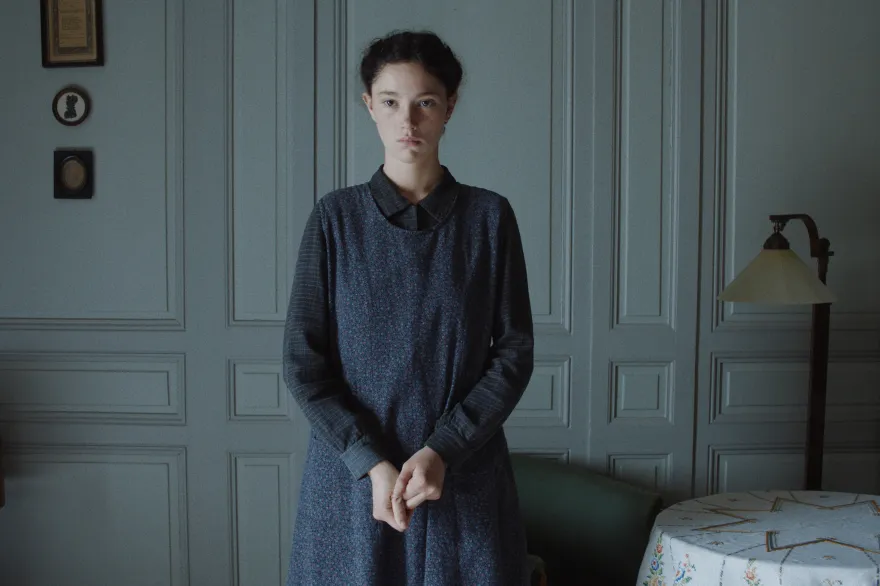
Silent Rebellion Review: A Quiet Film With a Brutal Message
Spoiler warning: This review discusses key plot points from Silent Rebellion.
Some Stories Refuse to Let You Look Away
On the third night of Porto Femme International Film Festival, I found myself back at Batalha Centro de Cinema after a quick midweek escape to Guimarães, settling into my seat for what would become one of the most emotionally difficult screenings I’ve experienced so far.
Silent Rebellion, directed by Marie-Elsa Sgualdo in her feature debut, unfolds slowly and quietly, drawing viewers into its world in such a measured way that by the time its full emotional force lands, you are already deeply inside it.
Set in rural Switzerland in 1943, during the height of World War II, the film follows Emma, a 15-year-old girl living in a strict Protestant village near the French border. Her life changes irrevocably after she is raped by Louis, a visiting bourgeois young man, and becomes pregnant in a society where silence is expected of women and compassion is conditional.
This is not an easy watch. It is somber and, at times, devastating. Yet it is beautifully crafted, emotionally intelligent, and painfully relevant.
The Dangerous Romance of Female Obedience
As I watched Emma move through this world, I could not stop thinking about the “trad wife” aesthetic that has become increasingly popular across social media.
We have all seen it: soft-focus videos of women baking bread in flowing dresses, smiling sweetly in spotless kitchens while presenting submission as peace and domestic dependence as fulfillment. The aesthetic is seductive because it sells comfort and simplicity. It romanticizes a life in which a woman is protected and provided for.
But Silent Rebellion exposes the darker side of that fantasy.
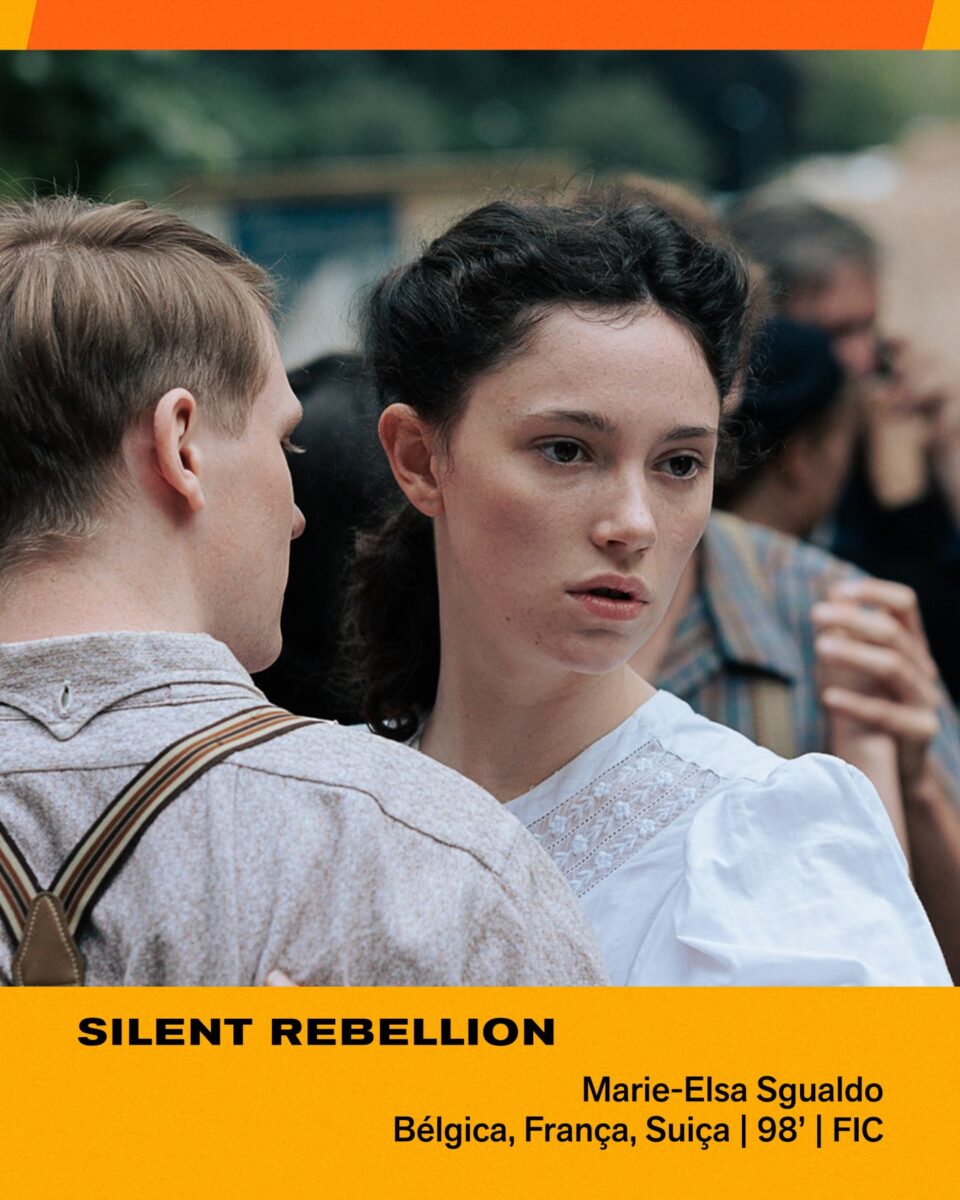
Emma has been raised to obey. She has been taught to be quiet, pious, and agreeable. She has learned that her value lies in compliance rather than in questioning authority or advocating for herself. So when Louis corners and rapes her, she freezes.
That moment will likely frustrate viewers who still misunderstand trauma. People often ask why women do not scream, fight, or run, but the truth is more complicated. Freezing is a trauma response. Compliance can be survival. And when girls are raised never to use their voices, they often lose access to them in the moments they need them most.
The film handles that reality with remarkable sensitivity.
When Choice Becomes a Matter of Survival
One of the most harrowing scenes in the film comes when Emma attempts to perform an abortion on herself using a wire hanger.
It is graphic, horrifying, and deeply difficult to watch.
As an American woman in 2026, I could not help but view that moment through the lens of the current attacks on reproductive rights in the United States. Watching Emma in that moment felt less like watching history and more like confronting a warning.
The scene forces viewers to sit with the consequences of denying women access to safe medical care.
Emma eventually seeks help from a doctor, only to be refused because of his religious convictions. That moment struck me deeply because it mirrors debates happening right now in real life. What happens when ideology overrides care? What happens when the people with the power to help decide that a woman’s suffering is morally acceptable?
The film does not offer easy answers, but it shows the consequences with devastating clarity.
A Village Built on Silence and Contradiction
The setting itself becomes a character in this story.
This Swiss village prides itself on morality, religion, and neutrality. Yet beneath that image lies a culture of hypocrisy. Refugees are turned away. Jews are handed over to Nazis. Women are expected to carry shame while men escape accountability.
The same community that speaks of virtue offers little mercy to Emma once her pregnancy becomes visible.
That contradiction mirrors Emma’s own experience. She is surrounded by people who speak of goodness while protecting systems of violence and silence. She is judged for what has happened to her while the man responsible moves freely.
The film makes a powerful statement about the ways morality is often weaponized to preserve power rather than protect the vulnerable.
A Performance Carried in the Eyes
Much of the emotional weight of Silent Rebellion rests on Lila Gueneau, who delivers a remarkable performance as Emma.
Her portrayal is restrained and nuanced. She does not rely on dramatic speeches or exaggerated emotion. Instead, she conveys Emma’s pain through subtle shifts in expression, posture, and body language.
Her eyes carry much of the story.
Emma’s transformation is gradual and believable. She does not suddenly become fearless. Rather, she slowly begins to reclaim pieces of herself and finds determination where there was once only resignation.
The supporting cast adds richness to Emma’s world, particularly Thomas Doret as Paul and Grégoire Colin as Pastor Robert.
When Silence Becomes Its Own Language
Visually, the film is stunning.
The cinematography by Benoît Dervaux wraps the Swiss countryside in muted grays and cold light, creating a world that feels perpetually overcast. Even moments of beauty feel heavy, as though the sky itself is burdened.
That atmosphere mirrors Emma’s emotional landscape.
The sound design is equally effective. The film leans heavily on diegetic sound: footsteps, breathing, rustling fabric, creaking doors, and the unsettling stillness of silence.
The absence of a sweeping score makes the tension feel more intimate.
In a film about a girl learning to reclaim her voice, silence becomes part of the storytelling.
The Quietest Films Often Speak the Loudest
Silent Rebellion is not entertainment in the traditional sense. This film isn’t light, easy, or comforting.
It is painful. It is haunting. And at times, it is almost unbearable.
But it is also necessary.
Emma’s story is one of survival and resilience. It is the story of a young woman slowly reclaiming her voice in a world determined to silence her. In a time when women’s autonomy is still being debated, restricted, and denied across much of the world, this film feels less like a historical drama and more like a mirror.
This was one of the hardest films I’ve watched at Porto Femme so far.
It was also one of the most powerful.