Smith Commons Again: A Gastropub Return and the Memory of DC Nights
Smith Commons pulled me back again, and that says something. Restaurants earn return visits when they give people a feeling worth repeating. A meal does not have to be perfect to become part of your city life. It has to feel useful, welcoming, and alive.
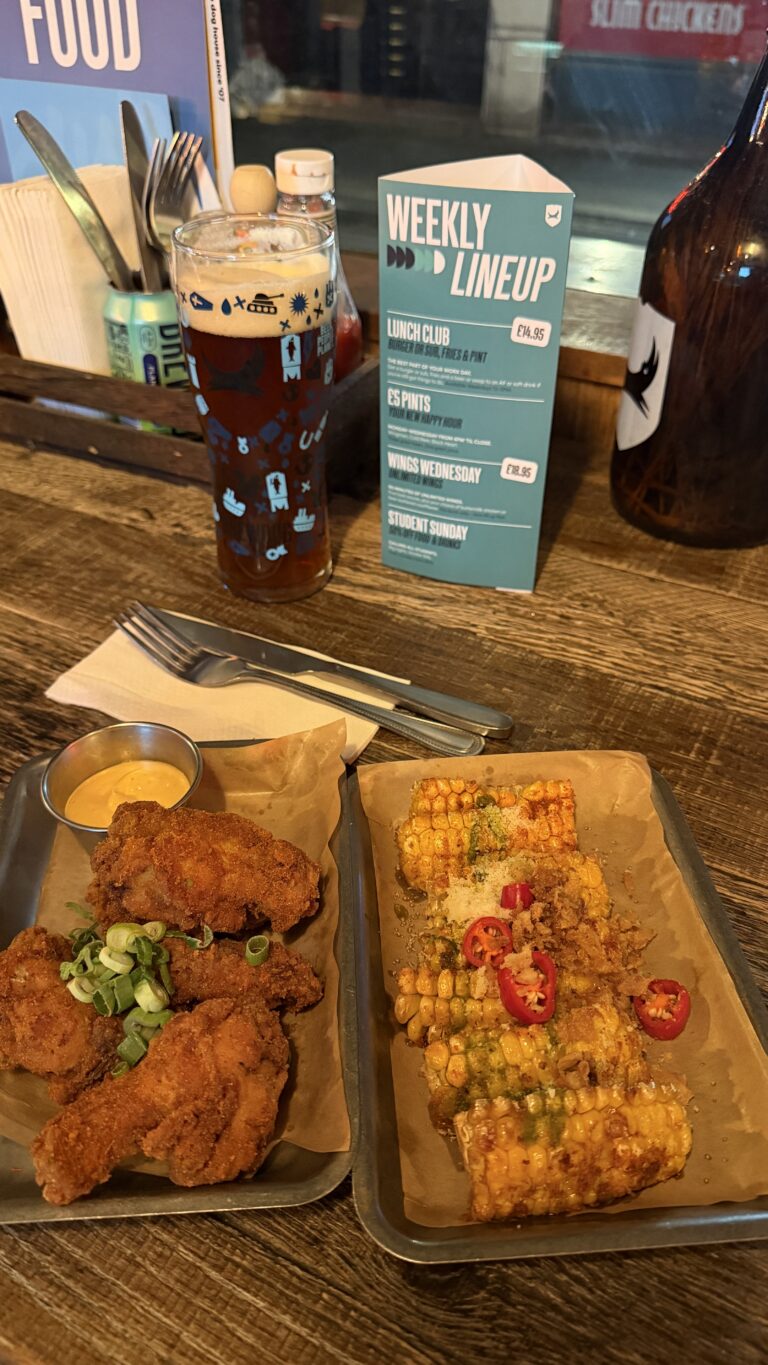
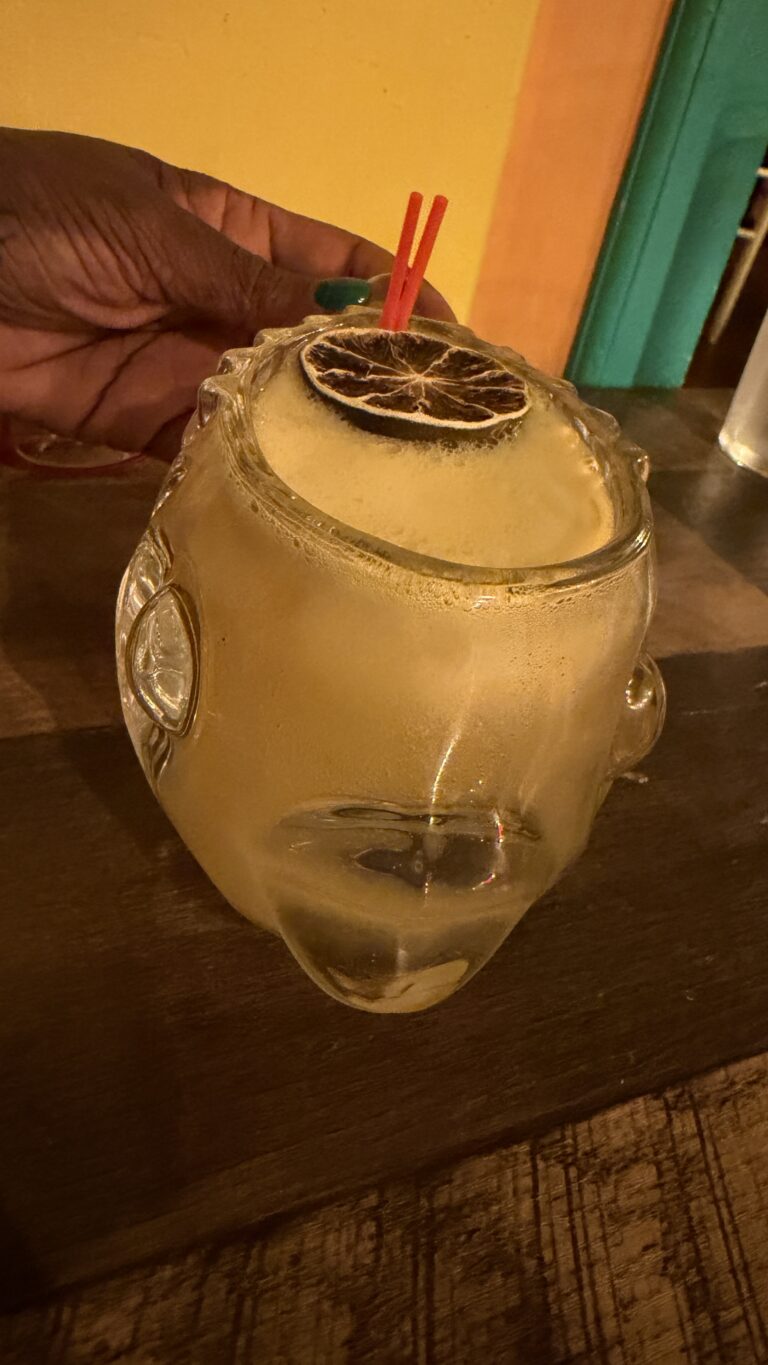
By this visit, Smith Commons already carried the mood of a familiar DC gastropub. It offered food, drinks, conversation, and that easy social energy people need after the workday or during a relaxed evening out.
Because the restaurant is now closed, writing about it feels like preserving a small piece of the city. Closed restaurants are not failures in memory. They are chapters. They fed people, held conversations, and helped shape the neighborhood for a while.
Returning to a Neighborhood Table
The aesthetics felt urban and comfortable. Smith Commons had enough style to feel intentional, but it still left room for people to be themselves. That matters in a city where too many spaces can feel performative.
Gastropub food tends to meet people where they are. It brings comfort, casual creativity, and a relaxed sense of occasion. You can come hungry, come with friends, or come because you need a room that asks less of you.
That kind of hospitality deserves attention. It supports social life in ways that are easy to underestimate.
What Another Visit Revealed About DC
This return revealed a Washington that builds community through repeated gathering. The first visit introduces a place. The second visit begins a relationship. Over time, restaurants become markers in our personal map of the city.
Food, culture, history, and community intersect here through rhythm. Neighborhood restaurants help people create routines. They become places where birthdays happen, friendships deepen, and ordinary evenings gain a little texture.
Smith Commons fit that role well. It did not need to be a monument. It only needed to make room for people.
The Bigger Lesson in Places That Close
This experience taught me that we should write about restaurants while they are here and remember them after they are gone. A city’s food history includes the places that no longer have signs on the door.
Smith Commons was worth caring about because it gave DC diners a social space with warmth and personality. Its memory still helps tell the story of how people gathered in the city during this time.
For more stories about food and changing cities, visit DG Speaks Food and DG Speaks Travel.