Taste of DC Reminded Me That Food Tells the Truth
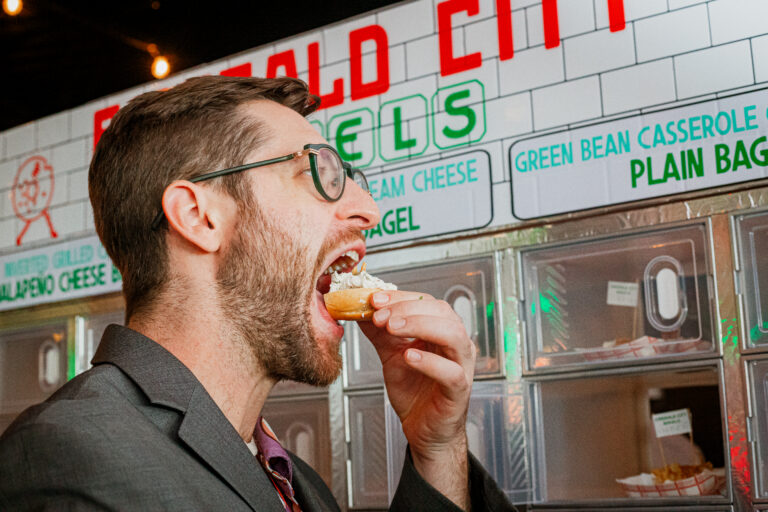
Taste of DC gave me exactly what I wanted tonight: food, movement, conversation, and a reminder that a city often tells the truth through what it feeds people.
I love a food festival because it allows a person to wander without pretending to have the whole city figured out. One booth might offer comfort. Another might offer surprise. Then, just when you think you know what you want, a smell from across the walkway changes your mind.
A City Served One Bite at a Time
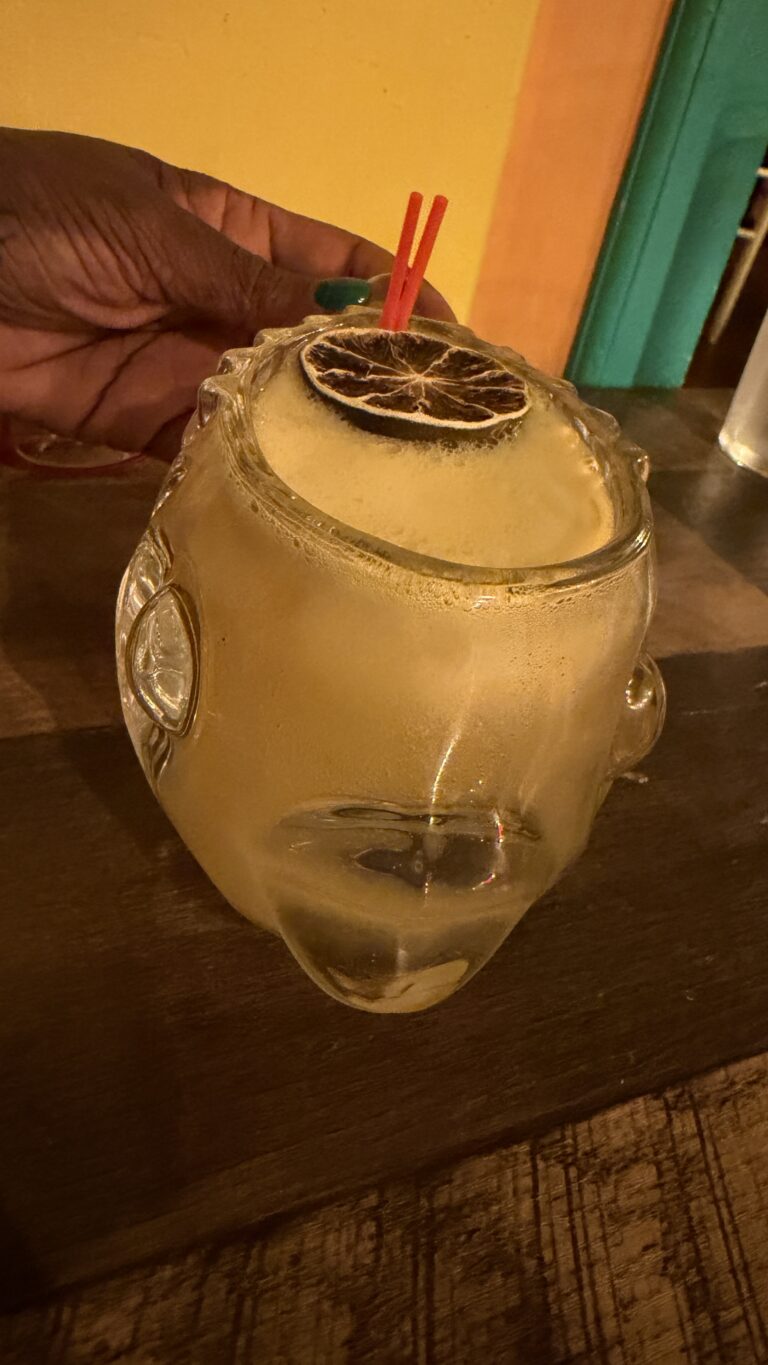
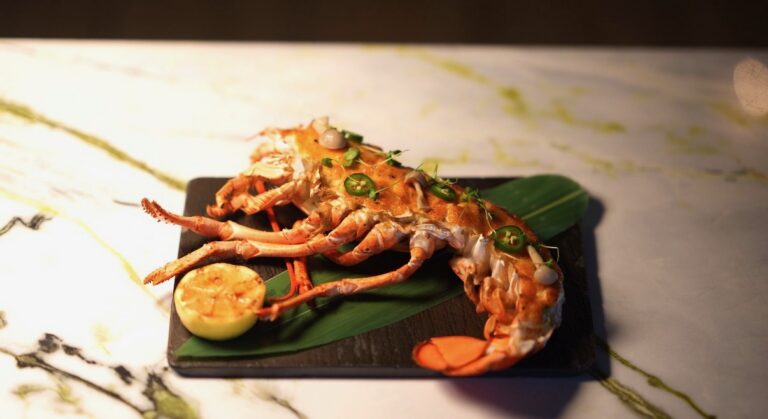
Washington can feel formal from a distance. People think of suits, hearings, motorcades, and monuments. Yet the food scene tells another story. It is Caribbean, Ethiopian, Salvadoran, Southern, Korean, West African, vegan, seafood-heavy, cocktail-forward, and constantly shifting.
That mix is why I enjoy writing about restaurants and food culture. A meal can reveal migration, memory, class, celebration, and survival without announcing any of those themes too loudly. Food simply shows up on the plate and lets us begin there.
I kept thinking about the way I approach food systems and local resilience. The policy side matters, but so does pleasure. People deserve food that nourishes them, yes. They also deserve food that brings joy.
The Pleasure of Not Overplanning
My favorite part of Taste of DC was the freedom to follow curiosity. I did not need a formal itinerary. I just needed enough appetite to keep exploring and enough patience to let the evening unfold.
That is also my favorite way to travel. I like having a few anchors, then leaving room for whatever the street, market, festival, or neighborhood wants to show me. When I do want a structured experience, especially in a new city, I browse food and culture tours through GetYourGuide.
Food Festivals Are Cultural Archives
A festival like this can look casual, but it holds a record of what a city values at a particular moment. Which chefs are present? Which cuisines get long lines? Which neighborhoods are represented? Which stories are missing?
Those questions matter because food media can sometimes chase what is trendy while ignoring what is foundational. I am more interested in the full table. I want the fine dining room, the carryout counter, the family recipe, the immigrant-owned café, the neighborhood bar, and the grandmother who knows exactly how something should taste.
That is why I keep making room for food stories on DG Speaks, from local discoveries to travel meals like Bonita Wine Bar in Porto. The setting changes, but the question remains the same: what does this meal reveal about the people who made it possible?
What I Would Tell a Visitor
If you are visiting Washington, do not only eat near the places everyone photographs. Wander farther. Ask people what they actually eat. Try something unfamiliar. Make time for markets, festivals, and neighborhoods where the city feels lived in rather than staged.
Also, pack the practical things. Comfortable shoes, a portable charger, and a bag that leaves your hands free can change the whole day. I keep a running list of useful travel and event items in my Amazon storefront.
Leaving Full in More Ways Than One
By the time I left, I felt full in the best way. Not just from the food, but from the reminder that culture is never abstract. It is tasted, shared, passed down, remixed, and carried home in small containers when we cannot bear to leave the last bite behind.