The Food That Feels Like a Love Letter to Place
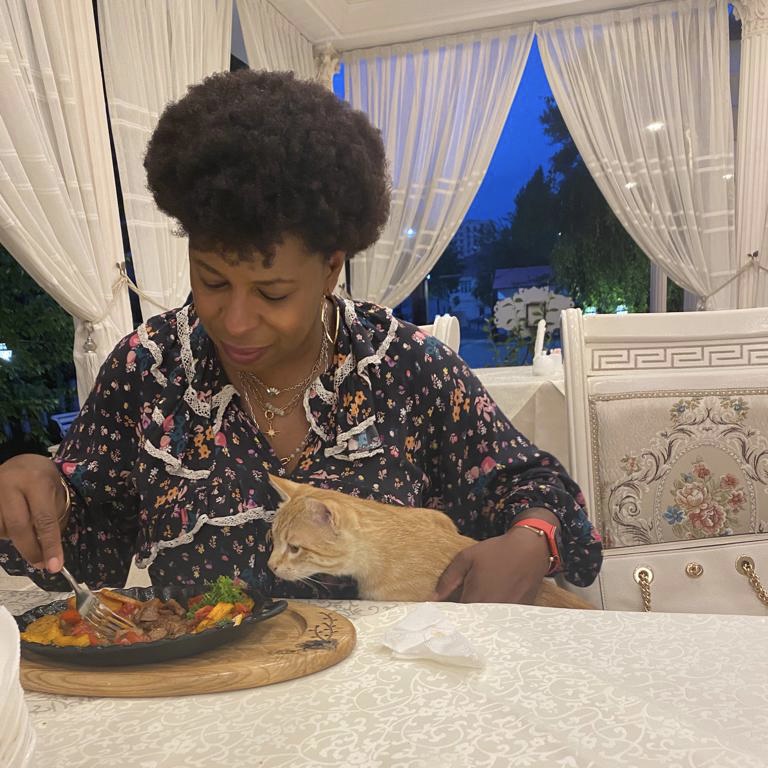
I have eaten beautiful meals in elegant dining rooms, lively markets, roadside cafés, and family kitchens. Some impressed me because of the technique. Others stood out because of the setting. However, the meals I remember most always had something deeper to offer. They tasted like they belonged exactly where I found them. The food that feels like a love letter to place tells a story before the first bite and keeps telling it long after the plate is empty.
Whenever I travel, I look for those meals. I want to understand what people grow, what they celebrate, what they preserve, and what they refuse to forget. Eventually, I realized I was not only searching for great food. I was searching for places that still recognized themselves through what they served.
Every Recipe Carries a Landscape
No recipe appears by accident. Climate shapes ingredients. Geography influences trade. History leaves fingerprints on every kitchen. Because of that, I never think of food as separate from place.
The UNESCO Intangible Cultural Heritage programme recognizes traditions around the world because culture lives through memory, practice, and community. Food carries those same layers. A bowl of soup, a loaf of bread, or a simple seafood stew can reveal as much about a destination as its museums or monuments.
That perspective explains why I often connect restaurant reviews with stories about food memories and local restaurants. Together, they reveal how communities express identity through the table.
The Best Meals Teach Me Something
I appreciate technical skill, but I remember meals that answer bigger questions. Why did this community choose these ingredients? Which cultures influenced this recipe? What traditions survived because someone refused to let them disappear?
Sometimes a single dish tells the story of migration. Other times, it reflects resilience after hardship or celebrates abundance during harvest season. Either way, I leave the table understanding the place a little better than I did before I sat down.
Whenever I travel, I also look beyond restaurant menus. Local markets, neighborhood bakeries, and regional food traditions often reveal as much about a destination as its landmarks. The Slow Food movement reminds us that protecting local food cultures also protects biodiversity, heritage, and the people who keep those traditions alive.
Restaurants Become Cultural Ambassadors
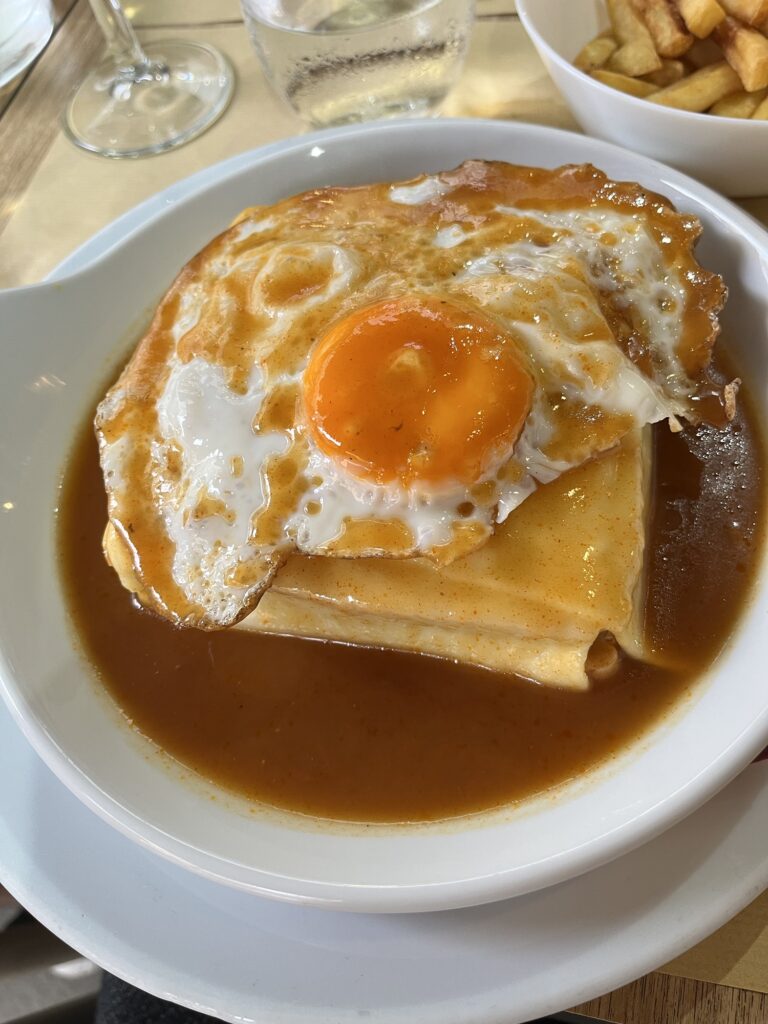
The restaurants I recommend most rarely serve food alone. They also share history, hospitality, and pride. Staff members explain local ingredients. Chefs preserve family recipes. Owners tell stories that connect today’s menu with yesterday’s traditions.
Consequently, those meals feel personal instead of performative. They invite visitors into the culture instead of simply entertaining tourists. That difference matters because authentic hospitality always creates connection before it creates content.
Travel With Curiosity, Not Just an Appetite
Whenever I book culinary experiences through GetYourGuide, I look for tours that introduce me to local markets, family-owned restaurants, and neighborhood food traditions instead of simply offering tasting stops. I want to understand the people behind the plate as much as the food on it.
Good food satisfies hunger. Great food introduces us to a place. The very best meals accomplish something even rarer. They leave us carrying a deeper appreciation for the people who created them and the community that continues to keep those traditions alive.
That is why I keep searching for food that feels like a love letter to place. Every unforgettable meal reminds me that culture is not only something we visit. Sometimes we can taste it.
You might also enjoy exploring DG Speaks Food, DG Speaks Travel, and DG Speaks Culture.