The Smith Penn Quarter: Brasserie Comfort in the Middle of DC’s Theater District
The Smith Penn Quarter felt like exactly the kind of restaurant that belongs in the middle of Washington’s theater district. It had that polished city energy, but it still knew how to serve comfort. That balance matters in a neighborhood where people are often moving between work, shows, museums, and dinner plans.
Penn Quarter carries a particular rhythm. It is historic, busy, cultural, and constantly shifting. One minute, you are walking past a museum. The next, you are near a theater, a hotel, or a restaurant filled with people catching up before the evening begins. The Smith fit right into that movement.
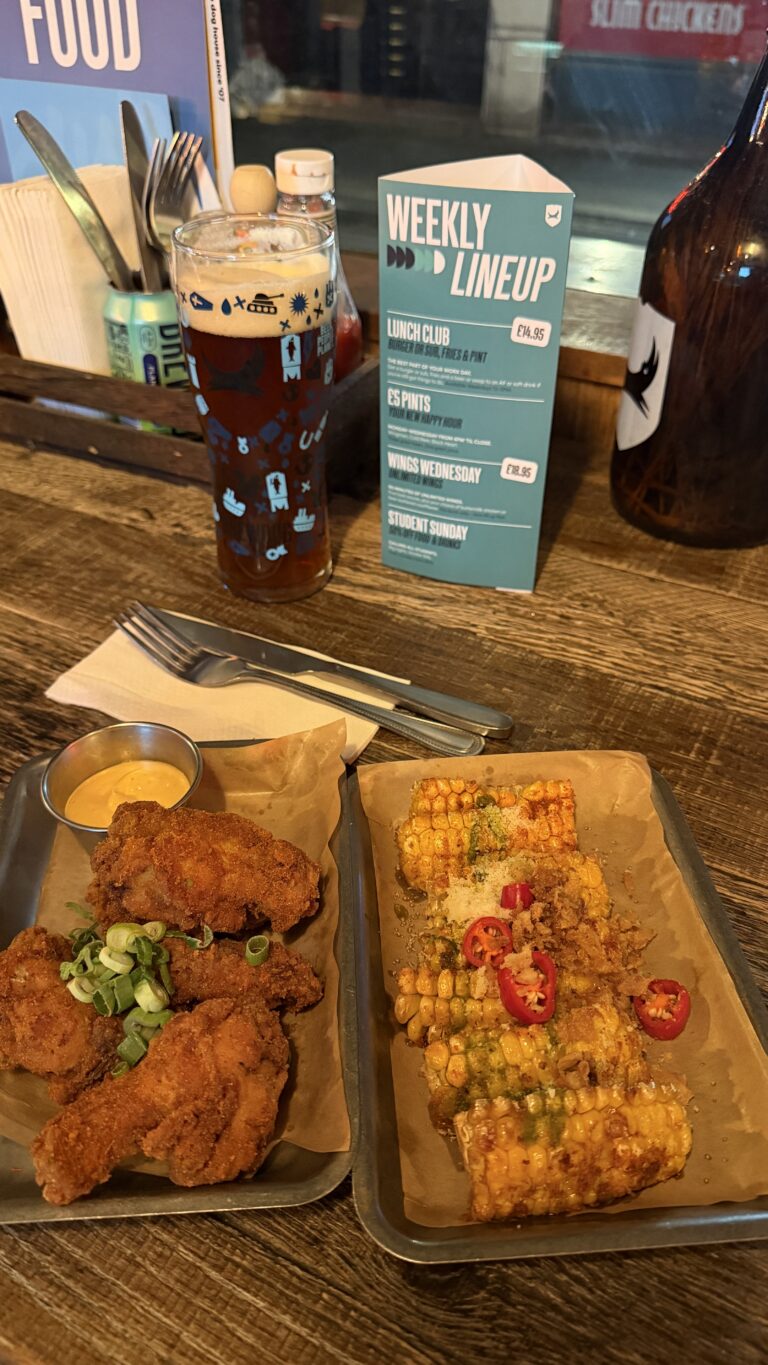
The food leaned American brasserie, which gave the meal a familiar but elevated feeling. A brasserie can be many things at once. It can be casual, stylish, social, and comforting. When done well, it gives people a place to land without making the evening feel ordinary.
A Brasserie Built for City Life
The aesthetics at The Smith Penn Quarter felt bright, lively, and confident. It was not trying to hide from the city. Instead, it seemed to absorb that urban energy and send it back through the dining room.
American brasserie food works well in DC because the city draws so many kinds of people. Some diners want something familiar. Others want a little polish. A good brasserie meets both needs and lets the table decide how fancy the night should feel.
That kind of flexibility is important. Restaurants in cultural districts often serve travelers, locals, performers, office workers, students, and families in the same evening. The room becomes a small portrait of the city.
What The Smith Reveals About Penn Quarter
The Smith Penn Quarter reveals a Washington that understands culture as an ecosystem. Restaurants, theaters, galleries, hotels, and public spaces all support each other. A meal before or after a show becomes part of the cultural experience.
Food, culture, history, and community intersect strongly in this neighborhood. Penn Quarter has been shaped by reinvention, investment, and public life. A restaurant here participates in that story, even when the menu feels casual.
For me, the bigger lesson came from watching how people used the space. Dining rooms near theaters carry anticipation. People arrive dressed for the night, leaning toward pleasure, ready to be entertained, fed, and moved.
Why This Place Was Worth Caring About
This meal reminded me that cities need social bridges. We often think of culture as what happens on the stage or inside the museum. However, culture also happens at dinner, when people discuss what they saw, what they felt, and what they hope to do next.
The Smith Penn Quarter was worth caring about because it supported that kind of city life. It gave people a comfortable, energetic place to gather in one of DC’s most active cultural neighborhoods.
For more stories about food, culture, and travel, visit DG Speaks Food and DG Speaks Travel. To plan city experiences around meals and culture, explore GetYourGuide.