Traveling Light Means Carrying What the Journey Needs
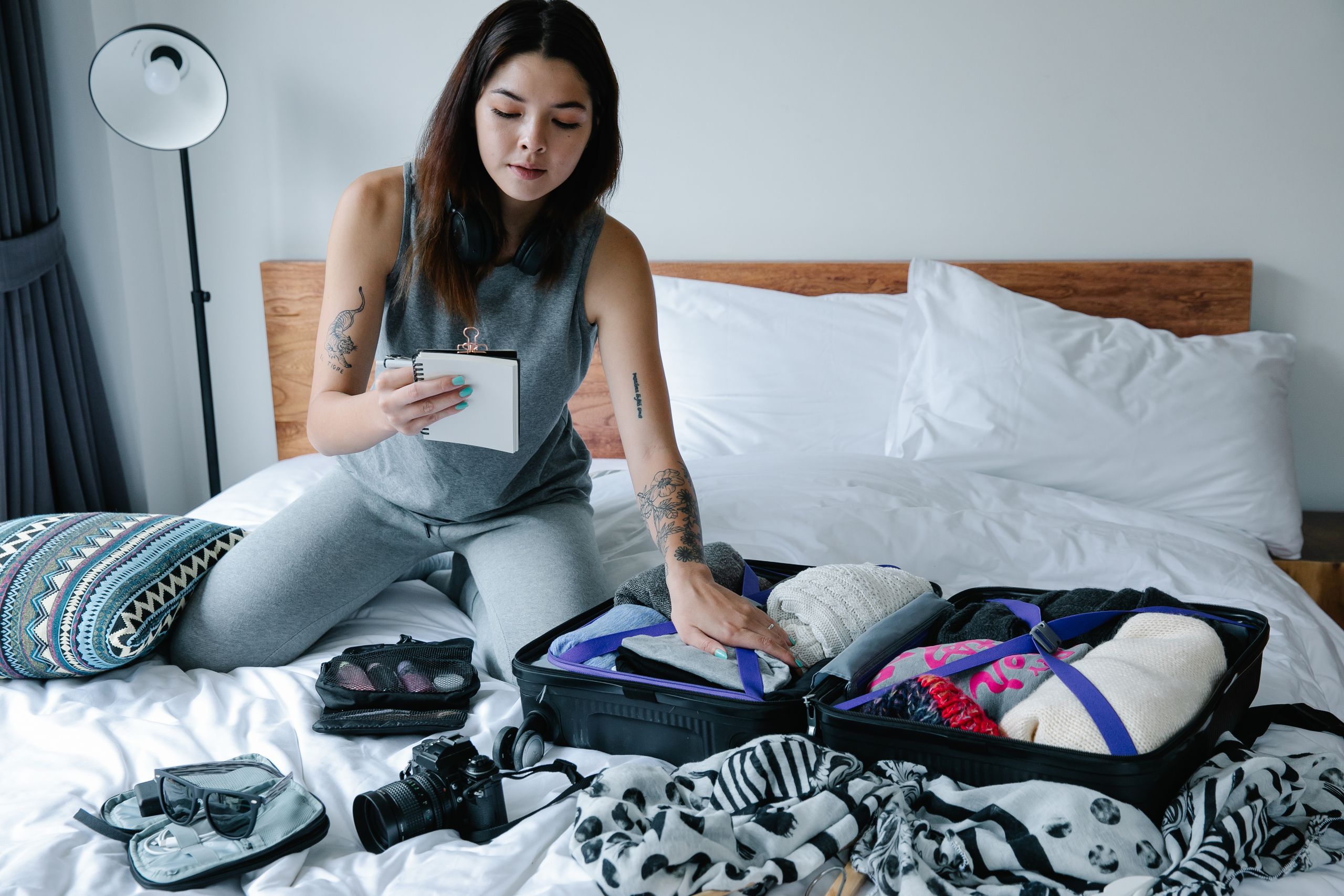
I once stood beside an open suitcase and argued with myself over a second pair of shoes.
They seemed useful on their own. One pair would handle long walking days, while the other could work for dinner, an event, or any moment when hiking shoes felt out of place.
Then I looked at everything else waiting to enter the bag.
An extra outfit might solve a future invitation. Another device could keep work running smoothly. A backup toiletry might save me from searching for the right product in an unfamiliar place.
Every item made sense alone. Together, they became weight I would need to lift, carry, store, protect, and move from one destination to the next.
That is why traveling light means more to me than creating a neat suitcase or following a minimalist trend. Each packing decision affects my mobility, comfort, work, health, budget, and ability to adapt.
Weight Changes the Meaning of Distance
A bag can feel manageable while sitting on a bedroom floor.
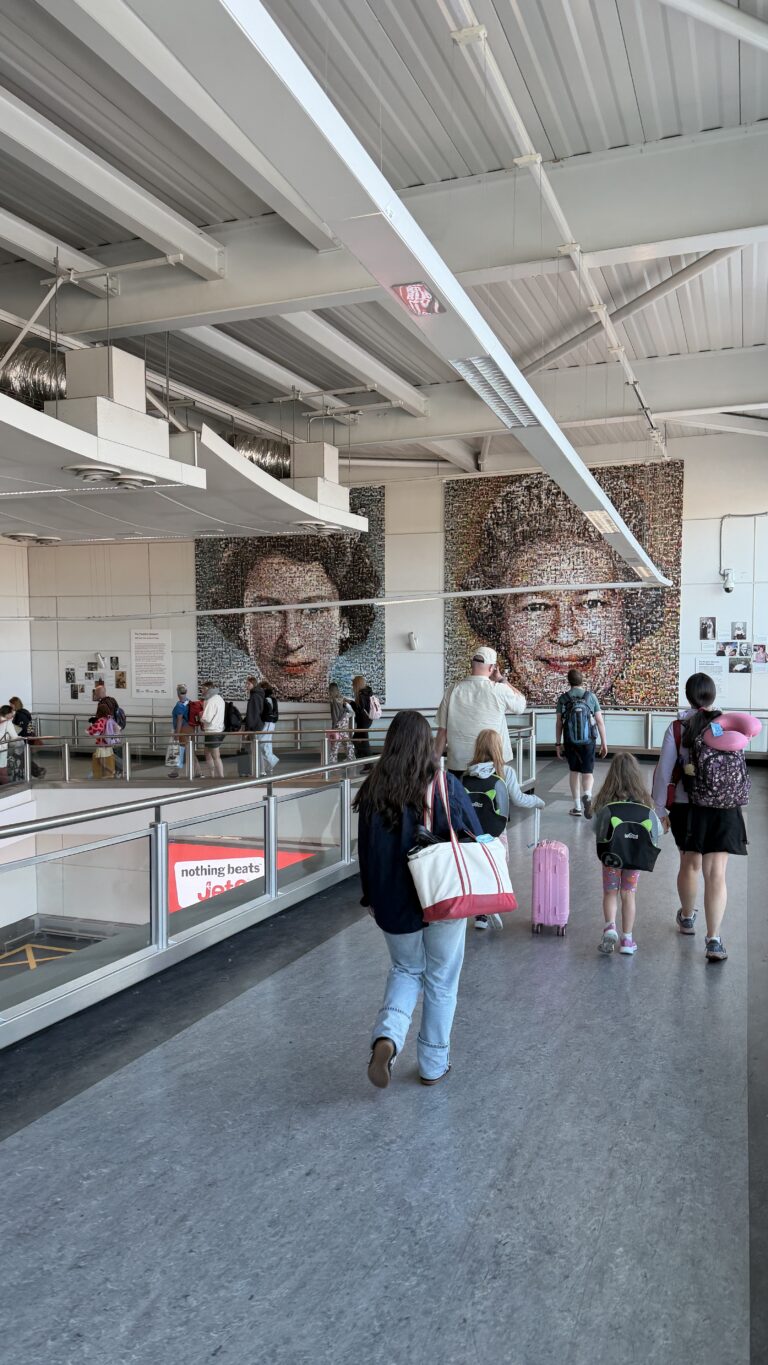
Stairs, cobblestones, crowded trains, and long walks between accommodations tell a different story. Ten pounds at home can feel much heavier after several miles or a day spent changing transportation.
I have learned to imagine the entire journey, not only the moment when I close the suitcase.
Can I lift the bag into an overhead rack? Will I manage it on a staircase without an elevator? What happens when check-in ends hours after I arrive?
My body becomes part of every transportation plan. For that reason, mobility matters more than how impressive the packed bag looks.
The Itinerary Should Decide What I Pack
A pilgrimage, conference, beach stay, and city break demand different choices.
Long-distance walking places more value on low weight, supportive footwear, and clothing that dries quickly. A professional event may justify a structured outfit, polished shoes, and technology that supports my work.
Generic packing lists often fail because they treat every trip as though it requires the same equipment.
My Camino packing guide reflects the demands of walking day after day. On that kind of journey, every unnecessary object becomes physically persuasive.
The bag should support the itinerary. I do not want my plans to revolve around moving, storing, and protecting possessions I rarely use.
Laundry Creates More Freedom Than Extra Clothing
Packing fewer clothes works only when washing them remains realistic.
I consider fabric weight, drying time, access to laundry facilities, and whether my schedule leaves enough time for clothing to dry. A strategy that depends on a washing machine I cannot access will fail quickly.
Quick-drying fabrics often give me more freedom than a larger wardrobe. I can wash one outfit in the evening and wear it again without losing an entire day to laundry.
Still, I avoid packing so little that one delayed wash creates a crisis. The goal involves creating a workable rotation, not proving how few garments I can survive with.
Comfort Earns Space in My Bag
Minimalist advice sometimes treats every comfort item as unnecessary.
I disagree.
An item that protects my sleep, warmth, foot health, or dignity may deserve more space than several outfits packed for imagined occasions.
A lightweight scarf can provide warmth, modesty, sun protection, or a way to dress up a simple outfit. Supportive shoes may take up room, but painful feet can limit an entire journey.
I do not need to prove toughness by accepting avoidable discomfort. Traveling light should reduce friction rather than create constant deprivation.
The Meal Before Departure Belongs in the Plan
Packing can make food feel less urgent than passports, chargers, and boarding passes.
Then departure begins with hunger, expensive airport purchases, and whatever food happens to remain available when time runs short.
I prepare better when I think about nourishment before leaving home. A simple meal, water, and practical snacks can make the first hours of travel calmer.
The Meal Before the Journey explores how food helps create a steadier beginning. Packing lightly should not mean starting a trip hungry or unprepared.
Technology Carries More Than Physical Weight
A laptop may weigh less than several books, but the scale does not show its full burden.
Chargers, adapters, security concerns, and the fear of damage add practical weight. Work expectations create another kind.
Bringing a computer can turn a journey into a mobile office. Sometimes that choice makes sense because I need to write, teach, edit, or manage my business while traveling.
Other trips need space away from constant access.
Before packing a device, I ask whether it supports the purpose of the journey or quietly changes that purpose. Not every burden appears on a luggage scale.
Fear Often Packs the Extras
Many “just in case” items come from imagined emergencies.
What if the weather changes? What if I receive an invitation? What if something breaks, spills, disappears, or becomes unavailable?
Some preparation protects the journey. Carrying medicine, copies of important documents, and essential health items makes sense.
Trying to solve every possible inconvenience before departure creates another problem. The bag becomes heavier, movement becomes harder, and I spend more energy managing backup plans I may never use.
Shops, pharmacies, laundries, and local services may help when something unexpected happens. Traveling light asks me to trust my ability to solve some problems after they appear.
Accommodation Details Can Reduce the Load
What an accommodation provides directly affects what I need to carry.
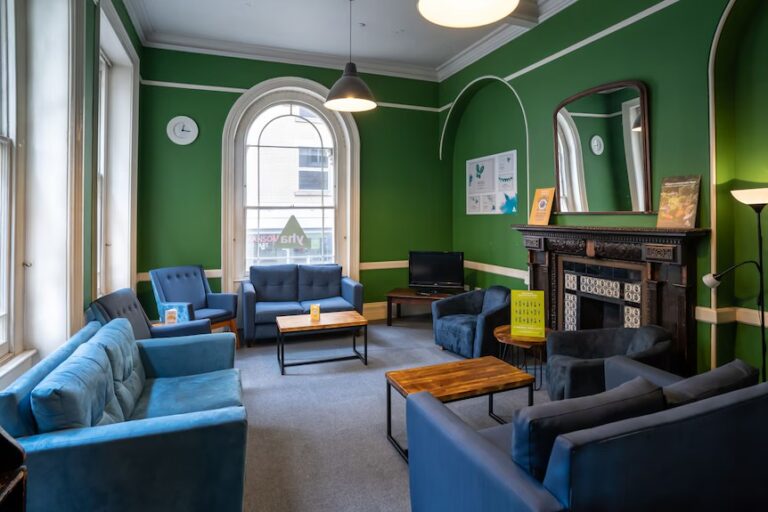
Linens, towels, hair dryers, lockers, kitchen access, and laundry facilities can remove several items from my bag. I check each listing carefully before packing duplicates.
Traveler reviews often reveal details that property descriptions overlook. A hostel may technically offer laundry while providing only one machine for an entire building. Another may supply towels but charge an additional fee.
Listings and reviews on Hostelworld can help me compare facilities during multi-stop trips.
Good information saves both physical weight and unnecessary expense.
Travel Insurance Handles a Different Kind of Risk
Travel coverage does not make every problem disappear.
A policy cannot replace essential medicine, required documents, careful planning, or good judgment. However, understanding the available coverage can reduce some of the financial fear connected to illness or travel disruption.
SafetyWing may offer coverage for eligible medical needs and covered travel situations.
I always review the benefits, exclusions, deductibles, and coverage limits before relying on any policy. Insurance serves as one planning tool, not a substitute for preparation.
The Smallest Bag Is Not Always the Best Bag
A tiny bag can look impressive while failing the traveler who carries it.
If I repeatedly buy replacements, wash clothing at impossible hours, or spend the journey cold and uncomfortable, the system does not work.
Ultra-light packing can also create hidden expenses. Buying toiletries in small quantities, paying for frequent laundry, or replacing forgotten essentials may cost more than checking a slightly larger bag.
Success means carrying enough to move comfortably without filling the bag with possibilities that never become real needs.
Beauty Still Deserves a Place
Practical packing advice can make every item sound purely functional.
Yet clothing also supports confidence, creativity, and the pleasure of entering a beautiful place while feeling like myself.
I may choose one dress, scarf, pair of earrings, or accessory because it adds personality without demanding much space. That item may help a basic travel wardrobe move from a walking route to dinner or an event.
Traveling light does not require stripping the journey of style. I simply want the pieces I choose to work harder.
Accessibility Comes Before Minimalism
No packing challenge should treat medication, braces, mobility aids, specialized toiletries, or supportive footwear as excess.
Those items make movement possible. They protect health, manage pain, and allow travelers to participate more fully.
Universal packing rules become harmful when they assume every body has the same needs. A traveler managing a chronic condition may require more supplies than someone else. Another person may need a larger bag because mobility equipment leaves less room for clothing.
The best packing list begins with health, safety, and function rather than an arbitrary item count.
Buying Along the Way Is Not Always Easy
“Just buy it there” sounds simple until the destination lacks the correct product, size, price, or store hours.
Language barriers can make replacement shopping harder. Rural routes may offer few choices, while tourist areas may charge much higher prices.
Hair care, skin products, prescription medicine, comfortable shoes, and clothing in extended sizes may require more planning. Carrying a familiar essential can provide more security than assuming I will find an identical replacement.
Adaptability works best when informed decisions support it.
What I Choose to Carry
Traveling light asks me to trust both my preparation and my ability to adapt.
I am not trying to own the smallest suitcase or prove that I can tolerate discomfort. Instead, I want enough clothing, protection, technology, and practical support to stay present throughout the journey.
Every item should earn its place through necessity, frequent use, or meaningful comfort.
When my bag serves the trip instead of controlling it, I move more freely. I climb the stairs with less strain, change cities with less frustration, and spend less time organizing possessions that never needed to come.
That freedom matters more to me than perfect minimalism.
Explore more packing advice, destination stories, and reflective journeys through DG Speaks Travel.