The Camino Taught Me to Trust My Own Pace
The Camino Taught Me to Trust My Own Pace
Trust my own pace Camino lessons began almost immediately. The Camino did not wait until I felt graceful, prepared, or confident. It started teaching me while I was tired, motion sick, behind schedule, and wondering why older local walkers seemed to be floating up hills while I was bargaining with my lungs.
That first day humbled me. But it also began one of the most important lessons of my whole pilgrimage.
My pace was my pace. And that had to be enough.
Comparison Starts Early on the Camino
Someone will always walk faster. Someone will always have lighter gear. Someone will always look fresher at breakfast, while you are already questioning every life choice that brought you to the trail.
At first, I noticed all of it. I noticed who passed me. I noticed who seemed stronger. I noticed who handled climbs like they were out for a neighborhood stroll.
Then the Camino reminded me that comparison is heavy. Too heavy to carry across Spain.
The Pyrenees Made the Lesson Plain
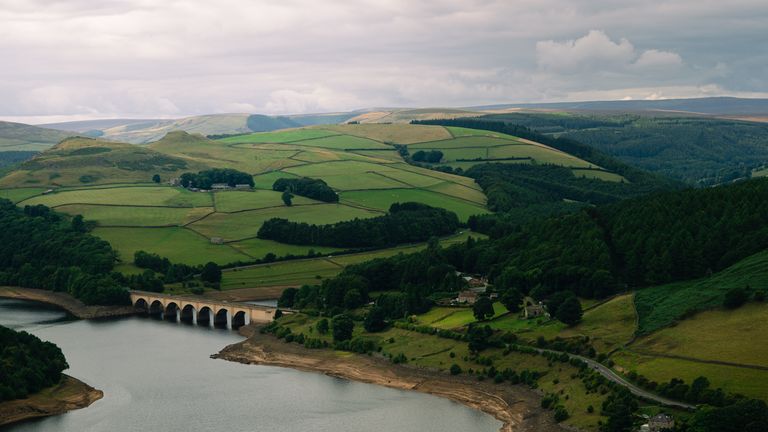
Crossing the Pyrenees showed me quickly that beauty does not care about your ego. The mountains were stunning, but they were also serious. My body needed breaks. My knees had feelings. My breath demanded respect.
I wrote about that day in Crossing the Pyrenees on the Camino Francés. It was one of those experiences that made me stop pretending pace was only about fitness. Pace is also about wisdom.
Sometimes the strongest thing you can do is slow down before your body forces the conversation.
Walking Solo Helped Me Listen
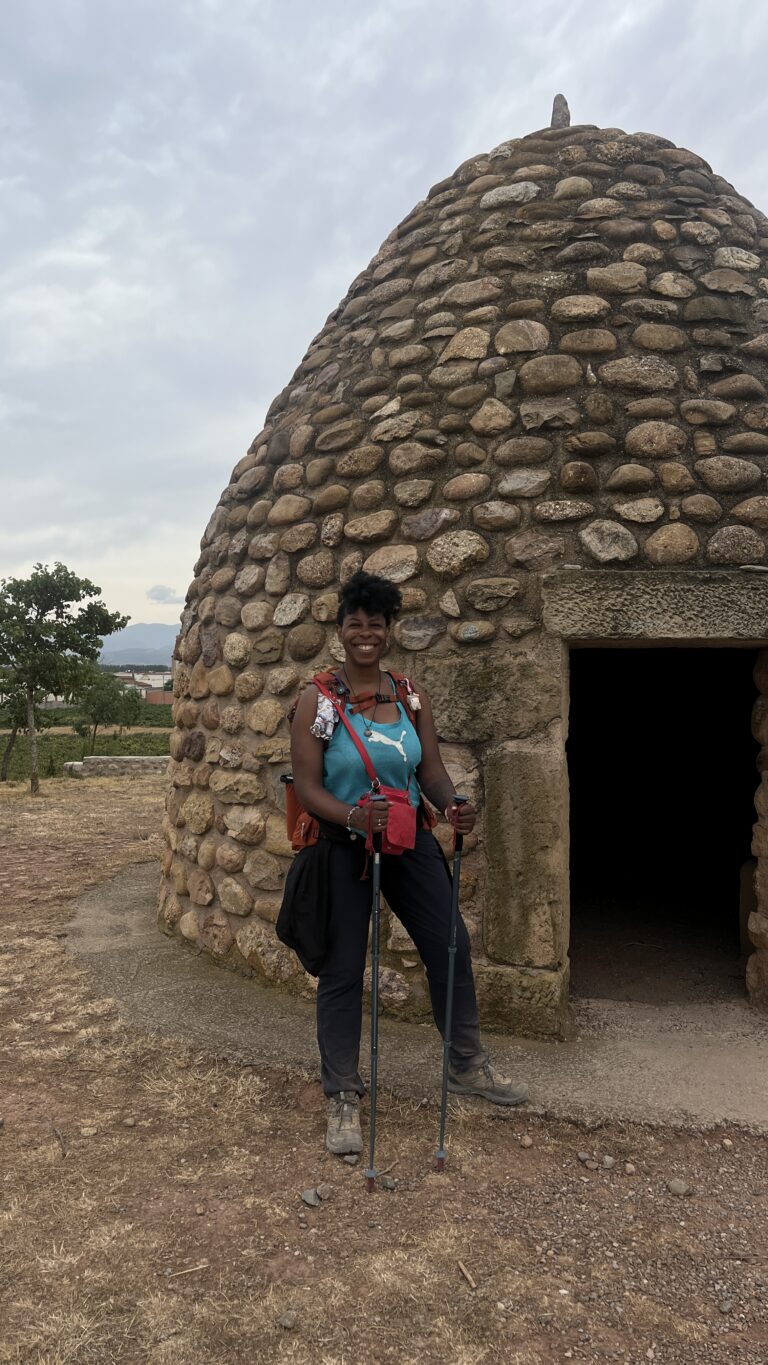
Because I walked solo, I could pay closer attention to what I needed. I did not have to keep up with a partner, match a friend’s energy, or negotiate every stop.
If I needed coffee, I stopped. If I needed shade, I found it. If my body said, “Not today, ma’am,” I learned to listen without turning every adjustment into a failure.
That is why walking the Camino solo as a woman was so powerful for me. I had space to hear myself clearly.
Pace Is Personal
Your pace depends on your body, your age, your history, your shoes, your sleep, your breakfast, the weather, the terrain, and whatever emotional baggage decided to climb into your backpack that morning.
That is why generic advice only goes so far. Use official planning resources like Camino de Santiago planning recommendations. Learn from other pilgrims. Then respect your own body on the road.
If you want support building a Camino pace that fits your real life, you can book Camino coaching with me. I care much more about sustainable walking than performative suffering.
Slow Did Not Mean Weak
That may be the part I needed most. Slow did not mean weak. Rest did not mean failure. Stopping for coffee did not mean I lacked discipline. Taking care of myself was not cheating.
The Camino gave me daily proof that my way could still get me there. Not the fastest way. Not the prettiest way. My way.
And baby, my way reached Santiago.
I Brought That Pace Home
Back home, I still have to remind myself. Life tries to pull me back into hurry. The internet wants everything now. Work wants urgency. Ambition wants output. But the Camino taught me that steady can be sacred.
When I forget, I return to the rhythm I wrote about in Learning the Camino Rhythm One Morning at a Time. Wake up. Take the next step. Let enough be enough.
That is how I keep walking, even when I am no longer in Spain.