Where the Wind Comes From Sundance 2025 Review: When Freedom Finds Its Voice
There are films that entertain you, and then there are films that breathe with you. Where the Wind Comes From, directed by Amel Guellaty, is one of those rare stories that feels alive from the very first scene. It does not simply tell you about freedom. It invites you to feel it.
When I left the theater after watching it at Sundance 2025, I needed a moment to sit in silence. It was that quiet space that comes when a story touches something deep inside you. The wind in this film is not just a poetic image. It feels like a presence, whispering to every woman who has ever longed for more than what her world allowed.
When Friendship Becomes the Map
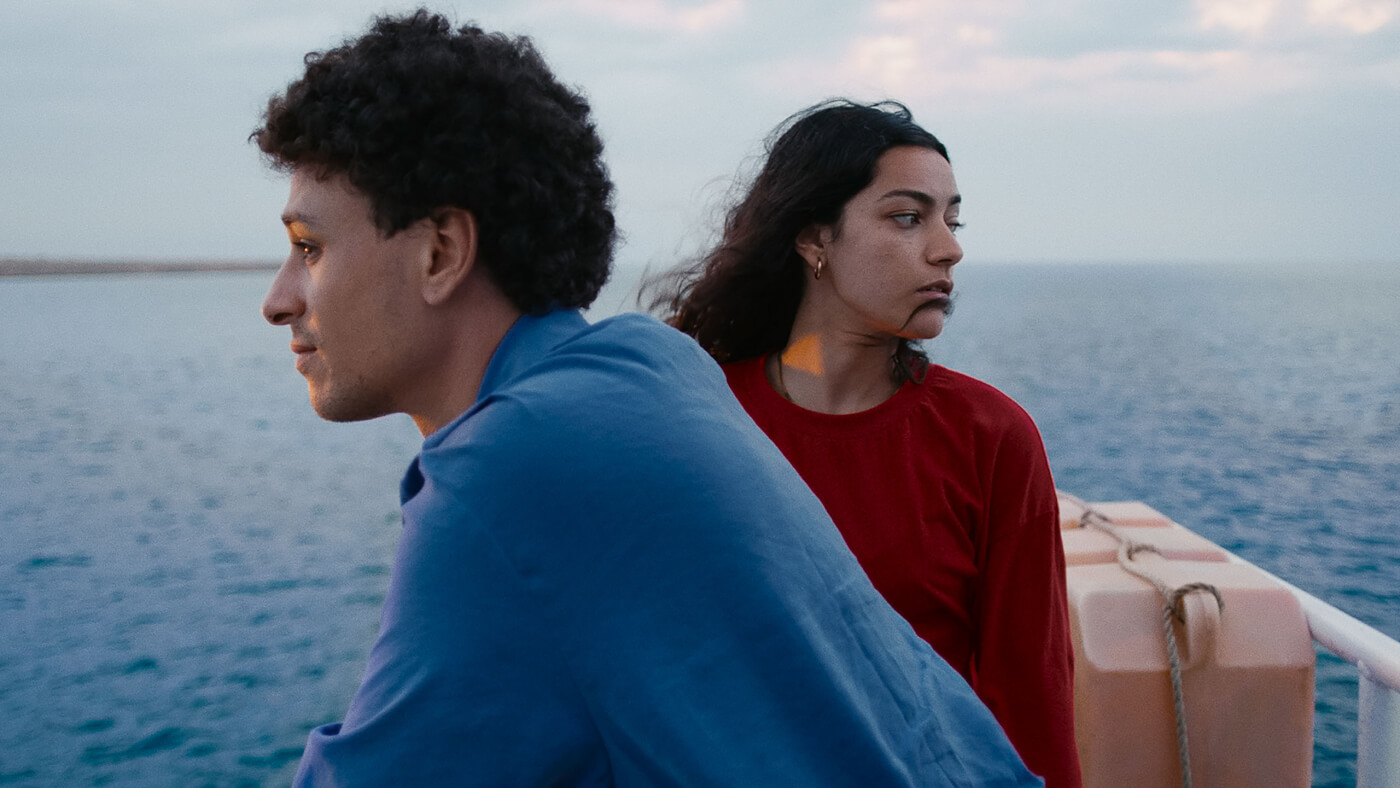
At the heart of Where the Wind Comes From is Alyssa, a 19-year-old Tunisian woman who refuses to shrink herself to fit the expectations around her. She is restless, impulsive, and unafraid to want more. Her best friend Mehdi, a 23-year-old artist, is softer, more introspective, but no less brave. Together, they set out on a road trip that becomes both an act of rebellion and a journey toward self-definition.
Their friendship is electric. It reminded me of those rare connections that shape who you become. Not romantic, but transformative. The kind of friendship that gives you courage to face what you fear most. Watching them, I could not help but think of the people in my own life who have held space for my biggest dreams.
Amel Guellaty captures that energy perfectly. The road is not just where Alyssa and Mehdi travel. It is where they learn who they are.
Tunisia Beyond the Postcard
What struck me most about this film is how deeply Tunisian it feels. It is not presented through a foreign gaze or designed to please outsiders. It simply exists in its truth. From the dusty village roads to the chatter in neighborhood cafés, the world of Where the Wind Comes From feels lived-in and real.
Guellaty gives Tunisia a cinematic voice that is rarely heard internationally. Her camera lingers on the textures of daily life, the laughter of youth, the sound of the wind across open land. The country becomes a living character in the film, both grounding and liberating the story at once.
So many films about North Africa are shaped to fit Western narratives about oppression or escape. This one refuses that frame. It tells its own story on its own terms. That authenticity reminded me of why cultural storytelling matters. Whether I am sitting with women farmers in Colombia or artisans in Panama, I see that same desire to define life by your own rhythm.
Reclaiming the Road Through a Woman’s Lens
Amel Guellaty is part of a growing generation of Tunisian women filmmakers reclaiming their stories. You can feel that perspective in every frame. The film never objectifies its heroine. It allows her to exist in all her contradictions.
Alyssa is bold and vulnerable, hopeful and frustrated, but always alive. There is a moment when she rides through the open countryside, hair blowing, laughter rising above the engine’s hum. It is a simple scene, but it feels radical. We rarely see young Arab women depicted as free and self-possessed. Here, we do.
That is what happens when a woman directs women. The gaze shifts from performance to presence. Guellaty’s lens feels intimate and patient. She sees Alyssa as a full person, not a symbol. As a storyteller and advocate for women’s empowerment, I found that deeply moving. Representation should not be a category. It should be a celebration of complexity.
When the Wind Whispers “You Can”
The title itself speaks volumes. “Where the Wind Comes From” is not only about geography. It is about energy. The wind symbolizes that invisible push that moves us forward even when fear tells us to stand still.
Guellaty captures that through the smallest gestures. A quiet glance between friends. A shared song on the radio. The uncertain pause before deciding to go. It is not a loud revolution. It is a soft but steady one.
Watching Alyssa reminded me of my younger self, that version of me who also felt the pull between duty and desire. That is what this film does so well. It lets us see ourselves in a different culture and yet know that the emotional truth is the same. Every woman, in her own way, is learning to listen when life whispers, “You can.”
The Politics of Dreaming
Beneath its beauty, the film carries a quiet political current. Alyssa’s decision to leave her village is not framed as escape but as an act of ownership. It is her way of reclaiming choice. In Tunisia, as in so many parts of the world, women’s ambitions are often shaped by invisible borders. Guellaty uses the open road to challenge that.
There is no speech about feminism or protest. Instead, there is motion. The act of driving itself becomes resistance. The open landscape becomes a declaration. The dream of possibility is the politics.
That subtlety is what I admire most about Guellaty’s work. She trusts her audience to feel the message without being told what to think. That confidence is the mark of an artist who knows her truth.
Why This Film Belongs in the Global Conversation
As someone who writes about sustainable travel, culture, and identity, I see Where the Wind Comes From as part of a larger global dialogue. It is about more than Tunisia. It is about every woman who finds herself standing at the edge of expectation and decides to step forward anyway.
The film belongs in the same conversation as stories from Latin America, West Africa, and the Caribbean where women are redefining movement as empowerment. Watching Alyssa reminded me that travel, whether across a country or into one’s own future, is an act of self-liberation.
Final Reflection
Where the Wind Comes From is quiet, poetic, and fiercely alive. It reminds us that freedom is not always a loud demand. Sometimes it is the soft courage to take one more step.
This film stands as one of the most honest and tender works I saw at Sundance 2025. Amel Guellaty delivers a story that honors her culture while speaking to the universal human need to find our place in the world.
As I walked away from the screening, I felt a sense of calm and strength. The kind that comes when you realize that every journey, no matter how uncertain, has value. For women everywhere, that reminder is both timeless and necessary.