Why I Like Traveling When Everyone Else Goes Home
Some destinations become easier to hear after the crowds leave.
The famous square still exists, but footsteps no longer blend into one constant rush. Restaurant staff have time to answer a question, and museum rooms offer enough space to look rather than compete for a view.
Off-season travel does not guarantee authenticity, low prices, or perfect solitude. It does, however, change the rhythm of a place. I value that shift because it allows me to notice what high season often covers.
Quiet Is Not the Same as Empty
A less crowded destination may appear inactive to travelers who measure experience through events and nightlife. Yet ordinary life continues.
People commute, shop, repair buildings, meet friends, and move through familiar routines. Tourism occupies less of the frame, so residents become easier to see as people living in a place rather than supporting characters in someone else’s trip.
That visibility requires respect. Fewer tourists do not give me greater ownership of the destination.
The Weather Changes the Contract
Off-season travel usually involves compromise. Days may be shorter, rain more frequent, and outdoor attractions less predictable.
I build flexibility into the itinerary. One indoor anchor can shape the day, while open time allows me to respond to weather instead of fighting it.
This approach reflects the lessons I have learned from choosing presence over pace. A trip can remain meaningful even when the original schedule no longer fits.
Lower Prices Are Not Guaranteed
Travel advice often presents the off-season as automatically cheap. Reality is more complicated.
Hotels may reduce rates, but transportation can remain expensive. Festivals, holidays, conferences, and limited service may also raise costs unexpectedly.
I compare the entire journey rather than one nightly price. Baggage, airport transfers, heating, local transportation, and cancellation policies can change the real budget.
Accommodation Matters More in Bad Weather
When evenings grow dark and wet, location becomes especially important. A central stay can make it easier to return for dry clothes or a short rest.
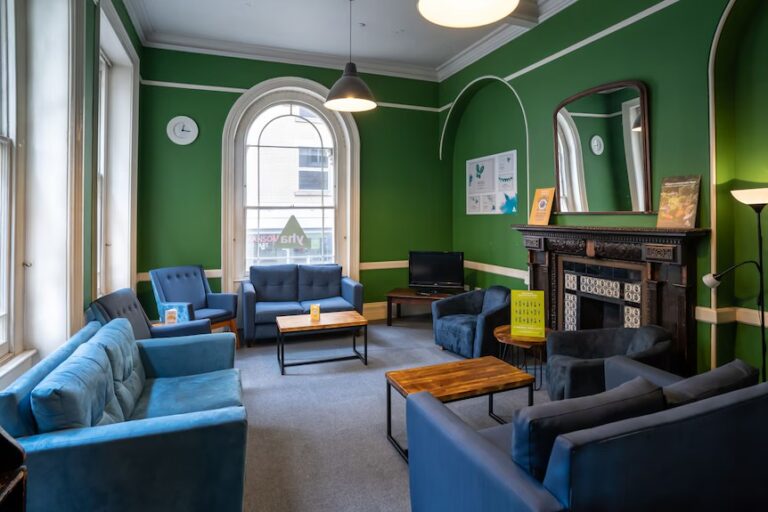
I may use Hostelworld to compare hostels, locations, and recent reviews. Beyond price, I look for heating, secure storage, reliable access, and common spaces that feel comfortable rather than merely decorative.
The room becomes part of the experience when weather keeps me inside longer than expected.
Reduced Hours Require Better Research
Restaurants, tours, ferries, and museums may operate on shorter schedules outside peak season. Some close on particular weekdays or pause entirely.
I confirm important details close to the date rather than relying on an old blog post. Direct websites and recent notices matter more than assumptions.
A smaller schedule does not ruin the trip, but it rewards preparation. Knowing what truly requires a reservation allows the rest of the itinerary to remain loose.
Local Restaurants Feel Different Without the Rush
Food becomes one of my favorite ways to understand an off-season destination.
When tables turn more slowly, I can notice who eats there regularly and what dishes feel suited to the weather. This connects with my belief that local restaurants teach me how a city feels.
A quiet dining room can create warmth, but I still remember that small businesses may depend on stronger seasons to survive. Thoughtful spending matters.
Solitude Can Clarify and Intensify
Traveling during a quiet season can feel peaceful. It can also make loneliness more visible.
Fewer people in streets and common areas may reduce casual contact. As a solo traveler, I plan some structured connection through a guided walk, class, or food experience.
Experiences through GetYourGuide can provide context and temporary community without filling every day.
Responsible Curiosity Still Applies
A quieter place can tempt travelers to believe they have found the “real” destination. That language troubles me.
High season and low season both belong to local reality. Tourism itself changes communities, and residents may rely on it while also feeling its pressures.
My reflections on respectful cultural travel writing remind me to observe without turning a brief visit into authority.
When Everyone Else Goes Home
Off-season travel gives me room to experience a destination without the pressure to collect everything at once.
The tradeoffs remain real. Weather changes plans, daylight disappears, and businesses may keep limited hours. Yet those conditions encourage a more deliberate journey.
I can choose one meaningful activity, eat well, walk when conditions allow, and let the place remain complex. Quiet does not reveal a pure version of a city. It simply changes what becomes audible.
Sometimes, that is enough to help me pay better attention.
Explore more practical and reflective travel stories through DG Speaks Travel.