Why a Winter Walk Makes Me Feel More Alive
One cold morning, I stood near the door longer than necessary with my coat already zipped. The room behind me was warm, the windows had fogged slightly at the edges, and nothing outside looked especially inviting.
I could hear the wind before I opened the door. For a moment, staying inside felt like the most reasonable choice I could make.
Then I stepped out.
The first breath startled me. Cold air reached my face, tightened my shoulders, and made me immediately aware of my body. I had not gone far, yet the day already felt more vivid than it had from behind the glass.
A winter walk makes me brave in a very ordinary way. Not heroic or dramatic, but brave enough to leave the warm room, meet the air as it is, and allow the season to become something I experience rather than something I wait to escape.
A Winter Walk Begins With the Door
The most difficult part often happens before the walk begins. Indoors, I can imagine the cold more intensely than I may actually experience it.
The warm room offers immediate comfort, while the walk asks me to trust that movement will eventually create another kind of warmth. That decision can feel larger than the short distance between the chair and the door.
Once I step outside, the uncertainty becomes specific. I know how the temperature feels, whether the wind is manageable, and whether my layers are enough.
The imagined discomfort becomes real information. From there, I can adjust instead of negotiating with a version of winter that exists only in my mind.
Cold Air Has a Backbone
Winter air does not flatter me. It arrives directly, wakes the senses quickly, and reveals every gap between scarf, sleeve, glove, and coat.
That honesty can feel refreshing. The cold demands attention in a way mild weather does not.
Breath becomes visible. The ground sounds different under my steps, while trees, buildings, and streets appear sharper beneath a pale sky.
The season removes some of the softness from the landscape, but it gives the world another kind of clarity. Winter does not ask me to pretend comfort. It asks me to notice what is present.
The Body Negotiates With the Season
During the first several minutes, my shoulders may remain tense and my hands search instinctively for warmth. The body has not yet decided whether it trusts the walk.
Movement gradually changes the conversation. My stride steadies, circulation improves, and the cold stops feeling like one continuous sensation.
I begin noticing differences. Sunlight reaches one side of the street, a sheltered block feels calmer than an open corner, and the pace that felt unnecessary indoors now creates exactly the warmth I need.
A winter walk reminds me that comfort can develop through adaptation. The body does not always need the environment to become easier before it finds a workable rhythm.
Winter Walking Teaches Presence Over Pace
Cold weather changes how I measure a successful walk. Distance matters less than whether I remain attentive to my body and the conditions around me.
I may shorten the route, slow down near icy pavement, or stop somewhere warm before continuing. None of those choices makes the walk less meaningful.
This connects with what I have learned about choosing presence over pace through slow travel. Movement becomes richer when I stop treating speed and distance as the only evidence that the experience mattered.
Winter makes that lesson practical. The season rewards patience, preparation, and enough humility to change the plan when conditions require it.
A Winter Walk Reveals a Quieter Landscape
Familiar streets often look different in winter. Trees expose their structure, gardens become sparse, and buildings appear more visible without leaves softening their edges.
Fewer people may be outside, which changes the sound of the neighborhood. Footsteps travel farther, passing cars feel louder, and small movements become easier to notice.
The quieter landscape can feel peaceful, but it can also reveal loneliness or unequal access to comfortable public space. A neighborhood with cleared sidewalks, lighting, benches, and open businesses invites movement differently from one where ice, poor maintenance, or limited shelter makes walking difficult.
Winter shows me not only the shape of a place, but also how well that place supports people when conditions become less forgiving.
Moving Through Winter Helps Me Feel Less Trapped by It
Cold weather can make the season feel like a long period of waiting. I begin measuring time by how many weeks remain before warmth returns.
Walking interrupts that mindset. Winter becomes something I can enter, observe, and move through rather than a barrier between me and the rest of life.
The season has its own light, sounds, smells, and rhythms. Parks become quieter, cafés feel more inviting, and an ordinary patch of sunlight can seem unusually generous.
I do not need to love every part of winter to remain in relationship with it. A short walk allows me to meet the day without requiring the day to resemble another season.
Rest and Movement Do Not Have to Compete
Some winter days genuinely call for staying inside. Fatigue, illness, dangerous weather, or the need for emotional quiet may make rest the wiser choice.
I do not want walking to become another way of proving discipline at the body’s expense. Movement should support me, not override what I know about my limits.
This belongs beside my reflections on why women’s rest and softness are not surrender. Rest and movement can coexist when neither becomes a punishment.
A winter walk may restore me on one day, while remaining home may offer the care I need on another. Listening is more important than following a rigid rule.
Women Read Winter Streets Through Safety
Shorter daylight changes how women move through public space. A route that feels comfortable in the afternoon may become quieter, darker, or less predictable earlier than expected.
I pay attention to lighting, sidewalk conditions, open businesses, traffic, and how many other people remain outside. Cold weather can reduce pedestrian activity, which affects whether a street feels peaceful or isolating.
Visibility matters too. Hoods, scarves, and winter clothing provide warmth but can limit hearing or peripheral vision if they are not adjusted carefully.
Enjoying a winter walk does not require ignoring those realities. Preparation allows the experience to remain restorative without pretending vigilance has disappeared.
Practical Gear Helps the Walk Stay Enjoyable
Comfort matters more in winter because small problems become difficult quickly. Damp socks, exposed hands, poor traction, or an inadequate layer can turn a reflective walk into an endurance test.
I prefer clothing that can be adjusted as my body warms. A breathable base layer, light insulation, wind protection, warm socks, gloves, and shoes suited to the surface allow me to respond to changing conditions.
Useful cold-weather walking and travel resources from my Amazon travel shop can support that preparation. The best gear does not need to make the walk appear extreme. It should help me forget about discomfort long enough to notice where I am.
Preparation also includes checking the weather, daylight hours, route conditions, and whether I have a warm place to stop if the temperature becomes harder to manage than expected.
A Winter Walk Can Deepen Travel
Cold destinations reveal themselves differently on foot. Streets that overflow with visitors during warmer months may feel more local, while seasonal markets, winter foods, and indoor gathering places become more central to daily life.
Guided experiences available through GetYourGuide can make winter travel more approachable when tours include realistic information about weather, terrain, pacing, and places to warm up.
A thoughtful winter tour should not romanticize discomfort. Good planning respects the bodies in the group and recognizes that cold affects people differently.
Walking in winter can create a deeper relationship with a destination when the pace allows attention. The season becomes part of the place rather than an inconvenience surrounding the attractions.

A DG Speaks Recommendation
I want more years to keep moving, meet every season with curiosity, and return home feeling fully alive
I partnered with Happy Aging to share products that support energy, vitality, and an active life shaped by movement, reflection, and everyday well-being.
Coming Home Is Part of the Winter Walk
The return feels different in winter because warmth becomes immediately noticeable. The door closes, cold air stops moving against my face, and the body begins releasing the tension it carried outside.
A warm drink, dry socks, a blanket, or a simple meal can become part of the ritual. Comfort feels more vivid because I have encountered its opposite.
Coming home does not erase the walk. It completes the experience by allowing the body to recognize safety, shelter, and recovery.
The warm room may be the same one I left, but I return to it with more appreciation. Movement makes the comfort feel chosen rather than confining.
Sometimes Courage Looks Like Putting on a Coat
By the time I returned from that walk, the weather had not changed. The air remained cold, the sky stayed pale, and winter had made no effort to become more accommodating.
I had changed in a small but noticeable way.
The room no longer felt like the only safe place in the day. I had walked through the cold, felt my body create warmth, and allowed the season to become real instead of imagining it from indoors.
A winter walk offers an ordinary form of courage because it asks for movement before comfort is guaranteed. The reward is not conquest. It is contact.
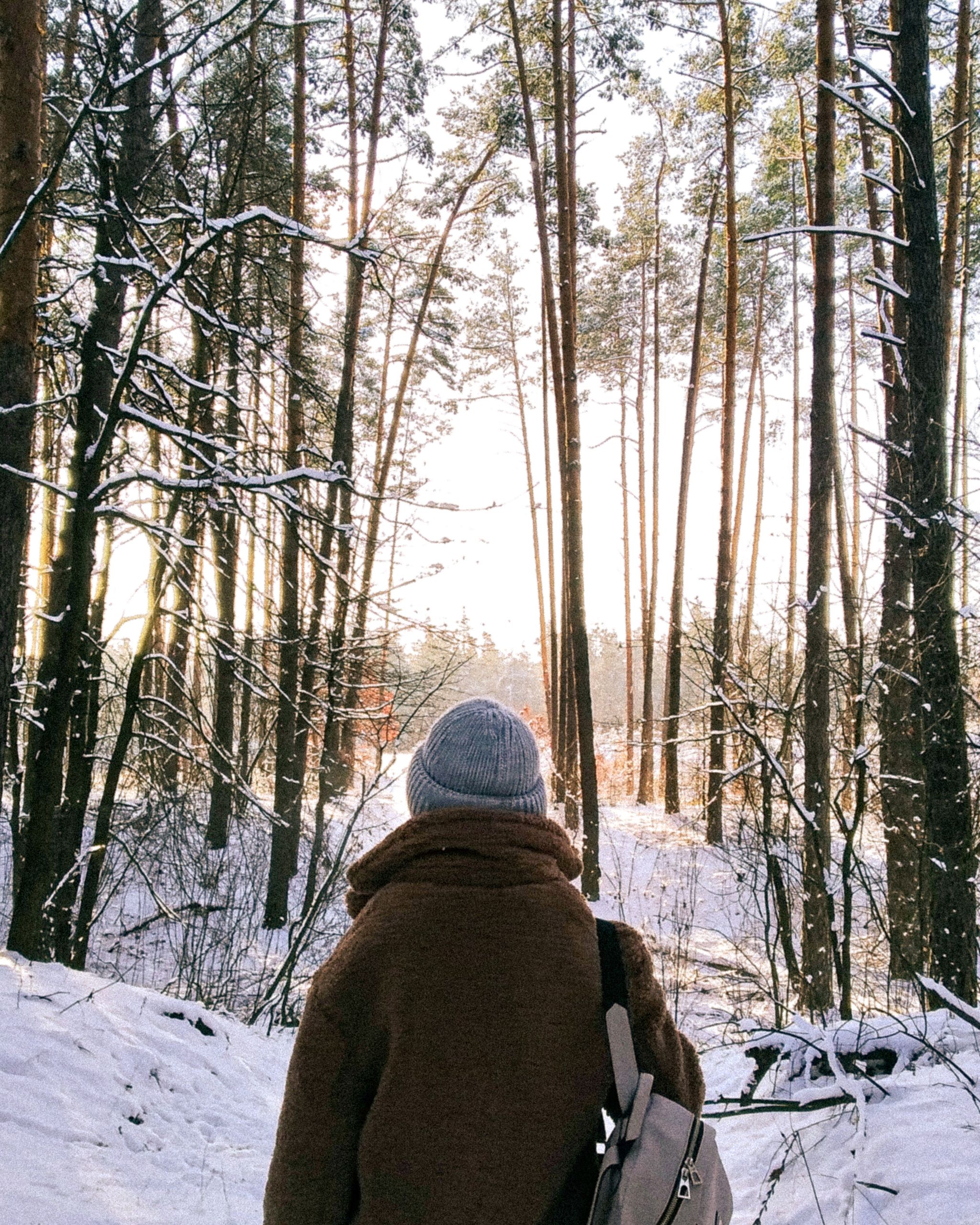
I notice my breath, the sharpness of the air, the quiet structure of trees, and the way light behaves differently across a colder landscape. The season becomes more complex than the temperature alone.
Walking does not require me to deny winter’s difficulty. Cold can be dangerous, public space can become less accessible, and not everyone has adequate clothing, shelter, or control over how much time they spend outdoors.
That awareness makes warmth feel less automatic. A coat, heated room, dry shoes, and safe return route are resources, not universal conditions.
I want to appreciate the walk without romanticizing exposure.
For me, the value lies in choosing a manageable encounter with the season. I step outside prepared, pay attention to my body, and remain willing to turn back.
Some days, the walk will be long. On others, courage may last only a few blocks.
Both count.
Winter becomes easier to inhabit when I stop treating it only as something to survive until spring. I can notice its beauty, respect its risks, and create small rituals that keep the world from disappearing behind closed doors.
I come home warmer inside because I allowed the cold to wake me.
Sometimes courage looks like putting on a coat, opening the door, and taking the first step before I feel completely ready.
Continue exploring reflections on winter walking, slow travel, women’s rest, and the everyday practices that help life remain spacious through every season with DG Speaks Travel.