Yelp Biz Hours and the Work of Community
Yelp Biz Hours gave me the kind of evening I love most: food, business, culture, hard questions, and people who believe a company can be more than a cash register.
I went because I love a good Yelp DC event, and Kimberly Van Santos always knew how to bring people into a room with warmth. I also went because Andy Shallal was on the panel. I had worked with his wife, Marjan, during my time at HumanitiesDC, and I had already heard Andy speak enough times to know he does not waste a microphone.
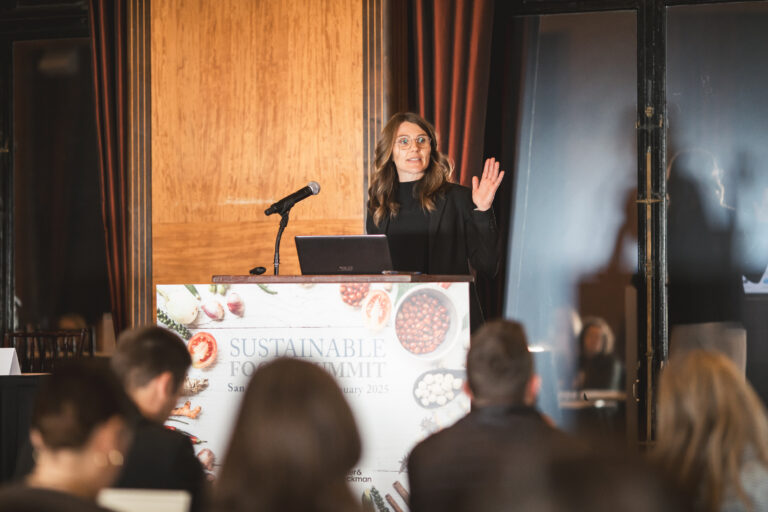
The panel included leaders connected to Busboys and Poets, Shouk, Broccoli City Festival, and Blue Ridge Bucha. Each person came from a different lane. Yet the conversation kept circling back to the same question: What does it mean to build something that serves people beyond the transaction?
Business as a Public Table
Andy Shallal has long described Busboys and Poets as a restaurant, bookstore, and community gathering place. That model matters in Washington, DC, because this city knows how quickly culture can be celebrated, sold, displaced, and sanitized. Busboys and Poets
Shouk’s plant-based model pushed the conversation toward food systems and sustainability. Broccoli City made the case for Black culture as both celebration and economic engine. Blue Ridge Bucha showed how a no-waste approach can turn a beverage company into a small act of environmental resistance.
That is where food, culture, history, and community intersect. A plate can be a meal. It can also be a political statement. A festival can be entertainment. It can also be a declaration that Black joy deserves space, funding, and infrastructure.
The Question I Could Not Hold Back
When Andy said new employees began training with a discussion about race, because everything in America has a racial component, I felt that sentence in my bones. It made me think about DC gentrification, the disappearance of Black residents, and the uneasy line between celebrating culture and commodifying it.
So I asked the question. Where do we draw the line when culture becomes a business model, especially when the people who created that culture are being pushed out?
The answers were passionate because the question deserved passion. In a city like DC, we cannot talk about restaurants, festivals, or “cool neighborhoods” without talking about race, memory, land, rent, and who gets to stay.
Why This Evening Still Matters
This event was worth caring about because it treated business as a civic act. It reminded me that entrepreneurship can either extract from a community or help a community see itself more clearly.
That is the kind of conversation I continue to follow through DG Speaks, especially in my writing on food systems, culture, and Black creative power. A room like this does not solve displacement. However, it can sharpen the questions we carry into the next room.
Meta description: Yelp Biz Hours showed how food, business, race, culture, and community meet when entrepreneurs build for the greater good.
Focus keyword: Yelp Biz Hours