Andre Is an Idiot Review: What a Life Well Lived Really Means
I spent years working in public health, which means I have heard plenty of conversations about prevention, early detection, statistics, risk, and behavior change. The strange thing is that knowledge does not automatically change behavior. We all know we should make the appointment, ask more questions, slow down, or finally pay attention to that thing we keep ignoring. Most of us simply believe we will have time later.
That is why this Andre Is an Idiot review caught me off guard. Beneath its intentionally ridiculous title is one of the funniest, most honest, and unexpectedly life-affirming documentaries I have seen in a while. It is not only about dying. It is about all the ways we postpone living until life reminds us that tomorrow was never guaranteed.
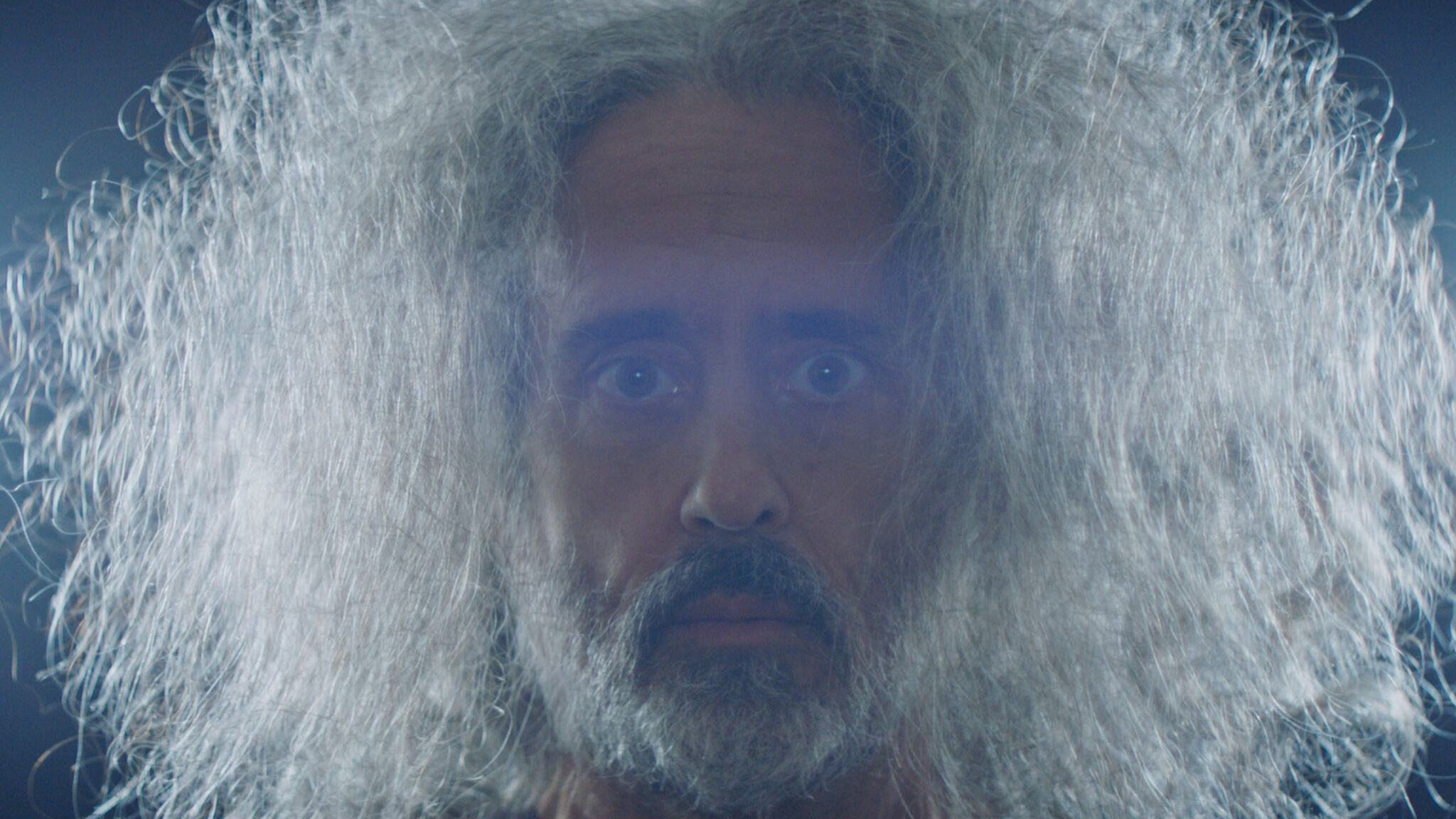
Directed by Tony Benna, André Is an Idiot follows André Ricciardi after a terminal colon cancer diagnosis that could have been prevented with earlier screening. The Sundance Film Festival describes André as a “brilliant idiot” whose diagnosis sends him on a journey to learn how to die happily and ridiculously without losing his humor.
That description sounds impossible until you watch the film. Somehow, the documentary makes space for fear, foolishness, tenderness, regret, family, absurdity, and laughter without flattening any of it. I was not expecting to laugh as much as I did. I also was not expecting the laughter to make the serious parts hit harder.
Humor Becomes the Doorway
Most films about terminal illness lean heavily toward sorrow, and understandably so. Death is not exactly light material. However, André Is an Idiot enters through humor, which changes the emotional contract between the film and the audience.
Instead of asking us to sit in sadness from the beginning, André disarms us. His irreverence gives viewers permission to breathe. Then, once we are laughing, the film quietly brings us closer to the grief sitting underneath.
That balance takes real skill. Humor can easily feel cruel, forced, or evasive in a film like this. Here, it feels deeply connected to André’s personality. He does not use comedy to avoid the truth. More often, he uses it to walk straight toward truth without letting it crush the room.
Because of that, the title changes meaning as the film unfolds. At first, it sounds like a punchline. Eventually, it becomes a complicated act of self-awareness, frustration, honesty, and love.
The Craft: Editing That Knows When to Turn
The editing may be the film’s strongest technical achievement. Sundance awarded André Is an Idiot the Jonathan Oppenheim Editing Award in the U.S. Documentary category, and that recognition makes perfect sense. The film constantly shifts between comedy, intimacy, medical reality, memory, and surreal visual imagination without losing its emotional thread.
Those shifts matter because grief rarely moves in a straight line. One minute someone makes a joke. The next minute a quiet medical detail lands in your chest. A conversation with family may feel warm until a reminder of limited time enters the room. The editing understands that emotional whiplash and uses it honestly.
The film also uses animation and playful visual elements in ways that surprised me. Rather than feeling like decorative tricks, those moments reflect André’s strange, curious, creative mind. They allow the documentary to move beyond talking-head sadness and enter the imagination of a person trying to understand his own ending.
Meanwhile, Dan Deacon’s music gives the film an unusual energy. The score does not simply underline grief. It gives the story movement, curiosity, and an almost mischievous rhythm. That sonic texture helps the film remain alive even while it speaks directly about death.
Public Health Gets Personal
I could not watch this film without thinking about prevention. Public health loves reminders, campaigns, guidelines, and educational materials. Those tools matter. Still, André Is an Idiot reminds us that information does not always overcome denial, inconvenience, fear, procrastination, or the simple belief that nothing bad will happen to us yet.
That is what makes the film so effective. It never feels like a public service announcement, but I left thinking more seriously about screening than I would have after most formal health campaigns. Storytelling can do that. It can bypass defensiveness and reach the part of us that recognizes our own foolishness.
For me, that is where the documentary becomes powerful as public health communication. It does not shame the audience. It lets André call himself the idiot first. Because of that honesty, the message lands with humor instead of scolding.
If you want basic screening guidance beyond the film, the CDC’s colorectal cancer screening resources offer a practical place to start. Still, the film’s deeper reminder is emotional: do not assume your body will keep waiting for you to pay attention.
The Film Is Funny Because Andre Is Fully Alive
What keeps André Is an Idiot from becoming a sad medical diary is André himself. He is curious, inappropriate, loving, self-aware, ridiculous, and clearly surrounded by people who know exactly who he is.
The film’s best moments come when it lets that personality lead. André does not become noble simply because he is sick. Thankfully, the documentary does not sand down his edges to make him easier to admire. He remains funny, frustrating, vulnerable, and wonderfully strange.
That choice feels important. Too often, illness stories turn people into lessons. This film lets André remain a person. He can be wise one minute and absurd the next. Honestly, that contradiction makes him far more moving than any polished inspirational portrait would have been.
It also reminded me of why I care so much about films that protect human complexity. Whether a documentary focuses on public health, memory, land, music, or family, the best ones refuse to reduce people to their circumstances.
What the Film Understands About Time
Watching this, I kept thinking about the Camino. One of the unexpected lessons of walking across Spain was realizing how quickly life becomes simple when tomorrow no longer feels like an abstract promise. Your world narrows to today’s miles, today’s weather, today’s meal, today’s conversation, and whether your feet can carry you to the next village.
André Is an Idiot brought me back to that feeling. Not because the film is about travel, but because it understands the strange clarity that appears when time becomes real. Suddenly, the deferred life looks suspicious. The thing you said you would do later starts asking why later had so much authority in the first place.
That is where the film hit me hardest. It does not simply ask whether André should have gotten screened earlier. Of course he should have. The harder question is what each of us keeps postponing while pretending postponement is harmless.
What May Challenge Viewers
This film will not work for everyone. Some viewers may find the humor too irreverent, especially given the subject matter. Others may struggle with the tonal shifts between jokes, medical reality, family tenderness, and mortality.
Even so, I think that discomfort gives the film its personality. Death rarely arrives with perfect manners. Families do not process fear in one emotional register. People laugh at strange times. They say the wrong thing. They make jokes because silence feels worse.
Because of that, the film’s uneven emotional texture feels honest to me. It does not present dying as one long solemn march. Instead, it shows the boredom, absurdity, love, terror, waiting, paperwork, jokes, and weird little moments that live beside the grief.
Why This Story Matters
André Is an Idiot matters because it understands that creativity can become a form of truth-telling. André chooses to make art out of the thing many people would rather hide. In doing so, he turns one deeply personal story into a larger invitation for the rest of us to pay attention.
That is the kind of storytelling I respect most. It does not preach from a distance. It opens a life and lets us recognize ourselves inside it. The film made me laugh, but it also made me think about my own habits, my own health, my own unfinished conversations, and my own casual belief that there will always be more time.
Stories like this sit beside other independent films that have moved me because they use form, humor, memory, or vulnerability to make difficult truths feel human. The best cinema does not only show us someone else’s life. It quietly asks us to reconsider our own.
DG Speaks Take
André Is an Idiot is funny, strange, tender, visually inventive, and far wiser than its title wants you to believe. It uses humor not to escape mortality, but to make mortality possible to discuss without losing the fullness of life.
Watch it if you appreciate documentaries that mix comedy with emotional honesty, films about public health without the lecture, and stories that make you want to call someone you love after the credits roll. More importantly, watch it if you have been putting off the appointment, the conversation, the dream, or the change you keep telling yourself can wait.
For more DG Speaks film writing, explore my coverage of independent cinema that asks bigger questions, my reflection on the quiet architecture of intimacy, and my review of a film that turns storytelling itself into a living archive.