IndieLisboa 2026: Identity, Intimacy, and the Stories That Refused to Play Safe
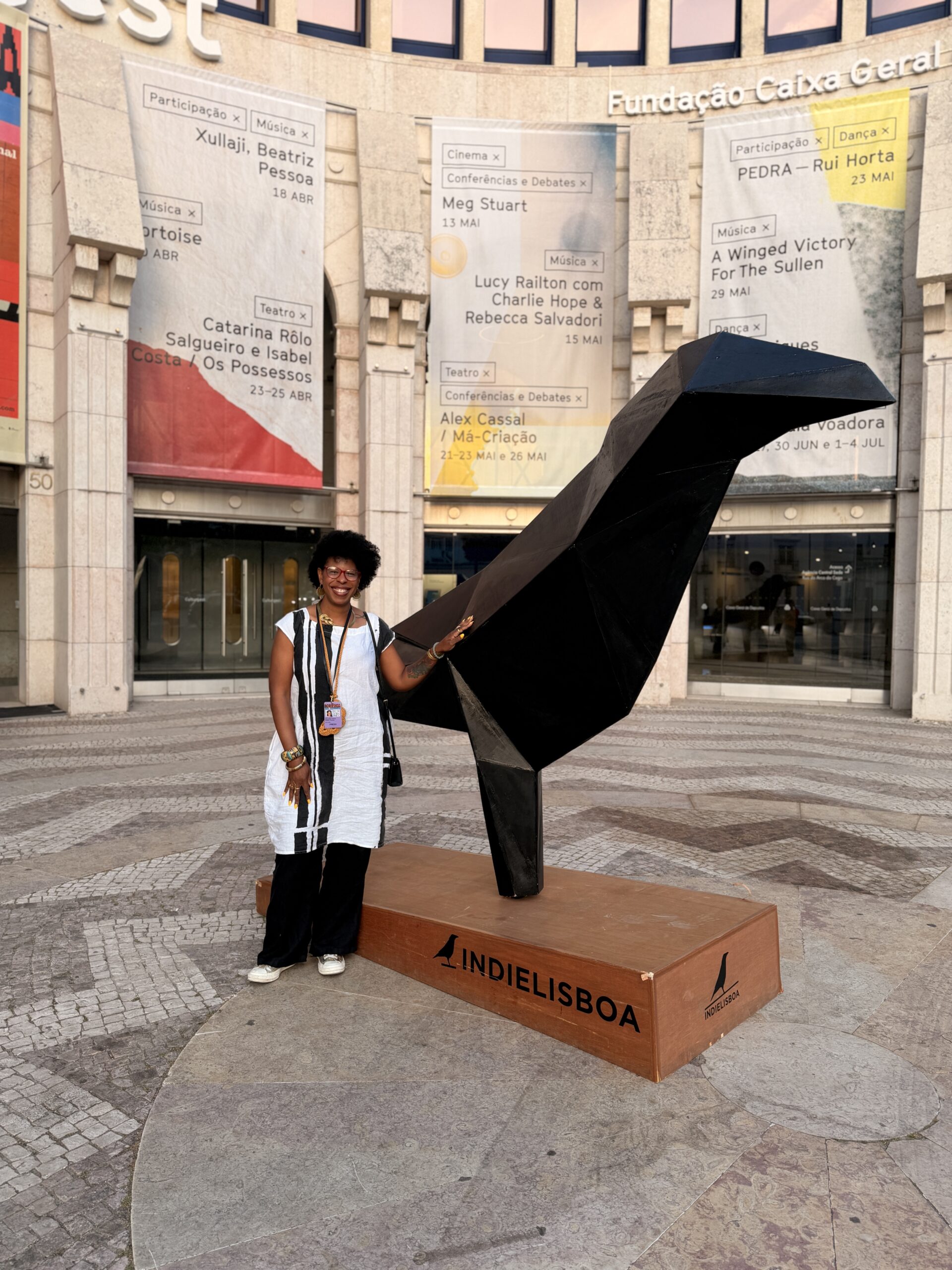
While at the 2026 IndieLisboa Film Festival, it hit me just how exhausting film festivals can be. Not physical exhausting, emotionally exhausting.
You spend hours moving between theaters, reading synopses, trying to decode what’s worth your time, sitting through films that critics will probably call “bold” or “challenging” even when they feel emotionally disconnected from actual human experience.
And then suddenly, a film cuts through the noise.
That was my experience at IndieLisboa 2026.
This year’s festival was filled with films exploring identity, queerness, intimacy, memory, vulnerability, masculinity, power, and imagination. Some worked for me more than others. But the films that stayed with me all shared one thing in common:
They understood people.
Not in an abstract way. Not as political symbols or aesthetic exercises. But as emotionally complicated human beings trying to navigate connection, trust, belonging, and survival.
And honestly, that’s what I’m always searching for in cinema.
When Independent Film Stops Performing and Starts Saying Something
One thing I noticed quickly while moving through IndieLisboa was how easy it is for independent cinema to drift into self-consciousness.
Some films seemed deeply invested in atmosphere, experimentation, and visual language while forgetting to give viewers an emotional anchor. There were moments where I found myself admiring technique while feeling completely disconnected from the people on screen.
But the strongest films at the festival avoided that trap.
They weren’t afraid of emotional clarity.
They trusted relationships, vulnerability, silence, and tension to carry meaning without hiding behind ambiguity for the sake of appearing intellectual.
And those were the films that resonated most with me.
Patty Is Such a Girly Name and the Fragility of Trust
One of the films that sparked the biggest conversation for me was Patty Is Such a Girly Name, directed by Guil Sela.
At first glance, it appears to be a film about judo. But underneath that framework is a much more layered conversation about trust, touch, identity, emotional connection, and reputation.
One line from the film stayed with me:
“Judo is all about touch.”
It sounds simple, but the film transforms that idea into something emotionally loaded. Once accusations and suspicion enter the environment, even touch itself becomes complicated.
What I appreciated most is that the film refuses simplistic moral conclusions. Instead, it explores the emotional ripple effects that accusations, fear, and perception can create inside relationships and institutions.
The film also raises difficult but important questions about how reputation functions as power and how quickly trust can collapse once perception changes.
In many ways, Patty Is Such a Girly Name felt less like a sports film and more like a meditation on emotional vulnerability and social fragility.
[Read the full DG Speaks review of Patty Is Such a Girly Name.]
Éramos Só Putos and the Emotional Complexity of Queer Youth
Another standout for me was Éramos Só Putos (We Were Just Brats).
This film understands something many coming-of-age stories miss entirely: vulnerability does not always announce itself loudly.
Sometimes it exists in glances. Silence. Hesitation. Emotional uncertainty.
The film explores youth, queerness, masculinity, and belonging with a softness that feels incredibly honest. It allows its characters to exist inside emotional ambiguity without trying to force them into neat conclusions or exaggerated performances.
What struck me most was how emotionally restrained the film felt in the best possible way.
Nothing felt performative.
The boys in this story are not treated as symbols. They are allowed to simply be young people trying to understand themselves and each other while navigating the pressure of identity formation.
And honestly, that emotional honesty gave the film its power.
[Read the full DG Speaks review of Éramos Só Putos.]
Sun Ra and the Radical Power of Black Imagination
One of the most culturally significant screenings I attended was Sun Ra: Do the Impossible.
What made this documentary so compelling is that it understood Sun Ra as more than a musician. It understood him as a world-builder.
Long before conversations around Afrofuturism entered mainstream cultural discourse, Sun Ra was already imagining alternative futures through music, language, spirituality, performance, and mythmaking.
And he did it without apology.
Watching the film, I kept thinking about how often Black creativity is discussed only within the framework of struggle or realism. Sun Ra rejected that limitation completely.
He treated imagination itself as liberation.
The documentary does an excellent job resisting the urge to simplify him. Instead, it allows him to remain expansive, complicated, visionary, and intellectually free.
And honestly, that refusal to shrink him for audience comfort felt deeply important.
[Read the full DG Speaks review of Sun Ra: Do the Impossible.]
The Films That Connected Were the Ones Willing to Be Human
One thing I left IndieLisboa thinking about is how hungry audiences still are for emotional truth.
Not spectacle. Not performance. Not artificial complexity.
Truth.
The films that resonated most with me were not necessarily the most technically ambitious or stylistically experimental. They were the ones willing to sit honestly with identity, connection, fear, tenderness, vulnerability, and emotional contradiction.
And maybe that’s why these films continue to matter.
Because even in increasingly digital and disconnected times, people still want stories that help them feel seen.
Indie Film Festivals in the Age of Algorithms
In an era dominated by algorithms, franchises, and content designed for maximum engagement, festivals like IndieLisboa still serve an important purpose.
They create space for films that are quieter. Stranger. More vulnerable. More culturally specific. More emotionally risky.
Not every film works.
And honestly, that’s part of the value.
Film festivals are one of the few places where audiences can still encounter stories that are trying to discover something rather than simply reproduce formulas that already sell.
That experimentation matters.
But what matters even more is when filmmakers use that freedom to say something real.
And at its best, IndieLisboa 2026 did exactly that.
Not Every Film Worked, But the Honest Ones Did
IndieLisboa 2026 reminded me that the films I connect with most are rarely the ones trying hardest to impress me.
They’re the ones willing to engage honestly with:
- identity
- power
- vulnerability
- intimacy
- masculinity
- queerness
- imagination
- and emotional survival
The strongest films at this festival understood that storytelling is not simply about aesthetics.
It is about human connection.
And the films that recognize that will always stay with us longer than the ones simply trying to appear important.