Beer Culture: What Beer Says About a Place
Beer culture is never just about what is in the glass. It is about the hands that pour it, the food that arrives beside it, the music humming in the background, and the stories people start telling once the first round loosens the room.
For years, I thought beer was simply a drink. Some people loved it, while I could take it or leave it. Then travel quietly started changing my perspective, one city, one neighborhood, and one unexpected conversation at a time.
That journey is part of why I wrote about my love-hate relationship with beer. Eventually, I stopped treating beer like one single thing. Instead, I began seeing it as a cultural language, spoken differently everywhere I went.
Where Every Glass Invites You In
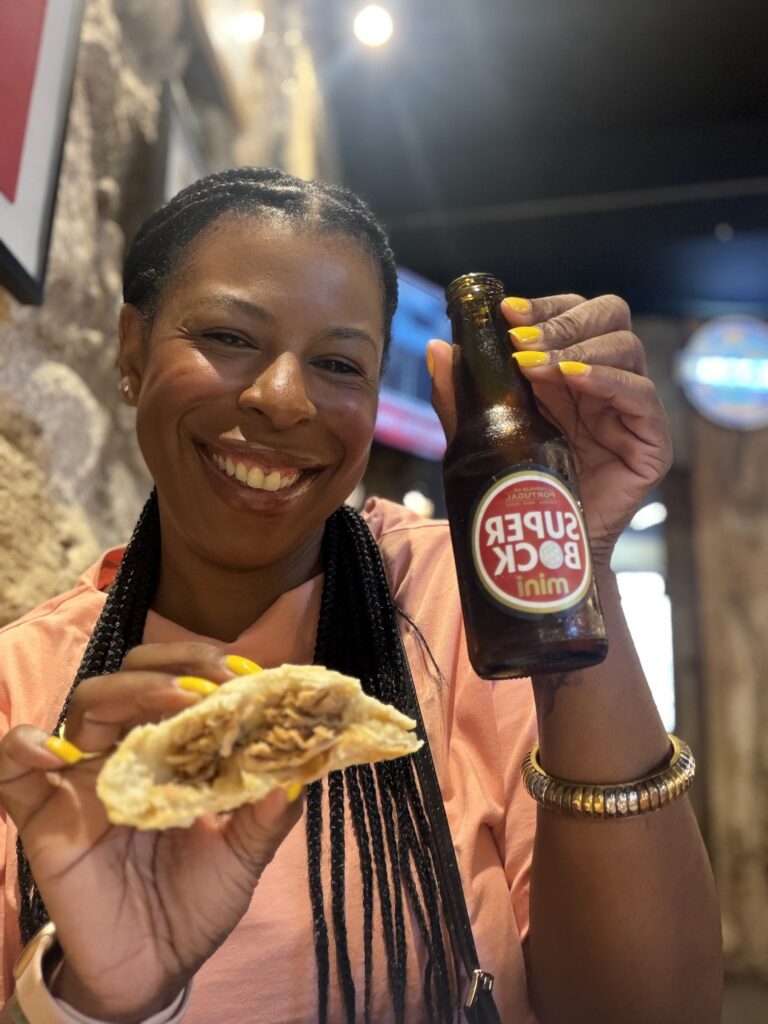
Across the world, beer often serves as an invitation. It appears after work, during festivals, around backyard tables, inside neighborhood pubs, and beside meals made with love. More often than not, people gather around a beer because they want to spend time together, not because the drink itself is the main attraction.
Of course, not everyone drinks beer. Likewise, beer culture is not always welcoming, balanced, or fair. Still, when you slow down and pay attention, you begin to notice the traditions hiding in plain sight.
Who gets invited to the table? What kind of atmosphere does the bar create? Does the room buzz with laughter, or does it encourage quiet conversation? More importantly, what do those little details reveal about the people who call this place home?
At its best, beer culture creates connection. It turns strangers into temporary neighbors, encourages conversations that might never happen otherwise, and gives people permission to slow down for a little while. In a world that constantly asks us to rush, I find that invitation surprisingly refreshing.
Every Pour Carries a Past
Beyond the social rituals, beer culture carries history. Brewing traditions reach back thousands of years, and those stories include women, farmers, immigrants, laborers, entrepreneurs, and entire communities whose contributions are often overlooked.
For that reason, I appreciate places like Heurich House and Senate Beer. What looks like the story of a brewery quickly becomes the story of immigration, resilience, determination, and the pursuit of opportunity. Suddenly, the beer itself becomes only one chapter in a much larger narrative.
In fact, I explored some of those deeper roots in Fluid Foundations, where I looked at beer and wine through the lens of ritual, agriculture, civilization, and humanity’s long relationship with fermentation.
To me, that is what makes beer culture so fascinating. On the surface, it may look like little more than a cold drink shared among friends. Yet underneath that foam lives a much richer story filled with migration, agriculture, gender, craftsmanship, celebration, and identity.
A Passport Stamped One Pint at a Time
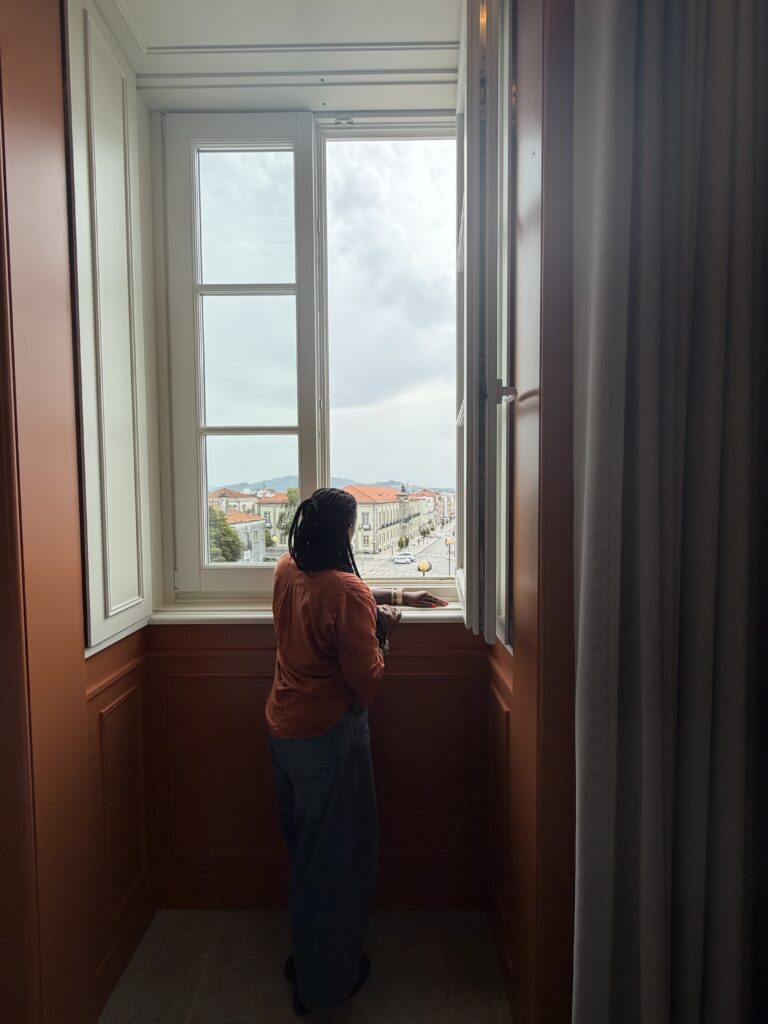
Wherever I travel, one of my favorite discoveries is seeing how familiar beer can feel while still reflecting the personality of the place that serves it. Beer styles may cross borders, yet every destination manages to make them its own.
A beer in Washington, DC, does not feel like a beer in Prague. Likewise, a brewery in Kenya creates a completely different experience from a neighborhood bar in Lisbon. Even two breweries only a few miles apart can have entirely different personalities. That contrast is exactly what keeps me curious.
Instead of seeing beer as a product, I have started seeing it as a reflection of local identity. Every glass tells me something about the people who brewed it, the community that supports it, and the traditions that continue to shape it. Long before I understand a city’s history books, I can often understand a little of its personality by sitting down with the people who call it home.
Because of that, places like Beer Barrio stay with me long after the meal is over. Yes, the beer was enjoyable. So was the food. However, what I remember most is the atmosphere. Color filled the room. Art covered the walls. Conversations flowed naturally, laughter bounced from table to table, and the entire experience celebrated sabor Latino in a way that felt genuine rather than manufactured.
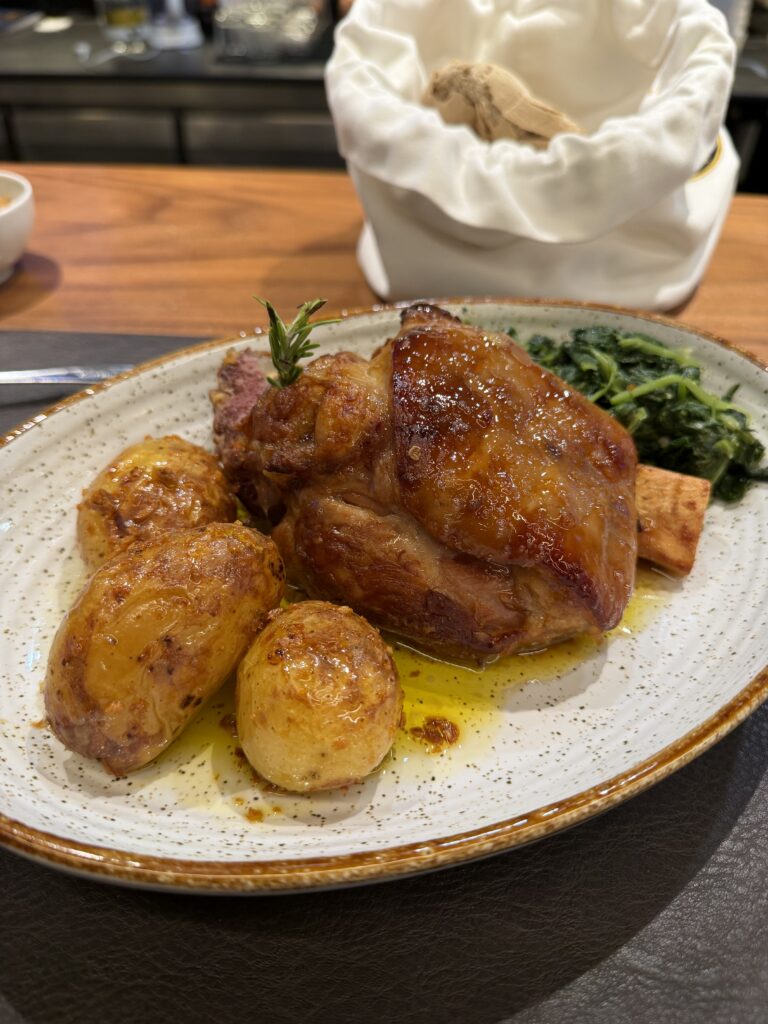
Moments like that remind me that hospitality can be its own form of storytelling. Sometimes a restaurant, brewery, or neighborhood pub teaches you more about a culture than a museum ever could because you are experiencing it instead of simply reading about it.
Curiosity Is the Best Thing You Can Bring to the Table
As my relationship with beer has evolved, I have realized something important. Beer culture was never asking me to become an expert. Instead, it was inviting me to become curious.
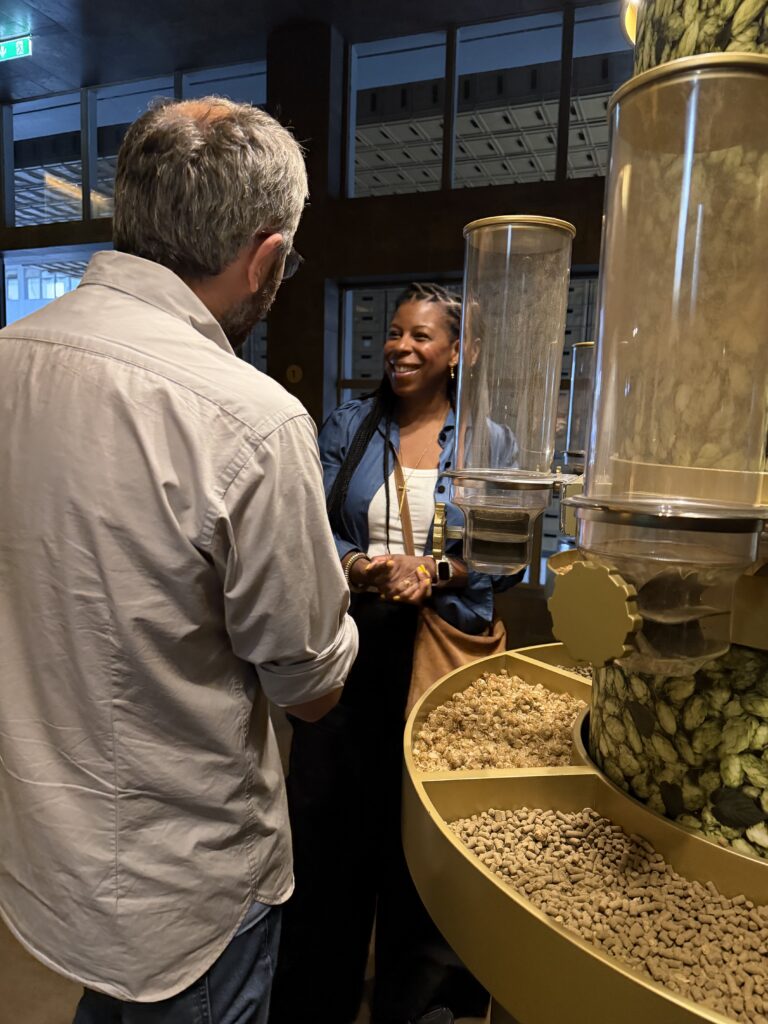
Now, when I visit a new brewery or neighborhood bar, I find myself asking different questions. Who started this place? Why did they open here? Which beer are they most proud of? What food do the locals usually order alongside it? Those conversations almost always become more memorable than whatever is sitting in my glass.
Interestingly, the same curiosity shapes the way I travel. Whether I am exploring a local market, interviewing a farmer, wandering through a museum, or sitting inside a brewery, I am always trying to understand what makes a place uniquely itself. Beer simply became another doorway into those conversations.
Beer Culture Belongs to Everyone
Perhaps that is why I never want beer writing to feel like an exclusive club. Nobody should need a perfect vocabulary, an advanced palate, or years of brewing knowledge before feeling comfortable ordering a drink.
Instead, beer culture belongs to anyone willing to learn. It belongs to travelers who ask questions, to home brewers who love experimenting, to historians fascinated by ancient traditions, and to people who simply enjoy sharing a meal with friends after a long day.
Above all, beer culture belongs to the communities that continue creating it every single day. After all, culture does not exist only inside museums or history books. It lives in neighborhood breweries, family-owned restaurants, crowded festivals, backyard cookouts, and tiny pubs where complete strangers somehow leave feeling like old friends.
That is the beer culture I have come to appreciate.
It is not about memorizing every beer style or pretending to detect twenty different tasting notes in a single sip. Rather, it is about paying attention to people, honoring local traditions, supporting small businesses, and recognizing that every destination has its own story waiting to be shared.
For me, the best beer has never been defined by what was in the glass alone. Instead, it has always been shaped by where I was, who I met, what I learned, and how that experience helped me see the world a little differently.
Continue exploring: Read about my love-hate relationship with beer, discover the history behind Heurich House and Senate Beer, explore the fascinating history of beer and wine, or experience the vibrant atmosphere of Beer Barrio.