Why Camino Villages Feel Like Little Worlds
Why Camino Villages Feel Like Little Worlds
Camino villages are not just dots on a map. They are little worlds with stone walls, morning bells, sleepy cafés, laundry lines, old churches, and residents who have watched generations of pilgrims pass through carrying too much and learning to need less.
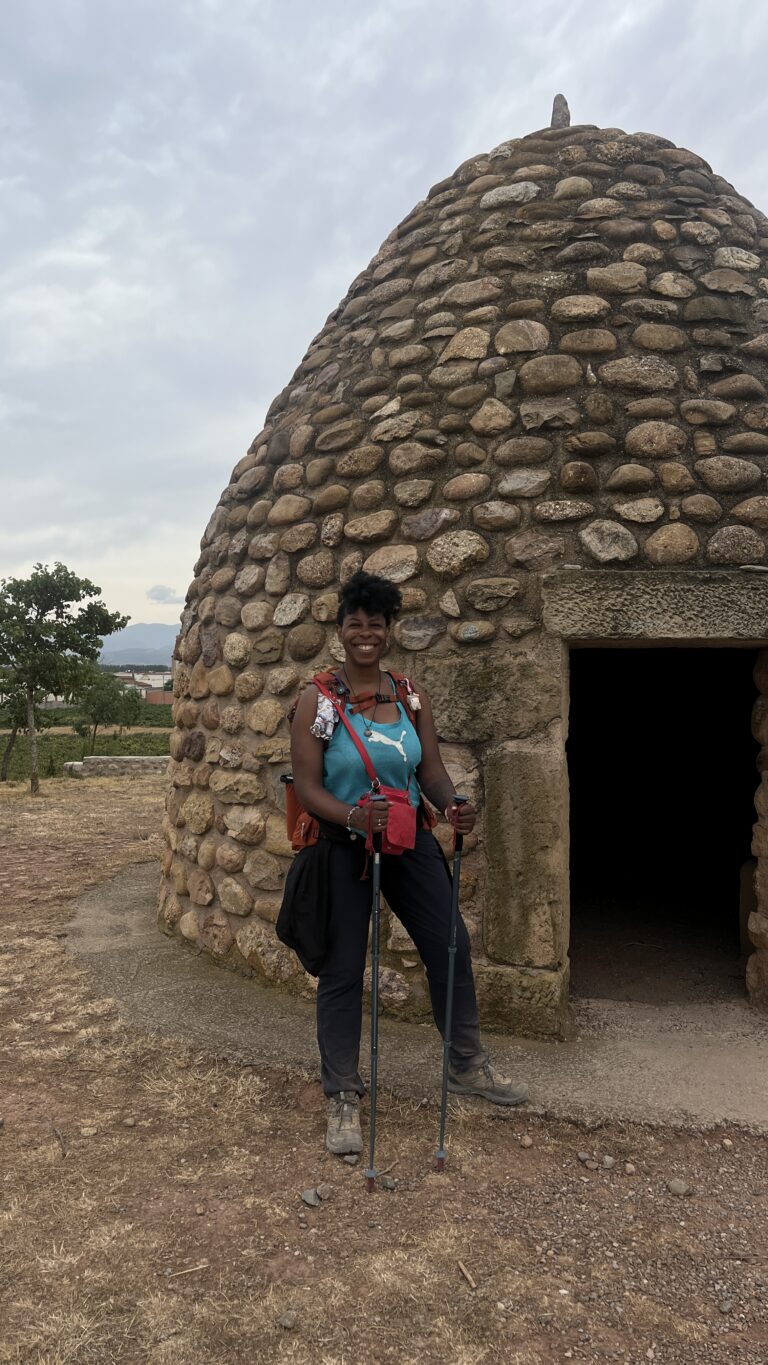
Before I walked the Camino Francés, I imagined Spain in the way many travelers do. Big cities. Beautiful architecture. Tapas. Museums. Trains. Late dinners. All of that is real, of course. But the Camino pulled me into another Spain, one that asked me to slow down enough to notice the village fountain, the bakery window, the old man watching the morning from a bench.
That is where the road started teaching me culture in a language deeper than tourism.
Every Village Had Its Own Personality
Some villages felt like a soft landing. Others felt practical, like they existed to give pilgrims water, coffee, a stamp, and a place to keep moving. A few had a quiet beauty that made me want to stay longer, even when my feet knew we had miles left.
That is the thing about slow travel. When you move by foot, places reveal themselves differently. You do not arrive sealed inside a car or bus. You arrive dusty, tired, open, and a little vulnerable. The village meets you in that condition.
Sometimes it offers coffee. Sometimes it offers shade. Sometimes it offers nothing more than a wall to lean on. Still, each village becomes part of the day.
The Camino Is Built on Ordinary Hospitality
The grand cathedrals get the attention, and they should. But I also found myself thinking about the ordinary people who keep the Camino alive. The café owner. The hospitalero. The woman sweeping outside her door. The person who points you back toward the yellow arrow when you look confused.
The Camino exists because communities continue to make room for pilgrims. That does not mean every interaction is warm and fuzzy. These are real places, not movie sets. People live there. They work there. They get tired too.
Still, the route depends on a quiet kind of cooperation. When I stayed in albergues, ate pilgrim meals, or stopped for water, I felt that network holding the journey together. I explored that more in What Albergue Life Really Taught Me on the Camino.
History Walked Beside Us
It is impossible to walk the Camino without feeling history nearby. Even as someone who did not walk for traditional religious reasons, I could feel the weight of all those feet that came before mine. The churches, bridges, crosses, and old stones held memory.
If you want to understand the broader cultural significance of the route, the UNESCO listing for the Routes of Santiago de Compostela in France offers helpful context. For Galicia and the final stretch into Santiago, the official Camino de Santiago site is also a useful resource.
However, no official description can fully explain what it feels like to enter a village on foot after a long morning. That kind of knowing lives in the body.
Small Places Can Hold Big Lessons
I have traveled all over the world, and I still believe small places often teach the most. They do not distract you with spectacle. They ask you to pay attention.
On the Camino, a small village can show you how people organize life around weather, food, faith, work, and passing strangers. It can show you what endurance looks like when a place has survived centuries of change. It can remind you that culture is not only found in museums. It is found in bread, bells, benches, and the way a town wakes up.
That is why I am building this Camino de Santiago section on DG Speaks. I want to hold both parts of the journey: the practical and the poetic. The route matters, yes. But the places along the route matter too.
Do Not Rush Through the Villages
If you walk the Camino, give yourself permission to pause. Sit in the square. Order the coffee. Look up at the old buildings. Notice who is working. Notice who is resting. Notice how the village receives pilgrims and how pilgrims move through it.
For tours before or after the pilgrimage, I recommend using GetYourGuide to explore nearby cities and cultural sites without losing that spirit of curiosity. And if you need travel planning support, you can book time with me through Calendly.
The Camino villages taught me that slow travel is not only about moving slowly. It is about caring enough to see what is right in front of you.