Why Every Camino Village Has a Story
Why Every Camino Village Has a Story
Camino villages are not just places to sleep, refill water, or find the next cup of coffee. They are living chapters in a very old story. Each one has its own rhythm, its own morning sounds, its own stone walls, church bells, fountains, benches, and residents who watch pilgrims arrive with tired feet and hopeful faces.
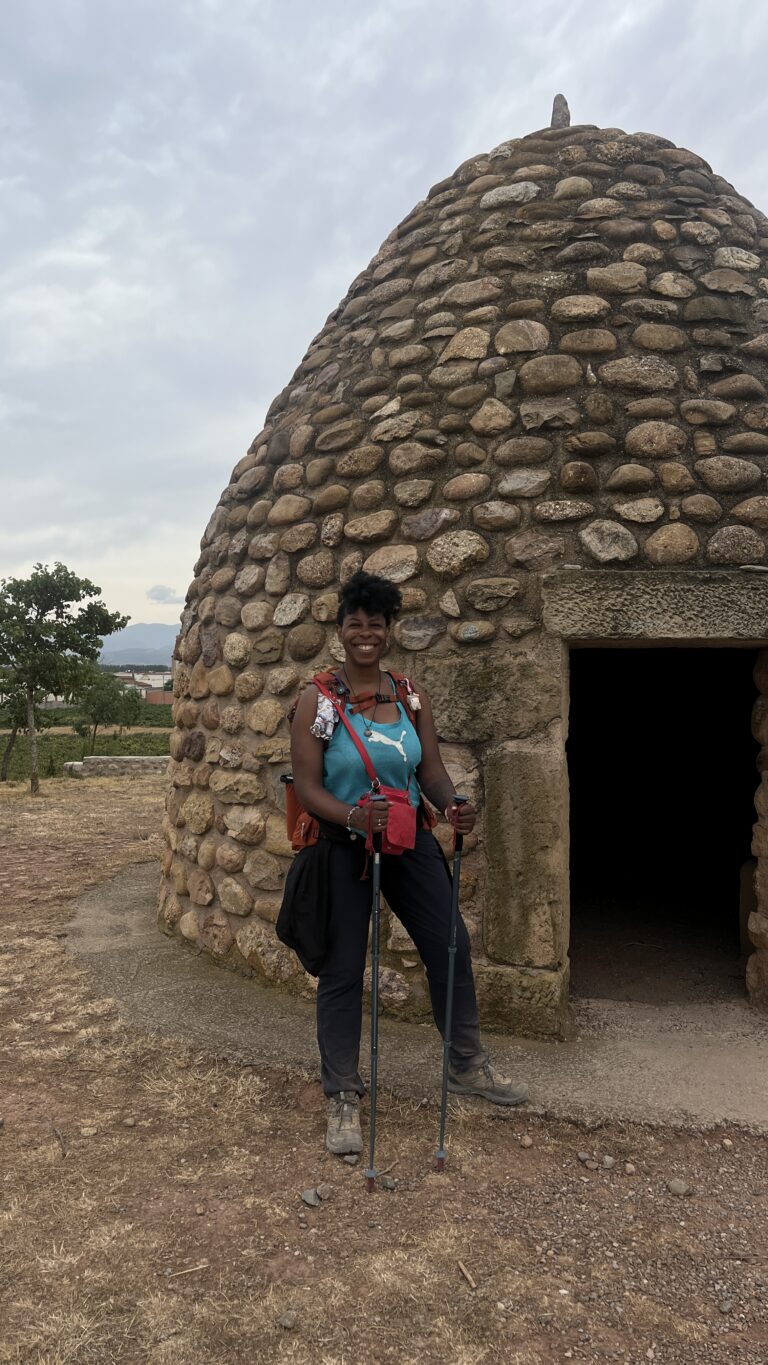
Before walking the Camino Francés, I knew Spain through cities, food, history, and travel dreams. The Camino introduced me to another Spain. A slower Spain. A village Spain. A Spain you meet when you arrive on foot, dusty and humbled, carrying everything you think you need on your back.
That kind of arrival changes how you see a place.
Walking Makes You Pay Attention
When you arrive by car or train, you can miss the small transitions. Walking does not let you miss them. You feel the road change under your shoes. You notice the approach to a village. You see roofs appear in the distance and feel your whole body respond with relief.
A village on the Camino is not only scenery. It is possibility. Maybe there is coffee. Maybe there is shade. Maybe there is a fountain. Maybe there is an albergue bed waiting. Maybe there is a church where you can sit quietly for five minutes and let your legs forgive you.
Those small hopes make each village matter.
Ordinary Life Continued Around Us
One thing I loved was remembering that the Camino is not a stage set for pilgrims. People live there. They work, sweep, garden, shop, drive, argue, rest, and carry on with ordinary life while thousands of pilgrims pass through their towns each year.
That awareness matters. It keeps you respectful. These villages are not props in our transformation story. They are communities with their own histories, needs, frustrations, and beauty.
The Camino survives because local people continue to make room for strangers. That is no small thing.
Hospitality Has a Local Face
Hospitality on the Camino often looked simple. A café opening early. A hospitalero explaining the rules. A resident pointing a confused pilgrim back toward the yellow arrow. A meal served without ceremony but with enough care to keep the day moving.
That ordinary hospitality became part of my understanding of Camino community. The road is held together by countless people who may never appear in the pilgrim’s Instagram caption, but who make the journey possible.
If you want official context for the route, visit the official Camino de Santiago in Galicia website and Spain Tourism’s Camino Francés guide.
History Was Everywhere
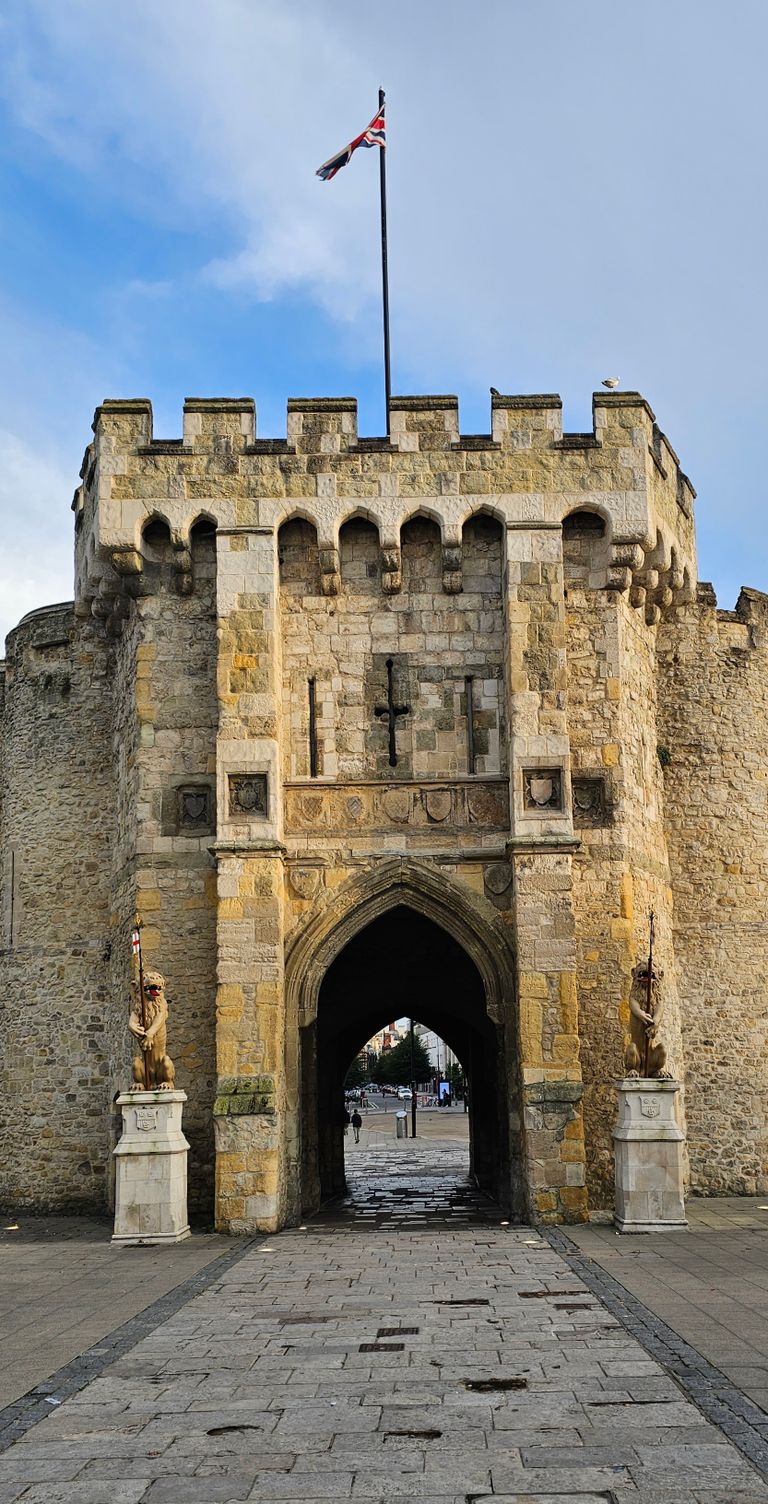
Even when I was not thinking about history, history was walking beside me. Old churches. Stone bridges. Crosses. Narrow streets. Buildings that had seen more pilgrims than I could imagine.
As someone who did not walk from a traditional religious place, I still felt the sacred weight of the route. Not every sacred thing announces itself with doctrine. Sometimes it lives in old stones, worn paths, and the knowledge that people have carried longing across this same ground for centuries.
I wrote more about that in Walking the Camino Without Being Religious.
Do Not Rush the Small Places
If you walk the Camino, resist the urge to treat every village as a checkpoint. Sit down. Look around. Notice who is working. Notice who is resting. Notice what the village gives pilgrims and what pilgrims ask of the village.
That is where slow travel becomes ethical travel. It asks us to see people, not just consume places.
For tours before or after your Camino, GetYourGuide can help you explore Spanish cities and cultural sites. But while you are walking, give the villages your attention. They are part of the pilgrimage too.
Every Camino village has a story. The gift is arriving slowly enough to hear it.