Why I Keep Returning to Women Who Feed Movements
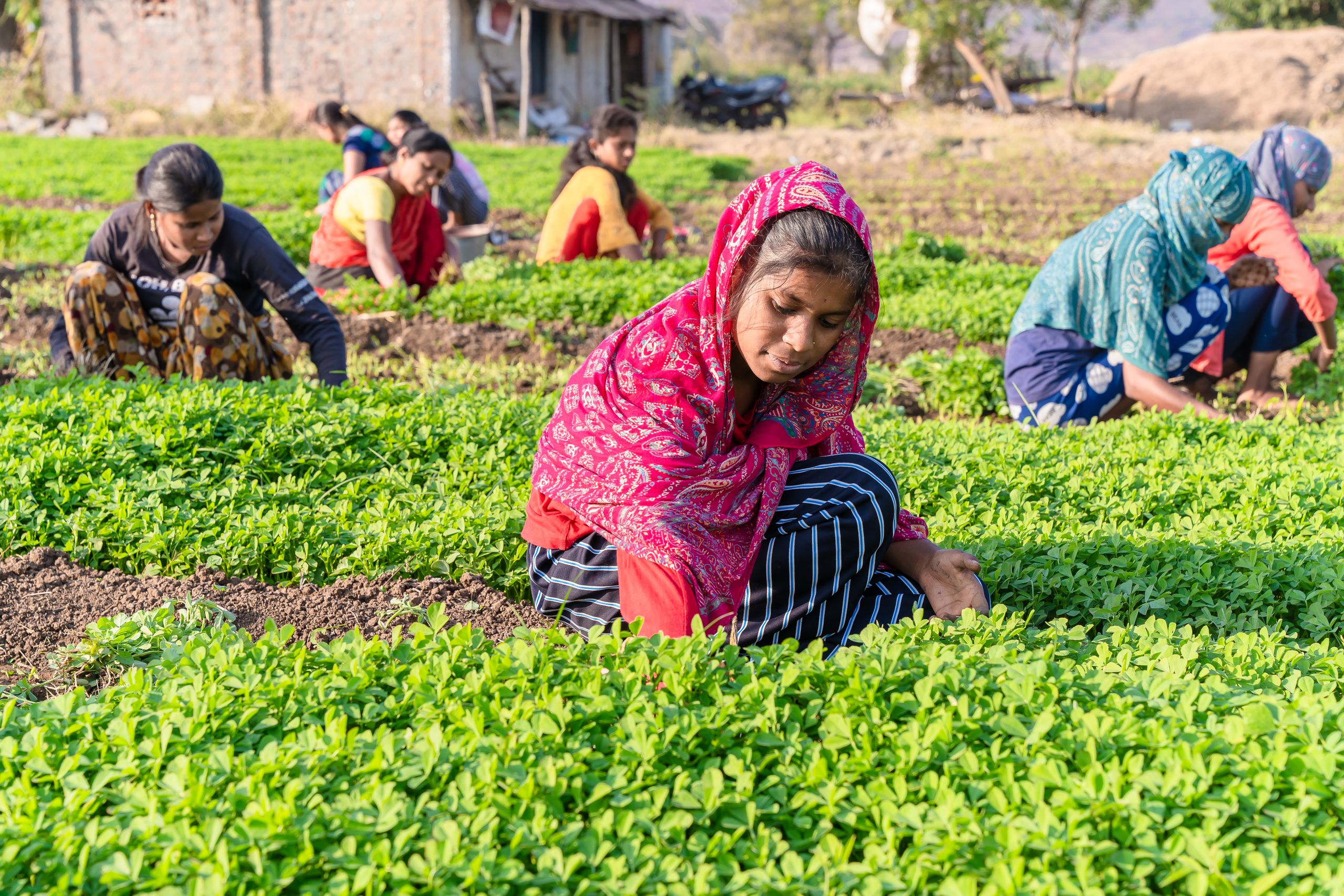
I’ve spent enough years working in agriculture, food systems, and international development to know something that history doesn’t always acknowledge. Women feed movements. Long before the speeches begin, before policies change, and before history remembers the leaders on stage, someone has usually been making sure everyone else has something to eat.
Every Movement Needs a Kitchen
When we think about social movements, we often picture marches, protests, community meetings, or powerful speeches. Those moments matter. However, they don’t happen in isolation.
Someone packed lunches. Someone brewed coffee before sunrise. Someone made soup, filled coolers with water, organized potluck dinners, or stayed behind to wash dishes after everyone else went home. That work rarely makes the history books, yet movements depend on it.
Over and over again, that invisible labor has fallen to women.
Food Is Infrastructure
One lesson my career has taught me is that food isn’t simply about nutrition. It’s infrastructure. Communities cannot organize, recover, advocate, or innovate if people are hungry.
That truth connects deeply with the work I’ve written about in women in food systems and the importance of community resilience. Before resilience becomes a buzzword, somebody has already started cooking.
Care Work Is Leadership
I sometimes think we underestimate the political power of care. Preparing meals, checking on neighbors, feeding volunteers, and making sure people have enough energy to continue isn’t separate from leadership. It is leadership.
Throughout history, women have often organized communities from kitchens, church halls, school cafeterias, community gardens, and neighborhood tables. Those spaces may not look like traditional centers of power, yet they have sustained countless movements for justice, education, and social change.
Nourishment Is a Strategy, Not an Afterthought
I’ve become increasingly convinced that feeding people is one of the smartest investments any organization can make. People think more clearly, collaborate more effectively, and solve problems more creatively when their basic needs have been met.
That is why I never dismiss food as logistics. Whether I’m consulting on agricultural development, attending conferences, or organizing community events, I pay attention to who is feeding people and whether that labor is being recognized.
Quality ingredients from ButcherBox can help simplify meals for gatherings, while practical kitchen and hosting tools from my Amazon shop make community meals easier to organize.
The Table Deserves More Credit
The next time you admire a movement, a nonprofit, a conference, or a successful community initiative, look beyond the podium. Ask who made sure everyone was fed. Ask who remembered the water, the coffee, the shared meal, and the quiet acts of care that made the public work possible.
Movements don’t survive on passion alone. They survive because people nourish one another. More often than not, women have carried that work with extraordinary skill and very little recognition.
Perhaps it’s time we started treating feeding people not as support work, but as one of the most important forms of leadership there is.
Keep Exploring on DG Speaks
If you’re interested in the intersection of food, gender, and sustainable development, continue exploring DG Speaks through my articles on Food, Culture, and Sustainable Development.
This article may include affiliate links. If you purchase through them, DG Speaks may earn a small commission at no additional cost to you. Read my full disclosure.