The Beauty of a City After Rain
I once stepped out of a café just as the rain stopped and found a completely different city waiting for me.
Only an hour earlier, the streets had felt gray and hurried. People rushed beneath umbrellas, buses sprayed water along the curb, and I had ducked inside to escape a sudden downpour.
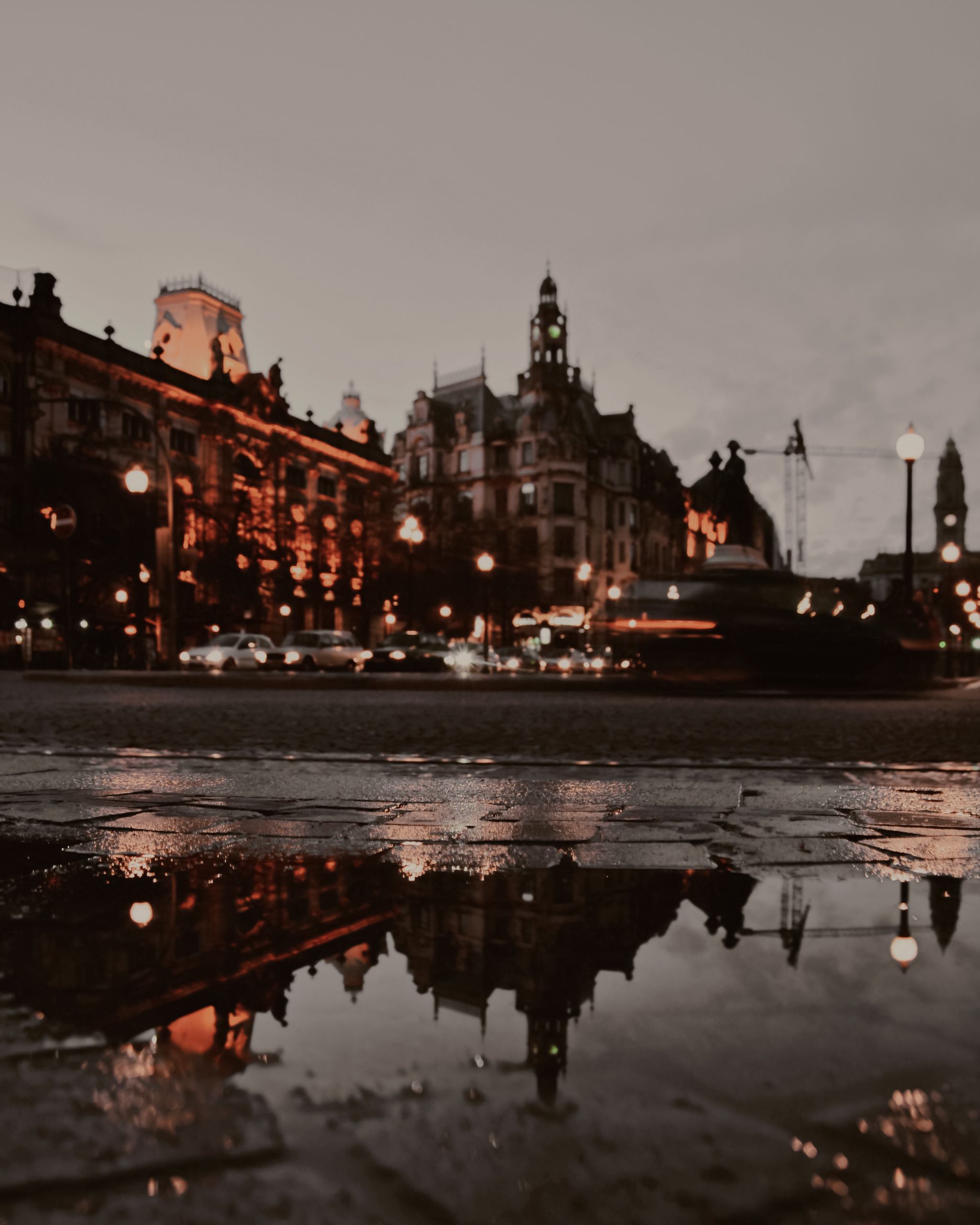
When I returned outside, the clouds had begun to break. Every building seemed doubled in the wet pavement. Streetlights stretched across puddles, balconies shimmered beneath the remaining drops, and the air smelled cooler than it had before.
I stood beneath the café awning longer than necessary.
Nothing about the neighborhood had actually changed. Still, the city after rain looked as though someone had washed away the noise and handed it back to me with sharper edges, deeper colors, and a little more room to breathe.
The Afternoon the Pavement Became a Mirror
Rain changes the ground first.
Ordinary sidewalks begin reflecting windows, trees, traffic lights, and passing bodies. A building I barely noticed before suddenly appears beneath my feet, distorted slightly by ripples and footsteps.
I love that temporary doubling.
The city seems to exist above and below me at once. Neon signs stretch across the street. Headlights break into long ribbons, while old stone takes on a darker, richer color.
Even places I know well can feel unfamiliar.
Weather changes the visual language of a neighborhood without moving a single building. It asks me to look again.
Rain Made Everyone Walk Differently
Before the storm, people moved quickly and directly.
Afterward, the sidewalk required negotiation.
Someone stepped around a deep puddle. Another person balanced along the narrow dry edge beside a building. Strangers adjusted their paths to avoid colliding beneath dripping awnings.
The city became choreography.
Every pedestrian made small calculations. Could I clear the water in one step? Was the curb deeper than it looked? Would the passing car slow down before reaching that enormous puddle?
Our movements softened because the ground demanded attention.
I noticed more simply because I could not rush carelessly forward.
The Air Had Been Given Back to Us
Rain can make city air feel newly washed.
Heat lifts from the pavement. Dust settles, and familiar smells sharpen. Wet stone, soil, leaves, traffic, food, and old buildings begin mingling in ways I did not notice before.
Sometimes, the scent feels clean and green. Elsewhere, rain reveals everything the dry air had hidden.
Storm drains release unpleasant smells. Trash becomes heavier, and crowded streets retain the dampness long after the clouds move away.
A city after rain does not always smell beautiful.
It smells honest.
The weather brings hidden systems closer to the surface. I become more aware of drainage, pavement, trees, traffic, and how the built environment responds when water arrives faster than it can disappear.
The Umbrellas Stayed Open After the Sky Cleared
People rarely trust the end of a storm immediately.
Umbrellas remain open for several blocks. Hoods stay pulled forward, and everyone keeps glancing upward as though the clouds may change their minds.
I do the same.
Travel has taught me that weather forecasts can make promises the sky refuses to keep. A bright patch may last ten minutes before another cloud arrives.
So, I walk cautiously.
The folded umbrella stays in my hand instead of returning to the bag. My jacket remains zipped, and I avoid settling too comfortably into the idea that the rain has finished.
That uncertainty becomes part of the walk.
The City Looked Better Without Trying
Many cities work hard to present a polished face.
Tourism campaigns highlight bright skies, clean plazas, colorful buildings, and people enjoying outdoor cafés. Rain interrupts that performance.
Outdoor tables sit empty. Posters curl at the edges, and construction dust turns into muddy streaks.
Yet, I often find the city more beautiful in that unplanned state.
The streets stop posing.
I see delivery workers navigating slick pavement, shopkeepers sweeping water from entrances, and residents carrying groceries beneath umbrellas.
The place becomes less like a postcard and more like a living environment.
That version interests me.
A Second Chance at the Same Street
Slow travel has taught me that repetition can reveal more than constant movement.
I may walk the same street in bright morning light, evening shadows, and rain. Each version offers different information.
That idea connects with my reflections on choosing presence over pace through slow travel.
I do not always need another attraction.
Sometimes, I need to see the same place under different conditions.
Rain changes who uses the street, how businesses operate, and where people gather. A plaza that felt crowded during sunshine may become almost private after a storm.
The familiar route receives a second chance to surprise me.
The Puddles Told Me Where the City Struggled
Water reveals infrastructure quickly.
Some streets drain within minutes. Others become difficult to cross after a brief storm.
Puddles gather where pavement has cracked or sidewalks dip. Wheelchairs, strollers, bicycles, and pedestrians must navigate around areas that city planners may rarely experience on foot.
Rain makes accessibility visible.
A route that feels manageable in dry weather can become dangerous when surfaces turn slick. Uneven stones create new risks, while blocked drains force people into traffic.
I begin noticing who moves easily and who has to work harder.
Weather does not create every inequality in a city. However, it often exposes them.
The Woman in the Doorway Knew the Storm Better Than I Did
As a traveler, I sometimes experience rain as atmosphere.
I take photographs, admire reflections, and enjoy the cooling air. Residents may experience the same storm through work, transportation, damaged property, or a leaking roof.
I once watched a woman standing in a shop doorway studying the street after heavy rain.
She was not admiring the view.
Water had gathered near the entrance, and she seemed to be deciding whether it would rise further. Her expression reminded me that beauty and concern can occupy the same scene.
That awareness matters when I write about place.
I explore it further in my thoughts on cultural travel writing rooted in respectful curiosity. A traveler’s mood does not define what an event means to everyone else.
Rainy Photographs Have Their Own Language
Bright sunlight offers clarity.
Rain creates mood.
Colors deepen, reflections multiply, and people become silhouettes beneath umbrellas. Windows glow against darker streets, while water creates movement across otherwise still surfaces.
I enjoy photographing a city after rain because the images feel layered.
However, I also try not to spend the entire walk looking through a screen.
The camera can make me notice details. It can also place distance between me and the experience.
Sometimes, I lower the phone and watch the reflections break beneath someone’s shoes.
Not every beautiful moment needs proof.
The Café Became More Inviting After the Storm
Rain changes indoor spaces too.
A café window begins framing the street differently. Warm light feels warmer, and the scent of coffee or bread becomes more comforting after time in damp air.
People linger because leaving requires effort.
Wet coats hang from chairs, umbrellas collect near the door, and strangers exchange knowing looks when another burst of rain hits the glass.
These moments make cafés feel like temporary shelters.
I may enter only to stay dry and leave with a clearer sense of the neighborhood.
The room shows me who gathers there, how people spend unplanned time, and whether the space welcomes someone sitting alone.
The Meal Tasted Better Because I Had Been Cold
Weather changes appetite.
After walking through rain, I want something warm. Soup, coffee, bread, stew, or a hot plate can feel more satisfying than it would on a dry afternoon.
The meal does not need to be elaborate.
Comfort comes from contrast.
Cold air makes steam more visible. Wet clothes make a dry chair feel generous, while hunger sharpens after the effort of navigating the streets.
Food becomes part of the weather story.
Years later, I may remember the dish because of the rain that led me to it.
The Storm Rearranged My Itinerary
Travel planning often depends on optimism.
I choose walking routes, outdoor attractions, markets, and viewpoints as though the weather has agreed to cooperate.
Then, rain rewrites everything.
A garden visit becomes a museum afternoon. The long walk gets shortened, while lunch lasts much longer than planned.
I used to treat those changes as lost time.
Now, I see them as another version of the trip.
A flexible itinerary allows the weather to redirect me without destroying the day. I might discover a gallery, bookstore, covered market, or neighborhood café that never appeared in the original plan.
The city still offers something. I simply need to stop demanding the experience I imagined.
Good Rain Gear Buys Me More Freedom
Preparation cannot control the weather, but it changes how much the weather controls me.
A lightweight waterproof layer, shoes with dependable traction, and a compact umbrella can keep a passing storm from ending the day.
I also protect the items that matter.
Documents, electronics, and anything vulnerable to water go inside secure pouches or waterproof compartments. A small cloth helps when a seat, camera, or phone screen needs drying.
I keep practical travel gear in my Amazon travel shop for readers preparing for unpredictable days.
Useful gear should support movement without becoming another burden to carry.
The goal is not staying perfectly dry. It is staying comfortable enough to continue.
Wet Shoes Can Ruin Tomorrow Too
Rain rarely ends when the clouds leave.
Damp shoes may still be waiting the next morning.
I have learned to think beyond the immediate walk. Stuffing shoes with paper, removing insoles, and allowing air to circulate can help them dry more quickly.
Extra socks matter too.
A fresh pair restores comfort even when the footwear remains slightly damp. Blisters become more likely when wet fabric rubs against the skin, especially during long walking days.
Travel care involves small acts performed before discomfort becomes injury.
Rain may create beautiful streets. My feet still need practical attention.
The Tour Continued, but the City Changed the Script
Guided experiences do not always stop because the forecast looks uncertain.
A walking tour beneath umbrellas can reveal details that disappear during crowded, sunny weather. Guides may adjust routes, add indoor stops, or explain how local architecture responds to storms.
I browse city tours and cultural experiences through GetYourGuide when I want more context about a destination.
Before booking, I check cancellation rules and whether the activity operates in rain.
The right experience can still feel worthwhile when the weather changes.
Sometimes, the rain even becomes part of the story everyone remembers.
Weather Reveals How a City Cares for People
Rain tests public systems.
Are bus shelters large enough? Do sidewalks remain passable? Can people find safe indoor spaces without needing to purchase something?
Public seating often becomes unusable, and those without homes face even greater vulnerability.
A traveler may escape into a hotel or café. Not everyone has that option.
The storm reveals who has shelter and who must remain exposed.
That contrast complicates the romance of rainy-city photographs.
I can appreciate beauty while recognizing that weather affects people according to their resources.
Children Never Seem to Respect the Puddle Plan
Adults step around puddles.
Children often move directly toward them.
I have watched parents attempt warnings that arrive one second too late. A shoe lands in the water, droplets fly, and the child looks delighted while the adult calculates the consequences.
That joy changes the street.
What looks like inconvenience to one person becomes possibility to another.
I admire the willingness to enter the puddle, though I prefer to do it with waterproof shoes and no urgent plans afterward.
Children remind me that weather does not carry one fixed meaning.
Rain can delay, damage, nourish, refresh, or invite play.
The Trees Looked More Alive Than the Buildings
After rain, urban greenery becomes impossible to ignore.
Leaves darken. Drops collect along branches, and small planted spaces appear brighter against wet concrete.
Trees cool cities, absorb water, and soften streets that might otherwise feel entirely built.
The storm makes their work visible.
Where trees and soil exist, water has somewhere to go. Where every surface has been sealed, rain gathers quickly.
A green city does more than look attractive.
It manages heat, water, air, and human well-being.
The shine after rain may be beautiful, but it also reveals the environmental choices beneath the street.
Old Stone Holds Rain Differently
Historic cities transform dramatically in wet weather.
Cobblestones turn glossy. Worn steps darken, and walls release deep earthy smells that sunshine keeps hidden.
The atmosphere can feel cinematic.
It can also become dangerously slippery.
I slow down on old stone because beauty does not create traction. Shoes matter, and so does resisting the urge to rush while taking photographs.
Historic materials carry their own relationship with weather.
Rain reveals age, wear, maintenance, and the ways people have adapted buildings over time.
The past becomes visible beneath the water.
Night Arrived Inside Every Reflection
A city after rain becomes especially striking at night.
Streetlights multiply beneath me. Red brake lights stretch across black pavement, while restaurant signs break into color inside puddles.
The city feels larger because light appears in unexpected places.
Yet, darkness also changes safety.
Reflections can make curbs and uneven surfaces harder to judge. I become more aware of traffic, slippery ground, and whether the route ahead feels comfortable.
Beauty should not distract me from practical awareness.
I can enjoy the glow while choosing a well-lit path.
The Rain Slowed Me Into the Neighborhood
Without the storm, I might have walked straight through.
Instead, I stopped beneath awnings, entered small shops, and waited near doorways. The slower pace introduced me to details I would have missed.
A bakery displayed warm bread near a fogged window. Someone swept water from a storefront, while neighbors discussed the weather from opposite sides of the street.
The rain placed me temporarily inside the neighborhood’s rhythm.
I was no longer moving only toward an attraction.
I had to respond to the place as it existed in that moment.
That is one of the gifts of slow travel. Interruption can become encounter.
Not Every Rainy Day Needs to Be Rescued
Travel culture often encourages us to maximize every day.
We search for rainy-day activities as though weather has broken the trip and needs immediate repair.
Sometimes, I choose not to rescue the day.
I sleep longer, write, read, wash clothes, or sit near a window while the rain continues. The destination remains outside, but I am still living within the journey.
Rest does not become wasted time because I crossed a border.
A rainy day may offer exactly the pause my body needed.
The city will continue without me for a few hours.
The Sky Cleared, but the Mood Remained
Even after sunlight returns, rain leaves a feeling behind.
The streets stay darker. People keep their jackets close, and the air retains a coolness that changes the afternoon.
The city seems quieter for a while.
Perhaps the storm interrupted enough routines to create a collective pause.
I feel it in myself too.
The walk becomes less about reaching somewhere and more about noticing what changed.
Weather gives the same city another emotional register.
The City Offered Me Another Face
A city after rain looks rinsed, but not emptied.
The storm leaves behind reflections, puddles, damp walls, disrupted plans, and people adapting in real time. It reveals beauty alongside vulnerability.
I see the buildings differently. More importantly, I see how the city works.
Water exposes poor drainage, inaccessible streets, green spaces, public shelter, and the labor required to restore ordinary movement.
It also slows me down.
I step carefully, breathe cooler air, and watch an entire second city appear beneath my feet.
Rain does not simply decorate the streets.
It changes the mood, the pace, and the way I understand the place.
When I remain open to that shift, the journey becomes richer than the forecast promised.
The city has not been given a second chance.
I have been given a second chance to see it.
Explore more stories about walking, weather, and seeing destinations at a slower pace through DG Speaks Travel. You can also read reflections on place, identity, and everyday life in DG Speaks Culture and discover how changing weather shapes what and where we eat through DG Speaks Food.