The City Changes When I Let the Street Interrupt Me
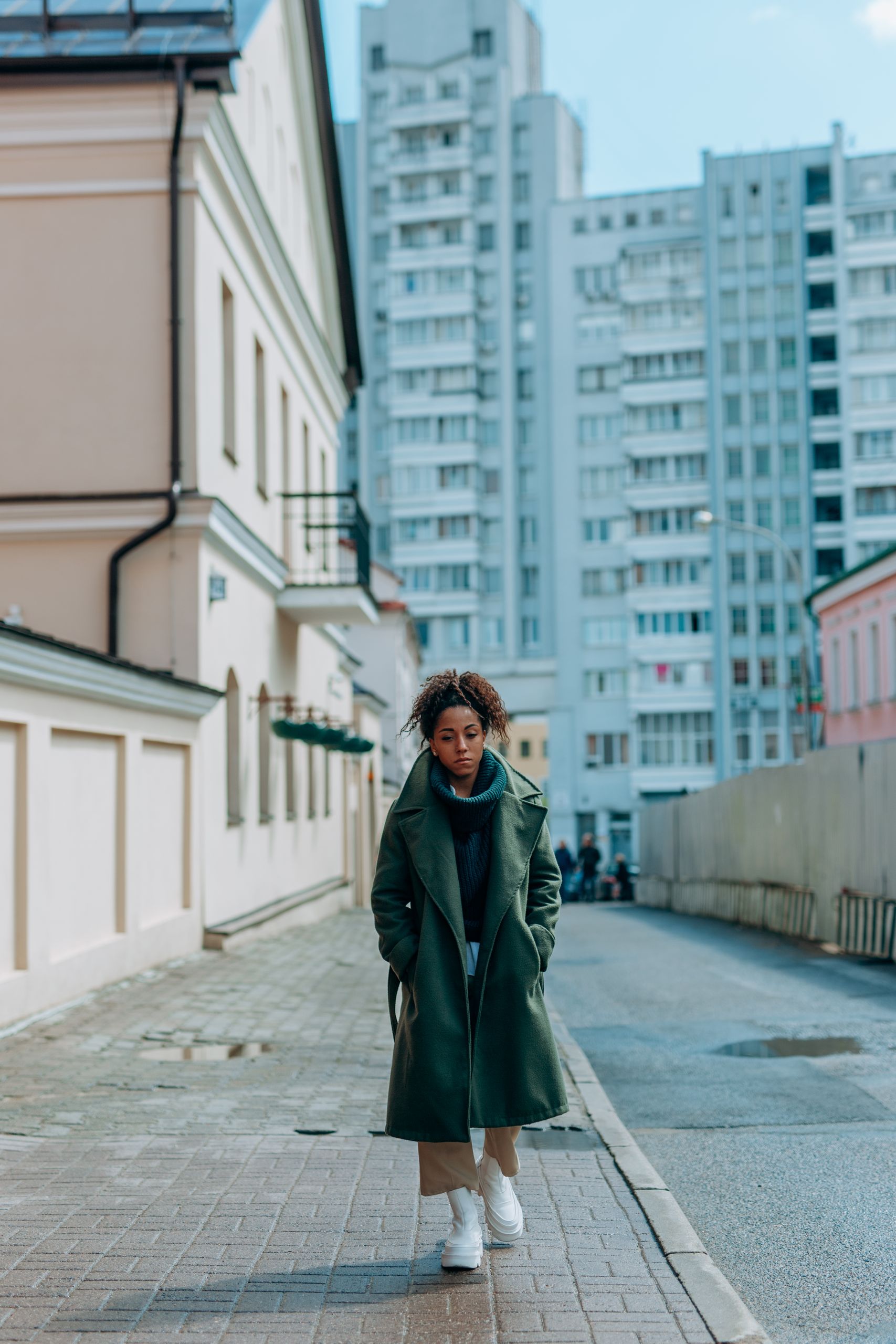
I had been following a route on my phone when a narrow side street made me stop. Music drifted through an open window, someone was raising the metal gate of a café, and an old building caught the light in a way that made the entire block seem briefly suspended between morning and afternoon.
The street was not marked as an attraction. Nothing on my map suggested that I should turn there, yet I put my phone away and followed it anyway.
That unplanned corner became the part of the day I remembered most clearly.
A city walk story rarely begins with the whole city. It begins with a smell, a sound, a window, or a building that seems to be holding more history than the street around it is willing to explain.
The Corner That Changes the Day
Walking allows a city to interfere with my plans. A bakery line suggests that something worth tasting is happening inside. A woman crosses the street with the confidence of someone who already understands a rhythm I am still trying to learn.
None of these details may appear on a list of things to do. They matter because they make the city feel inhabited rather than presented.
This is one reason I leave room in my travel days. A schedule packed with reservations may move me efficiently between attractions, but efficiency is not always the same as understanding. When every hour already has a purpose, the city has very little opportunity to surprise me.
The interruption gives the place a chance to answer back.
My Feet Learn What the Map Cannot Tell Me
A map reduces the city to distance and direction. Walking restores the hills, heat, wind, uneven pavement, traffic, and fatigue that a screen cannot communicate.
What appeared nearby becomes a long climb. Two neighborhoods connected by a simple line begin to feel like entirely different worlds, and my body notices the transition before I have language for it.
Sidewalks widen. Storefronts become more expensive, or a crowded residential block gives way to a polished district where few people seem to live. Shade disappears, benches become scarce, and I begin searching for somewhere to rest without having to buy anything.
Those physical details help me understand the city beyond its visual beauty. Walking reveals who public space was designed to accommodate and who is expected to keep moving.
That lesson connects with what I have learned about choosing presence over pace through slow travel. Moving more slowly gives the body enough time to become part of the observation.
A Street Holds More Than One Timeline
Several versions of a city can exist on the same block. An old façade remains while the building behind it becomes luxury apartments. A family-owned shop sits beside a café designed primarily for visitors.
A plaque may mark an event that most people pass without reading, while a memorial created by residents carries a history that never received official recognition. The street holds what happened, what is happening, and what people hope will happen next.
Some histories are protected through architecture, museums, and public funding. Others survive because families remain, stories are repeated, and communities refuse to let the place forget them.
I try not to confuse preservation with truth. A beautiful historic district may tell only the version of the past that a city has decided to make attractive. What was displaced, renamed, removed, or left unmarked can matter just as much as what remains.
The Storefronts Reveal Who the Neighborhood Serves
Stores show the practical life of a place. Pharmacies, small groceries, laundromats, hardware shops, beauty salons, schools, and childcare centers tell me how residents solve ordinary problems.
Another street may be filled with boutiques, souvenir shops, short-term rental offices, and restaurants priced primarily for visitors. It may remain lively and visually appealing while offering very little to the people who still call the neighborhood home.
Walking helps me notice that difference. A place can maintain the appearance of local culture while gradually removing the residents who created it. Food, architecture, and language remain marketable even after rising costs make ordinary life increasingly difficult.
One walk cannot explain the entire economic story of a neighborhood. It can give me better questions to carry forward.
Observation Requires Humility
Travel writing depends on observation, but not everything I see belongs to me as a story. A woman carrying groceries may catch my attention because of the color of her dress or the way she moves through the crowd. That does not give me the right to invent a life for her.
The temptation to create meaning can be strong. Someone sitting alone becomes lonely. A tired worker becomes evidence of hardship, while a group laughing outside a café becomes proof that the culture is warmer or happier than my own.
Those conclusions may reveal more about the traveler than the people being observed.
My approach to respectful curiosity in cultural travel writing begins with knowing the limits of what I understand. I can describe what I saw, how the moment affected me, and what questions it raised without pretending that I know the private meaning of someone else’s life.
Curiosity becomes more ethical when it is paired with restraint.
The Pause Is Part of the Walk
A city walk does not require constant movement. Some of the most revealing moments happen after I sit down.
A café table, park bench, public square, or quiet step gives the street time to repeat itself. The same delivery worker returns. Schoolchildren begin filling the sidewalk, and the morning crowd gives way to people looking for lunch.
A shop owner adjusts the display outside while neighbors stop to speak with one another in a way that suggests a history I will never fully know. Sitting still changes my relationship with the city because I am no longer treating the street as scenery passing beside me.
The pause also reminds me that walking is physical. Hunger, heat, thirst, and fatigue can narrow my attention until the only story left is my own discomfort.
Comfortable shoes, a light day bag, water, and practical items from my Amazon travel shop help me remain outside long enough to pay attention without turning the walk into an endurance test.
A DG Speaks Recommendation
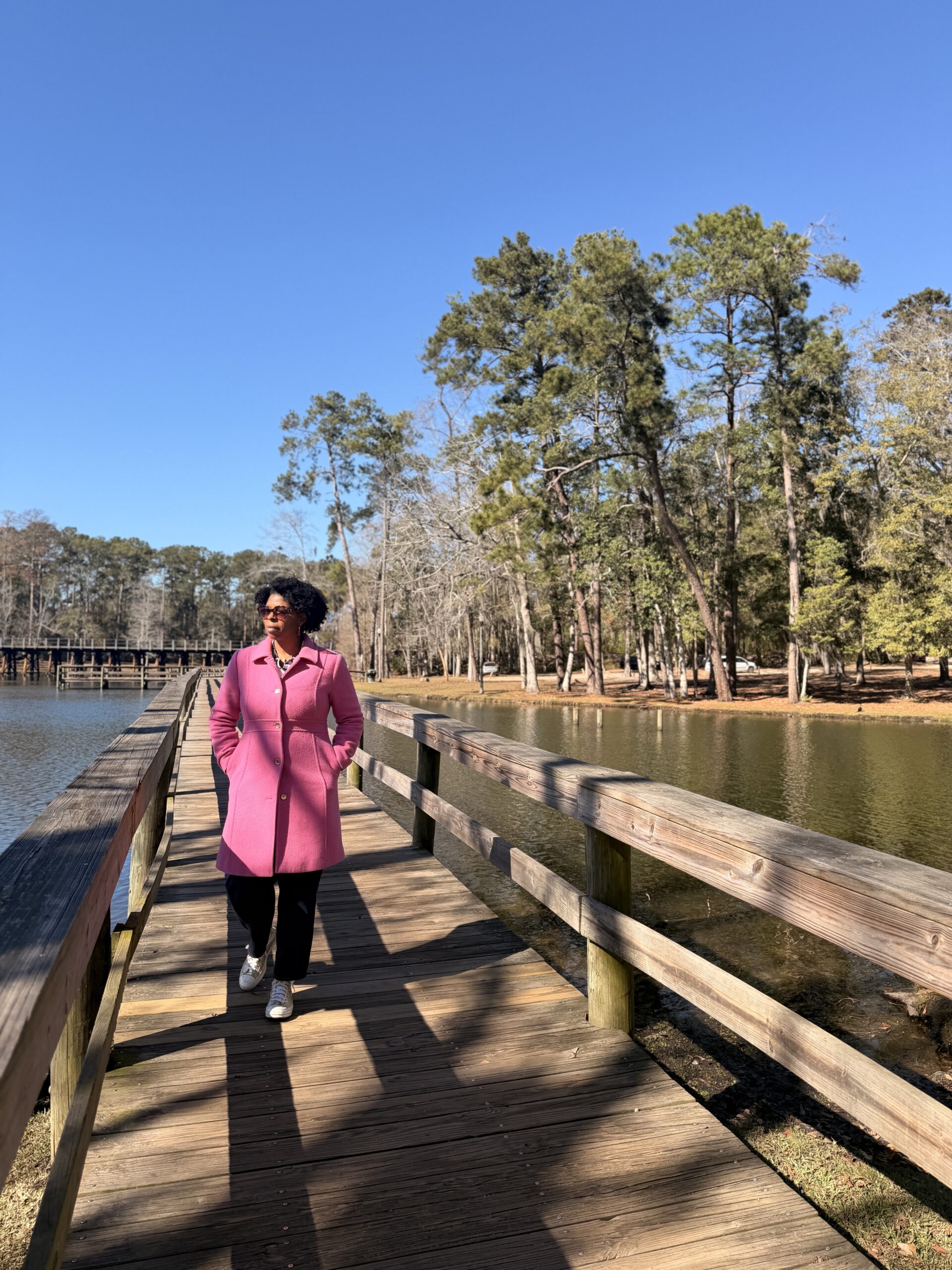
Walking farther starts with caring for the body carrying me
I partnered with Happy Aging to share products that support energy, strength, and an active life.
Sometimes I Need Someone Else to Explain the Street
Independent wandering gives me freedom, but it does not always give me context. I can admire a building without understanding who built it, who was displaced to make room for it, or why its purpose changed.
A neighborhood may look peaceful while carrying a history of protest, labor, migration, or exclusion that remains invisible to a visitor. A knowledgeable guide can make those layers more visible.
Guided walks available through GetYourGuide can add historical, architectural, and cultural context when the experience is rooted in local knowledge. The best guides do more than recite dates. They show how policy, money, memory, and power shaped the streets being admired.
Context often changes the way I walk afterward. A plaza becomes more than an attractive open space. A market becomes part of a labor history, while an elegant building begins raising questions about who had access to land, wealth, and political influence when it was constructed.
The city looks different once I know what I am looking at.
The Antidote Is Leaving Room to Be Interrupted
Travel can become a project of control. I plan routes, save locations, compare opening hours, and try to fit each day into a shape that feels efficient.
Planning protects time and money, but too much control can flatten a city into a checklist. Every street becomes the space between one scheduled activity and the next.
The antidote is not abandoning preparation. It is leaving enough room for attention to change the plan.
I can keep part of the day unscheduled, choose to walk instead of taking the fastest transportation, or follow a street simply because something about it feels interesting. The goal is not to become lost for the sake of proving spontaneity.
I want to remain available to what the city is showing me before I decide what the story will be.
Walking Becomes Writing After the Walk Ends
I rarely understand the full story while I am still moving through it. During the walk, I collect fragments: a smell, a sound, a sentence on a wall, or the feeling of entering a street where the atmosphere shifts.
Later, those fragments need context. I may research the building that made me stop, learn why the street changed names, or discover that the café I admired sits inside a neighborhood transformed by tourism and rising rents.
The beautiful detail remains part of the story, but it no longer stands alone.
Writing grows through the relationship between what I felt and what I learned afterward. Observation without context can become shallow, while research without physical experience may feel detached.
A meaningful city walk story needs both.
The City Is Larger Than My Version of It
Every walk produces a limited city. Weather changes the experience, time of day determines who is visible, and the route keeps me inside certain neighborhoods while leaving others untouched.
My age, race, gender, language, clothing, and perceived economic status also shape how people respond to me. Someone else can walk the same street and experience a different place.
That does not make my account false. It makes it partial.
I want my travel writing to remain honest about that limitation. A city does not become completely known because I walked through it carefully. At most, the walk gives me an encounter, a set of questions, and a perspective shaped by one body moving through one day.
The city keeps the rest of itself.
The Street Changes Me When I Let It
When I think back to the side street that pulled me away from my route, I do not remember whether I reached the original destination on time. I remember the music, the café opening, and the building that made me put my phone away.
That interruption became the story.
A city walk story begins when I stop treating movement as background. My tired feet teach me about distance, the storefronts reveal who the neighborhood serves, and architecture holds one version of history while the absences around it suggest another.
The people around me are not supporting characters in my travel experience. Their lives continue before I arrive and after I leave.
My responsibility is not to explain the entire city. It is to pay attention, ask better questions, and write without pretending that one walk has given me ownership of the place.
The story is already on the street. I only need to leave enough room for it to interrupt me.
Continue exploring reflections on walking, cultural travel, and the places that reveal themselves beyond the itinerary through DG Speaks Travel.