
Embracing the Future of Wellness: IV Therapy Moves Outside The Hospital
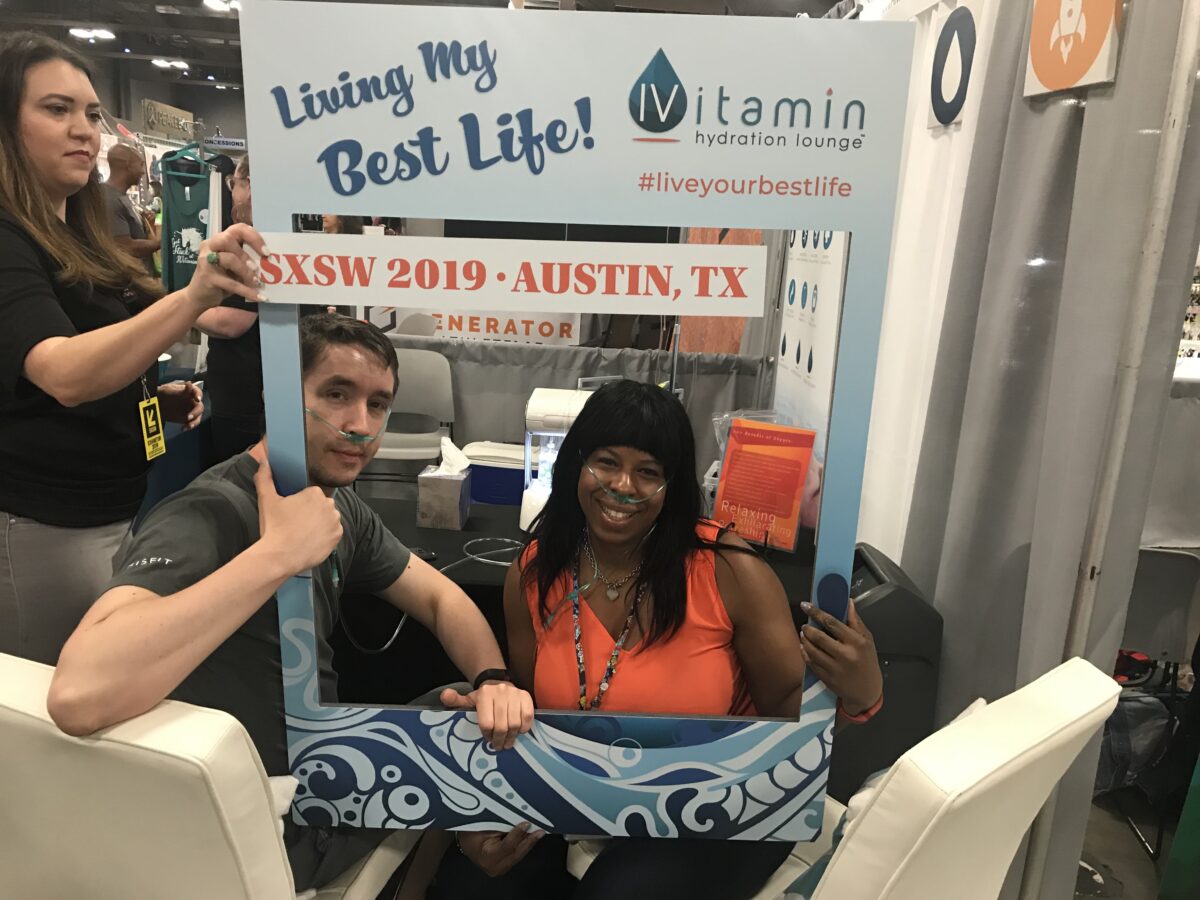
I first experienced IV therapy in a setting that felt very different from a hospital. During SXSW in Austin, a friend and I stepped away from the crowds, music, and constant activity to spend time in an IV hydration lounge.
The experience was calm, convenient, and marketed as a way to restore energy during an exhausting event. It also introduced me to a wellness trend that has continued expanding far beyond traditional medical care.
Today, mobile services, spas, wellness clinics, and hydration lounges offer intravenous fluids and vitamin infusions for concerns ranging from dehydration and fatigue to beauty, immunity, athletic recovery, and hangovers.
However, IV therapy for wellness deserves a more careful conversation than the marketing often provides. Intravenous treatment can be medically valuable, but putting fluids or nutrients directly into a vein is still a medical procedure. It carries potential benefits, limitations, and risks.
What is IV therapy?
Intravenous therapy delivers fluids, medication, nutrition, or other substances directly into the bloodstream through a catheter placed in a vein.
Hospitals and medical practices commonly use IV therapy when a patient needs rapid fluids, medication, blood products, or nutrition that cannot be delivered effectively by mouth.
Because the infusion enters the bloodstream directly, it bypasses digestion. That does not automatically make every nutrient infusion necessary, more effective, or appropriate for a healthy person.
Why wellness IV therapy became popular
The appeal is easy to understand. A session may last less than an hour, requires little effort from the client, and promises a faster route to hydration or nutrient delivery.
Wellness clinics may promote infusions for travel fatigue, athletic recovery, low energy, immune support, stress, beauty, or recovery after drinking alcohol. Some also offer personalized combinations of vitamins, minerals, amino acids, antioxidants, and medications.
These services fit a larger wellness culture that values convenience, customization, and immediate results. They can also feel more restorative than drinking water, eating a meal, or resting because the procedure looks and feels medical.
That medical appearance can create an impression of proven effectiveness even when evidence for a particular wellness claim remains limited.
IV fluids can treat genuine dehydration
Intravenous fluids have an established role in treating dehydration when a person cannot replace fluids adequately by drinking, has significant fluid loss, or requires medical care.
For mild dehydration in an otherwise healthy person who can drink and keep fluids down, oral hydration is often simpler, less invasive, and more appropriate.
An IV may feel faster, but speed alone does not make it necessary. The cause and severity of dehydration should guide treatment.
The evidence for vitamin infusions in healthy adults is limited
Some people need intravenous vitamins because of a diagnosed deficiency, malabsorption problem, medical condition, or treatment plan. In those situations, a qualified healthcare professional may determine that IV administration is appropriate.
For healthy adults without a documented deficiency or medical need, strong evidence supporting routine high-dose vitamin infusions is limited.
Claims involving more energy, stronger immunity, detoxification, improved mood, anti-aging effects, or enhanced beauty often extend beyond what high-quality research has established.
Feeling refreshed after an infusion does not prove that every ingredient produced a specific medical benefit. Rest, hydration, expectation, and taking a break from a demanding schedule may also affect how someone feels afterward.
A closer look at common wellness IV claims
Hydration infusions
These infusions usually contain saline or another medically formulated fluid, sometimes with electrolytes. They may help when intravenous rehydration is medically indicated.
For routine hydration, drinking water and obtaining electrolytes through food or oral solutions may be enough.
Vitamin infusions
Vitamin C, B vitamins, magnesium, and other nutrients commonly appear in wellness infusions. A diagnosed deficiency may require treatment, but more is not always better.
Large or repeated doses of certain vitamins and minerals can cause complications, especially for people with kidney disease, heart conditions, specific enzyme deficiencies, or medication interactions.
Detox infusions
The body already relies on the liver, kidneys, lungs, skin, and digestive system to process and eliminate substances.
Broad claims that an IV drip can “flush toxins” from a healthy body should be treated cautiously unless the provider clearly identifies the substance involved, the medical reason for treatment, and the evidence supporting the infusion.
Beauty and anti-aging infusions
Some clinics market infusions containing biotin, antioxidants, or other ingredients for skin, hair, nails, or anti-aging effects.
These claims may sound appealing, but an infusion cannot replace sleep, nutrition, sun protection, movement, hydration, stress management, or appropriate medical and dermatological care.
Healthy aging involves far more than trying to create a younger appearance. I explore that broader perspective in Wellness Beyond Weight Loss.
Athletic recovery infusions
Athletes may be drawn to IV therapy after intense exercise, heat exposure, or travel. Serious dehydration or illness may require medical treatment.
Routine recovery still depends on rest, food, fluids, sleep, gradual conditioning, and an appropriate training plan. An infusion cannot compensate for overtraining or replace adequate recovery.
Mood, stress, and energy infusions
Fatigue, anxiety, headaches, and low energy can have many causes. They may relate to sleep, nutrition, stress, medication, anemia, infection, thyroid disease, blood-sugar changes, mental health, or another medical condition.
Using an IV drip to repeatedly cover symptoms may delay a more useful medical evaluation.
Immune-support infusions
Vitamin C, zinc, and other nutrients contribute to normal immune function. However, receiving high doses intravenously does not guarantee that a healthy person will avoid infection.
Vaccination, sleep, nutrition, hand hygiene, stress management, and appropriate medical care remain more established parts of protecting health.
IV therapy carries real risks
Because IV therapy breaks the skin and enters a vein, it creates risks that do not exist with ordinary food, water, or oral supplements.
- Infection: Improper hand hygiene, preparation, storage, or catheter care can introduce microorganisms.
- Bruising, bleeding, and vein irritation: The insertion site may become painful, swollen, or inflamed.
- Fluid overload: Too much fluid can be dangerous for people with certain heart or kidney conditions.
- Electrolyte imbalance: Inappropriate amounts of electrolytes can affect muscles, nerves, and heart rhythm.
- Allergic reactions: Ingredients or medications in an infusion can trigger reactions.
- Medication and supplement interactions: Vitamins, minerals, herbs, and medications can interact in harmful ways.
- Kidney complications: Certain high-dose ingredients may create additional risk for people with impaired kidney function.
- Delayed diagnosis: Repeatedly treating fatigue or headaches without investigating the cause may allow an underlying condition to go unnoticed.
The possibility of complications does not mean every infusion is unsafe. It means consumers should treat IV therapy as healthcare rather than as a casual beauty or lifestyle service.
Questions to ask before booking an IV infusion
A reputable provider should be willing to explain who evaluates clients, who inserts the IV, what is in the infusion, and how the clinic manages emergencies.
- Who is the licensed medical professional responsible for my care?
- Will someone review my medical history, medications, allergies, and current symptoms?
- Why is this specific infusion appropriate for me?
- What ingredients and doses will I receive?
- What evidence supports the benefits being claimed?
- What side effects and complications are possible?
- How are the products obtained, mixed, stored, and labeled?
- What infection-control procedures does the clinic follow?
- What happens if I experience an allergic reaction or another emergency?
- Would oral hydration, food, rest, or standard medical treatment be more appropriate?
Who should speak with a healthcare professional first?
Anyone considering IV therapy should discuss personal risks with a qualified clinician. That conversation becomes especially important for people who are pregnant, have kidney or heart disease, take prescription medications, have a history of severe allergies, or live with a chronic health condition.
New or persistent fatigue, severe headaches, vomiting, confusion, chest pain, breathing difficulty, fainting, or signs of serious dehydration require appropriate medical evaluation rather than a routine wellness appointment.
My perspective on IV therapy for wellness
I understand why IV hydration lounges appeal to travelers, athletes, festival attendees, and people managing demanding schedules. My own experience provided a welcome pause during a very busy event.
Still, convenience should not be confused with necessity, and a medical-looking service should not receive automatic trust.
Wellness works best when the foundation remains strong: nourishing food, sufficient water, sleep, movement, stress management, preventive care, and attention to symptoms that need medical evaluation.
IV therapy may have an appropriate place when a qualified professional identifies a genuine need. It should not become a substitute for the daily habits that support health or a shortcut around understanding why the body feels unwell.
The most responsible wellness choices are not always the most dramatic. Often, they begin with listening carefully, asking better questions, and choosing the least invasive option that safely meets the need.