Nourishing Wellness: The Power of Food for a Balanced Life
For much of my life, conversations about healthy eating centered on what I needed to remove. Eat less. Avoid sugar. Cut carbohydrates. Control portions. Lose weight.
Those messages were not entirely useless. I have learned that my sugar intake affects my cravings, energy, and ability to make balanced choices. I also know that overeating certain foods can leave me feeling sluggish and disconnected from my goals.
Still, wellness cannot grow from restriction alone.
My relationship with food has become more thoughtful over time. I now ask whether a meal supports my energy, strength, digestion, mood, and the life I want to live. I also ask whether it brings pleasure, connects me to culture, or gives me an opportunity to slow down and care for myself.
For me, food for balanced wellness is not about eating perfectly. It is about learning how nourishment, pleasure, awareness, and flexibility can exist on the same plate.
Wellness requires more than weight loss
I am proud of the changes I made during my weight-loss journey. Losing 50 pounds improved my mobility, confidence, and overall health. However, the Camino de Santiago taught me that weighing less did not automatically mean my body had everything it needed for a demanding physical challenge.
My muscles still needed strength. My body needed enough protein and energy to recover. My joints, back, and feet needed support. Hydration, sleep, and regular meals affected how well I handled long walking days.
That experience helped me see the difference between becoming smaller and becoming stronger. I explore that distinction more deeply in Wellness Beyond Weight Loss.
I want food to support the life I am living
My life includes travel, long walks, cultural experiences, writing, teaching, and days when I need sustained mental focus. Food should help me participate in those activities rather than leave me depleted.
That means paying attention to protein, fiber, hydration, and enough overall nourishment. It also means recognizing that my needs may change depending on whether I am sitting at a desk, walking for several hours, recovering from travel, or preparing for another physically demanding journey.
I no longer want to make food decisions based only on whether they might produce the fastest change on a scale. I want meals that help me remain strong, alert, mobile, and emotionally steady.
Whole foods create a useful foundation
Foods that remain close to their original form often provide a strong nutritional foundation. Vegetables, fruits, beans, grains, eggs, dairy, fish, meat, nuts, seeds, and healthy fats can all contribute different nutrients.
I do not believe every meal must look like a wellness advertisement. Nor do I divide all food into morally good and bad categories. Instead, I try to build most meals around ingredients that provide something useful: protein, fiber, energy, vitamins, minerals, or satisfaction.
Processed food also exists on a spectrum. Frozen vegetables, canned beans, yogurt, bread, and packaged broth can make nourishing meals easier. Convenience does not automatically make a food harmful.
The better question is whether my overall eating pattern supports how I want to feel.
Protein has become more important to me
As I think more seriously about strength and healthy aging, protein has become a greater priority. Muscle supports balance, mobility, recovery, joint health, and independence.
Protein can come from many sources, including eggs, dairy, fish, poultry, meat, beans, lentils, soy foods, nuts, and seeds. The right balance depends on the individual, their health needs, preferences, budget, and activity level.
I am not trying to turn every meal into a mathematical exercise. I simply want to notice whether I am eating in a way that helps preserve the muscle I have and build the strength I need.
This matters even more when I am preparing for a long-distance walk at 50. My body needs enough nourishment to adapt to movement rather than merely survive it.
Plant foods add variety, fiber, and color
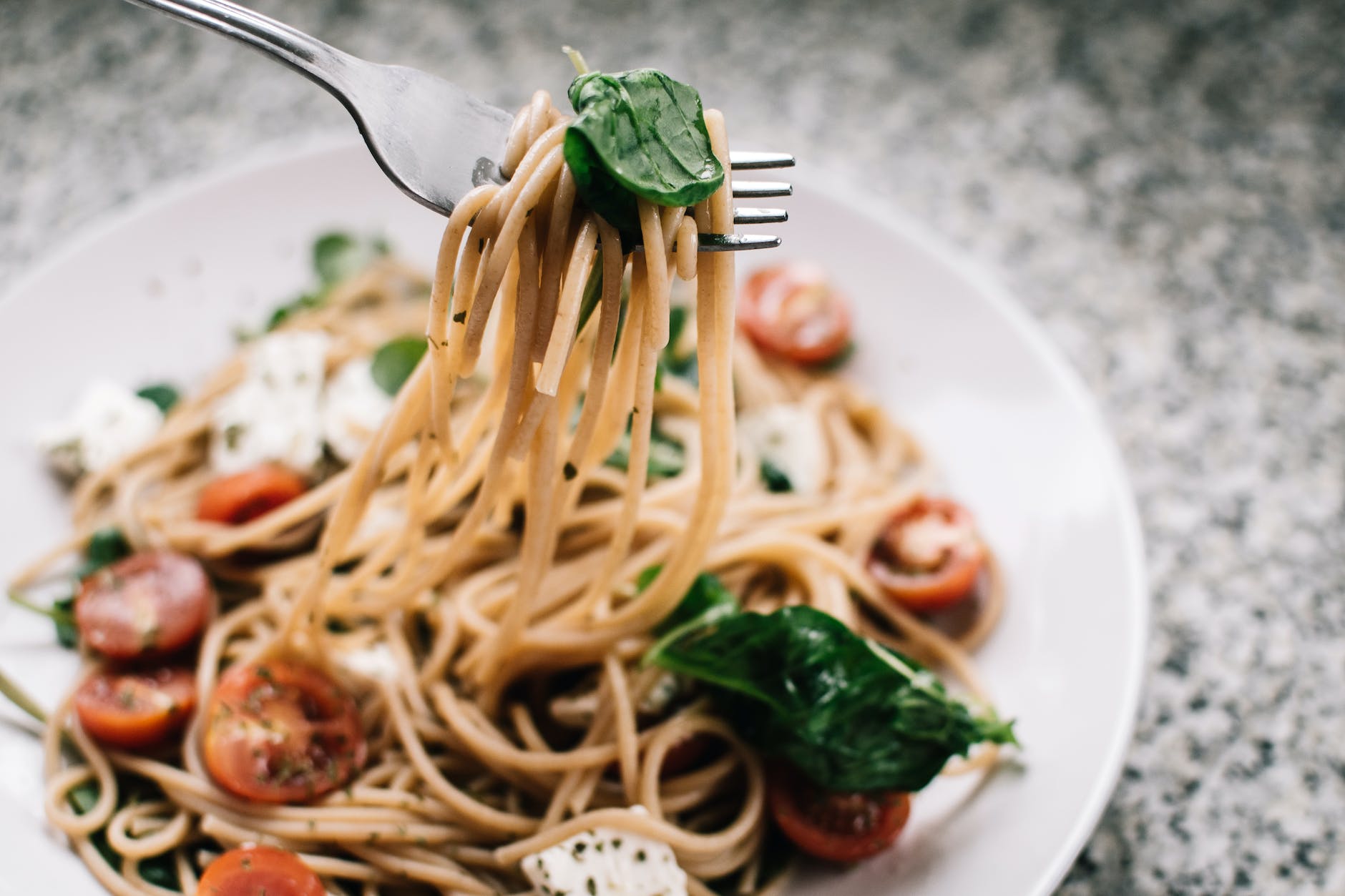
I do not need to follow a fully vegetarian diet to benefit from eating more plant foods. Beans, lentils, vegetables, fruits, grains, herbs, nuts, and seeds can add fiber, flavor, texture, and nutritional variety.
Rather than forcing myself to eat foods I dislike, I prefer to build meals around ingredients I genuinely enjoy. Wellness habits are more sustainable when they fit real preferences instead of requiring constant discipline.
A colorful plate can be useful, but it does not need to become another rule. Some nourishing meals are bright and beautiful. Others are simple, beige, comforting, and exactly what the body needs at that moment.
Hydration affects how I feel and function
Hydration influences energy, digestion, circulation, temperature regulation, and physical performance. During travel or a busy workday, I can easily become distracted and drink less than I need.
I do better when water becomes part of my routine. Keeping a refillable bottle nearby helps, as does drinking consistently instead of waiting until I feel depleted.
My needs change with the weather, activity level, food intake, and individual health factors. Long walking days may require more attention to fluids and, in some cases, electrolytes. However, no single hydration formula works for everyone.
Sugar requires awareness rather than shame
Sugar is one area where I have needed to become more honest with myself. I enjoy sweets, but I also notice how frequently eating them can intensify my cravings and make balanced eating more difficult.
That does not mean I need to treat dessert as a moral failure. Shame rarely produces a healthy relationship with food.
Instead, I pay attention to patterns. One enjoyable dessert is different from several days of eating in a way that leaves me tired, uncomfortable, or constantly searching for another sweet taste.
Awareness gives me room to enjoy food while still protecting the progress I have made.
Listening to my body takes practice
Hunger does not always arrive as a dramatic empty feeling. Sometimes it appears as irritability, low energy, difficulty concentrating, or an intense desire for quick food.
Fullness can also be difficult to recognize when I eat quickly, become distracted, or wait until I am extremely hungry. Slowing down helps me notice satisfaction before discomfort takes over.
Emotional eating deserves compassion too. Food often becomes connected to stress, celebration, memory, loneliness, boredom, and comfort. Asking what I need does not require judging the answer.
Sometimes I need food. At other times, I may need water, sleep, movement, connection, or a pause from whatever has overwhelmed me.
Food is also culture, memory, and pleasure
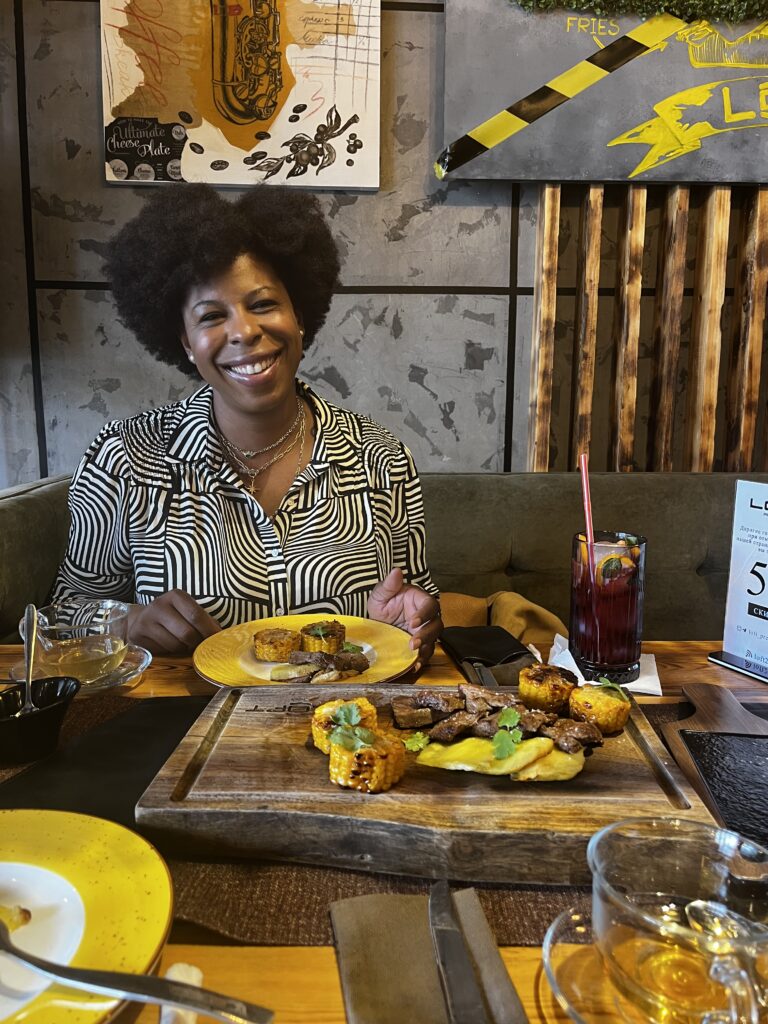
I cannot separate food from culture. Meals tell stories about migration, agriculture, gender, labor, celebration, scarcity, family, and belonging.
Travel makes those connections especially visible. A dish can explain something about a place that a museum label cannot. A shared table can create intimacy across language and cultural differences.
That is why my vision of wellness will never require me to approach every meal as a nutritional transaction. Pleasure matters. Curiosity matters. The experience of eating matters.
The goal is not to eliminate joy in the name of health. I want health to help me remain present enough to enjoy more of my life.
A supportive food environment makes healthy choices easier
Willpower becomes less important when my environment supports the choices I want to make. Keeping useful ingredients available allows me to prepare something satisfying before extreme hunger takes over.
That does not require an elaborate meal-prep routine. A few dependable options can make a difference: cooked protein, washed fruit, yogurt, eggs, broth, frozen vegetables, rice, beans, or another easy base for a meal.
Travel requires a different version of the same strategy. I may keep a snack, water, or simple meal option available so I do not become dependent on whatever happens to be nearby when I am exhausted.
Supplements should support the foundation
I use supplements thoughtfully as part of my larger wellness routine. My partnership with Happy Aging has introduced me to products that complement the changes I have already made.
However, supplements do not replace nourishment, movement, sleep, hydration, or medical care. They work best when the basic foundation already receives attention.
That balanced approach is one reason the partnership feels aligned with my life. I am not searching for one product to solve everything. I am building a collection of habits that help me feel stronger, clearer, and more energized.
Food for balanced wellness leaves room for real life
I do not expect to make the ideal choice at every meal. Travel will interrupt routines. Celebrations will include dessert. Stress may influence my appetite. Some days will be more balanced than others.
One meal does not define my health. The patterns I return to matter more.
Food for balanced wellness means choosing nourishment often enough to support my strength, energy, mood, and long-term health. It also means making room for pleasure without allowing every indulgence to become a reason to abandon myself.
I want food to help me walk farther, think clearly, recover well, enjoy culture, and remain active as I age. That is a much more meaningful goal than trying to eat perfectly.
Every meal is not a test. It is another opportunity to care for the body carrying me through this life.