I Am Learning to Eat for Strength, Energy, and Joy
For a long time, conversations about food and health centered on what I needed to remove. Less sugar. Fewer calories. Smaller portions. More control.
Those questions still matter to me. I know that eating a great deal of sugar can intensify my cravings and make it harder to return to the habits that help me feel my best.
However, approaching 50 changed the questions I ask about food. I no longer think only about how eating affects my weight. I also think about whether I am protecting my muscle, supporting my energy, recovering well, and giving my body enough nourishment for the life I expect it to carry me through.
For me, eating for strength after 50 means paying attention to protein, hydration, sugar, satisfaction, and overall nourishment without turning every meal into a test of discipline.
Weight loss improved my health, but it did not complete the work
My Ozempic journey helped me lose 50 pounds and become healthier than I had been in years. The weight loss improved my mobility, confidence, and ability to move through daily life more comfortably.
Then I walked the Camino de Santiago.
The first week brought intense pain in my back, hips, and knees. I took rest days, rode a bus for part of one stage, and sent my backpack ahead on difficult walking days. Around day 12, I finally began to feel my body becoming stronger.
The Camino taught me that a lighter body still needs muscle, endurance, fuel, hydration, and recovery. Weight loss made movement easier, but it did not automatically prepare me for steep climbs, a loaded backpack, or repeated days of long-distance walking.
I explore that experience more fully in The Camino Brought Me to Tears: How I Am Preparing My Body Differently at 50.
Protein supports the body I want to keep
I pay much more attention to protein now because muscle supports mobility, balance, posture, joint stability, recovery, and independence.
Strong legs help me walk farther and climb stairs. Glute and hip strength can reduce the strain placed on my knees. A stronger core and back make it easier to carry luggage or a backpack.
Protein can come from many foods, including eggs, dairy, meat, poultry, fish, beans, lentils, soy foods, nuts, and seeds. I do not need every meal to look the same, but I want to notice whether I am consistently giving my body the building blocks it needs.
The goal is not to turn eating into constant calculation. I want enough awareness to recognize whether my meals support the physical demands I place on my body.
Eating enough also matters
After spending years focused on weight loss, eating more can feel emotionally complicated. It is easy to believe that less food must always represent greater discipline.
Yet undereating can leave me tired, irritable, weak, and poorly prepared for physical activity. My body cannot build muscle, recover from long walks, or maintain steady energy without adequate nourishment.
On less active days, I may need less food than I need while walking for hours. During travel, physical activity, weather, stress, and disrupted sleep can all change my appetite and energy needs.
Eating for strength requires flexibility. My body does not need the exact same amount every day.
Sugar requires honesty, not moral panic
I enjoy sweets, and I do not want wellness to eliminate pleasure from my life. At the same time, I know that frequent high-sugar eating can affect my cravings and make balanced choices more difficult.
Treating sugar as morally bad does not help me. Paying attention to patterns does.
One memorable dessert is different from several days of eating in a way that leaves me constantly searching for another sweet taste. I can enjoy something delicious, notice how it affects me, and return to the habits that support my goals.
Balance does not require pretending every choice has the same effect on my body. It means responding with awareness rather than shame.
Hydration supports more than thirst
Water affects digestion, circulation, temperature regulation, energy, and physical performance. During travel, I can become distracted by schedules, transportation, and unfamiliar surroundings and drink less than I need.
I do better when hydration becomes part of my routine. Carrying a refillable bottle and drinking regularly helps me avoid waiting until I already feel depleted.
Long, hot, or physically demanding days may also require greater attention to electrolytes. However, hydration products do not replace water, meals, or rest.
Food supports recovery while I sleep
Recovery does not begin only when I lie down at night. The food and water I consume during the day help determine how well my body can repair itself.
Adequate nourishment supports muscle recovery after walking or strength work. Sleep then gives the body time to use those resources.
When I combine poor sleep with inadequate food and dehydration, every physical challenge feels more difficult. A demanding day becomes even harder when the body begins it already depleted.
That is why eating, sleeping, and moving cannot be treated as separate parts of wellness. Each habit affects the others.
Food carries pleasure, culture, and memory
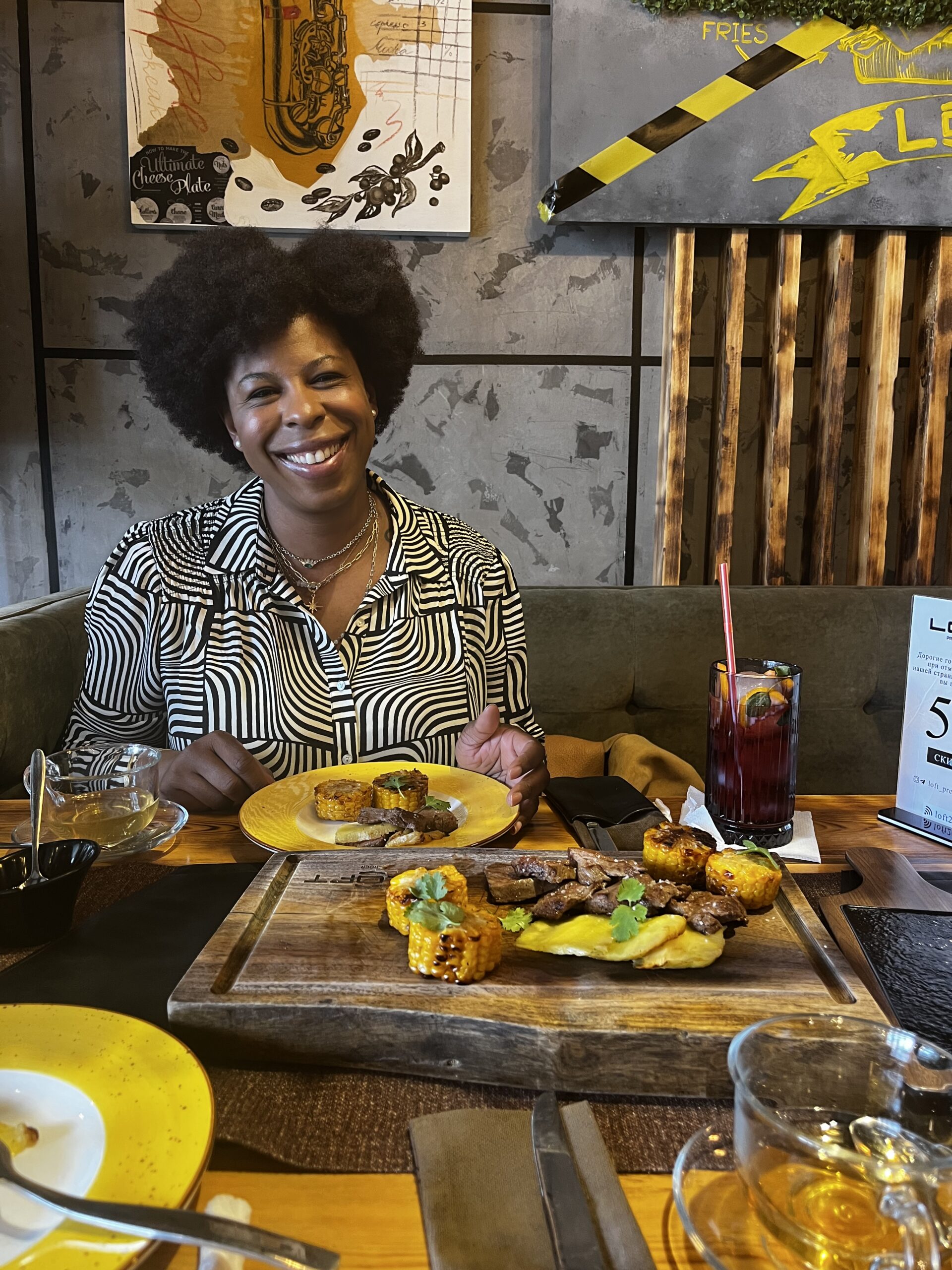
I refuse to build a version of health that makes food joyless. Meals connect me to culture, migration, agriculture, family, travel, and the people around me.
A dish can explain something about a place that a museum label cannot. A shared meal can create intimacy across language and cultural differences. A familiar flavor can carry an entire memory.
That is why I do not want every meal reduced to protein grams, calories, or whether it moved me closer to a weight goal.
In Food for Balanced Wellness: Nourishment Beyond Dieting, I wrote about nourishment as a combination of physical health, emotional well-being, pleasure, and culture.
Travel requires flexibility rather than perfection
My routine will not look the same while traveling as it does at home. I may eat at unfamiliar times, have limited choices, or choose a dish because it offers a meaningful cultural experience rather than an ideal nutritional profile.
That does not mean I must abandon every habit that helps me feel well.
I can look for protein when it is available, carry water, eat before I become desperately hungry, and choose simple foods between larger cultural meals. I can also enjoy dessert without deciding that the entire day—or trip—has been ruined.
A flexible routine is more useful than a perfect plan that collapses the moment circumstances change.
Supplements should support the foundation
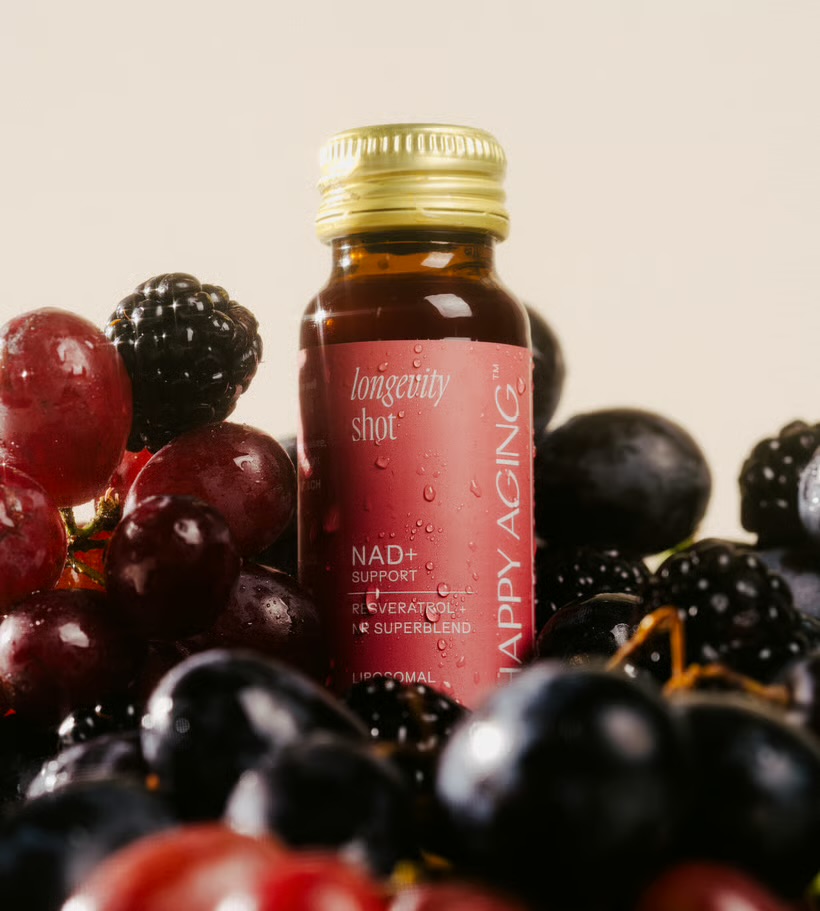
I use supplements thoughtfully as part of a broader wellness routine. My partnership with Happy Aging has introduced me to products that complement the attention I already give to food, movement, hydration, sleep, and recovery.
No supplement can replace adequate nourishment or create strength by itself. However, carefully selected products can support a routine built on consistent habits.
That balanced approach is why Happy Aging feels aligned with my life. I am not searching for a shortcut or a miracle. I am using appropriate tools to support the energy, strength, and resilience I want to maintain.
A DG Speaks Recommendation
Nourish the Life You Still Want to Live
Happy Aging has become part of the routine that helps me support my energy, strength, and overall well-being at 50. I pair it with nourishing food, movement, hydration, sleep, meditation, and the daily habits that help me remain ready for the experiences I still want.
Explore My Happy Aging Picks →Eating for strength after 50 leaves room for real life
I do not expect to make the ideal choice at every meal. Travel will interrupt routines. Celebrations will include dessert. Some days will be more balanced than others.
One meal does not define my health. The patterns I return to matter more.
Eating for strength after 50 means managing sugar without fearing pleasure. It means prioritizing protein without turning food into numbers. It means drinking water, eating enough, and recognizing that recovery begins before I go to sleep.
I want food to help me walk farther, think clearly, carry my luggage, explore unfamiliar places, and wake ready for another day.
My goal is not to eat perfectly. It is to nourish the strength, energy, and curiosity that keep my life moving forward.