Happy Aging Means Staying Ready for the Life I Want
When I turned 50, I did not feel that my life was winding down. If anything, I felt more aware of how much I still wanted to experience.
I still want to walk long distances, explore unfamiliar cities, learn languages, create meaningful work, enjoy beautiful meals, and say yes to experiences that challenge me. However, desire alone cannot carry me through those moments. My body needs strength, energy, mobility, and recovery.
That is what happy aging after 50 means to me. It is not about denying my age or trying to recreate the body I had in my twenties. It is about caring for the woman I am now so she can continue building the life she wants.
I want aging to remain connected to possibility
Too many conversations about aging begin with loss. We hear about slowing down, becoming less visible, needing less, and accepting that certain dreams belong to younger people.
I refuse to make decline the only story available to me.
Aging may require adjustment. My recovery needs have changed. I need to prepare more carefully for demanding physical experiences. Sleep, hydration, nutrition, and strength matter in ways I could once afford to overlook.
None of that means my world must become smaller. It means I need to care for myself with greater intention.
Strength protects the life I want
Muscle does much more than change appearance. It supports balance, posture, mobility, joint stability, and independence.
Strong legs help me climb hills, manage stairs, and walk through airports. Glute and hip strength support my knees. A stable core protects my back when I carry a backpack or suitcase.
Even grip strength matters. It helps with luggage, doors, grocery bags, railings, and the small daily tasks that rarely appear in glamorous wellness campaigns.
I am no longer interested in exercising only to make my body smaller. I want strength that makes my life larger.
The Camino changed the way I think about fitness
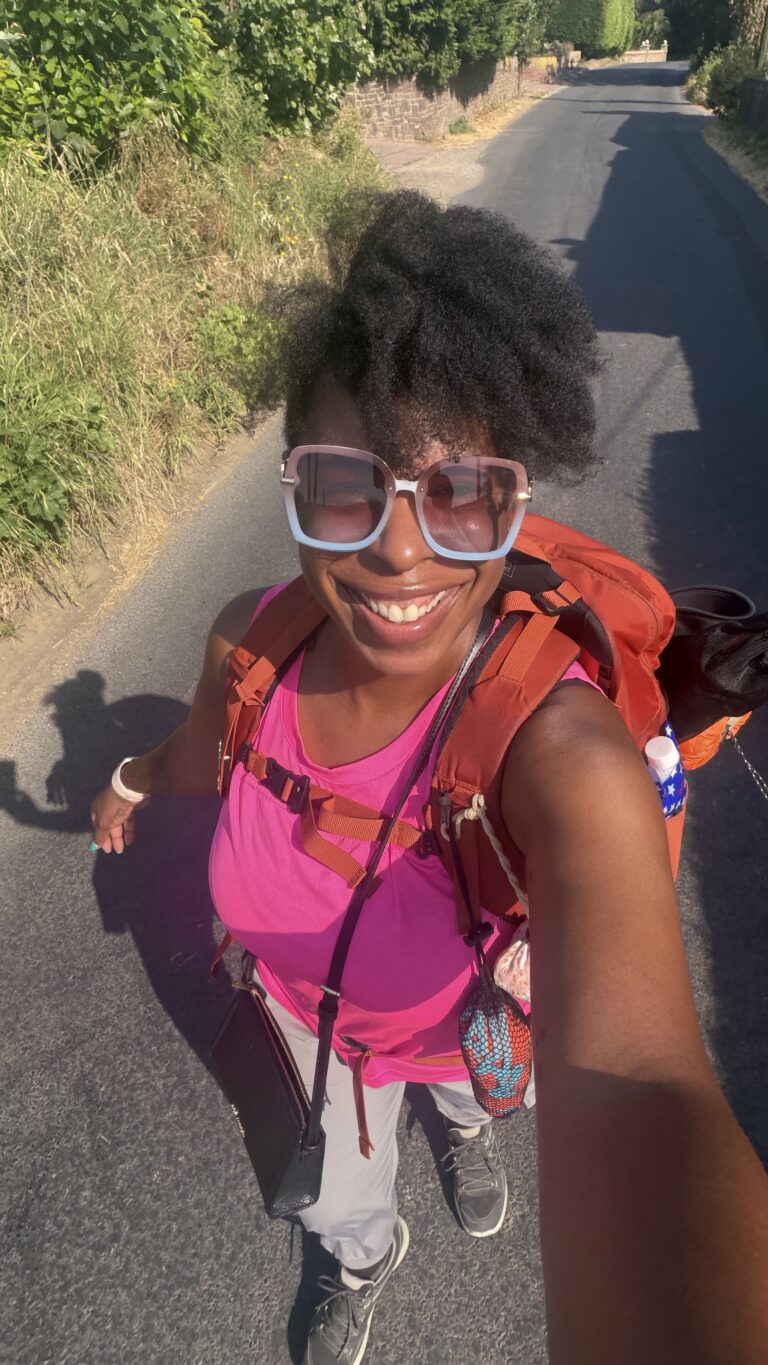
I arrived at the Camino de Santiago healthier than I had been in years. I had lost 50 pounds and made important changes to my eating habits and overall health.
Still, the first week challenged me more than I expected. Pain in my back, hips, and knees brought me to tears on several walking days.
I took rest days. I used a bus for part of one stage. On difficult sections, I sent my backpack ahead so my body could recover while I continued moving.
Around day 12, I began to feel stronger. The repeated walking had started building the endurance and muscular support I had not fully developed before the trip.
The experience taught me that weight loss and physical readiness are not the same thing. I explore that lesson more deeply in The Camino Brought Me to Tears: How I Am Preparing My Body Differently at 50.
Mobility keeps the world accessible
I want to move through the world without every physical task becoming a negotiation. That means getting on and off trains, walking through unfamiliar neighborhoods, climbing stairs, standing for performances, and recovering from long travel days.
Mobility does not require extreme flexibility. I do not need to perform dramatic poses or force my body into uncomfortable positions.
I need enough comfortable movement in my ankles, hips, shoulders, and back to walk naturally, maintain balance, and adapt to changing environments.
Mobility also supports confidence. When I trust my body to respond, I am more willing to enter unfamiliar spaces and try new things.
Recovery is part of an active life
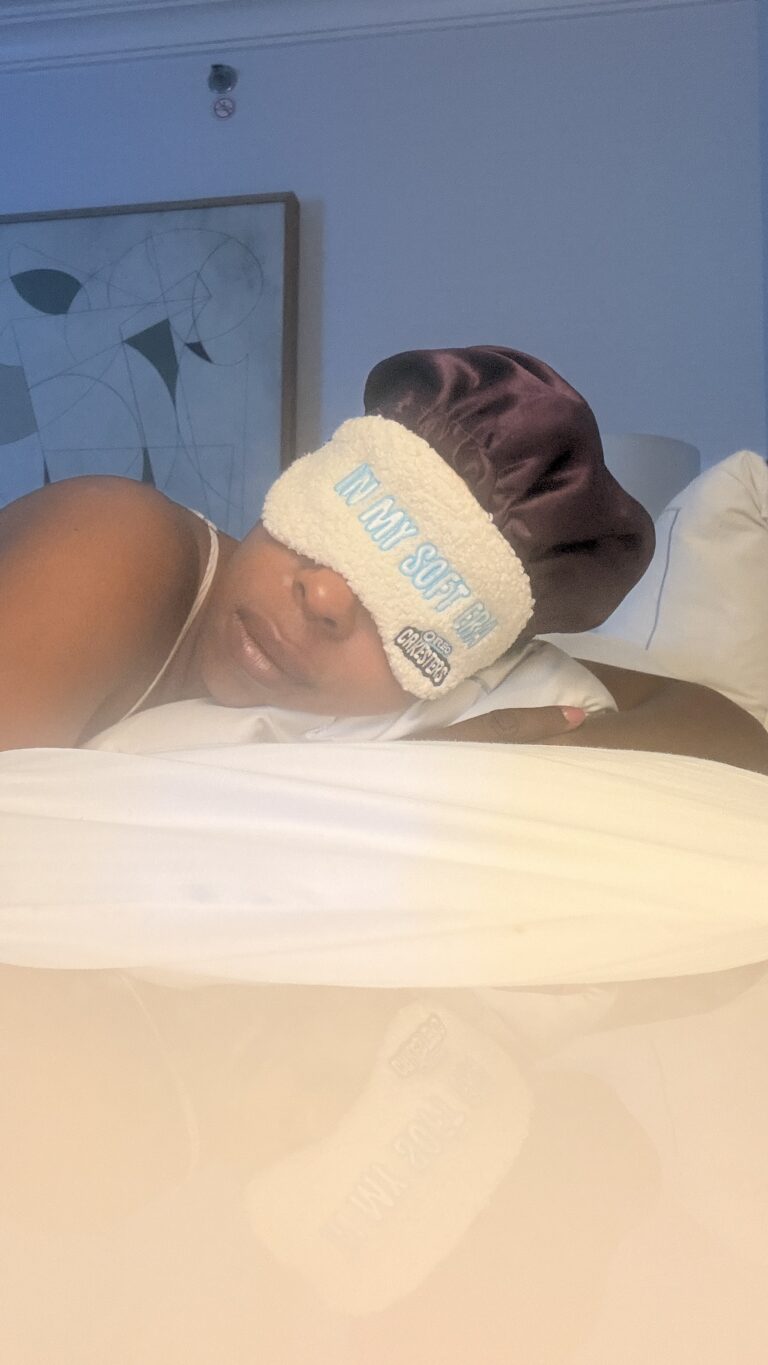
For years, I thought rest belonged at the end of productivity. I would slow down only after I had exhausted myself.
Now I understand that sleep, hydration, nourishment, meditation, and recovery are not separate from an active life. They make that life sustainable.
The Camino taught me that ignoring pain does not prove strength. Sometimes strength means changing the plan before discomfort becomes injury.
A shorter walking day, a full night of sleep, a nourishing meal, or a quiet afternoon may protect the experiences waiting for me tomorrow.
I discuss the relationship between sleep and travel more fully in Sleep Is Part of My Travel Strategy Now.
Wellness extends beyond weight loss
I remain proud of losing 50 pounds. That change improved my mobility, confidence, and health.
However, a scale cannot measure endurance, mental clarity, peace, balance, curiosity, or the confidence to enter an unfamiliar place alone.
It cannot measure whether I can carry my luggage, walk through a city, sleep well, recover from stress, or remain fully engaged in my own life.
That broader understanding sits at the center of Wellness Beyond Weight Loss.
I still care about managing my weight. I simply no longer want weight to carry the entire meaning of health.
Food should support strength and pleasure
My relationship with food has also changed. I pay closer attention to protein because I want to preserve and build muscle. I monitor sugar because I know how it affects my cravings and eating patterns.
I also drink water more intentionally and think about whether I am eating enough to support movement and recovery.
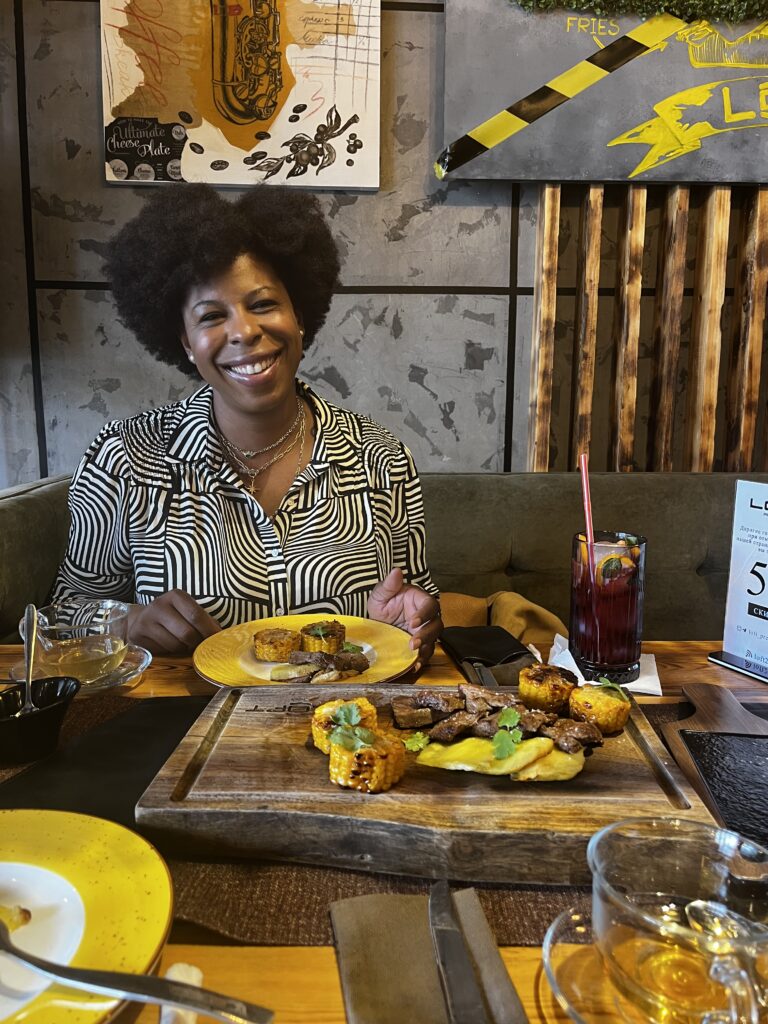
At the same time, food remains one of the great pleasures of my life. It connects me to culture, memory, family, travel, and community.
Happy aging cannot require me to fear every meal. I want food to support my health while still leaving room for beauty, flavor, celebration, and curiosity.
I explore that balance in Food for Balanced Wellness: Nourishment Beyond Dieting.
Women’s wellness needs a wider conversation
Healthy aging for women involves more than generic advice about eating less and exercising more.
Pelvic-floor health, bladder concerns, hormonal changes, bone health, muscle loss, sleep disruption, stress, and changing recovery needs all influence how we feel and move.
These issues should not be treated as embarrassing side notes. They affect mobility, confidence, comfort, and our willingness to remain active.
My article on pelvic floor health for hikers explores how posture, breathing, core support, and pelvic health connect during walking and other physical activity.
Pleasure belongs in healthy aging
I do not want wellness to turn my life into a punishment.
Food, beauty, rest, travel, laughter, creativity, intimacy, sensual pleasure, and play all belong in the future I am trying to protect.
Joy is not a distraction from health. It gives health a purpose.
I want energy so I can explore. I want strength so I can carry myself into new experiences. I want mobility so I can remain independent. I want rest so I can wake up interested in the day ahead.
Wellness should help me participate more fully in life, not make me so focused on optimizing myself that I forget to live.
Why I value my Happy Aging partnership
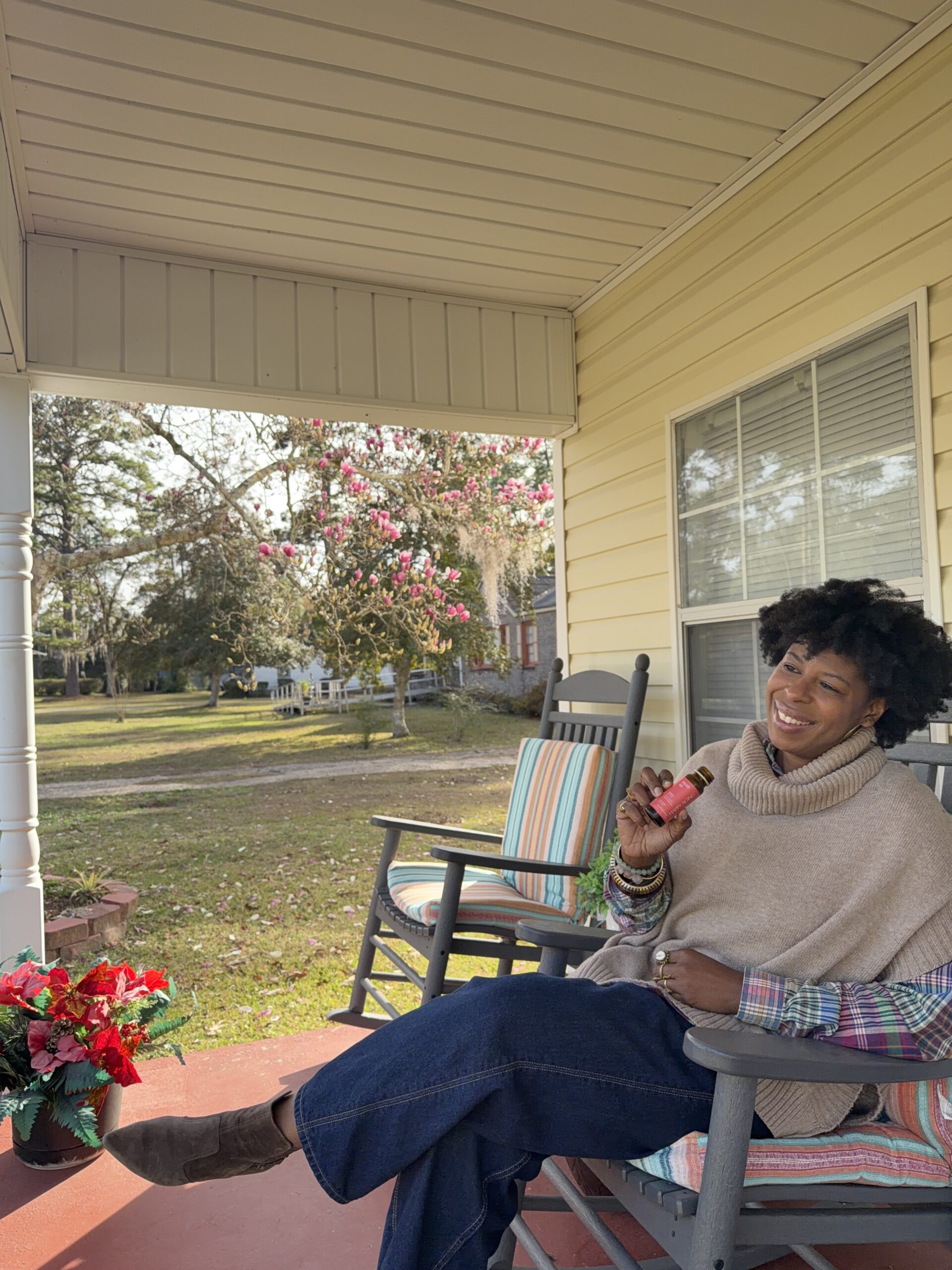
I value my partnership with Happy Aging because the products fit the broader way I approach wellness. They complement a routine already built around nourishment, movement, sleep, mindfulness, hydration, and intentional care.
No product can create health on its own. Supplements cannot replace food, exercise, rest, medical care, or the daily decisions that support long-term well-being.
However, thoughtfully selected products can become part of a larger routine. Happy Aging has helped me become more consistent and intentional about how I support my body from day to day.
That is why the partnership feels authentic to me. I am not searching for a miracle or trying to stop time. I am using every appropriate tool available to help me feel stronger, more energized, and more prepared for the life I want.
A DG Speaks Recommendation
Support the Life You Still Want to Live
Happy Aging has become part of the wellness routine that helps me stay energized, active, and intentional at 50. I pair it with nourishing food, movement, sleep, hydration, meditation, and the daily habits that support the life I still want to explore.
Explore My Happy Aging Picks →Happy aging after 50 means staying ready
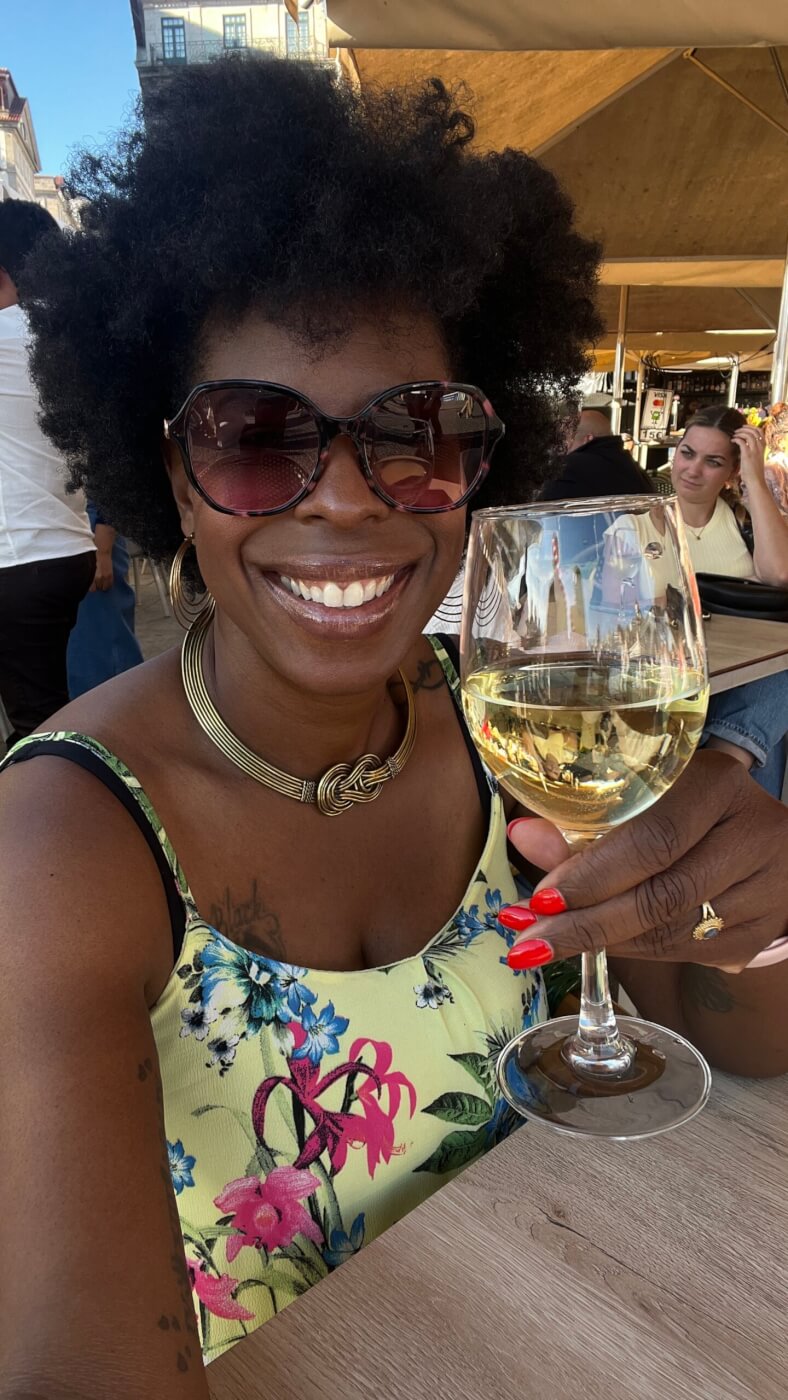
I still want demanding experiences. I want long walks, unfamiliar cities, language learning, creative work, spontaneous adventures, and meals that become memories.
I do not need to be perfectly prepared before saying yes. Still, every walk, strength session, nourishing meal, full night of sleep, and quiet moment of meditation helps keep the door open.
Happy aging means staying ready enough to step through that door.
It means respecting my limitations without turning them into an identity. It means adapting without shame and preparing without fear.
I am not trying to stop time. I am building the strength, mobility, and resilience to use it well.
At 50, I do not want a smaller life. I want a stronger foundation for everything that still calls me forward.