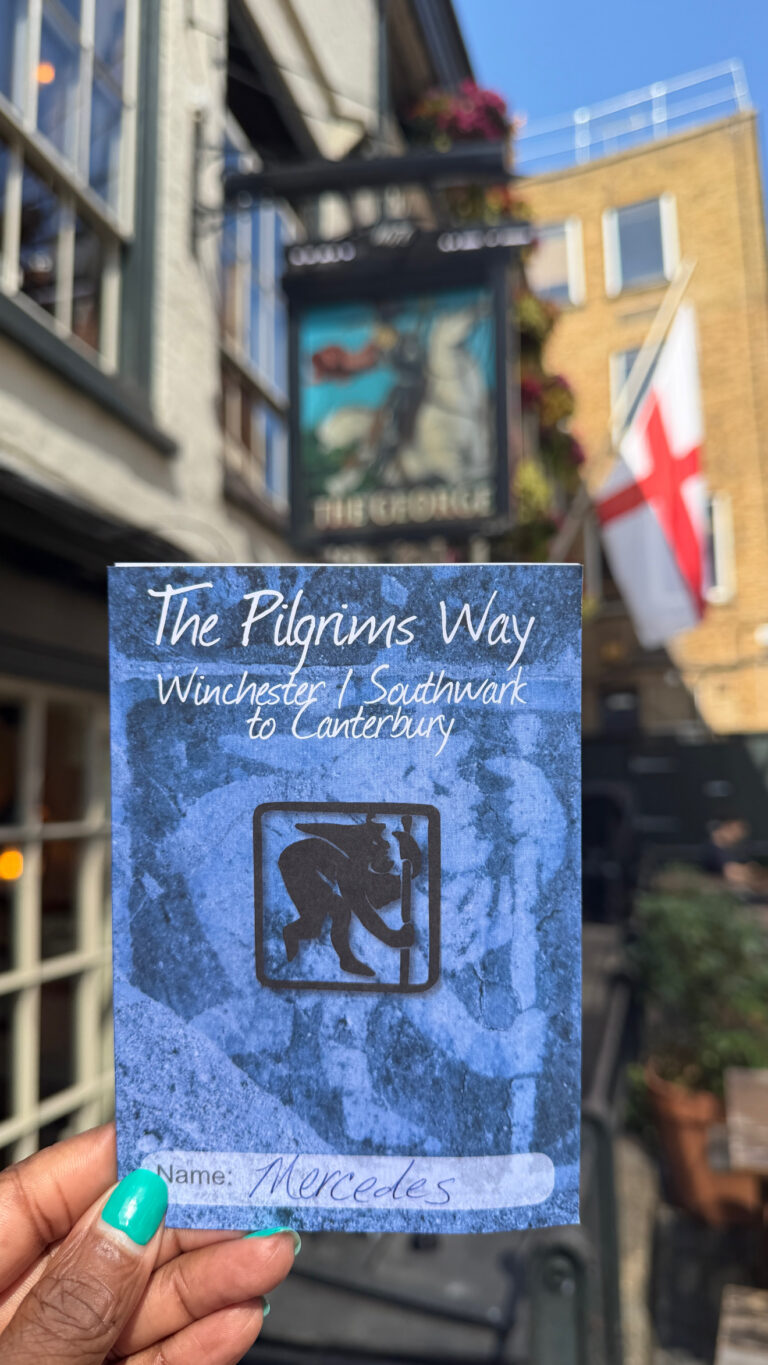
Walking the Pilgrims’ Way Changed How I See England
Walking the Pilgrims’ Way taught me something I probably already knew but needed to experience again. A country looks completely different when you slow down.
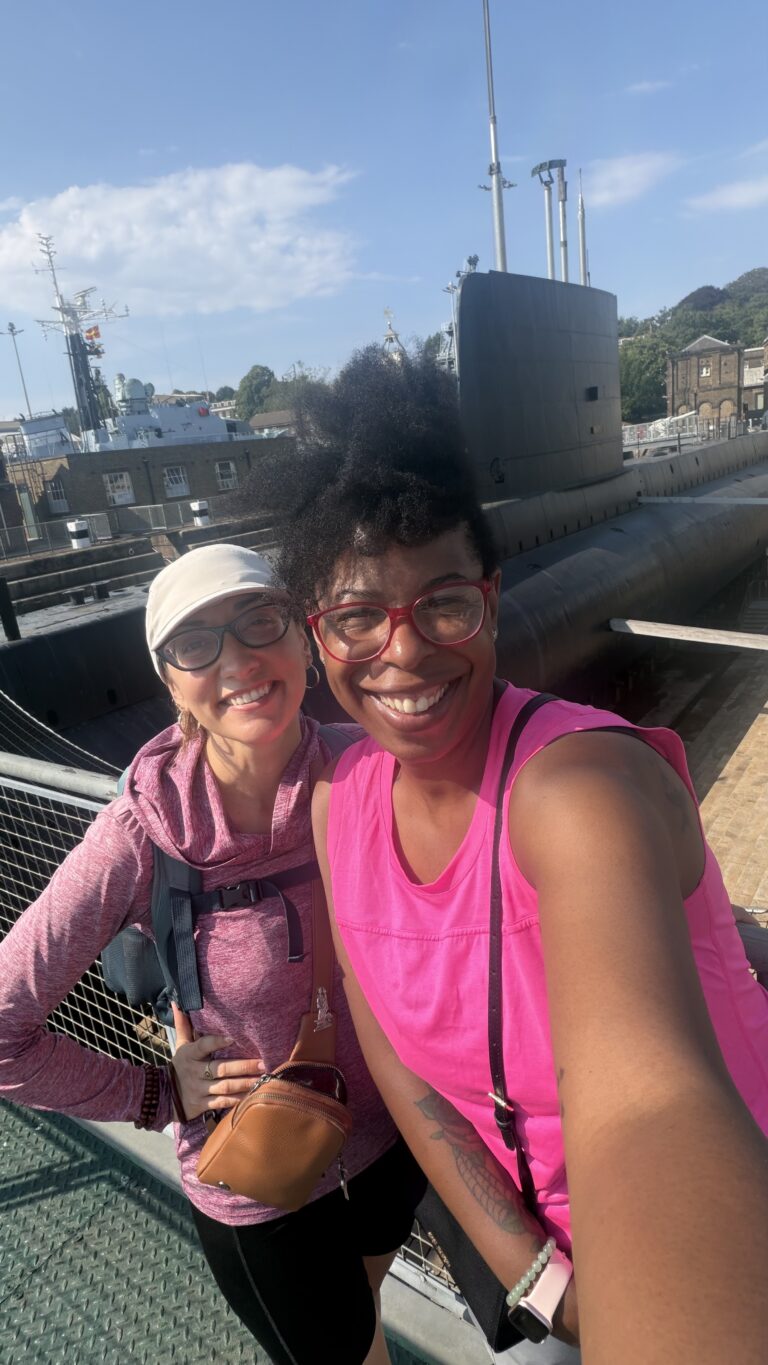
I have traveled through England before. However, walking roughly 70 miles from London toward Canterbury introduced me to a version of the country I could not have experienced from a train.
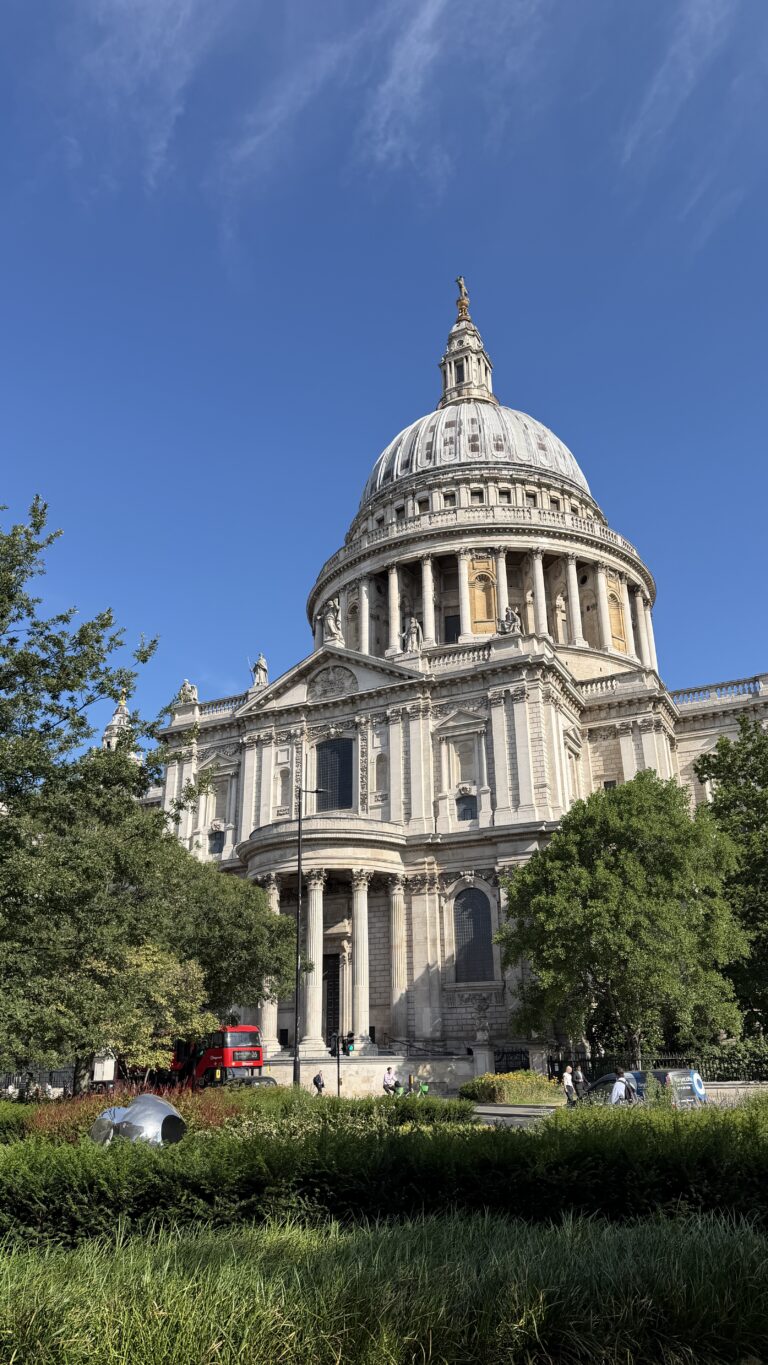
The famous places were still there. What changed was everything between them.
Walking the Pilgrims’ Way Took Me Beyond the Highlights
Most of us travel using destinations as anchors. We go to London, visit Edinburgh, plan a day at Stonehenge, and then search for the next place worth seeing.
I do this too, but walking does not allow you to jump between highlights. You have to experience the middle.
Leaving London made this obvious. The city did not suddenly stop.
It changed gradually as we moved farther away from its center. We passed through ordinary communities that would never appear on my list of England’s must-see attractions.
Yet those places taught me something. Tourism shows us how a destination wants to be seen, while walking often shows us how people actually live.
I need both perspectives.
Ordinary Places Became Part of the Experience
One of my biggest lessons from long-distance walking is that everything does not have to be extraordinary. That feels almost rebellious in today’s travel culture.
We are constantly encouraged to find the most beautiful restaurant, the perfect hotel, and the secret place nobody else knows about. Then we photograph it and immediately begin searching for the next thing.
Walking interrupts that cycle. Sometimes you are simply walking down a residential street.
Sometimes you are tired, and sometimes the scenery is not remotely beautiful. Yet you are still experiencing the place.
Those ordinary moments gave me a broader picture of England than I would have gotten from visiting attractions alone.
History Felt More Human
I also found myself thinking differently about England’s history. Rochester Cathedral is a good example.
I knew I was visiting an ancient cathedral, and I could read about medieval pilgrims and understand the facts. However, I had spent days walking before I arrived there.
My feet hurt, my body was tired, and I understood distance differently. Of course, my modern walk does not compare with what medieval travelers endured.
I had modern shoes, a phone, and access to transportation if something went wrong. Still, walking created a physical connection with the idea of pilgrimage.
Those travelers had moved through this landscape on foot too. Suddenly, the worn Pilgrim Steps inside Rochester Cathedral felt more personal.
History was not simply something I was reading. I was moving through the geography where it happened.
I Don’t Need Religion to Understand Pilgrimage
I am not religious, so my reasons for walking were not spiritual in the traditional sense. Still, pilgrimage fascinates me.
People have always traveled in search of something. Sometimes they seek healing or forgiveness, while other journeys begin with a desire for opportunity, change, or simply a different way of seeing life.
The reasons differ, but the movement is deeply human. I think that is part of what continues drawing me toward historic walking routes.
I do not need to share the beliefs of medieval pilgrims to understand their desire to move toward something meaningful. I have my own reasons for walking.
Walking at 50 Feels Different
There was another part of this journey I could not ignore. I was doing it at 50.
I do not say that because I think 50 is old. I say it because aging has changed how I approach physical challenges.
I still want adventure. Actually, I may want it more now because I understand how quickly time moves.
However, I no longer believe adventure requires ignoring what my body tells me. If something hurts, I pay attention.
If a route needs changing, I change it. If I need rest, I rest.
There was a time when I might have interpreted those decisions as giving up. I do not anymore.
Experience has taught me that I can be strong without constantly proving how much discomfort I can tolerate.
Adventure Does Not Have an Expiration Date
I also think about how often women are encouraged to become smaller as we get older. Not physically smaller, but less visible, less adventurous, and less willing to begin something new.
That has never felt like the life I want. Turning 50 has not made me want fewer experiences.
It has made me more aware that I should stop postponing the ones that matter. I want to keep learning, traveling, walking unfamiliar roads, and trying foods I have never tasted.
I want to keep asking questions about the world. Some adventures will be comfortable, while others will include blisters and aching feet.
I am okay with both.
Long-Distance Walking Redefines Luxury
Walking has a wonderful way of changing what feels luxurious. After hours on your feet, a chair can feel luxurious.
So can a shower. So can taking off your shoes.
A good meal becomes an event because your body genuinely needs it. I love beautiful hotels, wonderful restaurants, and special travel experiences, and I am certainly not giving those things up.
However, walking reminds me how quickly we adapt to comfort. Take comfort away for a few hours and suddenly the smallest things become deliciously indulgent.
There is something grounding about that.
Walking Reveals How Places Work
My professional background probably affects the way I observe places. I have spent years thinking about development, food systems, and the ways communities function.
Walking gives me an unusual window into those systems because, as a pedestrian, you quickly notice infrastructure. Can I cross this road safely?
Is there somewhere to sit? Can I refill my water?
Is there a public bathroom? Are communities connected, and can someone without a car move around easily?
Those questions are not particularly glamorous, but they tell us a great deal about quality of life. Traveling on foot turns you from an observer into a temporary participant because you have to use the place.
That is very different from looking at it through a tour-bus window.
Small-Town England Surprised Me
As the journey moved farther from London, the England around me changed. The landscape became greener, and smaller communities became more prominent.
I enjoyed that transition. Big cities give me endless options, but smaller places allow me to focus.
There is less pressure to rush. I can notice buildings, local businesses, and everyday interactions.
That slower pace fits the way I increasingly want to experience the world. I still love cities, but I do not want my travels to become a collection of famous places.
The Places Between the Famous Places Matter
This may have been one of the biggest lessons from walking across England. The places that make a trip meaningful are not always the places you planned to visit.
A small town can stay with you longer than a famous monument. A conversation can matter more than an attraction.
A beautiful section of countryside can become more memorable than something you had saved on Instagram for months. That is why I try to leave room in my travels now.
I still plan and research, but I do not want every hour controlled by an itinerary. Sometimes the best thing you can do in a place is simply walk around and see what happens.
I Want Travel With More Depth
Walking the Pilgrims’ Way helped clarify something else. I want depth from travel.
I want beautiful experiences, but I also want context. I want to understand what I am eating and why people eat it.
I want to know how history shaped a place. I want to understand how communities live and what they value.
Most importantly, I want enough time to notice. That does not mean every trip needs to become an educational project because sometimes fun can simply be fun.
However, I do not want to rush through the world collecting photographs without allowing places to affect me.
That is also why I enjoy booking local experiences when I have limited time in a destination. A knowledgeable guide can add layers that I might otherwise miss, and you can browse local tours and cultural experiences through GetYourGuide when planning your own travels through England.
Slow Travel Does Not Automatically Mean Cheap Travel
Another thing I have learned is that traveling slowly does not automatically mean spending less money. When you stay longer, accommodation adds up quickly.
So do meals, transportation, laundry, and all those small expenses that do not seem significant at first. That is one reason I mix different types of accommodation when traveling for extended periods.
Sometimes I want a beautiful hotel experience. Other times, saving money matters more because I would rather use that money to extend the journey.
If you are planning a longer trip through England or elsewhere in Europe, Hostelworld can be useful for comparing budget accommodation options.
I do not think travel needs to fit into one category. Luxury and budget travel can exist in the same journey.
The England I Found Between London and Canterbury
When I think about this journey, I certainly remember the major places: Southwark, Rochester, Chatham, Faversham, and Canterbury. However, I also remember the transitions between them.
I remember leaving London slowly rather than disappearing from it on a train. I remember the hard pavement and the relief when the landscape became greener.
I remember reaching historic places after using my own feet to get there. Those experiences changed my relationship with distance and with England.
You can read the complete story of my Pilgrims’ Way journey from London to Canterbury to follow the route from the beginning.
Walking the Pilgrims’ Way did not reveal some secret version of England. It did something better.
It made me pay attention to the version that was already there.
Why I Will Keep Choosing Slow Travel
I do not need every future trip to involve walking 70 miles. Sometimes my ideal travel day involves good food, a comfortable hotel, and very little physical effort.
But I want to keep making room for journeys that force me to slow down. Walking gives me time to think, observe, and experience places without constantly racing toward the next thing.
That is what England gave me on the road to Canterbury. It reminded me that travel does not always have to be about how much you can see.
Sometimes the better question is how deeply you can experience what is already in front of you.