Why I Like Food That Comes With a Local Story
I remember sitting down to a meal while traveling and assuming I already understood what had been placed in front of me. The dish looked simple enough, built from familiar ingredients arranged in a way I had not seen before.
Then the person serving it began to explain.
She told me when people usually ate it, which ingredient her family considered essential, and how the recipe had changed when certain foods became harder to find. What had looked like an ordinary plate suddenly carried migration, adaptation, family preference, and the memory of another kitchen.
The flavor had not changed, but my experience of it had.
I like food that comes with a local story. Not a polished speech designed for visitors, but a real explanation from someone who understands why the dish matters. A local food story changes the meal because it gives the food a life beyond my appetite.
Context Arrives Before the Second Bite
Before I know the story, I can still enjoy the food. I can notice texture, temperature, seasoning, and the way one ingredient balances another.
Once I hear the context, the plate becomes more complicated. A grain may reflect what grows well in the region. A preserved ingredient may reveal how families prepared for a season when fresh food was less available.
Even the absence of an ingredient can tell a story. A household may have changed the recipe because of cost, migration, religion, health, or simple preference.
Context does not make the food objectively better. It makes my attention deeper.
The first bite gives me flavor. The story helps me understand why that flavor found its way to this particular table.
The Person Explaining the Dish Becomes Part of the Experience
Food often reaches travelers through people whose knowledge extends far beyond the service they provide.
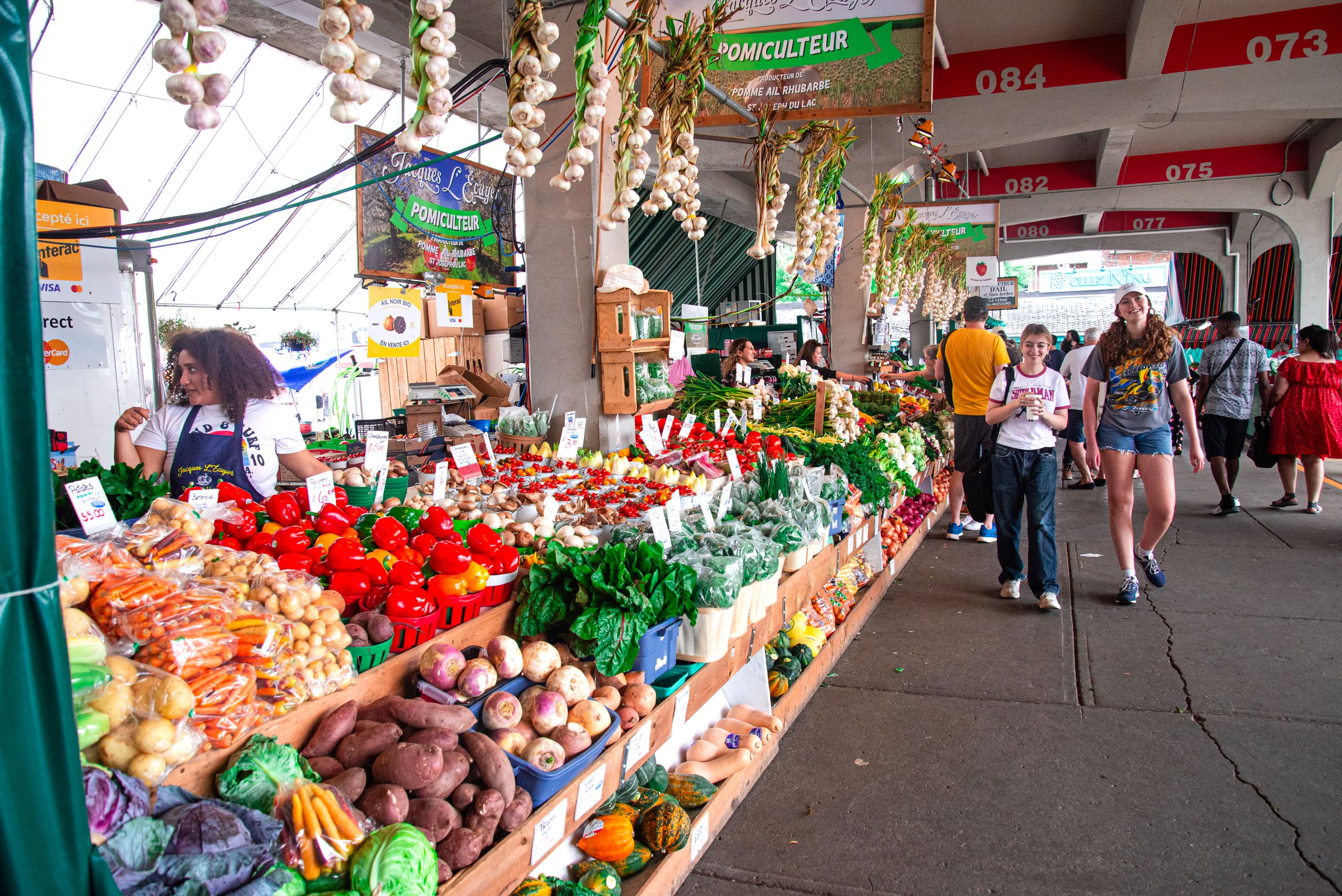
A server may know which dish regular customers order during a certain season. A market vendor can explain why one variety tastes different from another, while a home cook may carry a recipe that has never been written down.
Those explanations matter because restaurants and markets do more than sell food. They reveal how a place organizes daily life.
This is part of what I explore when I write about how local restaurants teach me how a city feels. Menus reflect migration, agriculture, class, labor, and the changing tastes of the people who live nearby.
The person sharing the story may also become part of my memory of the meal. Years later, I may forget the exact name of the restaurant but remember the pride in someone’s voice while she explained why her version tasted different.
Flavor Can Carry Migration
Recipes travel with people.
A family moves and brings a spice blend, cooking method, or holiday dish into a new country. Then the recipe begins adapting to what is available.
One herb replaces another. A different grain becomes affordable, while a local vegetable enters the dish and eventually feels inseparable from it.
Over time, the food may belong to more than one place. It can carry the memory of where a family came from while also reflecting the conditions of where they now live.
That movement complicates the idea of authenticity. The most truthful version of a dish may not be the oldest one. It may be the version that shows how people protected identity while responding to change.
Season and Climate Are Part of the Recipe
Local food stories often begin with the land.
Weather determines what grows, how long it lasts, and which preservation methods become necessary. A hot climate may encourage cooling foods, bright acids, and ingredients that offer hydration.
Colder regions develop other relationships with fat, fermentation, grains, roots, and long cooking. These patterns do not appear by accident.
When someone explains why a dish belongs to a particular season, I begin tasting more than preference. The plate becomes evidence of how people responded to their environment.
Modern food systems allow many ingredients to appear year-round. That access can be useful, but it also makes seasonality easier to forget.
A local story restores the connection between the dish and the conditions that shaped it.
The Backstory Should Not Become a Performance
Travelers increasingly seek food with a story, and businesses understand the appeal.
That interest can support local cooks, guides, and restaurants. It can also create pressure to package culture into a neat explanation that visitors can consume quickly.
Real food histories rarely fit into a perfect narrative. Families disagree about recipes. Traditions change, and some dishes carry histories of scarcity, colonization, or displacement alongside pleasure.
I do not need every meal to arrive with an inspirational message.
The most meaningful explanations often sound ordinary. Someone may simply say that her grandmother made it this way or that the dish tastes different now because the neighborhood has changed.
Those details feel honest because they do not turn culture into theater.
Listening Matters More Than Collecting
Food travel can become a form of collecting. Travelers accumulate restaurants, photographs, markets, and dishes as proof of cultural access.
I want a different relationship with the table.
Listening means allowing the person explaining the food to decide what matters. The story may not center the detail I expected to hear, and it may challenge the version I encountered in a guidebook.
Respect also requires boundaries. A cook does not owe me a family history simply because I purchased a meal.
When someone chooses to share, I can receive the story without treating it as material I automatically own. That distinction matters to me as a writer.
Curiosity should create connection, not entitlement.
Food Memory Begins Before I Return Home
A meal often becomes a memory while I am still eating it.
The story gives my mind something to hold alongside the flavor. Later, one detail can bring the entire experience back.
I may remember who explained the dish, the sound of the room, or the sentence that changed how I understood what I was tasting.
This connects with my reflections on how food memories continue following us home. Taste alone rarely explains why one meal remains vivid while another disappears.
The strongest memories usually carry people, place, emotion, and context together.
A dish with a story has more ways to return to me.
Thoughtful Food Tours Can Make Context Visible
A good food tour does more than move travelers between tasting stops.
The guide connects the meal to the neighborhood, the people preparing it, and the systems that helped the food develop. History, agriculture, migration, and labor become part of the experience rather than background information.
Food tours available through GetYourGuide can provide that context when local guides center community knowledge and treat the food as more than entertainment.
The best experiences also avoid presenting one dish as representative of an entire culture. No single plate can carry every region, class, family, and generation.
A thoughtful guide offers an entry point, not a final answer.

A DG Speaks Recommendation
I want more years of tasting, traveling, learning, and listening to the stories that bring a place to life
I partnered with Happy Aging to share products that support energy, vitality, and a life that remains curious, connected, and fully engaged.
Bringing the Story Home Requires Humility
After tasting something memorable, I often want to recreate it.
Cooking the dish at home can help me hold onto the experience, but my version will not be identical. The ingredients may come from different soil, and the kitchen will carry another set of routines.
I also lack the repetition of someone who has prepared the dish for years.
That difference does not make the attempt meaningless. It simply asks me to describe it honestly.
I can say that a meal inspired me without claiming that I reproduced the definitive version. A home interpretation should remain connected to its source rather than turning someone else’s tradition into my invention.
When meat belongs in the meal, selections from ButcherBox can help me plan dishes at home alongside vegetables, grains, herbs, and sauces. The ingredients support the cooking, but intention shapes how I approach the story behind it.
The Antidote Is Connection Without Possession
Food culture can be consumed as quickly as food itself.
A traveler tastes a dish, photographs it, repeats a few facts, and moves on. The experience becomes another item collected from the destination.
The antidote is connection without possession.
I can appreciate a dish without claiming expertise after one meal. I can share what someone taught me while making clear whose knowledge shaped my understanding.
That approach leaves room for uncertainty. It also recognizes that the community continues living with the food after I leave.
The story does not belong to me simply because I heard it. My responsibility is to carry it with care.
The Story Changes What I Taste
When I think back to the meal that began this reflection, I do not remember every ingredient. I remember the explanation.
The person serving the dish gave me a way to understand what I had almost treated as ordinary. Her words connected the plate to family, movement, adaptation, and the history of another kitchen.
The food tasted different after that, even though nothing in the recipe had changed.
A local food story turns consumption into relationship. It reminds me that a dish did not appear only for my pleasure.
Someone grew the ingredients, learned the method, changed the recipe, and decided the food was worth making again.
That is the kind of meal I remember.
I want flavor with context, stories without performance, and enough humility to understand that tasting something does not make it mine.
The plate matters. The person explaining it matters too.
Continue exploring stories about local food, cultural memory, restaurants, and the people behind what reaches the table through DG Speaks Food.