
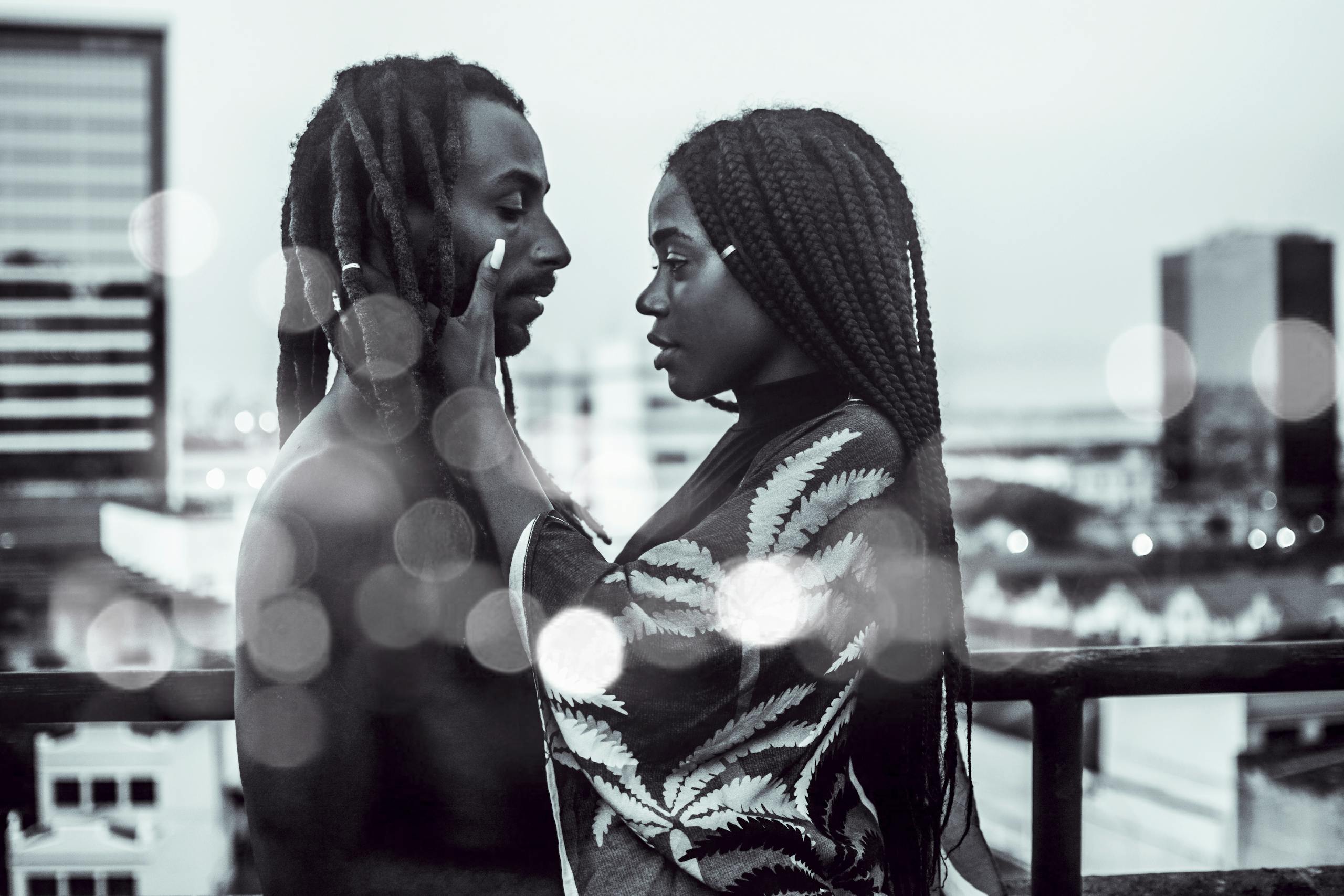
Black Leads Without Black Romantic Partners in TV and Film
There’s a conversation that keeps resurfacing whenever a new TV show or movie featuring a Black lead comes out, especially online. People notice when Black leads without Black romantic partners become the norm instead of the exception. And honestly, it’s hard not to notice once you start paying attention.
This is not about policing interracial relationships. Black people date interracially in real life every single day, and there is absolutely nothing wrong with that. The issue is the pattern Hollywood continues to create onscreen and what that pattern quietly communicates about race, beauty, desirability, and connection.
When the overwhelming majority of Black leads are consistently paired with non-Black love interests, particularly in major productions, it starts to feel less like coincidence and more like industry preference.
Why Representation Matters
Representation is never just about visibility. It’s also about how people are portrayed and who gets positioned as desirable, lovable, and worthy of emotional depth.
For decades, Hollywood has struggled to fully embrace Black love stories with the same consistency and investment given to white romances. Even now, there are still relatively few mainstream productions centered entirely around nuanced Black relationships.
Instead, audiences often see Black leads without Black romantic partners, particularly Black men paired with white women or racially ambiguous women. Meanwhile, darker-skinned Black women frequently remain underrepresented as romantic leads altogether.
That imbalance matters because media shapes perception whether we admit it or not.
The Pattern People Keep Noticing
This conversation becomes especially noticeable when you look at franchises, streaming originals, and prestige television. Again and again, Black protagonists are introduced, but their emotional intimacy and romantic storylines rarely involve Black partners.
Sometimes it feels intentional. Other times it feels like Hollywood simply defaults to interracial casting because executives view it as “more marketable” or “more universal.”
The problem is that Blackness should never need proximity to whiteness to feel universal.
Black relationships, Black tenderness, and Black intimacy deserve to exist onscreen without explanation or justification.
Black Women Often Bear the Biggest Impact
One reason this conversation becomes emotionally charged is because Black women often feel erased within these narratives.
Hollywood has historically sidelined darker-skinned Black women in romance while uplifting beauty standards tied to ambiguity and proximity to whiteness. Even when Black women appear as leads, they are frequently denied soft, fully developed love stories.
That is slowly changing thanks to creators like Issa Rae, Ava DuVernay, and Michaela Coel, who continue creating space for more layered portrayals of Black relationships. Still, the broader industry pattern remains difficult to ignore.
Interracial Relationships Are Not the Problem
Let me be clear because nuance matters here. Interracial relationships themselves are not the issue. Real life is diverse, layered, and complex. Love does not need permission to exist across racial lines.
The concern is imbalance.
When Hollywood repeatedly presents Black leads without Black romantic partners while simultaneously underrepresenting Black love, audiences naturally begin asking questions about whose love stories are considered valuable.
People want balance. They want variety. They want to see Black couples portrayed with the same softness, complexity, chemistry, and vulnerability afforded to everyone else.
Why Audiences Are Speaking Up
Social media has changed everything. Audiences are no longer passively consuming media without discussion. People analyze casting patterns, relationship dynamics, and industry trends in real time.
Viewers are asking deeper questions about representation:
- Who gets to be desired?
- Who gets protected?
- Who gets romantic storylines?
- Who gets reduced to side characters?
- Who gets fully realized emotional lives?
Those conversations matter because storytelling shapes culture.
The Industry Is Slowly Evolving
Thankfully, there has been progress. Films and series centering Black relationships are finding audiences and proving there is demand for these stories.
Projects like Insecure, The Photograph, Love Jones, and If Beale Street Could Talk show that audiences deeply connect with authentic portrayals of Black intimacy and vulnerability.
These stories resonate because they feel grounded, human, and emotionally honest.
Hollywood does not need fewer interracial stories. It simply needs more balance and more intentionality in how Black relationships are represented onscreen.
Final Thoughts
At the end of the day, conversations about Black leads without Black romantic partners are really conversations about visibility, equity, and storytelling power.
People want to see themselves reflected fully. They want to see Black love portrayed as beautiful, healthy, messy, joyful, complicated, and worthy of center stage.
And honestly, that should not still feel revolutionary in 2026.
