The Joy of Eating With My Hands
I remember sitting down to a meal where everyone around me reached for the food with practiced ease. Bread became a utensil, fingers understood how much pressure the food required, and the table moved with a confidence I did not yet share.
At first, I watched carefully. I wanted to follow the custom respectfully without turning the moment into a performance of my own curiosity. Once I began, the meal changed.
Texture reached me before flavor did. I felt warmth, softness, crisp edges, grains, sauce, and the difference between food that needed a gentle touch and food that could be held firmly. My hand became part of the experience rather than a tool kept outside it.
There is joy in eating with hands. Before a fork gets involved, touch brings the meal closer to the body and reminds me that food is not only seen and tasted. It is also felt.
Eating With Hands Begins Before the First Bite
Utensils create distance between the hand and the food. That distance can be useful, elegant, and culturally meaningful, but it is not the only way to eat with care.
When I use my hands, the meal begins before anything reaches my mouth. Temperature, texture, weight, moisture, and resistance all become part of the information I receive.
A piece of bread may feel warm and flexible. Rice, dough, roasted meat, fruit, or a crisp shell each asks for a different kind of pressure.
Touch helps me understand how the food was prepared. It reveals whether something tears easily, holds together, crumbles, stretches, or absorbs sauce.
Touch Changes the Pace of the Meal
Eating with hands can slow me down because every bite requires attention. I cannot move mechanically from plate to mouth without noticing how the food responds.
The pace becomes especially different when the meal involves tearing bread, forming a bite, wrapping ingredients, or combining several textures by hand. These gestures give the food a rhythm.
Slowness does not always mean formality. The table may feel relaxed, conversational, and joyful while everyone eats with practiced speed.
What changes is my awareness. I feel more involved in assembling each bite, which can make the meal seem more intimate and satisfying.
Eating With Hands Is a Cultural Practice, Not a Novelty
Travelers sometimes describe eating with hands as adventurous, unusual, or primitive. That language reveals more about the observer than the meal.
Across the world, people have developed precise traditions around how food should be touched, shared, gathered, and brought to the mouth. These customs carry knowledge about hygiene, hospitality, religion, family, and respect.
This awareness shapes my approach to respectful curiosity in cultural travel writing. I do not want to turn someone else’s ordinary dining practice into a spectacle simply because it differs from the rules I learned first.
Curiosity becomes more respectful when I recognize that local diners are not demonstrating a custom for my benefit. They are eating in the way that makes sense within their own cultural language.
Culture Lives in the Gesture
The hand itself carries meaning at the table.
Some traditions specify which hand should touch food. Others distinguish between communal dishes and personal portions, or teach diners how to form a bite without allowing fingers to enter the mouth.
These gestures are not random details. They communicate refinement, respect, cleanliness, and belonging.
A visitor may notice only that utensils are absent. Someone raised within the tradition sees an entire system of etiquette.
That difference matters because cultural knowledge often lives in movements too familiar for insiders to explain unless someone asks thoughtfully.
Eating With Hands Challenges Narrow Ideas of Refinement
Western table manners often present forks, knives, spoons, and formal place settings as evidence of civility. That assumption has historically been used to rank cultures and judge people whose dining practices followed other traditions.
Refinement does not belong to one set of utensils.
Cleanliness, discipline, elegance, and care can appear in the way a person washes before eating, shapes a bite, avoids waste, shares a dish, and handles food without unnecessary mess.
A beautifully eaten meal may involve silverware, chopsticks, bread, leaves, or bare hands. The form changes while the underlying values remain recognizable.
I want to notice skill without measuring every table against the customs that happen to feel familiar to me.
Food Memory Often Lives in the Fingers
Memory does not enter only through taste and smell. The body also remembers how food feels.
A familiar dough may recall the hands that shaped it. The texture of rice, bread, fruit, or roasted food can bring back kitchens, relatives, celebrations, and places long before I can name the exact association.
This belongs beside my reflections on how food memories continue following us home. A recipe preserves ingredients, but the body often preserves gesture.
I may remember how someone tore the bread, passed the plate, or showed me how to gather the food properly. Those movements become part of the meal’s emotional history.
Shared Food Requires Trust and Clear Etiquette
Eating from a communal dish can create a powerful sense of connection. Everyone participates in the same meal, and the table feels less divided into separate individual plates.
That closeness depends on shared expectations.
People need to understand which section belongs to them, how to take food hygienically, and whether double-dipping, reaching across, or touching certain items is acceptable. Local etiquette protects comfort as well as cleanliness.
When I enter a tradition I do not know, observation helps. Asking a trusted person quietly is often better than making a public joke about being confused.
Respect means learning enough to participate without turning everyone else into my instructor.
Food Tours Can Add Context to the Custom
A dining practice becomes easier to appreciate when I understand the history behind it. Local guides can explain how a dish is served, which gestures matter, and what visitors often misunderstand.
Food and cultural experiences available through GetYourGuide may offer that context when knowledgeable guides center local expertise rather than treating the meal as entertainment.
A good guide does more than tell me what to eat. The experience should help me understand why the food is prepared, shared, and consumed in a particular way.
Context turns imitation into learning. It helps me participate with greater confidence while remaining aware that one meal cannot make me an authority on an entire culture.
Eating With Hands Can Make the Table Feel More Relaxed
Some meals invite a formality that feels appropriate. Others become more enjoyable when the table loosens.
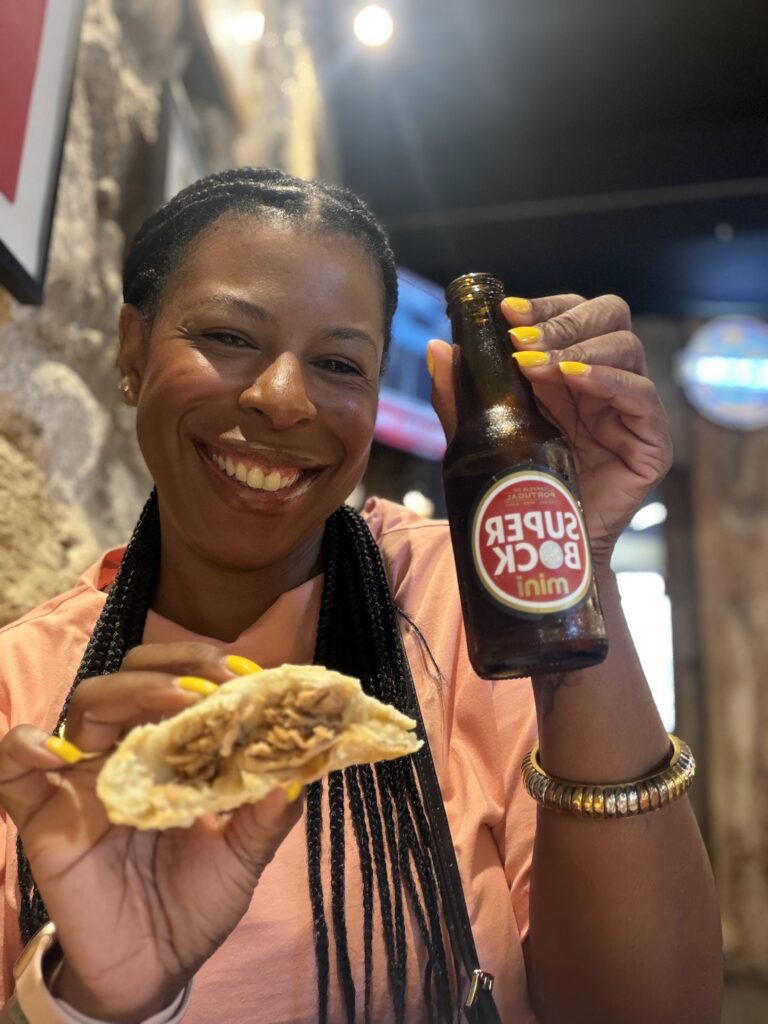
Food eaten by hand can create that ease. People pass platters, tear bread, share pieces, and laugh when sauce escapes the perfect bite.
The pleasure does not come from abandoning manners. It comes from following a different set of manners, one that allows more direct contact with the food.
At home, simple dishes can create the same relaxed atmosphere. When meat fits the menu, selections from ButcherBox may support meals such as roasted chicken, burgers, grilled food, wraps, or shared platters that invite a less formal table.
Convenience supports the meal, but the sense of ease comes from how people gather around it.
Hygiene Matters Without Becoming Cultural Judgment
Any discussion of eating with hands should include cleanliness without implying that utensils automatically make a meal safer.
Hands should be washed before eating, especially when food will be shared. Clean serving areas, safe temperatures, and proper food handling remain important regardless of the utensil or tradition.
At the same time, concerns about hygiene have often been applied selectively. People may criticize hand-eating traditions while ignoring unwashed utensils, shared serving tools, contaminated surfaces, or poor food handling elsewhere.
Cleanliness is a practice, not a cultural ranking.
The respectful question is whether food is handled safely, not whether the table resembles the one I grew up with.

A DG Speaks Recommendation
I want more years to taste widely, stay curious, and experience food with my whole self
I partnered with Happy Aging to share products that support energy, vitality, and a life grounded in nourishment, curiosity, and meaningful connection.
Learning the Gesture Requires Humility
The first attempt may feel awkward. Food falls apart, the bite becomes too large, or my fingers do not yet understand a movement that looks effortless in someone else’s hand.
Awkwardness does not need to become embarrassment.
Every table practice is learned. Forks, knives, chopsticks, serving spoons, and formal place settings also require instruction and repetition.
Humility allows me to be a beginner without turning the situation into comedy. I can observe, ask when appropriate, and accept correction without expecting praise for participating.
The goal is not to perform cultural openness. I want to engage respectfully enough that the food, rather than my discomfort, remains at the center.
Permission to Be Fully Present
When I remember that meal, I think about the moment my attention moved from doing it correctly to experiencing it fully. The food felt warmer, more textured, and somehow closer once I stopped treating my hand as an obstacle.
Eating with hands changed the meal because touch became part of taste. Each bite began with information my fingers received before my mouth did.
The practice also challenged assumptions I had absorbed about elegance and proper dining. Refinement did not disappear when the utensils did. It simply took another form.
Food culture lives in recipes, ingredients, and flavor, but it also lives in posture, timing, sharing, touch, and the gestures people repeat without needing to explain them.
Learning those gestures helps me approach a table with more respect. I become less interested in judging whether a custom resembles mine and more curious about the knowledge it carries.
Permission to be fully present sometimes begins in the hand.
The warmth of bread, the softness of rice, the crisp edge of something fried, or the sauce absorbed into a shared bite can make eating feel immediate again. No barrier separates the food from the body preparing to receive it.
That directness can be practical, intimate, joyful, and deeply cultural.
Food is not only something I look at, analyze, photograph, or taste.
Sometimes the meal asks to be felt first.
Continue exploring stories about eating with hands, food culture, sensory experience, and the traditions that shape how people gather through DG Speaks Food.