Kelley Faris and Hank’s Bagels: Making Money and Building Joy
Some Women Know a Business Opportunity When They See One
There is a certain kind of woman who may never call herself a strategist, yet she can read people, spot value, solve problems fast, and make money when life requires it. She understands demand before the spreadsheet does.
That was one of the first things that stood out to me when speaking with Kelley Faris of Hank’s Bagels during my BagelFest West 2026 coverage. While the festival celebrated standout bagels and growing brands, Kelley’s story reminded me that many successful food businesses are built as much through emotional intelligence and operational instinct as they are through recipes.
She described herself as someone who knows how to make money and figure things out. I smiled when she said it because many women carry serious economic intelligence without ever branding it that way.
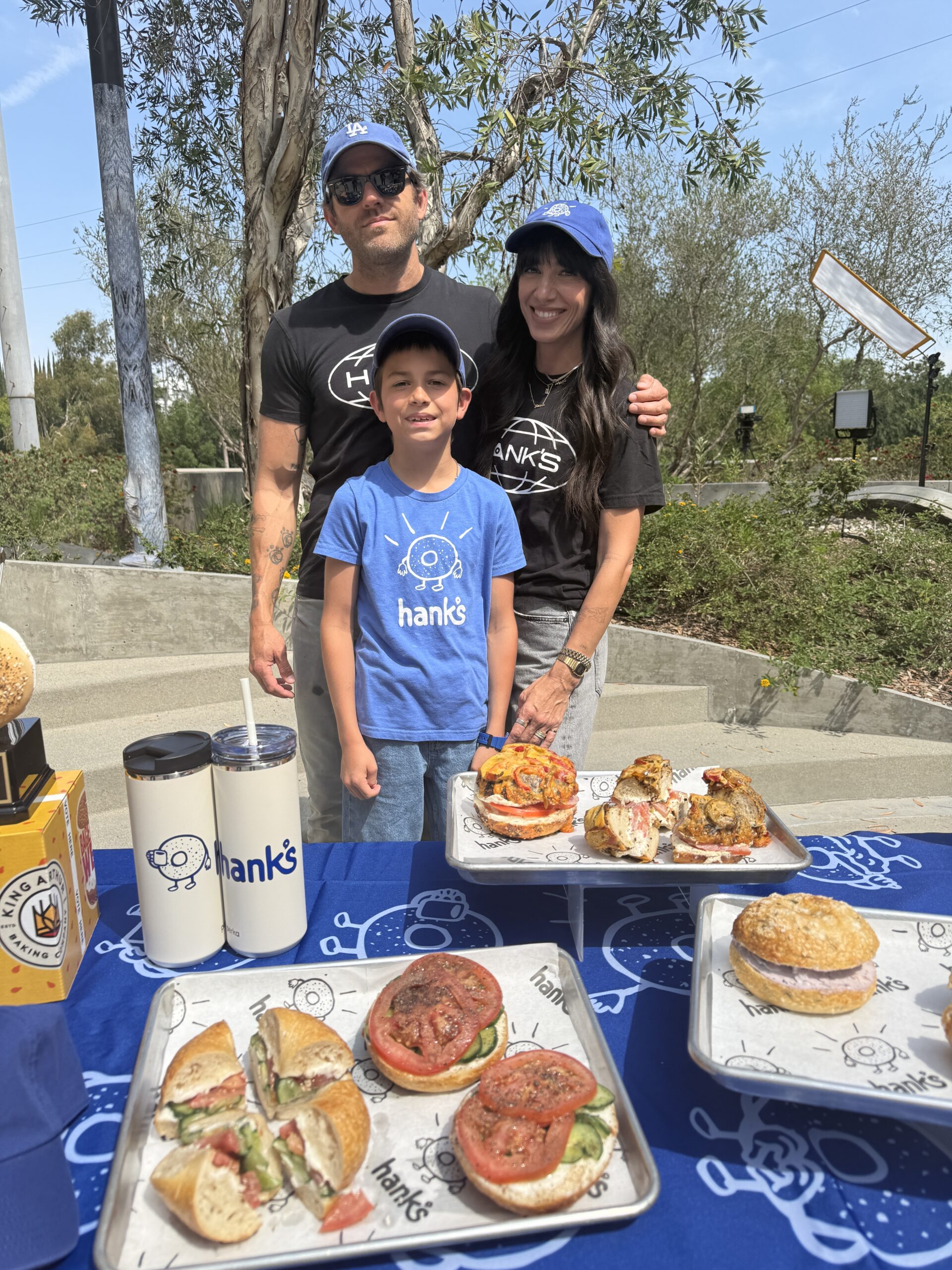
I know how to make money and figure things out.
Kelley Faris, interview with DG Speaks
Before the Business, There Was a Household to Run
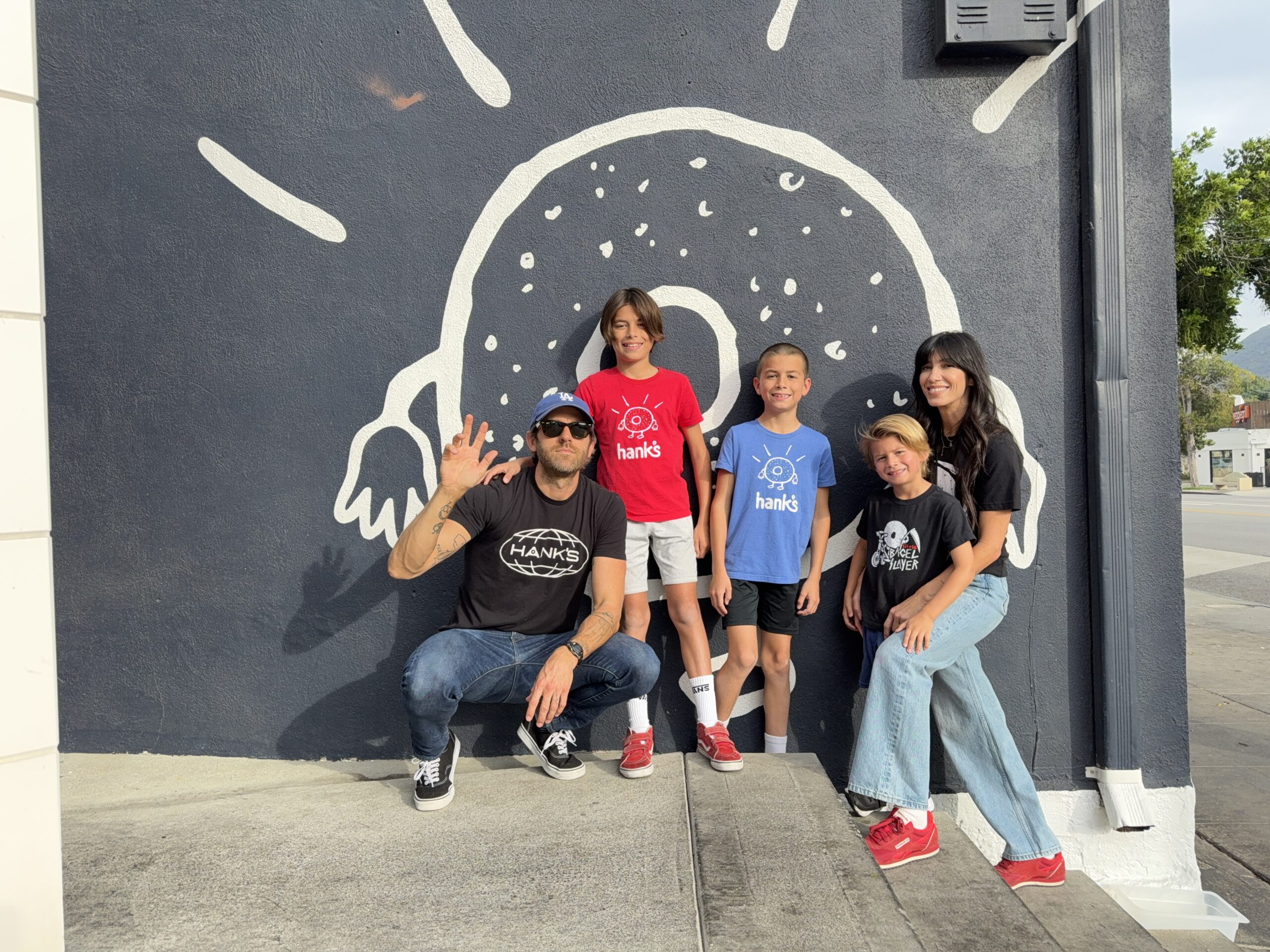
Kelley shared that she and her husband were young when they got together and started building their life. By the time the bagel business idea emerged, they already had children and another baby on the way.
That context matters more than many entrepreneurship stories admit.
Too often business success is told as if founders appeared in a clean white room with unlimited time and emotional bandwidth. In real life, many women are building while managing childcare, household logistics, relationships, and the constant arithmetic of daily expenses.
As someone who studies food systems, I see household economics as part of the larger economy. Families are production units, care units, budgeting units, and labor systems all at once.
When women launch businesses inside that reality, it deserves a different level of respect.
Partnership Is Also Infrastructure
She explained that the push to start the business came from her husband’s culinary vision, while she recognized her own strengths in people management, hiring, operations, and customer-facing experience.
That immediately interested me because food businesses often survive on complementary labor that outsiders do not fully see.
One person may create the product. Another may create the systems that keep the product moving smoothly. One may drive menu innovation. Another may stabilize staffing, culture, scheduling, and customer retention.
Those functions are equally valuable.
Women’s work is often described as support when it is actually structure.
Hospitality Is Not Decorative
Kelley shared that she had never worked in a restaurant before stepping into the business, yet she naturally focused on team management, customer experience, hiring, and creating an environment that felt warm and welcoming.
Let me be clear. Hospitality is not fluff.
Hospitality drives repeat business. It shapes online reviews. It reduces friction. It can improve staff retention and customer loyalty. In crowded urban markets, atmosphere can be just as strategic as the menu.
Many women already know how to create spaces where people feel seen, comfortable, and eager to return. The market benefits from those skills all the time while often failing to name them properly.
Standards and Flexibility Can Share a Plate
Kelley discussed the balance between honoring product quality and responding to what customers wanted, including the question of toasted bagels.
That may sound like a small anecdote, but it reveals a larger truth about leadership in food.
Strong operators understand that rigidity can alienate people, while inconsistency can weaken trust. The art is knowing where standards must hold and where flexibility creates loyalty.
I see this issue across the food sector, from neighborhood cafés to global supply chains. The strongest systems are rarely the most rigid. They are the ones that know how to adapt without losing themselves.
Everybody Loves Expansion Until It Gets Real
She also spoke about the rapid growth of Hank’s Bagels after opening and the pressure that came with expansion. Growth can look glamorous from the outside, but growth often means staffing shortages, training needs, supply consistency issues, rising costs, and nonstop decisions.
I appreciated her honesty about not always wanting to expand before the business was ready.
That instinct is wise.
Scaling too quickly can damage quality, culture, and customer trust. Bigger is not automatically better if the foundation is already strained. Many women know that saying no at the right time can be just as valuable as saying yes.
Somebody Has to Protect the Vibe and the Margin
One of the strongest lessons from our conversation was how seriously she takes customer experience, company culture, and quality.
Those priorities are not sentimental extras. They are business fundamentals.
Low morale costs money. Poor service costs money. Inconsistent quality costs money. High turnover costs money. A tense environment eventually costs money too.
Sometimes women leaders notice what others dismiss as atmosphere. Yet atmosphere has measurable economic consequences.
Kelley came across as someone who understands that protecting the feeling of a place is also protecting the numbers.
Joy Is Part of the Product
What stayed with me most was that her story never felt cynical. Even while discussing pressure, growth, and responsibility, there was warmth and humor in the way she spoke about the journey.
That matters because food is never only food.
A neighborhood bagel shop may also be selling ritual, comfort, familiarity, convenience, conversation, and a bright spot in someone’s morning. Consumers often return for the feeling as much as the flavor.
The best founders understand that joy has value, and in difficult times it can be one of the most valuable things on the menu.
Some Women Keep the Whole Thing Standing
Her story is about much more than bagels. It is about partnership, emotional intelligence, adaptability, and the kind of labor women often perform so naturally that others fail to recognize it.
These are the women hiring wisely, solving problems early, reading the room, protecting standards, and keeping momentum alive while others get the spotlight.
As someone who works in food systems, I can tell you plainly that many businesses are sustained by exactly this kind of invisible competence.
Women like Kelley are not background figures. They are part of the engine.