Neuschwanstein and Hohenschwangau: My Bavarian Castle Day
My Neuschwanstein Castle day trip began with a familiar travel fantasy: I wanted to see the castle that seems to float above Bavaria.
The photographs prepared me for towers and mountain views. They did not prepare me for the movement required to reach them. I walked uphill, followed forest signs, watched clouds shift, and kept stopping because the landscape demanded attention.
The Train Carried Me Toward the Alps
I traveled without renting a car. Germany’s trains and local connections allowed me to reach the region while watching the landscape change.
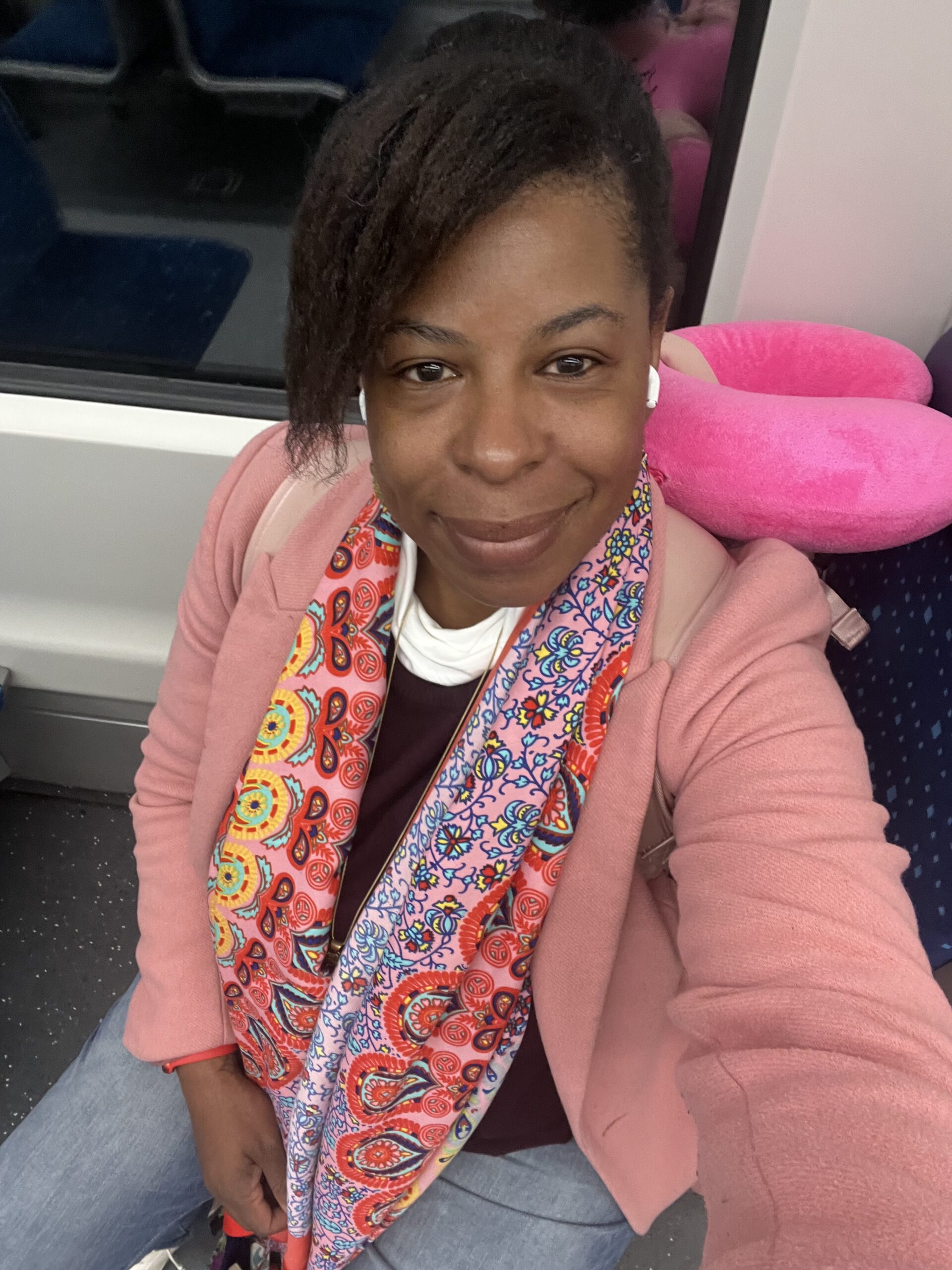
Travel days contain logistics that disappear from the final photograph. I carried layers, watched the time, followed signs, and calculated how much energy I needed for the return.
Hohenschwangau Added the Family Story
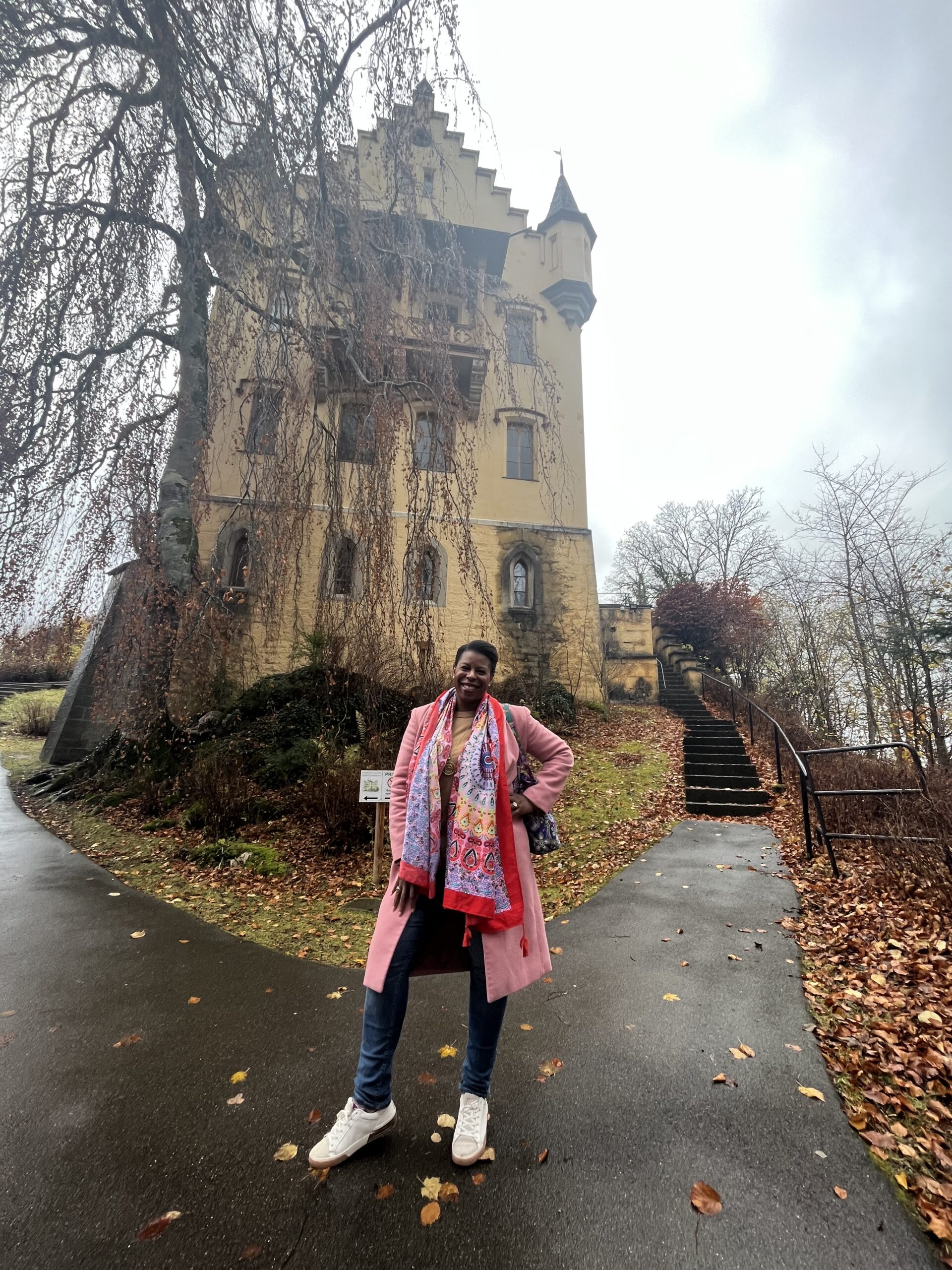
King Maximilian II rebuilt Hohenschwangau during the nineteenth century. His son, Ludwig II, spent part of his childhood there before creating Neuschwanstein.
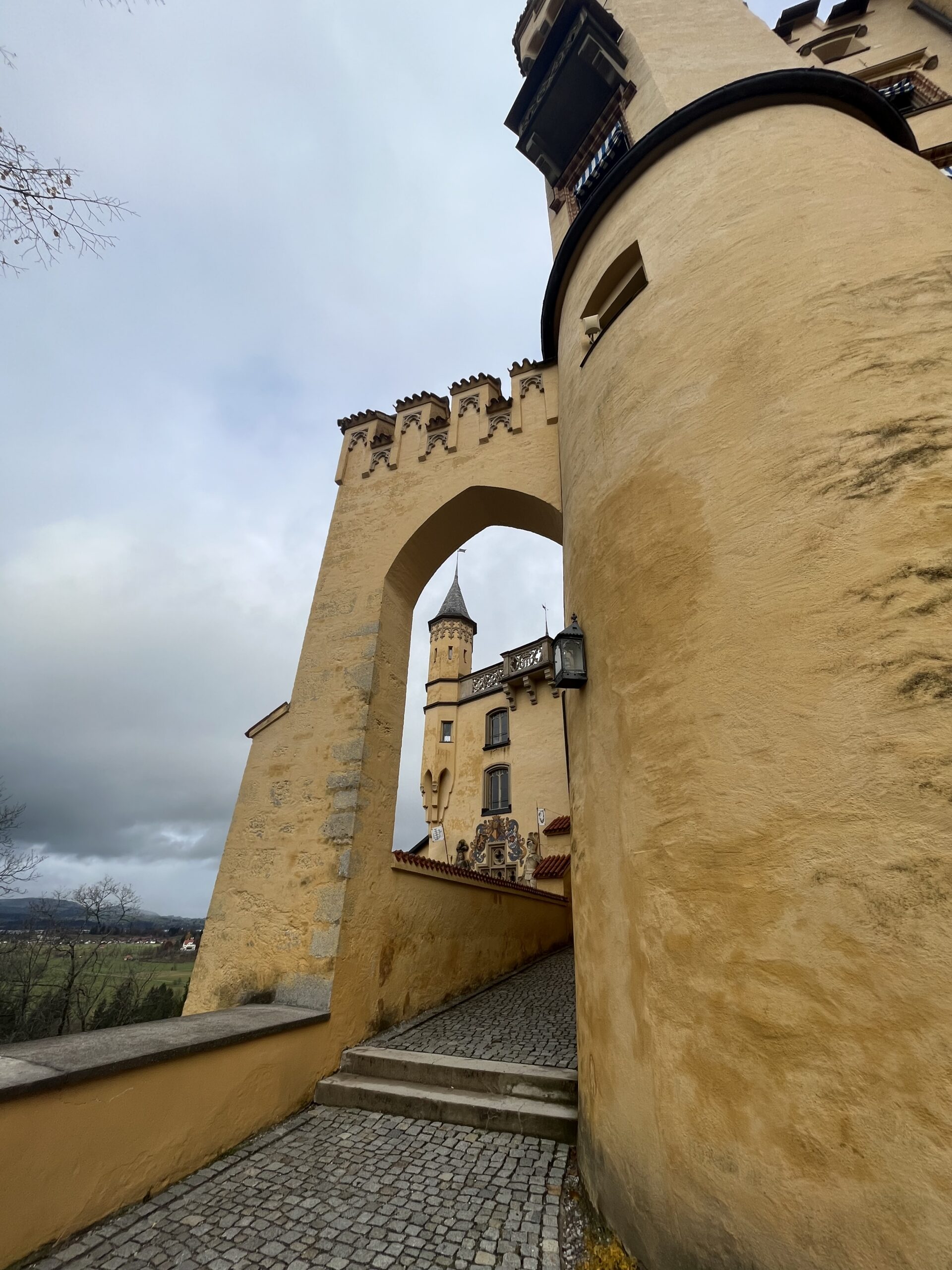
Ludwig II Still Shapes the Entire Experience
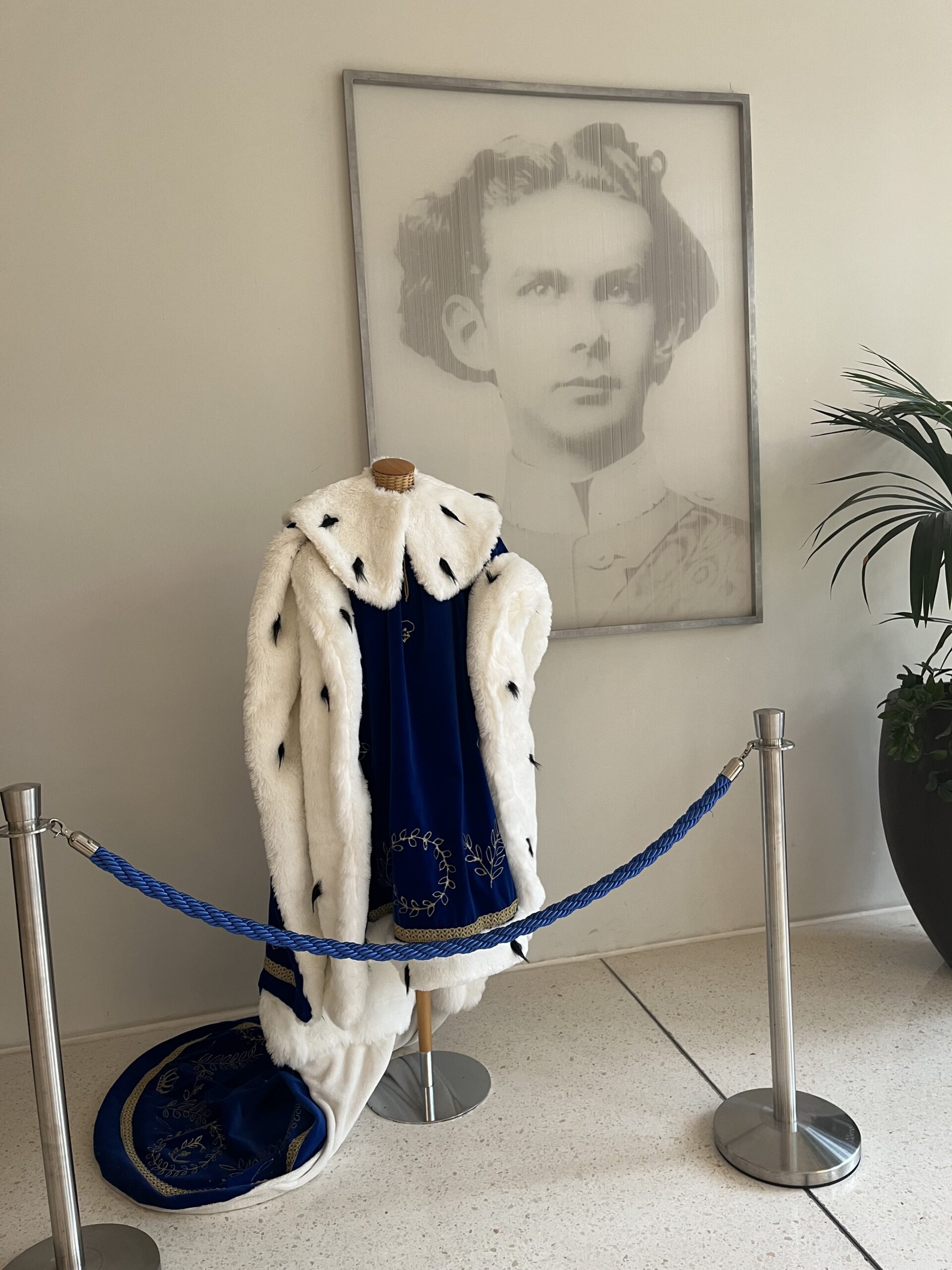
Ludwig admired a romantic idea of medieval monarchy. Neuschwanstein, begun in 1868 and never fully completed, became his monument to that imagined world. Although it looks medieval, builders equipped it with advanced technology for its time.
The Forest Path Built Anticipation
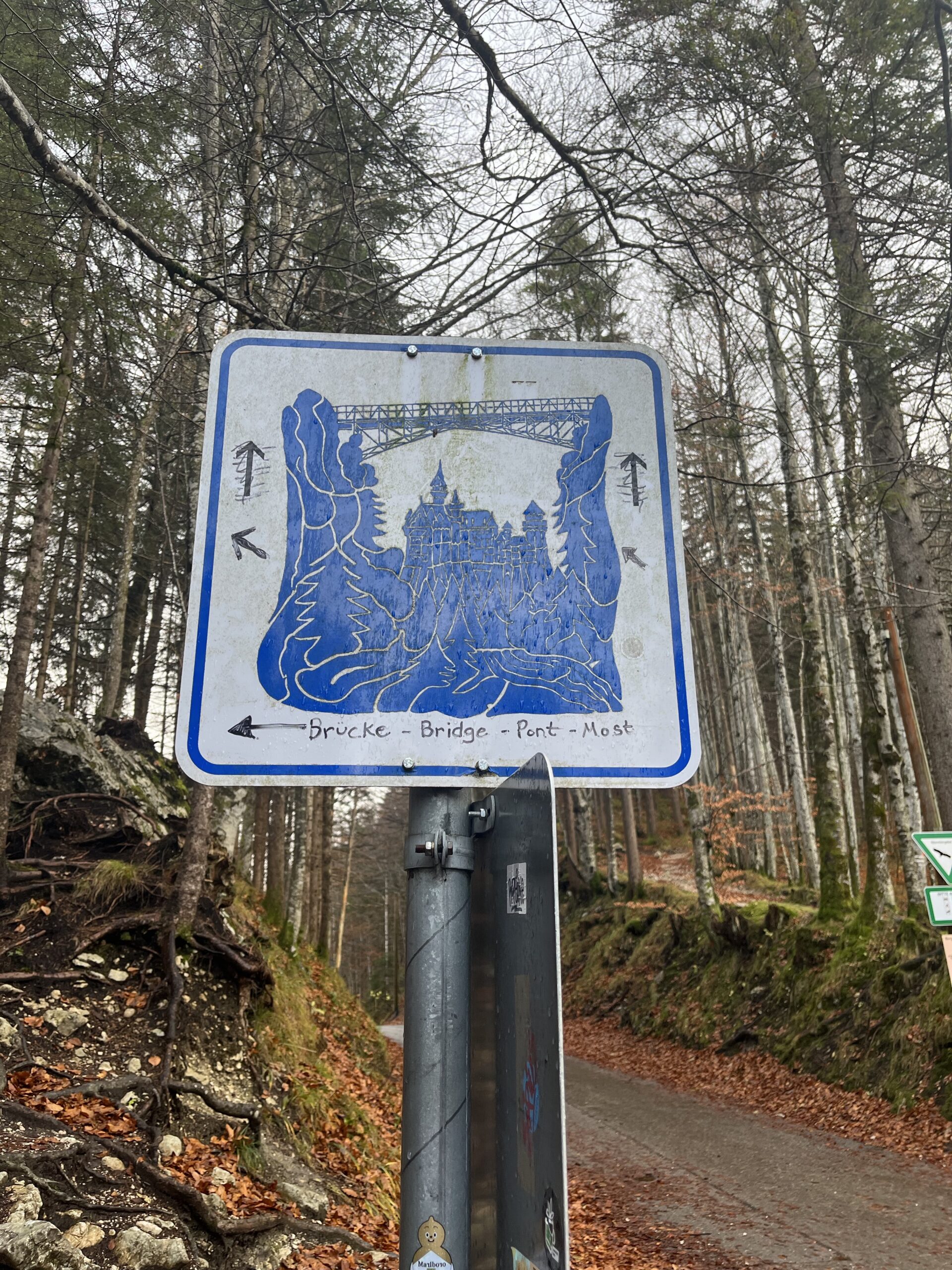
The walk required patience. Weather changes, paths rise, and crowds gather at narrow viewpoints. Still, the forest allowed the castle to reveal itself gradually.
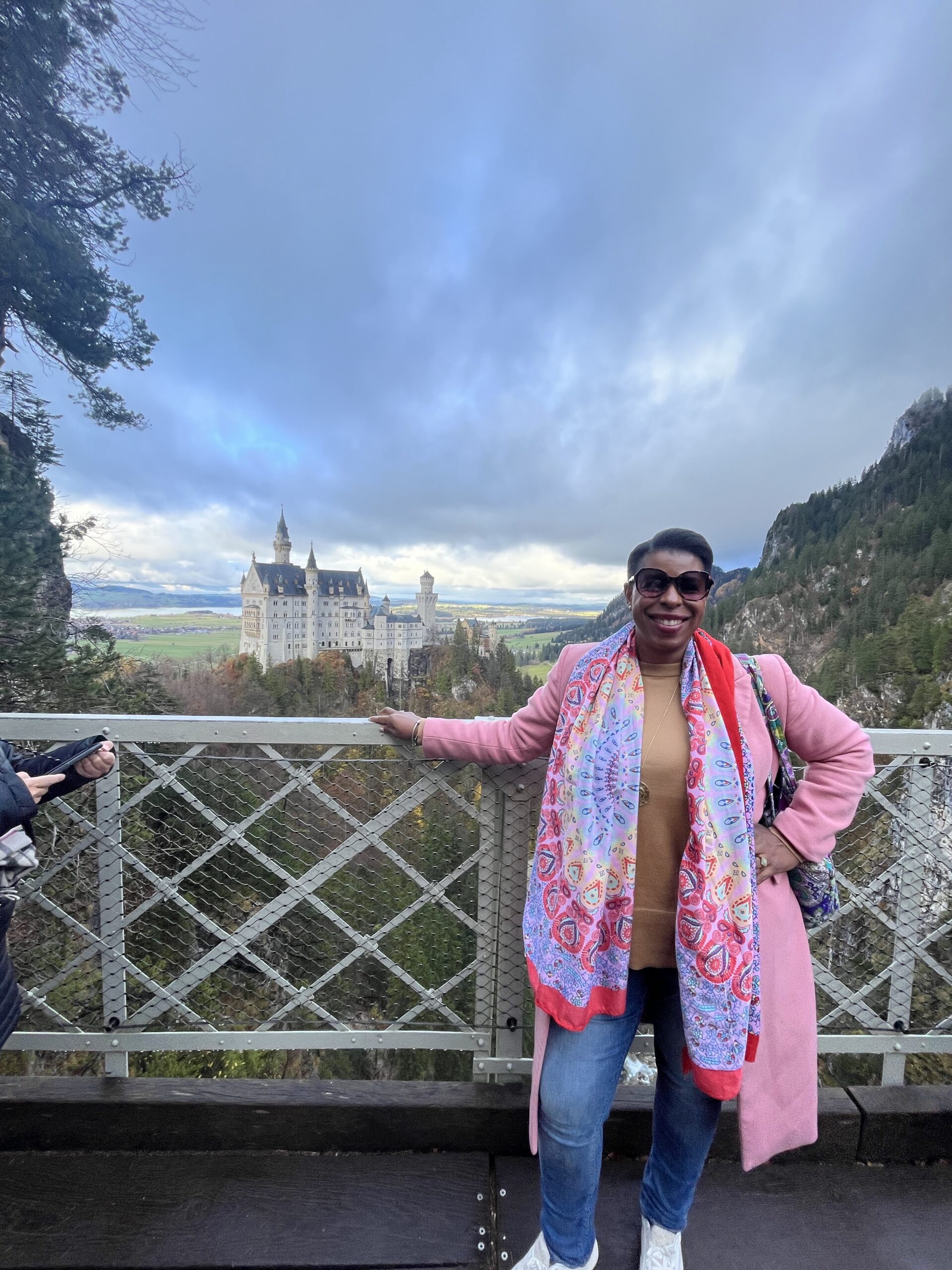
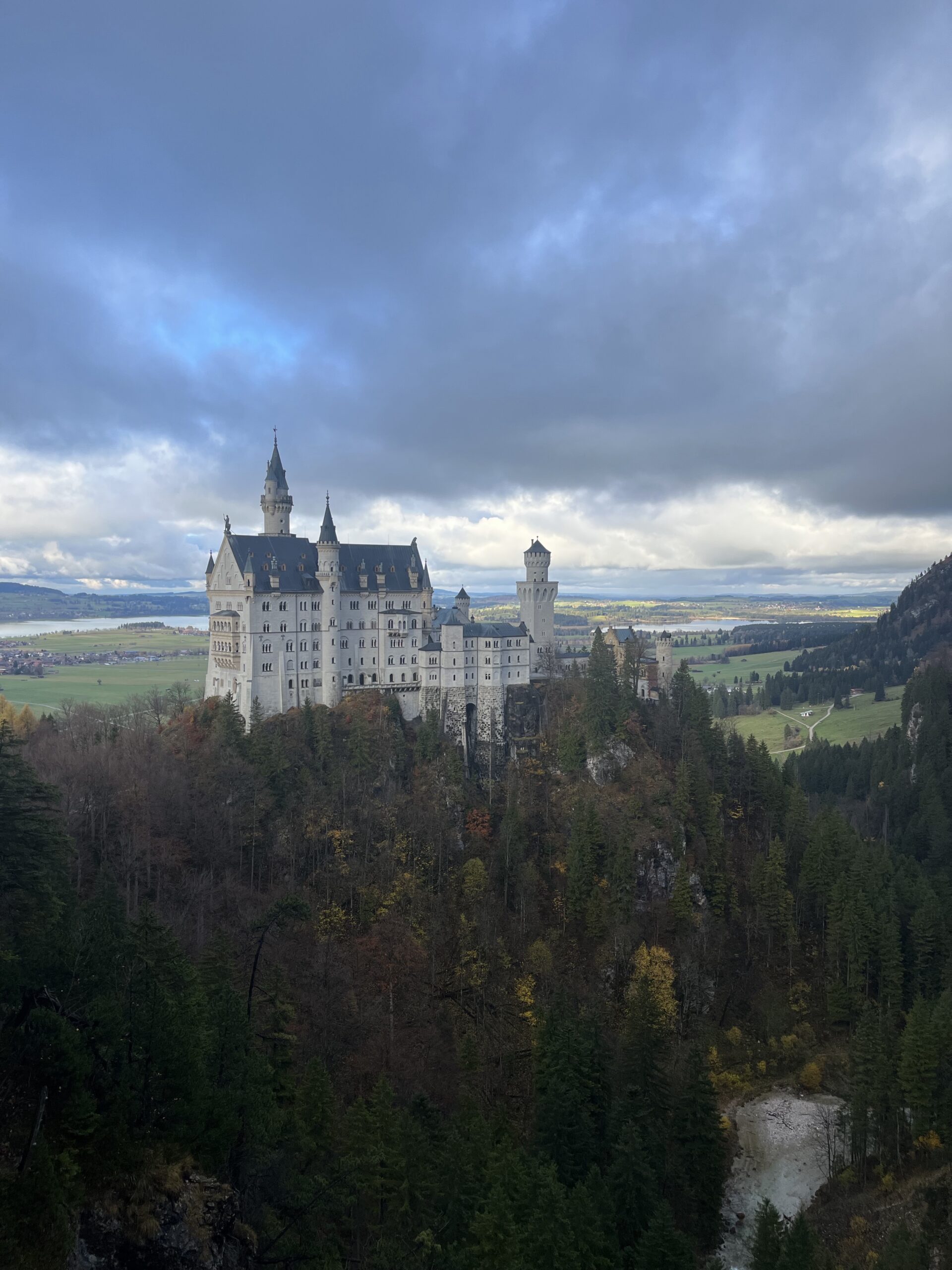
Marienbrücke Delivered the Fairytale View
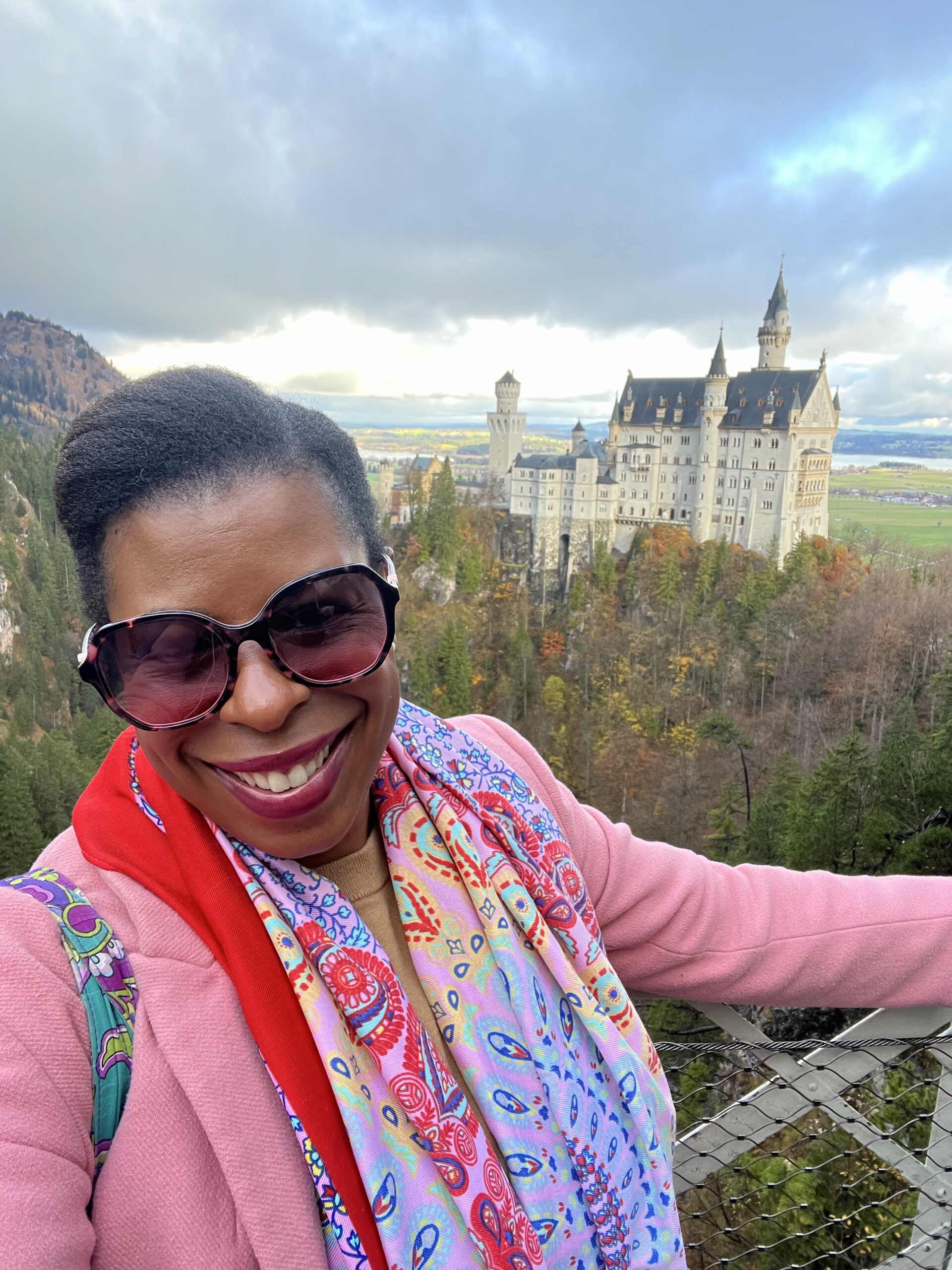
I felt joyful, but I also noticed the urgency around iconic places. Everyone wanted the angle. Therefore, I took my photographs and then looked without the phone.
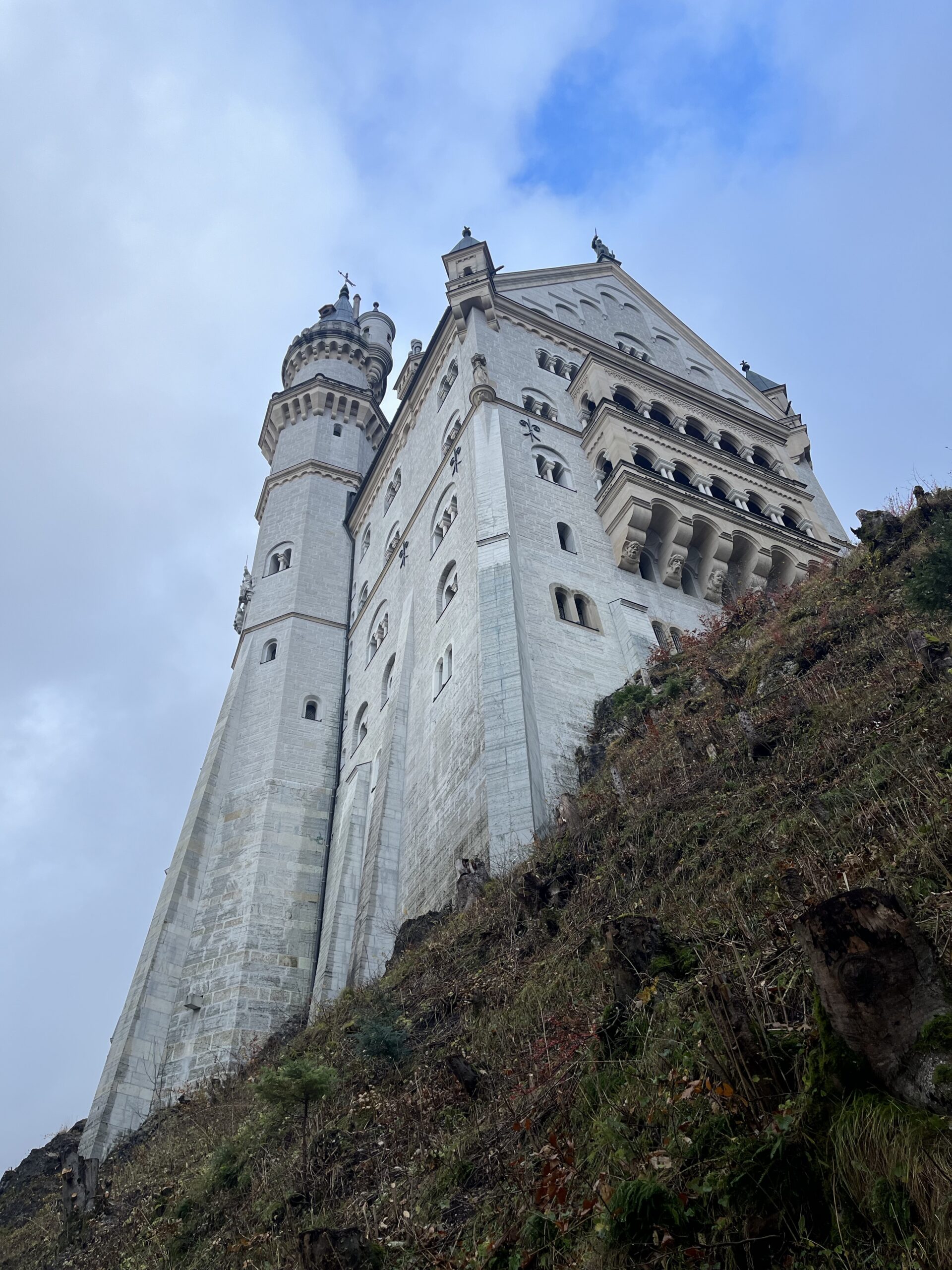
Up Close, the Castle Felt Heavy and Real
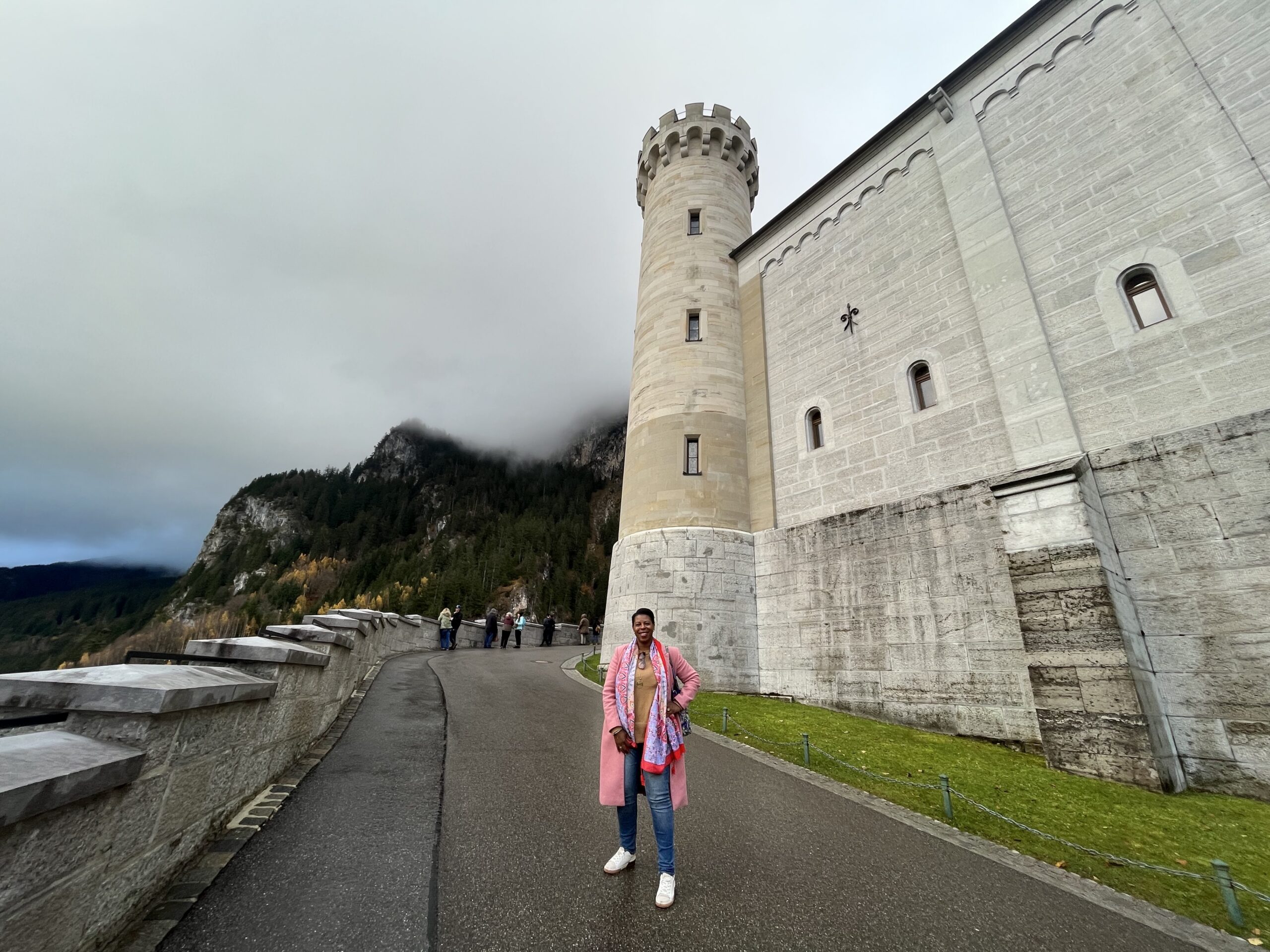
Interior visits require an official guided tour and timed entry. Travelers should reserve ahead when possible and allow time for the uphill route, bathrooms, food, and delays.
Füssen Deserved More Than a Transfer
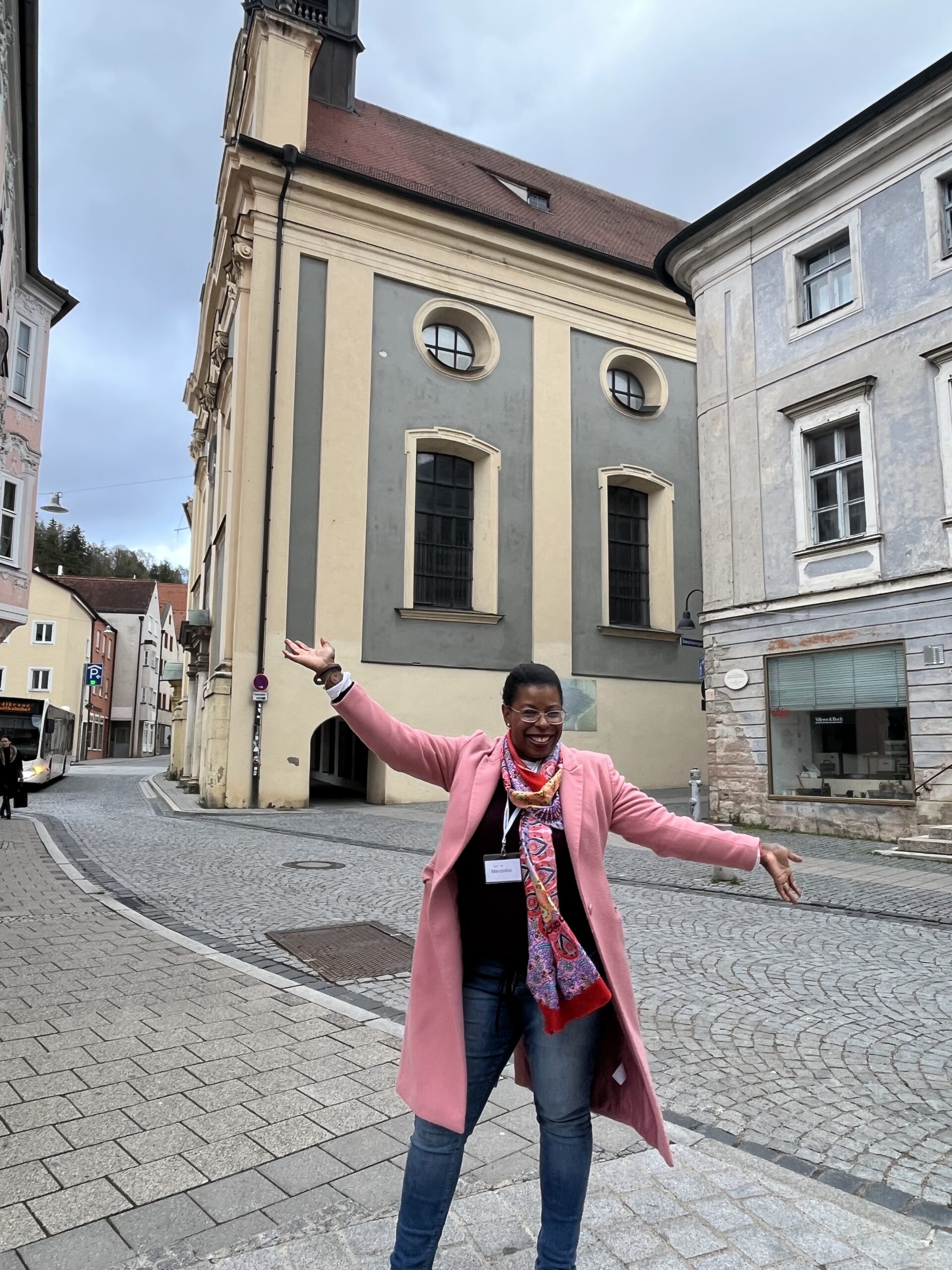
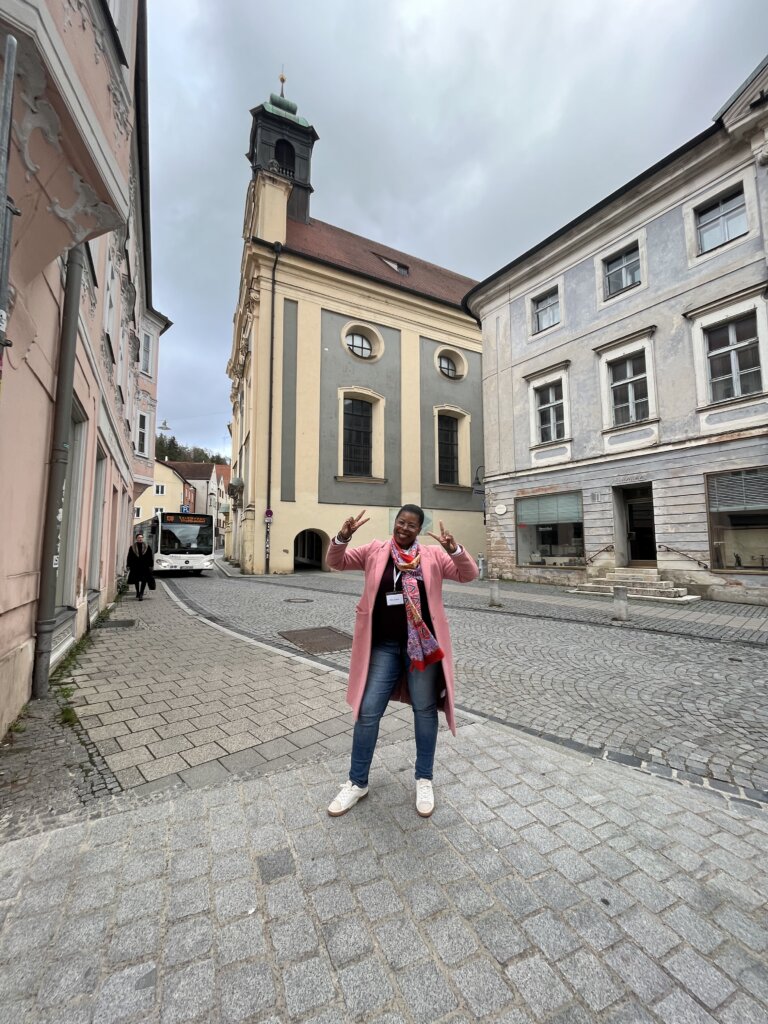
Many visitors treat Füssen as a transportation point. I found painted façades, churches, cafés, buses, and ordinary movement that gave the day a human scale.
The Scale Left Me in Genuine Awe
Photographs cannot fully communicate the grand scale of these castles. Standing beneath the walls, I struggled to imagine people actually living inside spaces created with so much theatrical ambition.
The rooms, towers, passages, murals, textiles, carvings, and engineered systems represented enormous concentrations of money and labor. Yet they also reflected astonishing creativity. Different artisans translated royal fantasies into stone, wood, paint, fabric, glass, and metal.
As a Black woman, I carried an awareness of European colonization and Germany’s place within that history. I do not view royal wealth without considering the wider systems of power that shaped Europe and the world.
Even so, historical awareness did not cancel wonder. I could question monarchy, hierarchy, and extraction while still marveling at architectural ingenuity. The castles were breathtaking to behold, and the makers who brought them into existence deserved to be seen as more than invisible hands behind a king’s dream.
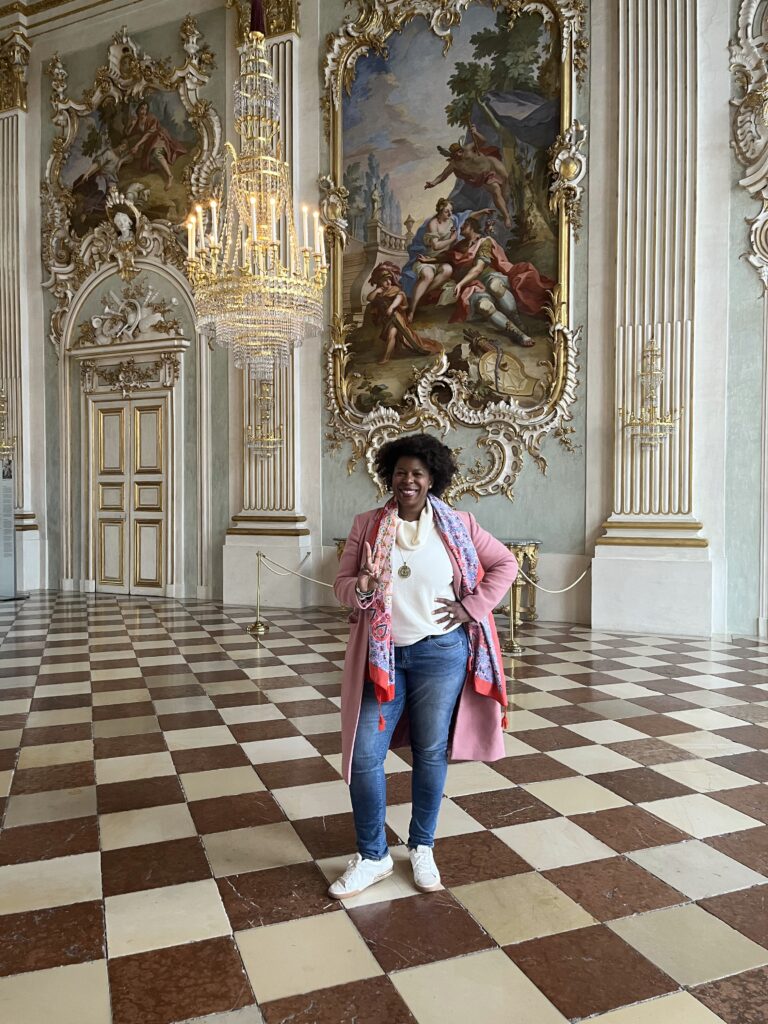
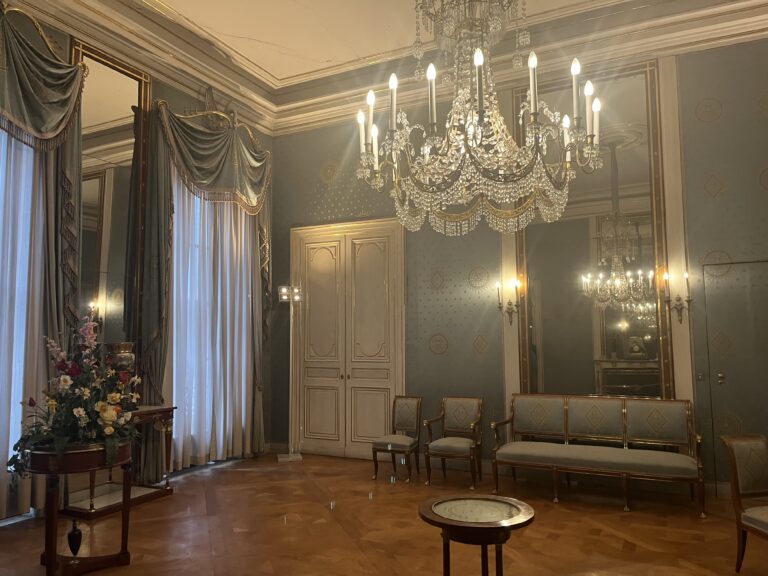
That layered response also shaped my visit to the Munich Residenz, where beauty and political power occupied the same rooms.
Was It Worth the Effort?
Yes, although I would never call it effortless. The day combines transportation, walking, timed admission, weather, and crowds.
Travelers who accept the visit as a journey will find more. Hohenschwangau adds context. The forest adds atmosphere. Marienbrücke adds perspective. Füssen adds everyday life.
Search current tours through GetYourGuide. My Munich travel guide helps connect this excursion with the city.
Longer international itineraries may also benefit from travel insurance. Review options through SafetyWing.
The Image I Carried Home
I remember the castle across the gorge. Yet I also remember my pink coat against yellow walls, the train window, the forest sign, and the feeling in my legs.
Fairytales erase effort. Travel restores it.
Neuschwanstein Was a Nineteenth-Century Dream of the Middle Ages
King Ludwig II began Neuschwanstein in 1868. Although the building imitates medieval castles, its construction belonged to the age of industrial engineering.
The official castle history describes Neuschwanstein as Ludwig’s monument to the culture and concept of medieval monarchy. Builders furnished it in historic styles while adding modern technology available at the time.
That combination explains why the castle feels both ancient and theatrical. It was never a medieval fortress adapting to modern life. Instead, it was a modern royal fantasy designed to look backward.
Ludwig died in 1886 before the project reached completion. Soon afterward, the private refuge opened to paying visitors. The castle now symbolizes Bavaria around the world, although the king created it partly to escape public life.
Hohenschwangau Helped Me Understand the Landscape
Crown Prince Maximilian discovered the ruins at Hohenschwangau during a hike in 1829. He purchased the property and converted it into a family summer residence beginning in the 1830s.
Ludwig therefore grew up surrounded by mountains, lakes, legends, murals, and Romantic ideas about the past. Neuschwanstein did not appear from nowhere. The visual world of Hohenschwangau helped shape his imagination.
Visiting both castles created a more complete story. Hohenschwangau felt connected to family life and childhood. Neuschwanstein felt like the adult king’s private mythology rendered in stone.
The Famous Viewpoint Is Not Guaranteed
Marienbrücke stands independently above the Pöllat Gorge and offers the celebrated view toward Neuschwanstein. Weather can close it, especially when winter ice and snow create unsafe conditions.
The official Hohenschwangau website advises visitors to check daily notices for bridge, shuttle, and carriage availability. I was fortunate to reach the viewpoint, but travelers should build flexibility into the day.
Even when the bridge opens, crowds can become intense. Hold railings, protect phones and cameras, and avoid pushing for a photograph. No image is worth making the narrow space unsafe.
Timing Can Make or Break the Day
Castle admission follows a specific guided-tour time. The official visitor guidance warns that late arrivals cannot simply join a later group. The uphill route can take longer than expected, especially with crowds or winter conditions.
The paved walking path to Neuschwanstein covers roughly 1.5 kilometers and includes steep sections. Shuttle buses and horse carriages may reduce part of the climb, but they do not deliver visitors directly inside the castle.
Allow time for transportation from Füssen, ticket collection, bathrooms, food, security, and the final walk. Arriving in the village at your tour time is already too late.
How I Would Build the Day Again
I would book official timed tickets first through the Hohenschwangau ticket portal. Next, I would confirm train schedules and current access notices.
Then, I would decide whether both castles fit my energy and interests. Seeing two royal interiors, walking uphill, reaching Marienbrücke, and exploring Füssen creates a long day.
Finally, I would pack water, a small snack, supportive shoes, weather layers, and enough patience to enjoy the journey instead of racing through it.
Affiliate disclosure: This article contains affiliate links. If you book or buy through one of these links, DG Speaks may earn a commission at no extra cost to you.