Deutsches Museum Munich: Where Science Became a Human Story
The Deutsches Museum Munich gave me the rare pleasure of entering a museum and finding several of my professional and personal interests waiting inside.
Agriculture stood beside engineering. Food connected with technology. Mining exposed the physical systems beneath modern life. Meanwhile, an enormous human head turned anatomy into something I could approach rather than simply study.
I have always loved art and science for similar reasons. Both reward curiosity. They also invite us to study the world more closely, question what we assume, and imagine different possibilities.
Museum Island Introduced the Story Before I Entered
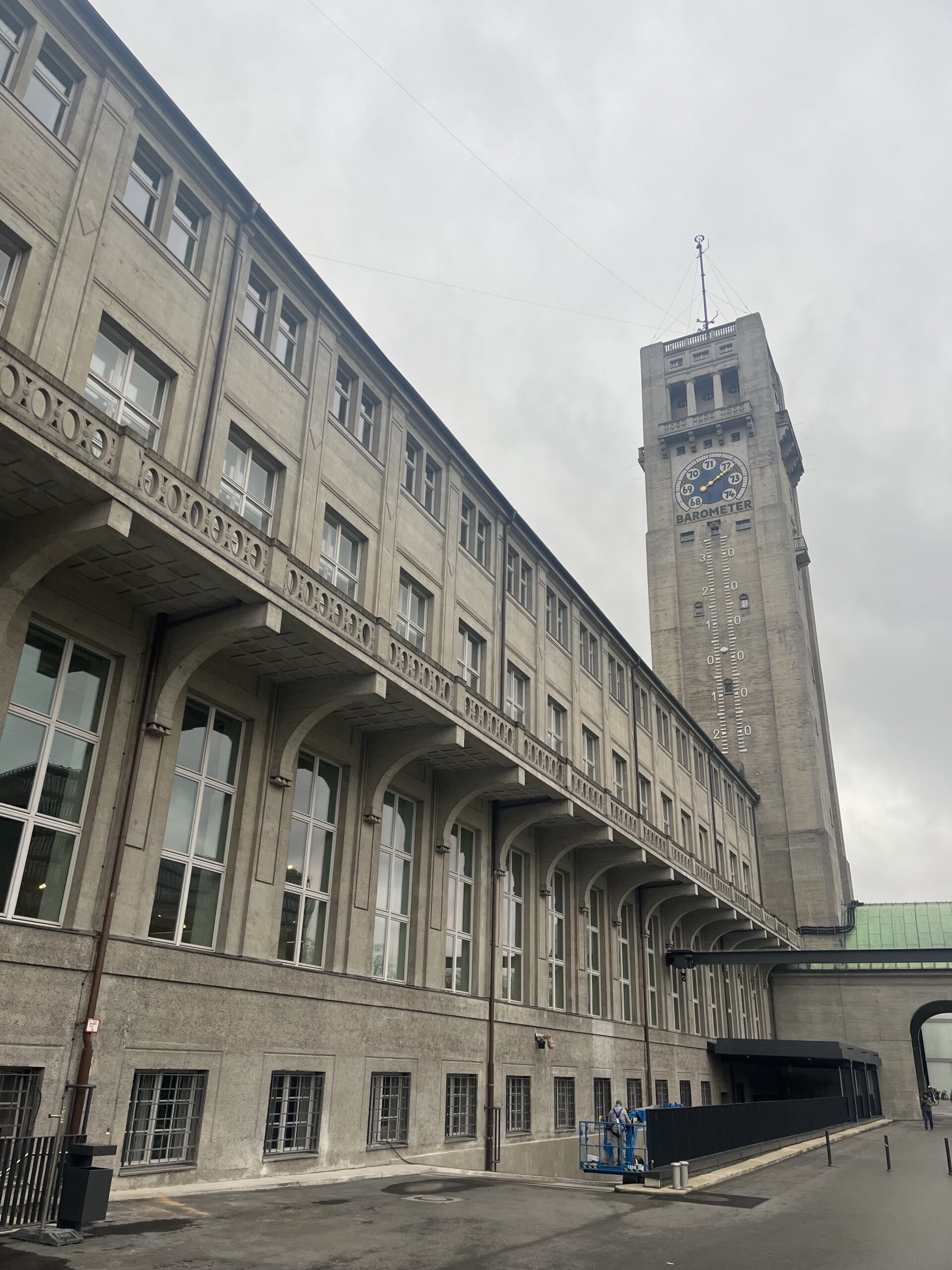
The Deutsches Museum sits on an island in the Isar River. That setting feels appropriate for an institution devoted to movement, systems, invention, and humanity’s efforts to understand the natural world.
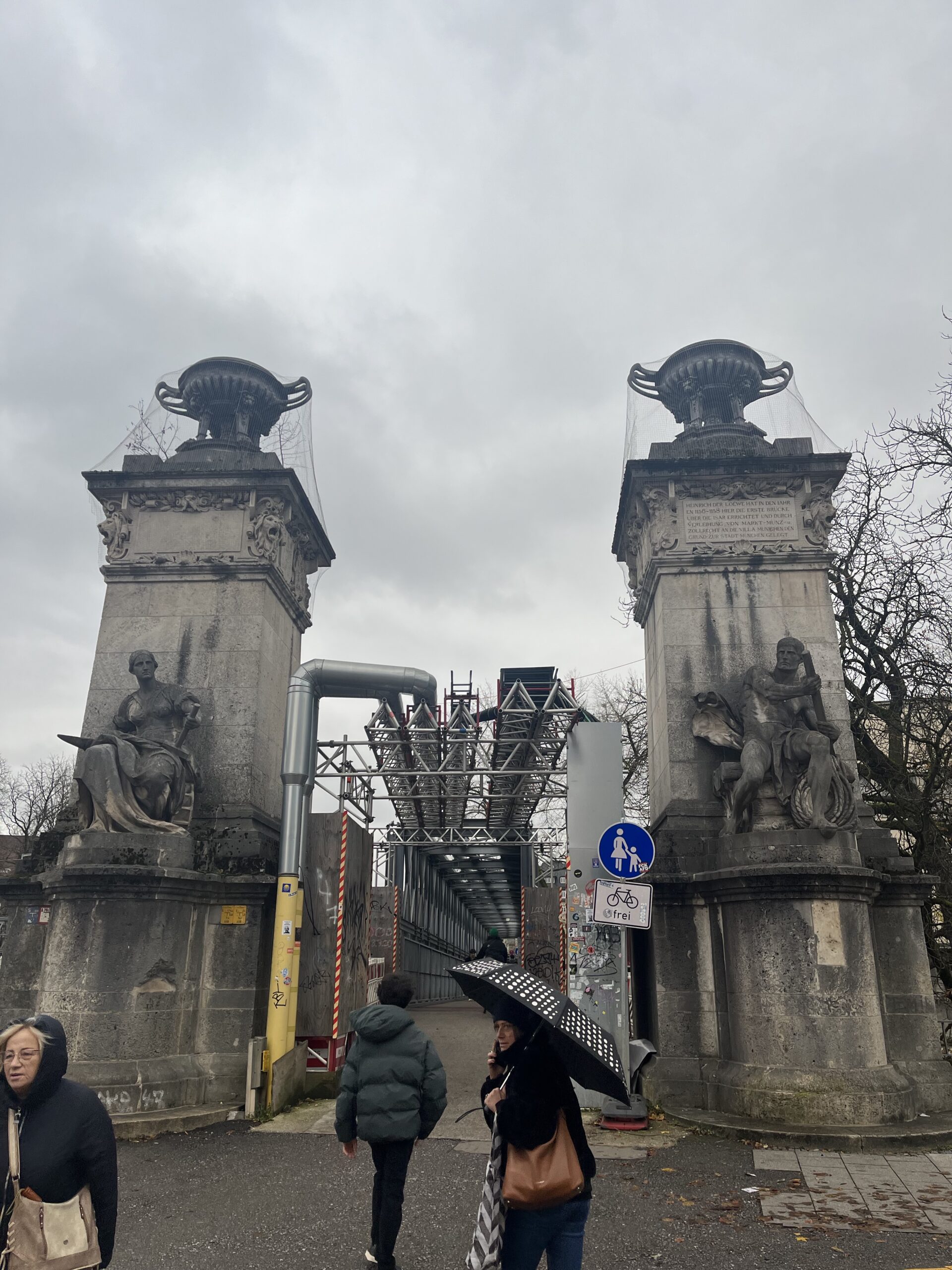
Before I reached the galleries, the surrounding landscape had already introduced several themes. The Barometer Tower rose above the museum with weather instruments incorporated into its design. Nearby, Ludwigsbrücke carried people across the river while also reflecting Munich’s long relationship with water, transportation, and urban development.
Once inside, I quickly understood that I could not see everything in one visit. The museum covers science, industry, transportation, communication, energy, health, agriculture, and engineering across an enormous collection.
Rather than treating the day like a race, I followed the subjects that pulled me forward. That choice helped me connect with the exhibits instead of merely photographing them.
Agriculture Took Its Place Beside Engineering
The Agriculture and Food exhibition immediately caught my attention. As a sustainable food-systems consultant, I rarely see agriculture presented as a major technological story. Museums often celebrate engines, aircraft, and machines while treating food production as something simple or timeless.
However, feeding societies has never been simple. Agriculture requires knowledge of biology, soil, water, weather, animal health, machinery, labor, transportation, storage, markets, and public policy.
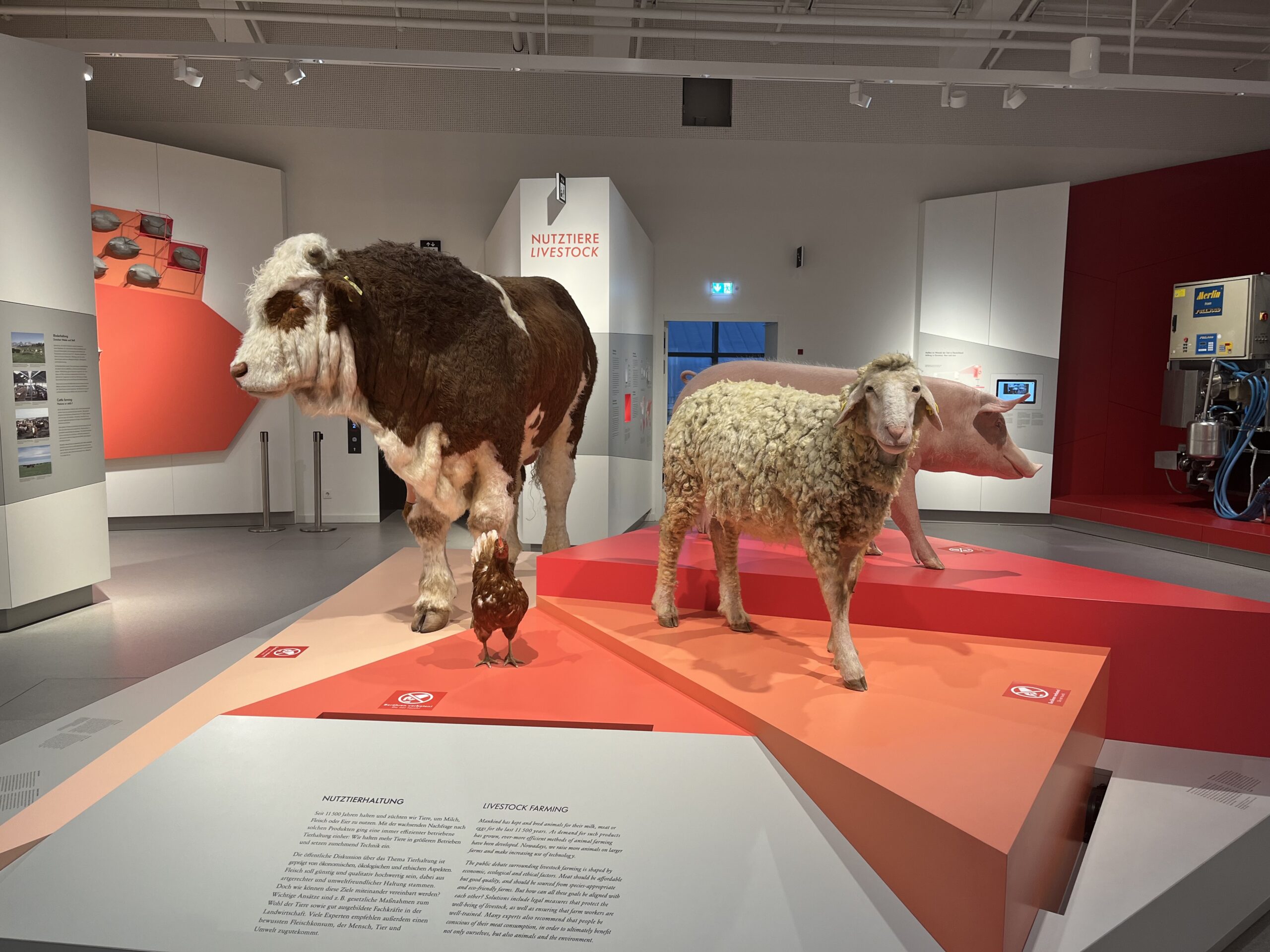
A cow, pig, sheep, and chicken stood together on a colorful platform. At first, the scene looked playful. Yet it raised much larger questions.
How do societies decide which animals become food? Who raises them? What resources support their production? Where does the waste go? Which technologies improve animal welfare, and which ones simply increase output?
The exhibition did not reduce farming to a nostalgic picture of rural life. Instead, it showed agriculture as both an ancient practice and a modern infrastructure system.
A Grinding Stone Revealed Generations of Labor
A large rotary quern brought me closer to the daily work behind one of humanity’s most familiar foods. Grain entered through the central opening. Then, someone repeatedly turned the upper stone until the kernels became flour.
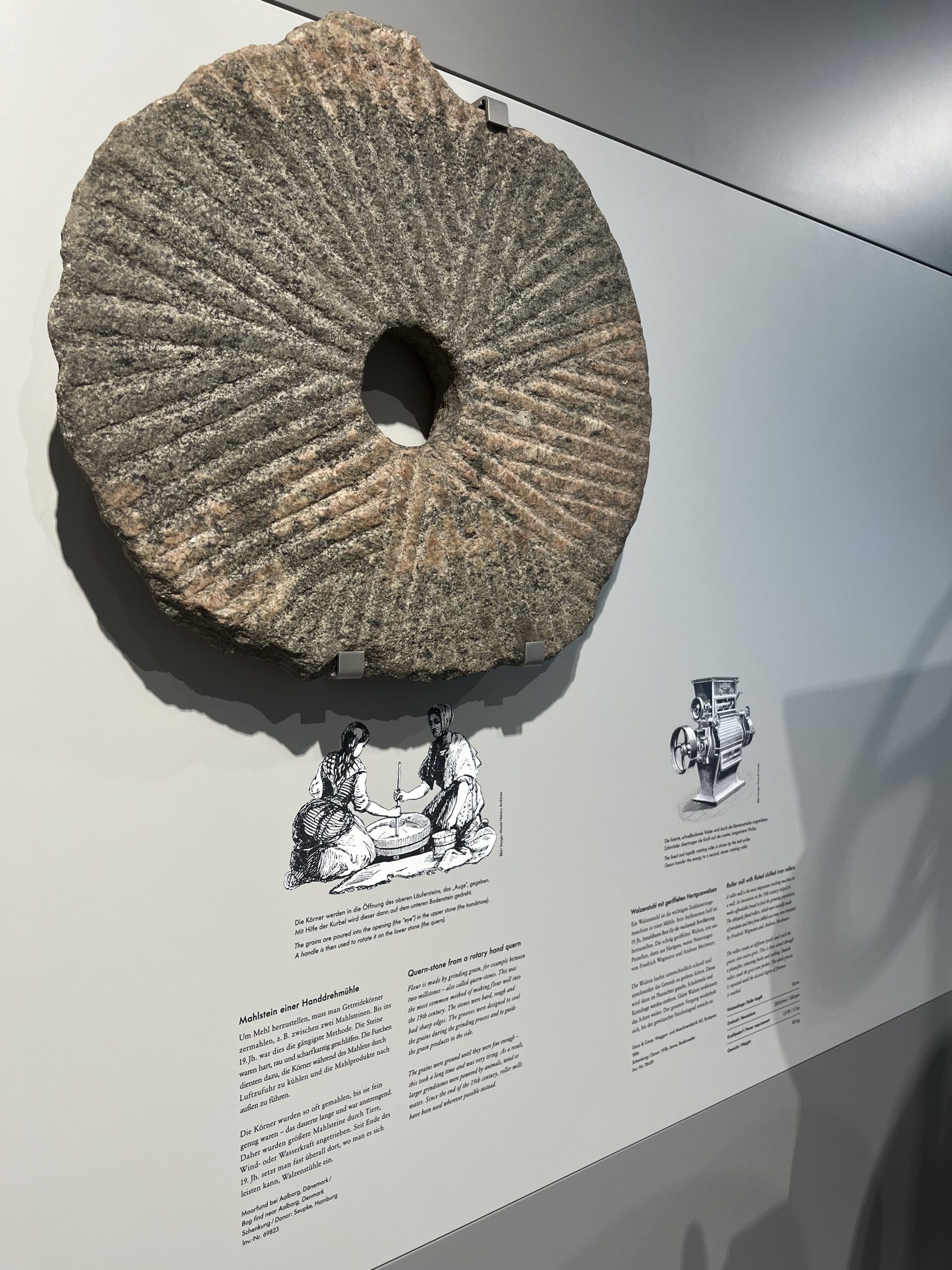
The object stood silently in the gallery. Nevertheless, it represented countless hours of physical labor, much of it historically performed by women.
Mechanized milling eventually reduced some of that exhausting work. At the same time, it changed where food processing happened, who controlled production, and how far flour could travel.
That pattern continues across modern food systems. Refrigeration extends shelf life. Transportation expands access. Processing saves time. Conversely, those same developments can disconnect people from farms, concentrate power, and encourage consumers to forget where food begins.
Food technology is never only about machinery. It reorganizes households, markets, labor, diets, and entire communities.
The Mine Changed the Emotional Temperature
The reconstructed mine created a much heavier atmosphere. Wooden supports pressed against rough walls. Narrow tracks disappeared into enclosed spaces. The exhibit made extraction feel physical rather than abstract.
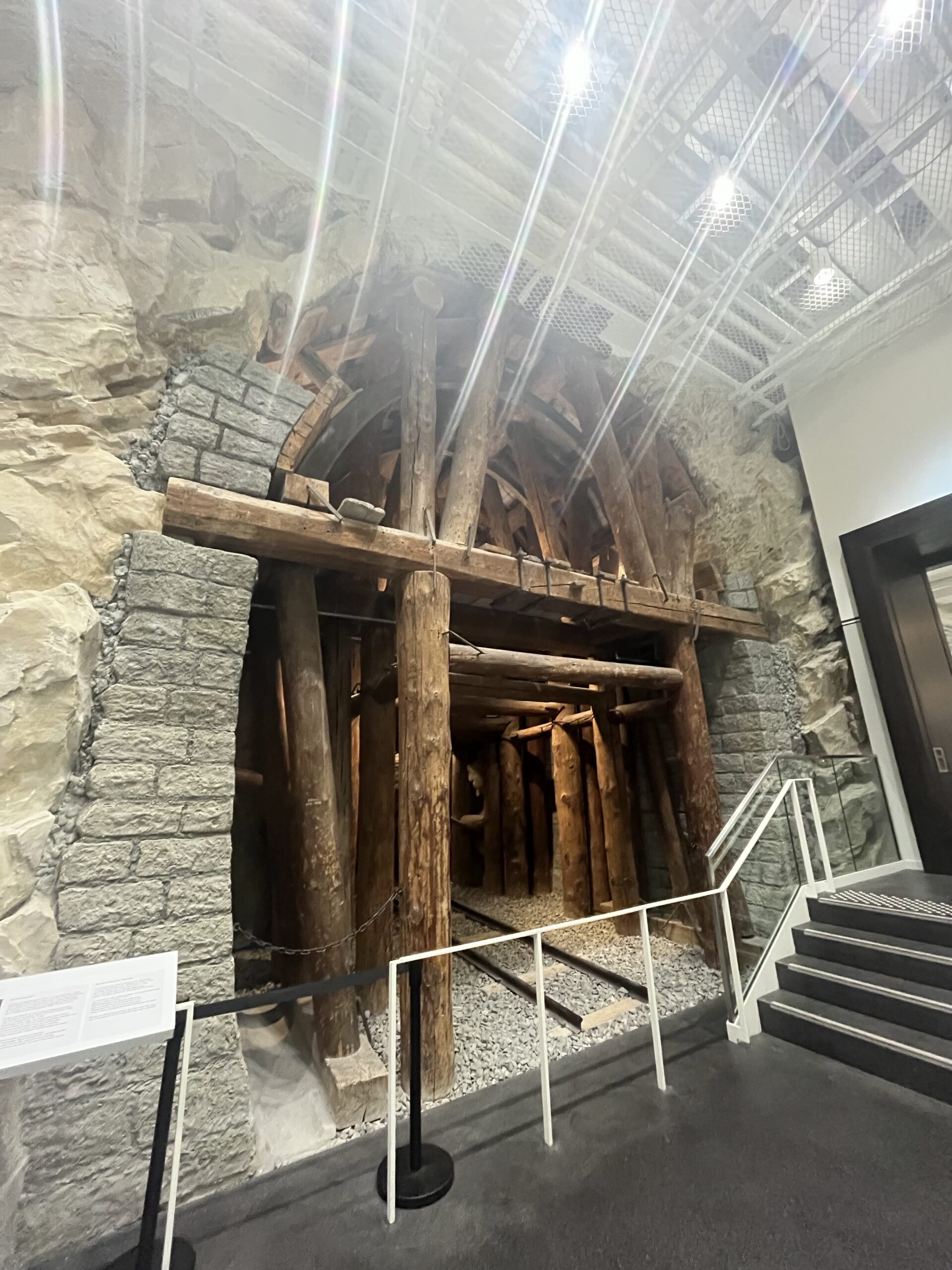
Consumers usually encounter polished finished products. We see a phone, electric vehicle, kitchen appliance, or train. Rarely do those objects reveal the earth removed to create them.
Inside the mine, I thought about the people who dig, lift, carry, breathe dust, manage danger, and live near damaged landscapes. Modern technology depends upon minerals, metals, fuel, and infrastructure, even when the final product appears clean and effortless.
That reality matters when discussing sustainability. Renewable energy still requires material extraction. Digital systems still need hardware, electricity, cooling, and data centers. A greener future cannot depend upon pretending that physical resources disappear.
The exhibit restored the beginning of the supply chain to my thinking. It reminded me that innovation always has a geography, a workforce, and a human cost.
Models Made Complex Systems Easier to Read
Bridge and aqueduct models offered another kind of learning. Instead of standing below a massive structure, I could move around it and examine how its parts worked together.
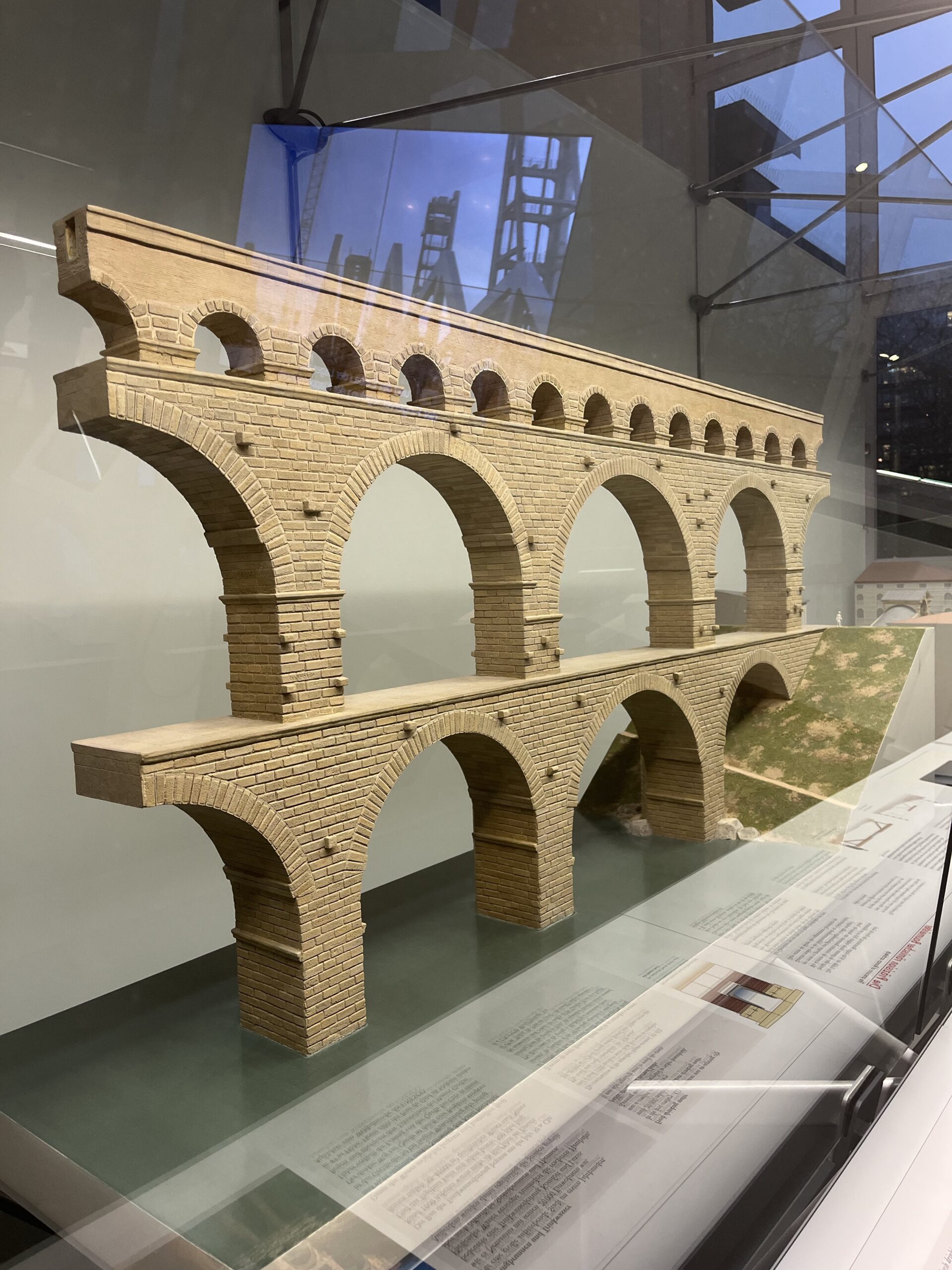
The Roman-style aqueduct demonstrated how repeating arches distributed weight while a carefully controlled gradient moved water without modern pumps.
Its beauty came directly from function. The structure looked elegant because its builders understood force, distance, materials, and landscape.
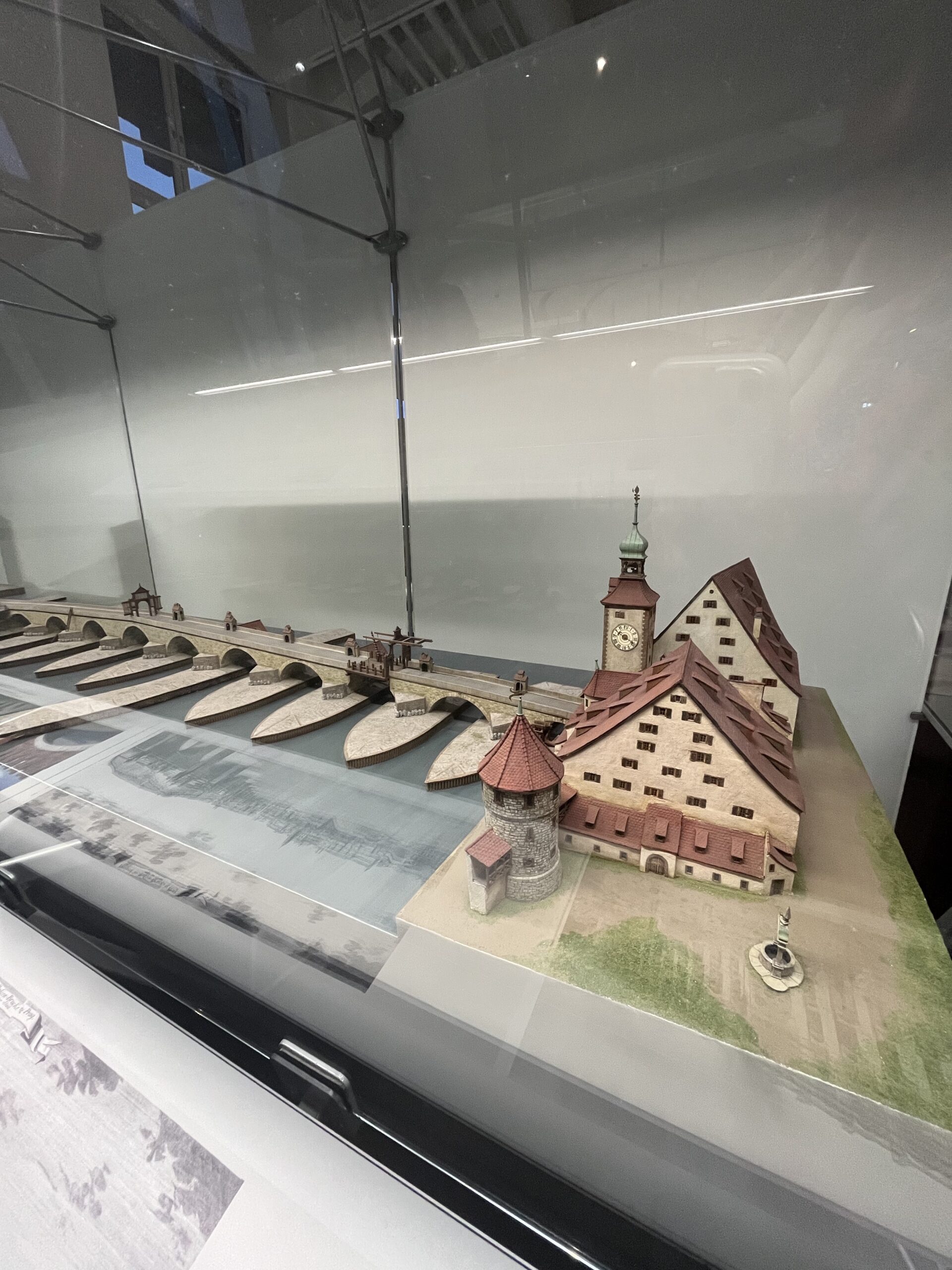
Another model showed how a bridge related to surrounding towers, warehouses, streets, and waterways. It was not simply a path across water. The bridge shaped trade, defense, movement, and city life.
These models reminded me that infrastructure determines how people experience a place. Bridges decide where movement becomes possible. Roads influence which communities connect. Water systems affect who can live safely and thrive.
The Giant Head Turned Anatomy Into Architecture
Then, I encountered an enormous white human head.
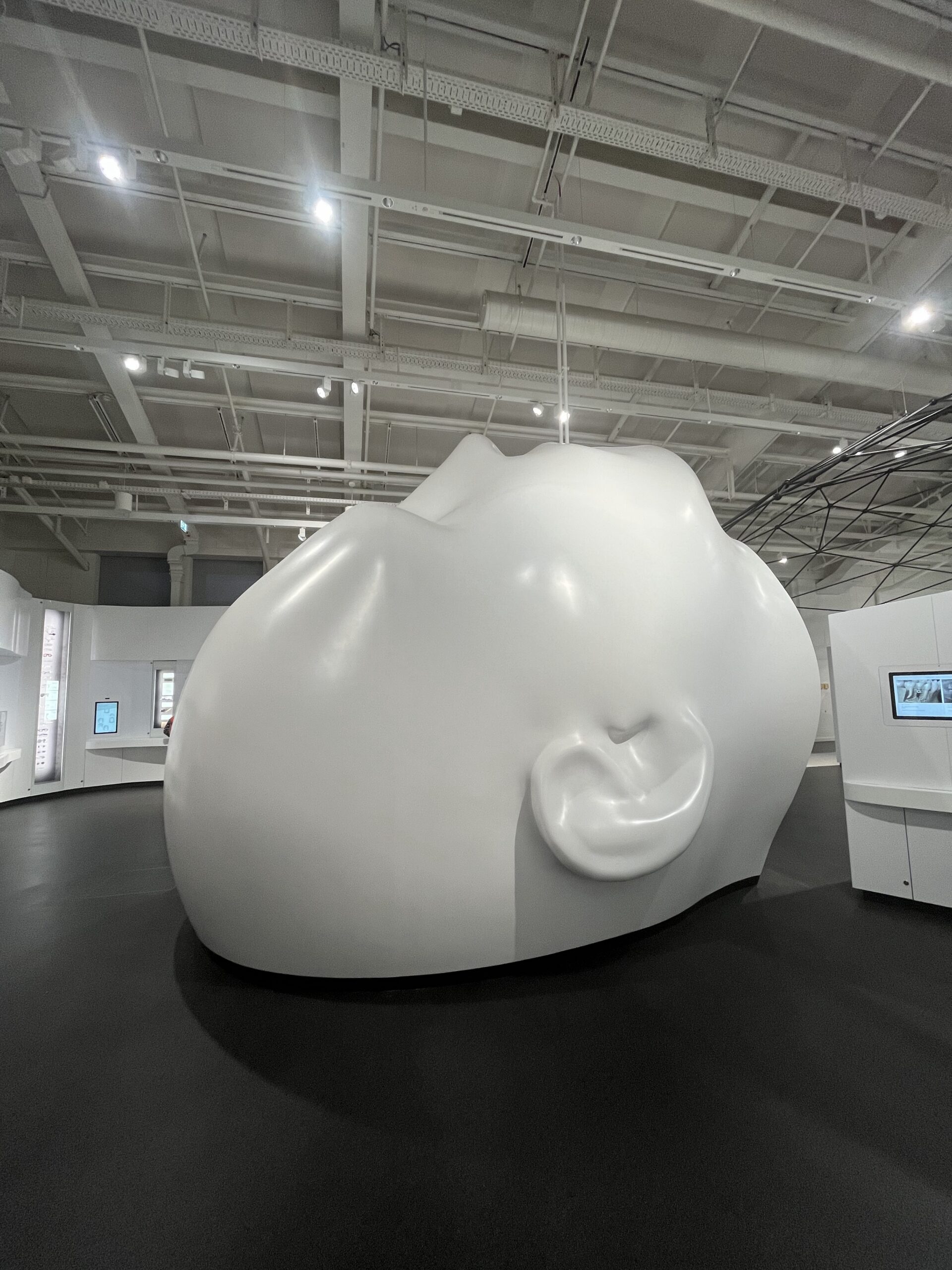
The oversized ear made me smile. More importantly, the installation made the hidden body visible at a scale that encouraged curiosity.
Anatomy stopped feeling like a flat textbook illustration. Instead, the human head became a structure with surfaces, passages, relationships, and interconnected systems.
Playful presentation can make complex subjects easier to enter. It does not make the science less serious. In many cases, wonder gives people the confidence to ask better questions.
Art and Science Shared the Same Instinct
I love art and science for similar reasons. Both begin with attention.
An artist studies form, color, movement, emotion, and meaning. A scientist observes patterns, measures change, develops questions, and tests what appears possible.
The Deutsches Museum brought those instincts together. Historical artifacts carried visual beauty, even when their original purpose remained practical. Exhibition designers used light, scale, shape, and movement to make complicated ideas understandable.
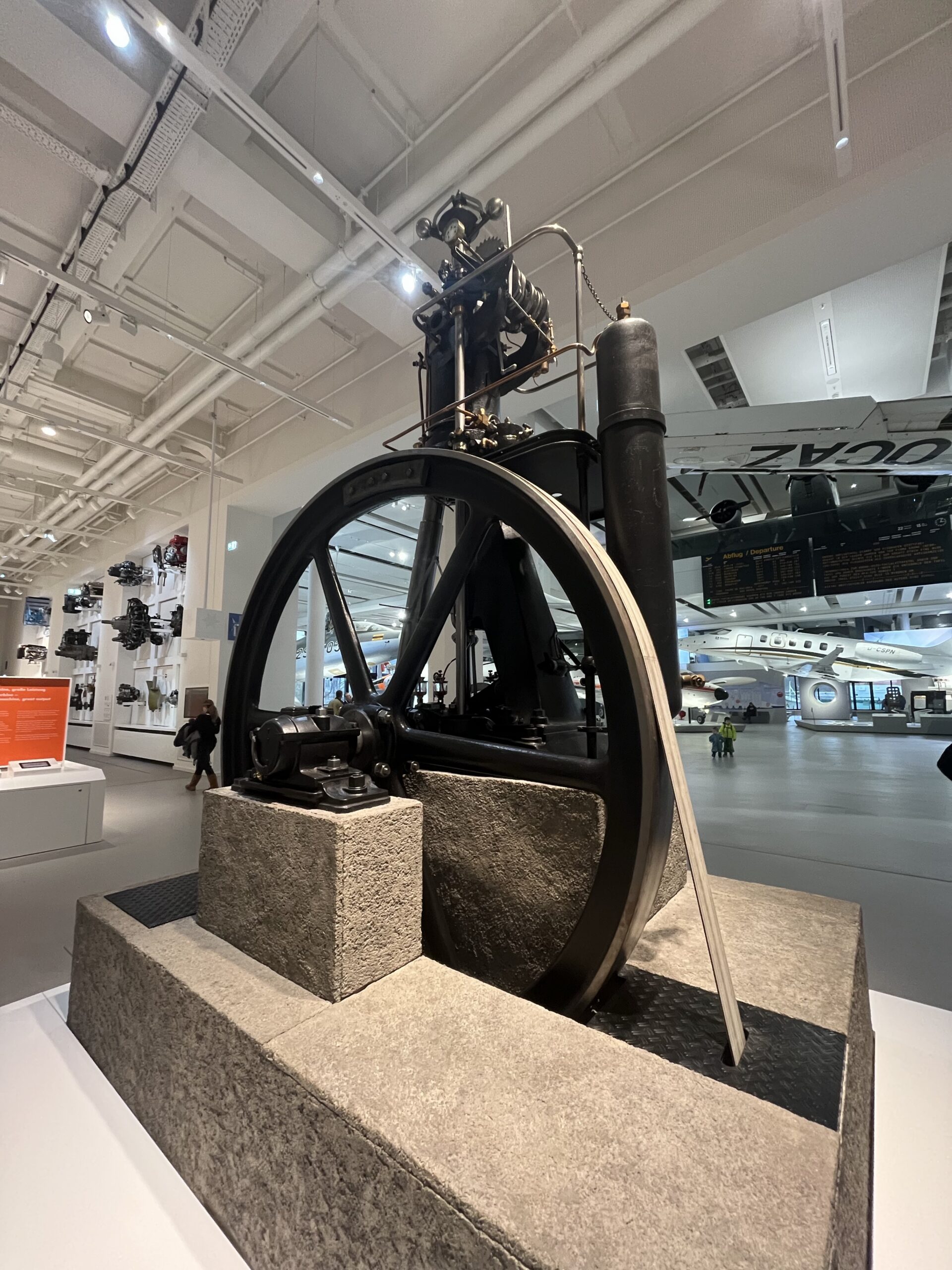
Historic engines filled galleries with metal, belts, wheels, and physical presence. Power can sound abstract in a textbook. However, a massive flywheel makes it visible.
Machines driven by muscle, water, wind, and steam also revealed humanity’s repeated effort to multiply physical strength. Each advancement expanded production. Yet every energy transition created new dependencies and consequences.
Steam reduced certain forms of manual labor while accelerating fossil-fuel use. Factory machinery increased output while reorganizing work around owners, schedules, and industrial systems.
I kept returning to the same question: Who controls the new power, and who carries its costs?
Germany’s Scientific Legacy Demands a Complete Story
I appreciated learning more about Germany’s role in scientific and technological advancement. German universities, laboratories, manufacturers, engineers, and inventors have influenced chemistry, physics, medicine, optics, transportation, agriculture, and industrial production.
Nevertheless, achievement cannot be separated from responsibility. Germany’s scientific history also includes militarization, exploitation, racial ideology, unethical experimentation, and technologies developed for war.
That complexity does not erase innovation. Instead, it requires us to evaluate scientific advancement honestly.
Knowledge gives people power. Yet power never removes moral responsibility. That idea connects closely with my reflection on Oppenheimer, the atomic bomb, and the human cost of scientific ambition.
For me, learning how something works never removes the human story. It makes that story more urgent.
A Successful Visit Does Not Mean Seeing Everything
The Deutsches Museum has modernized many of its Museum Island exhibitions over several years. Therefore, older maps, photographs, and visitor reviews may not reflect the current layout.
Before arriving, browse the official Deutsches Museum exhibition overview. Choose three or four priority areas, then leave room for one unexpected detour.
Food professionals should reserve time for Agriculture and Food. Engineering enthusiasts may prefer bridges, machinery, transportation, aviation, or energy. Visitors interested in labor and sustainability should not skip the mine.
Families may want to begin with the most visually dramatic displays. Large models, ships, aircraft, human anatomy, and working machines can hold attention while introducing deeper ideas.
Wear comfortable shoes and schedule a real break. The Deutsches Museum rewards stamina, but it rewards reflection even more.
Guided Munich experiences can be explored through GetYourGuide. Meanwhile, my Munich travel guide connects the Deutsches Museum with markets, palaces, public spaces, food, and other parts of the city.
Why the Deutsches Museum Stayed With Me
I did not leave remembering one heroic inventor. Instead, I remembered systems.
Grain became flour. Ore became material. Water crossed valleys. Machines multiplied human effort. Animals entered food systems. Bodies became subjects of study.
The Deutsches Museum Munich helped me understand science as a collection of choices with consequences. It showed me creativity, labor, progress, inequality, beauty, and responsibility within the same institution.
That combination made the museum feel alive long after I walked back across the Isar.
Affiliate disclosure: This article contains affiliate links. If you book through one of these links, DG Speaks may earn a commission at no additional cost to you.