What a Ferry Ride Teaches Me About Crossing Over
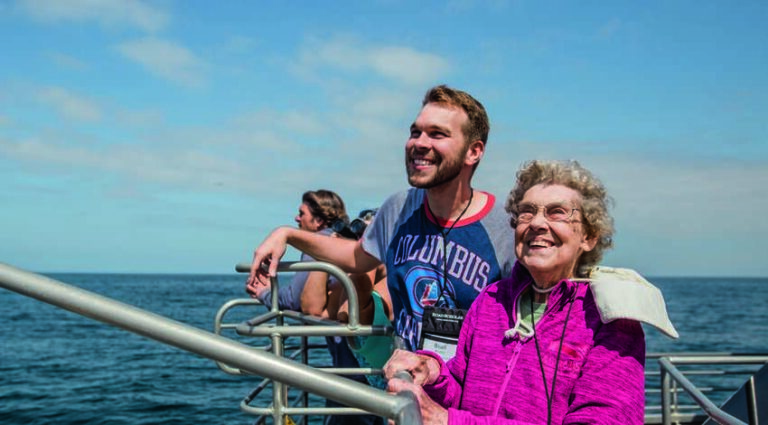
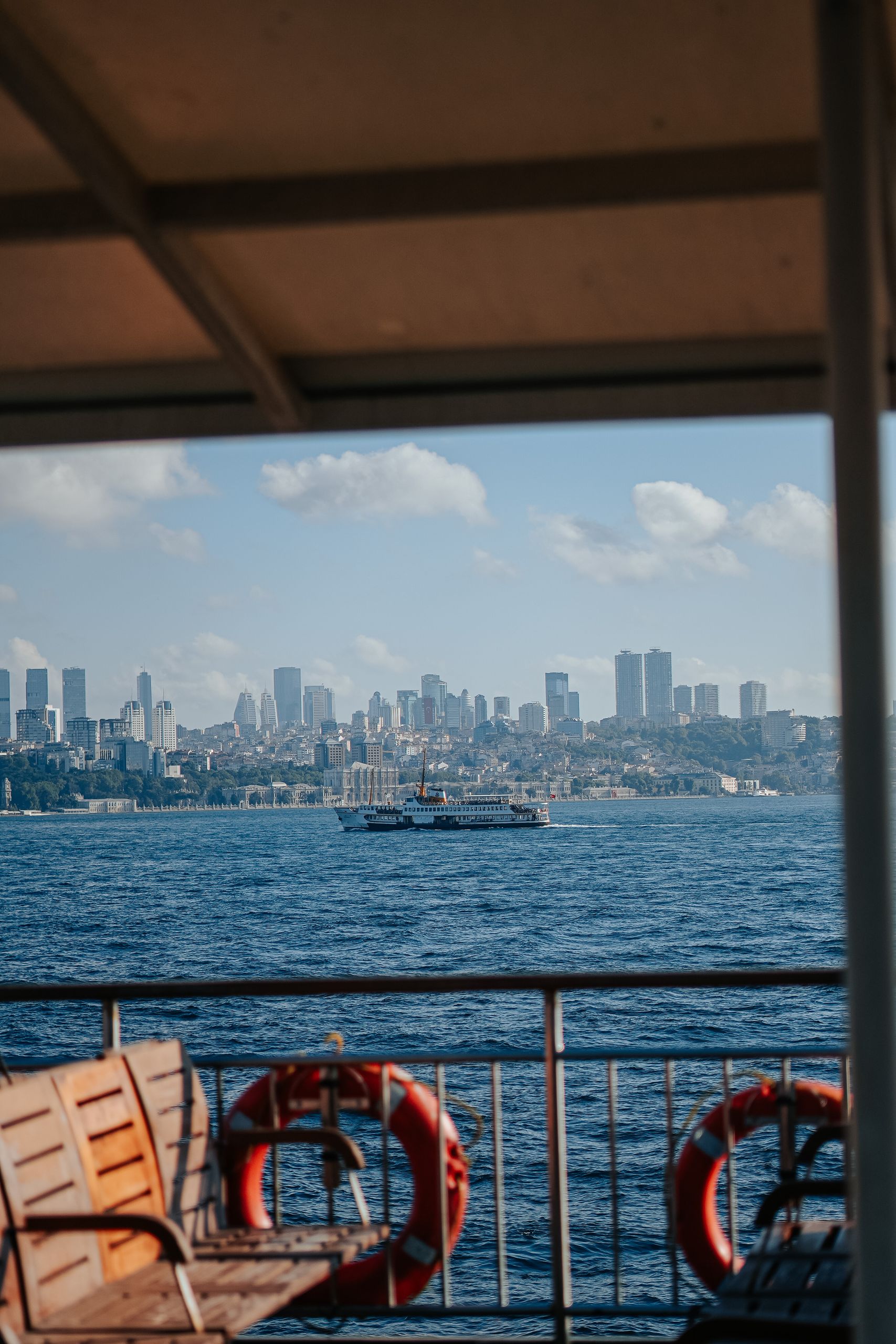
I remember standing at the rail of a ferry while the shore behind me slowly became smaller.
The city had not disappeared yet. I could still make out buildings, roads, and the outline of the terminal where I had boarded. However, the details were beginning to blur. Ahead, another shore waited, but it had not fully revealed itself either.
For a little while, I belonged to neither place.
Wind pulled at my clothes, salt settled on my lips, and the deck moved gently beneath my feet. Unlike a flight, where departure and arrival can feel disconnected, the crossing allowed me to watch one place release me while another slowly came closer.
That is what I love about a ferry ride. It makes transition visible. The journey does not disappear behind a closed cabin door. Instead, the middle becomes part of the story.
The Morning I Watched the City Let Me Go
I had arrived at the terminal carrying more than luggage.
The previous days had been full. I had walked unfamiliar streets, eaten meals I was still thinking about, and gathered photographs, notes, and impressions faster than I could process them.
Then, suddenly, it was time to leave.
Travel often asks me to change emotional direction quickly. One moment, I am deeply engaged with a place. The next, I must check out, find transportation, and focus on the practical demands of moving onward.
The ferry gave me time to feel the departure.
I could look back instead of pretending I had already moved on. The city remained visible long enough for gratitude and sadness to sit beside each other.
Leaving slowly made the goodbye feel more honest.
The Water Refused to Let Me Skip the Middle
Modern travel often tries to eliminate transition.
We search for the fastest route, the shortest connection, and the most direct path between destinations. Efficiency has value, especially when time and money remain limited.
Still, speed can erase the emotional middle.
I board a plane in one country and step out a few hours later somewhere completely different. My body arrives before my mind has caught up.
A ferry moves differently.
The water insists that I spend time between places. I cannot hurry the horizon or force the next shoreline to appear.
That pause gives the journey room to settle inside me.
I begin reviewing the place I left. At the same time, curiosity grows about what waits ahead. The crossing becomes a bridge between memory and expectation.
A Shoreline Looks Different Once It Starts Receding
Distance changes what I notice.
From inside a city, buildings can feel overwhelming. Streets, traffic, noise, and crowds compete for attention. Once I move onto the water, the same place becomes a shape.
I see how the hills rise behind it. The harbor reveals its structure, while towers and bridges find their place within the larger landscape.
Departure creates perspective.
Sometimes, I understand a place more clearly once I begin leaving it. Details that felt disconnected start forming a whole.
The same thing happens in life.
While I am inside an experience, I may only see the immediate challenge. Distance allows patterns to emerge.
A ferry ride gives me that distance gradually. The shore does not vanish all at once. It becomes smaller until I can finally see what surrounded it.
The Deck Turned Travel Into Something Physical Again
It is easy to reduce travel to schedules.
Departure time. Arrival time. Gate number. Seat assignment. Confirmation code.
The body disappears inside the itinerary until discomfort forces me to notice it.
On the ferry deck, travel became physical again.
I felt wind press against my chest. My legs adjusted to the movement beneath me, while cold air reached places my jacket did not fully protect.
The water had a smell. Engines created a steady vibration, and gulls followed the boat with loud confidence.
I was not simply progressing toward a destination.
I was crossing water in a human body that could feel every part of the movement.
That awareness brought me into the present more effectively than any schedule could.
The Wind Had No Interest in My Appearance
Ferry decks do not always support polished travel photographs.
The wind rearranges hair without permission. Scarves become unruly, eyes water, and the temperature feels several degrees colder once the boat leaves shore.
I have learned to accept that reality.
There is something freeing about a place where appearance quickly becomes less important than balance, warmth, and keeping hold of whatever might blow away.
The wind strips away performance.
Everyone begins looking slightly disheveled. People laugh, pull their coats closer, and lean into the movement.
Travel feels more alive when it refuses to remain perfectly staged.
I may still take the photograph. However, the memory comes from what the camera cannot fully capture—the force of the air, the smell of the water, and the way my body responded to being out there.
The Passengers Were Carrying Different Crossings
Not everyone boards a ferry for the same reason.
Tourists gather near the rail with cameras. Commuters find seats quickly and barely look at the view.
A family may be heading home. Another traveler begins a vacation, while someone else crosses for work, medical care, study, or responsibility.
The same water holds many stories.
I notice how familiarity changes behavior. People who make the journey often know where to stand, which seats stay quiet, and how early to move toward the exit.
Newcomers watch everything.
That contrast reminds me that my adventure may be part of someone else’s routine.
Respectful travel asks me to remember that destinations remain real places where people live their ordinary lives.
A Boat Can Be Public Transportation and Still Feel Poetic
I romanticize ferry travel, but the boat often serves a practical purpose.
It carries workers, students, vehicles, supplies, and people moving through everyday life. Without it, the journey may require a much longer road.
That function does not remove the beauty.
In fact, I find the combination meaningful.
Something can be ordinary infrastructure and still create wonder. The same vessel that helps someone reach work may give me one of the most memorable views of a journey.
Travel often becomes richer when I notice beauty inside systems built for daily use.
A ferry does not need to perform romance.
The water, movement, and changing shoreline create it naturally.
The Best Seat Depends on What I Need
At first, I usually head outside.
I want the open view, even when the air feels cold. The deck allows me to watch departure happen in real time.
Eventually, my body may ask for something else.
Inside, I look for a seat near a window, somewhere I can keep my bag close and still see the water. Warmth becomes more appealing once the first excitement settles.
The choice reflects the kind of crossing I need.
Sometimes, I want solitude and quiet observation. On another day, I may enjoy sitting near a café, listening to families talk and watching people move through the cabin.
Slow travel does not mean forcing myself into discomfort for the sake of an ideal experience.
I can step outside for the view and return indoors when the wind has made its point.
Coffee Tastes Better When the Cup Is Moving
Ferry coffee rarely needs to be exceptional.
Warmth does most of the work.
Holding a cup gives my hands something to do while I watch the water. Steam rises, the boat shifts, and an ordinary drink becomes part of the crossing.
Food and travel often work this way.
The setting changes the experience. A simple sandwich feels more satisfying after an early departure. Soup becomes generous when wind has followed me inside.
I remember the meal not because it belonged in a fine dining guide, but because it met the moment perfectly.
Hospitality can be simple.
Sometimes, it is a warm drink, a clean seat, and a window large enough to hold the horizon.
The Crossing Gave My Thoughts Somewhere to Go
Movement often helps me think.
Walking does it. Trains do it too.
A ferry offers a different rhythm.
The water carries the body forward while the mind wanders without urgency. There is nothing to navigate once I am aboard.
I do not need to choose a street, follow a map, or watch for my stop every few minutes.
That freedom creates mental space.
Thoughts that felt tangled on shore begin arranging themselves. I may understand something about the place I left or recognize what I need from the next stage of the journey.
The answer does not always arrive.
Still, the question becomes clearer.
Slow Travel Lets the Departure Count
I write often about moving through the world with more presence.
That idea sits at the heart of my reflections on slow travel and choosing presence over pace.
Slower travel does not mean every journey must take the longest possible route.
Instead, it asks me to value more than arrival.
The departure matters. So does the crossing, the station, the waiting, and the brief conversation with someone moving in another direction.
A ferry makes that philosophy easy to understand.
I cannot separate the destination from the water that carries me there. The route remains visible beneath and around me.
The journey refuses to become empty space.
Water Carries History Whether I Know It or Not
Every crossing has a history.
People may have used the route for trade, migration, fishing, work, conflict, or escape long before modern ferries arrived.
The water has connected communities and separated them.
It has carried goods, languages, beliefs, diseases, soldiers, refugees, and families searching for another future.
I may experience the crossing as beautiful, but beauty does not erase context.
That awareness connects with my approach to cultural travel writing grounded in respectful curiosity.
I want to know what the route has meant to the people who live around it.
The view becomes deeper when history stands beside it.
The Water Has Never Been Empty
Looking across open water can create the illusion of emptiness.
Yet, the space may hold fishing grounds, shipping lanes, ecosystems, borders, and sacred meaning.
Communities depend on what happens beneath the surface.
Pollution, warming temperatures, overfishing, and coastal development affect livelihoods as well as landscapes.
A ferry crosses through those realities.
The wake looks temporary, but human impact can last much longer.
I try to remember that water is not simply scenery arranged for my reflection.
It supports life, work, memory, and conflict.
Respect begins by refusing to treat it as empty.
Not Every Crossing Feels Safe to Every Person
Water travel can feel peaceful to me while creating anxiety for someone else.
A person may fear seasickness, deep water, enclosed cabins, or the uncertainty of being far from shore.
Accessibility also shapes the experience.
Stairs, narrow passages, heavy doors, and moving decks can make ferries difficult for travelers with limited mobility. Boarding procedures may require speed that not every body can manage.
Weather adds another layer.
A smooth crossing can become uncomfortable when wind and waves grow stronger.
Thoughtful travel requires me to notice that my pleasure does not represent everyone’s experience.
Infrastructure should allow more people to move with dignity, not only those whose bodies adapt easily to the system.
A Rougher Sea Changes the Mood Quickly
Calm water encourages poetry.
Rough water encourages practical thinking.
Once the boat begins moving more sharply, conversations become quieter. People choose seats carefully, hold railings, and reconsider the wisdom of the meal they just purchased.
The body takes command.
I focus on the horizon, breathe slowly, and remind myself that discomfort does not mean danger.
Still, I respect the sea more when it refuses to remain gentle.
Water travel depends on forces much larger than my itinerary.
Weather can delay or cancel a crossing, no matter how carefully I planned.
That uncertainty keeps travel humble.
Preparation Gives the Crossing More Room for Wonder
Practical planning allows me to relax once the ferry leaves.
I check boarding requirements, arrival times, weather, luggage rules, and how I will continue after reaching the other side.
If the crossing connects with a tour or activity, I leave enough time for delays.
Travelers can browse waterfront experiences, harbor tours, and destination activities through GetYourGuide.
I also consider protection for longer or international journeys.
Coverage through SafetyWing may offer support when illness, disruption, or other covered problems affect a trip.
Preparation does not make travel predictable.
It simply gives uncertainty a stronger foundation to land on.
The Other Shore Begins as a Line
Arrival starts before the boat reaches land.
At first, the destination appears as a faint line against the horizon. Then, shapes begin separating.
Buildings emerge. Hills become visible, and harbor structures take form.
People gather their belongings before anything feels close enough to touch.
The cabin changes.
Coats go on, phones return to hands, and the quiet middle gives way to practical urgency. Everyone prepares to reenter land.
I feel anticipation growing inside me.
The new place has been approaching all along, but now it begins to feel real.
I Like Arrivals That Reveal Themselves Slowly
Some arrivals happen behind airport glass.
I move through immigration, collect a bag, and step outside after the destination has already surrounded me.
A ferry arrival unfolds more gradually.
I watch the harbor grow larger. Streets, buildings, and people move from abstraction into detail.
The destination introduces itself before I step onto it.
That slow reveal gives my mind time to change direction.
I am no longer looking back. My attention moves toward the shore ahead.
Transition becomes visible again.
The Ramp Drops, and the Spell Breaks
Once the ferry docks, everything speeds up.
Passengers stand before the doors fully open. Vehicles start, luggage rolls, and announcements direct everyone toward the exit.
The quiet crossing becomes logistics.
I check my bag, confirm my route, and follow the movement toward land.
The moment feels abrupt.
For a little while, I belonged to the water. Now, streets, signs, and decisions return.
Still, I carry something from the middle with me.
The wind remains in my hair, and the previous shore has not completely left my mind.
The journey continues, but I have not rushed the change.
Sometimes the Middle Is Where I Finally Hear Myself
Life often celebrates beginnings and endings.
We announce the departure, document the arrival, and overlook the uncertain space between them.
Yet, many important changes happen in that middle.
The old life no longer fits, while the new one has not fully taken shape. A relationship ends, a career shifts, or an identity begins changing before I have language for it.
Those periods can feel uncomfortable because they offer few clear landmarks.
A ferry ride gives the middle a physical form.
One shore recedes. Another waits ahead.
I do not have to pretend I belong fully to either one yet.
The Crossing Was Not Empty Time
I could describe a ferry only as transportation.
It moved me from one point to another and completed a practical task.
However, that description misses what the crossing gave me.
It offered time to look back without turning around. My body felt the distance, while my mind adjusted to leaving and arriving.
The journey allowed emotion to keep pace with geography.
That is not empty time.
It is part of how I understand movement.
For a Little While, I Belonged to the Water
A ferry ride reminds me that travel needs a middle.
One shore cannot become another without a crossing. Departure and arrival may receive the photographs, but the water holds the transformation between them.
I want more journeys that allow me to feel that change.
Let the city shrink behind me. Give the next shoreline time to emerge.
I want wind, moving water, and enough distance to see where I have been from another perspective.
Then, when the ramp finally lowers, I can step onto land with my mind and body arriving together.
Sometimes, moving forward requires more than reaching the next place.
It requires honoring the space between.
Explore more stories about slower journeys, meaningful transitions, and the ways movement changes us through DG Speaks Travel. You can also read reflections on memory, identity, and belonging in DG Speaks Culture and discover how food helps shape a sense of place through DG Speaks Food.