Somewhere Between Tradition and the Future in Emilia-Romagna
I have always believed you can tell a lot about people by the way they treat land.
Not just what they produce from it, but how they speak about it. How carefully they move through it. Whether they see it as something to dominate or something they remain in relationship with.
Maybe that comes from growing up between cultures where food was never just food. Food carried memory. Migration. Survival. Celebration. History. Even now, whenever I travel, I pay attention to farms and vineyards almost as much as museums. Agriculture tells you what a place values.
Ventiventi, a winery in Emilia-Romagna, reminded me of that.
The wine world loves to romanticize itself. Every vineyard suddenly has “heritage.” Every bottle tells a “story.” Sustainability has become one of those words companies throw around so casually that it almost loses meaning altogether.
Yet every once in a while, something feels a little more grounded.
Ventiventi did.
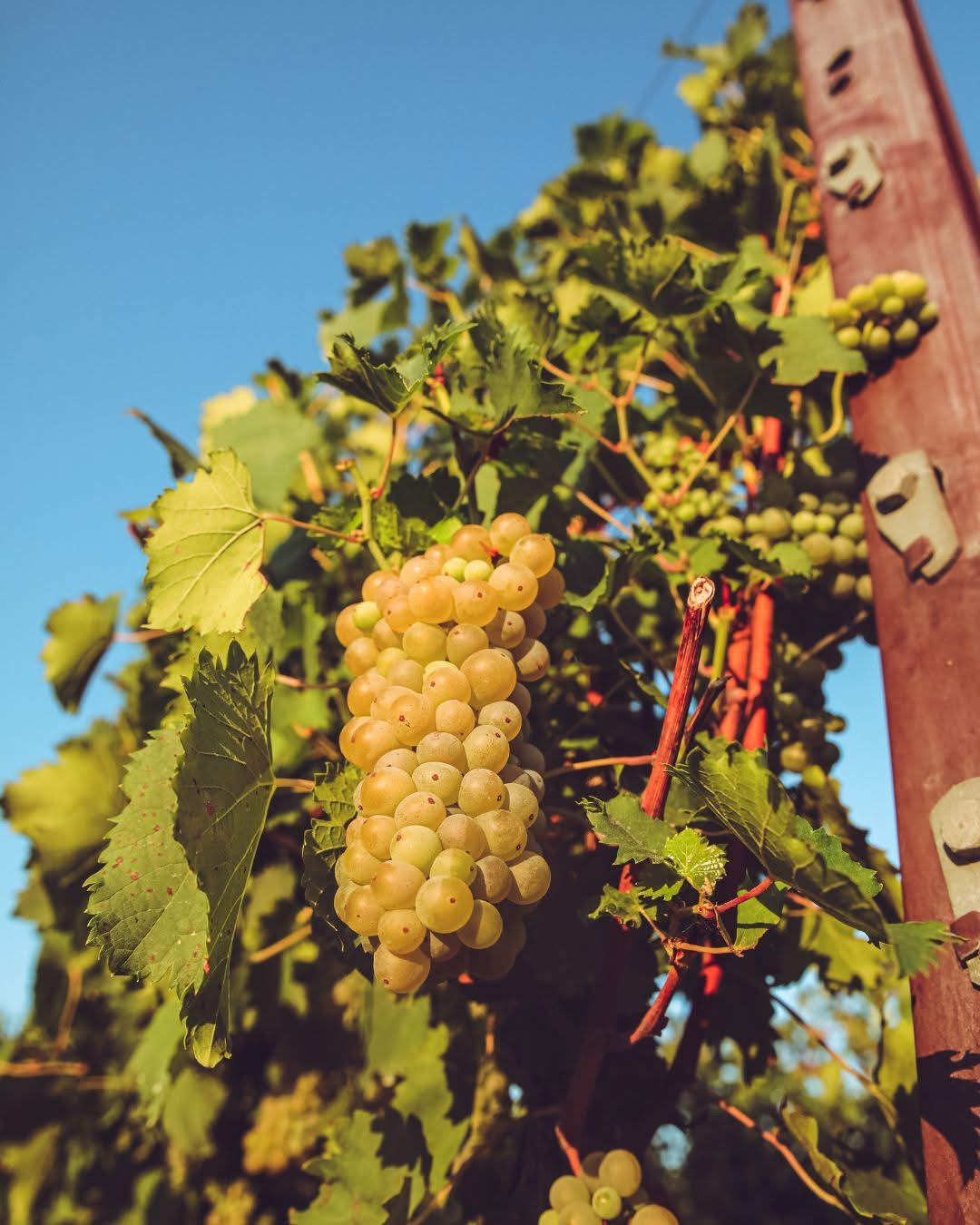
The winery sits in Medolla, surrounded by the soft agricultural landscape of Emilia-Romagna, a region where food traditions run deep and people still seem to understand the connection between land, labor, and identity. The estate stretches across 70 hectares, with vineyards rooted in clay and silt-rich soil that shapes the character of the wines themselves.
What pulled me in was not luxury language or glossy marketing. Honestly, it was water.
That probably sounds strange unless you also spend a lot of time thinking about climate and agriculture.
Water changes everything. Entire farming systems now revolve around uncertainty around rainfall, drought, and heat. Farmers across the world continue trying to figure out how to produce food while facing environmental conditions that no longer behave predictably.
Ventiventi approaches that reality with precision irrigation technology designed to give vines exactly what they need without wasting resources.
I kept thinking about how rare restraint feels these days.
So much of modern life encourages excess. Bigger harvests. Faster production. Producers are focused on more consumption, extraction, and scaling at all cost. Very little about global food systems currently rewards slowness, patience, or environmental balance.
Yet vineyards operate on time differently.
You cannot rush vines.
You cannot bully soil into long-term health.
Nature eventually answers back.
The winery also follows organic farming principles and avoids synthetic chemicals in favor of practices that preserve biodiversity and soil vitality. That choice felt especially interesting to me because too many sustainability conversations become detached from actual ecosystems. Companies focus heavily on branding language while ignoring whether the land itself grows healthier or weaker over time.
I appreciated that Ventiventi still centers indigenous grapes like Lambrusco Salamino di Santa Croce, Lambrusco di Sorbara, Ancellotta, and Pignoletto. There is something beautiful about protecting regional identity while still remaining open to experimentation and innovation.
Travel has taught me how quickly local traditions disappear once everything starts becoming optimized for global sameness.
Too often everywhere we travel these days we see the same shops, restaurants, products, even the same aesthetics. It’s the death of local personality.
However, wine still resists some of that flattening because place remains impossible to fully erase from agriculture. Soil composition, climate, and local knowledge continue shaping outcomes no matter how modern the technology becomes.
Ventiventi also continues investing in renewable energy through expanded photovoltaic systems aimed at reducing dependence on non-renewable energy sources. Again, I found myself less interested in the technology itself than the worldview underneath it.
Care for the land now.
Think beyond immediate profit.
Build something your children can continue tending later.
Simple ideas, honestly. Yet somehow they feel increasingly radical.
This winery did not leave me dreaming about luxury wine culture. Instead, I found myself thinking about stewardship. About whether industries rooted in agriculture can still evolve without completely severing themselves from the ecosystems and traditions that gave them life in the first place.
Maybe that is the real conversation hiding underneath all of this. It’s not just how we produce wine. More importantly, it’s how we choose to live with the land moving forward.