The Quiet Power of Rest for Women Who Lead
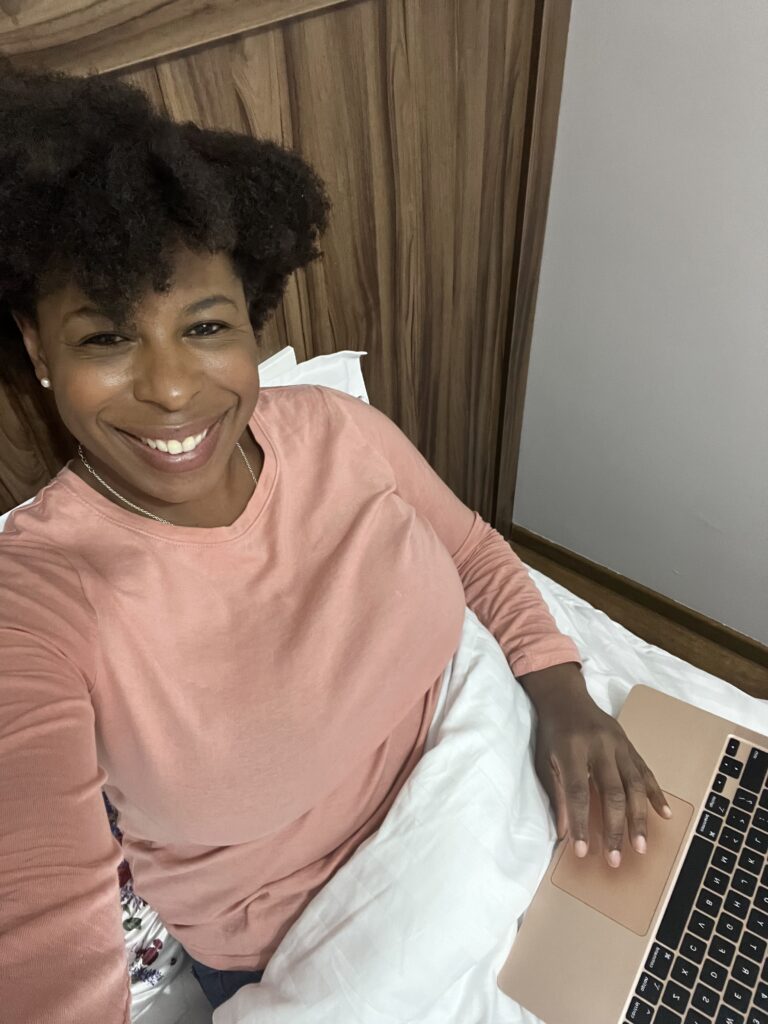
I used to believe exhaustion was simply part of making a difference. Somewhere between airports, conference rooms, farms, classrooms, client calls, and late-night deadlines, I realized something important: rest for women who lead is not a reward. It is part of the work itself.
We Mistake Exhaustion for Commitment
Many women learn early that being dependable means always saying yes. We solve problems before anyone asks. We carry emotional labor that rarely appears in our job descriptions. Then we convince ourselves that if we stop moving, everything else will stop too.
I know that pattern well. International development, entrepreneurship, teaching, consulting, caregiving, and writing all taught me how to keep going. However, they did not always teach me when to stop.
For years, I measured productive days by how exhausted I felt when they ended. If I answered every email, took every call, finished every proposal, traveled all day, and still stayed up writing, I called it a successful day.
Looking back, I was not managing my energy. I was spending it as if it were unlimited.
Leadership Is a Marathon, Not a Sprint
The work I care about most requires clarity. Writing, consulting, speaking, building partnerships, mentoring women, and showing up for community all require creativity and emotional presence. Those are exactly the first things burnout steals.
That lesson took me longer to learn than I would like to admit. Constant exhaustion was not proof that I cared more than everyone else. It was proof that I had stopped caring for myself with the same seriousness I gave the work.
That matters because leadership is not only about what we produce. It is also about the quality of attention we bring into the room. A tired leader can still function, but functioning is not the same as leading well.

Rest Is Part of Sustainable Leadership
After more than two decades working across cultures, I have become convinced that burnout is not a personal weakness. Often, it is the predictable outcome of systems that expect women to keep producing without recovering.
That is one reason I think about rest through the same lens I use for sustainable development. Nothing can remain healthy if it is constantly being depleted. Soil needs time to regenerate. Communities need time to recover. Human beings are no different.
Leadership should be sustainable. Otherwise, we eventually become too exhausted to serve the very people we are trying to help.
What Rest Actually Looks Like
Rest is not always a vacation, a spa day, or a perfectly quiet weekend. Sometimes it is smaller and more realistic than that. For women who lead, rest often begins with building rhythms that protect our energy before we collapse.
Some practices that have helped me include scheduling recovery days after major conferences or international travel, protecting mornings for writing before opening email, and walking without a podcast so my mind has room to wander.
I also try to say no to opportunities that do not align with my long-term goals, even when they sound exciting. That one still takes practice. However, every yes costs something, and wise leadership requires knowing what deserves our energy.
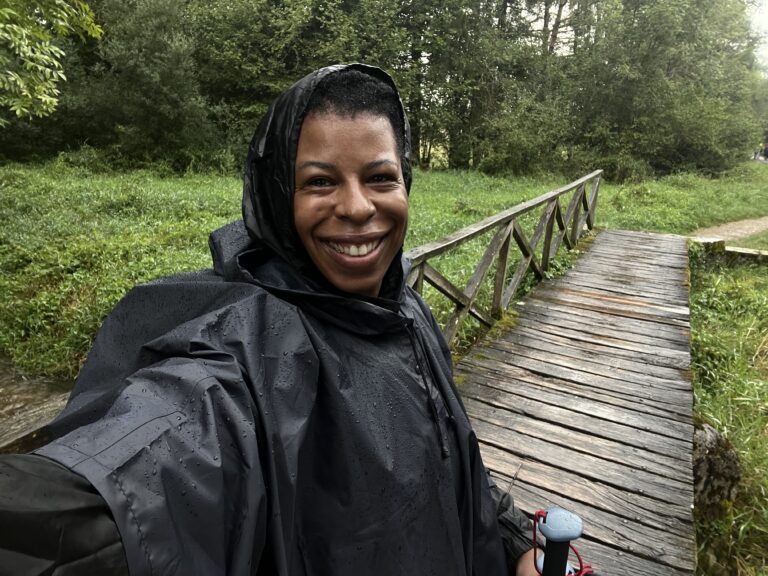
Spending time in nature helps too. Whether I am walking a Camino trail, sitting near water, or moving through a quiet neighborhood park, the outdoors reminds me that everything does not have to happen today.
On particularly overwhelming days, simple tools can help. A few minutes with guided meditation through Calm can create enough space for me to breathe, reset, and return to myself before the day takes over again.
A Few Rest Practices for Women Who Lead
These are not perfect rules. They are starting points. Choose what fits your life, your body, and your season.
- Protect one quiet block each week. Use it for thinking, planning, writing, or doing nothing useful at all.
- Stop treating recovery as wasted time. Build it into your calendar after intense work, travel, launches, or emotional labor.
- Create a shutdown ritual. Close the laptop, write tomorrow’s top three priorities, and let the day end.
- Practice strategic no. Decline what does not align with your values, goals, capacity, or peace.
- Separate urgency from importance. Everything loud does not deserve immediate access to you.
- Move your body gently. Walk, stretch, dance, or breathe without turning it into another performance goal.
- Let support be part of leadership. Ask for help before exhaustion becomes resentment.
The Women I Admire Most
The strongest women I know are not the ones who never rest. They are the ones who learned that caring for themselves allows them to keep caring for everyone else.
That kind of leadership is not selfish. It is responsible. Women who lead families, teams, classrooms, organizations, businesses, and movements need practices that help them stay whole while doing meaningful work.
Today, I see rest as an investment rather than an interruption. It protects my creativity, sharpens my thinking, and reminds me that my value is not measured by how exhausted I am at the end of the day.
What I Want Women Leaders to Inherit
Somewhere along the way, many of us accepted the idea that exhaustion proves commitment. I no longer believe that.
I want the next generation of women leaders to inherit something better than burnout. I want them to know they can build meaningful careers, advocate for their communities, raise families, start businesses, write books, travel the world, and still have enough energy left to enjoy the life they are working so hard to create.
Rest is not the opposite of ambition.
It is one of the ways ambition survives.
Keep Reading With Me
If this resonates with you, you may also enjoy my reflections on community resilience, finding our voice through storytelling, and building a more sustainable way to lead.
This article may include affiliate links. If you purchase through them, DG Speaks may earn a small commission at no additional cost to you. Read my full disclosure.