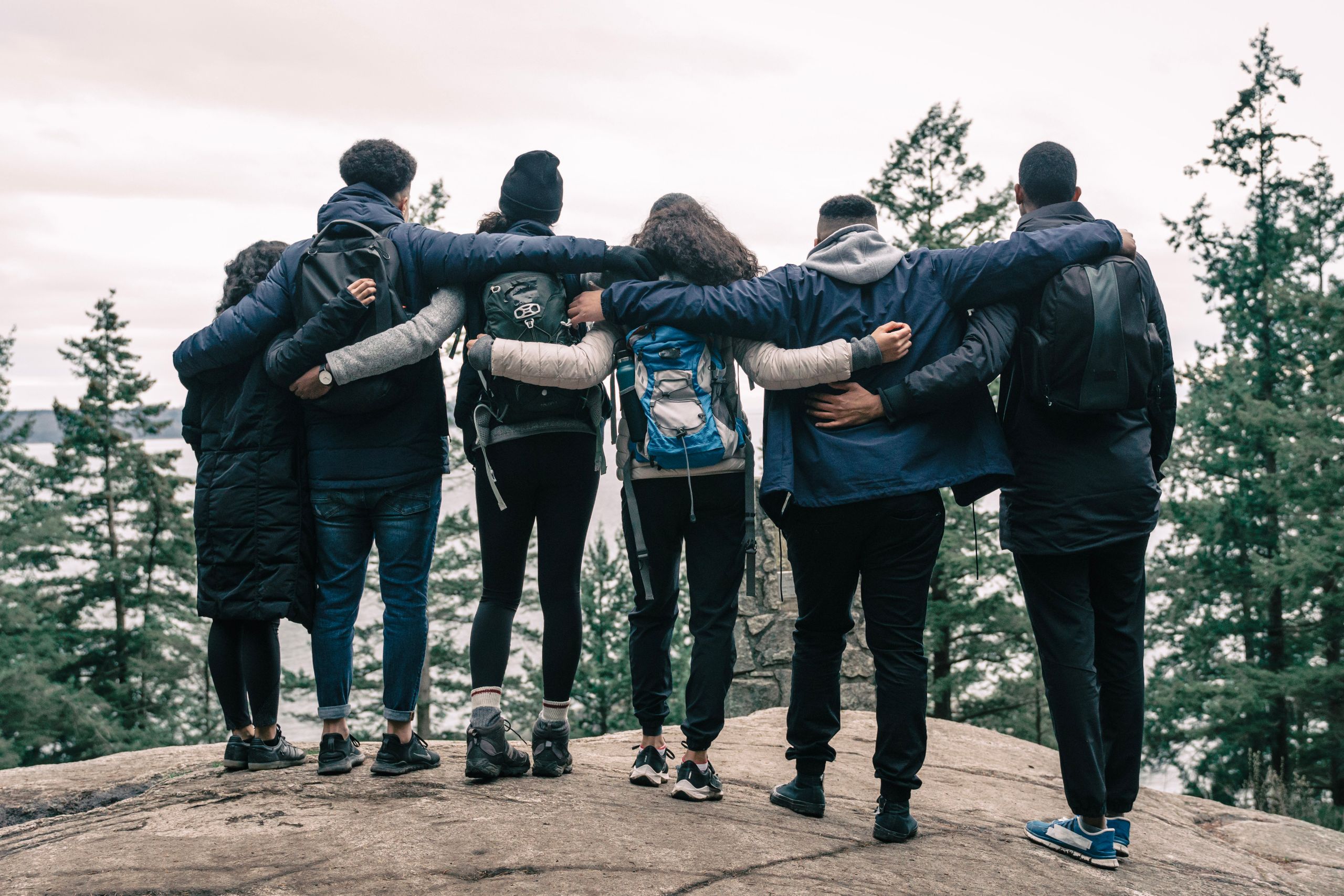
Why I Keep Returning to the Question of Belonging
I keep returning to the question of belonging.
Where do I feel free? Which rooms make me shrink? When do I feel useful, seen, loved, and honest?
Those questions become difficult once I remove geography, job titles, family roles, and other people’s expectations from the answer. A place may welcome my work while remaining uncomfortable with my full presence. Communities sometimes praise what I contribute but resist the parts of me that challenge familiar assumptions.
That is why an invitation alone does not create belonging.
What matters is whether I can exhale after I arrive.
The Body Often Knows First
Certain rooms make my body alert before my mind understands why.
Words become more carefully chosen. My shoulders rise, laughter feels measured, and part of my attention shifts toward monitoring the expressions around me. Although I am physically present, I am also managing how others might interpret me.
Elsewhere, something releases.
No explanation is required for every reference. Silence does not automatically feel like rejection, and disagreement can exist without turning my humanity into the subject of debate.
The body usually recognizes that difference quickly.
Long before I can describe the atmosphere, I can feel whether a space expects performance or permits presence.
Inclusion Can Still Demand an Edited Self
Inclusion matters because access matters.
Being admitted into institutions, industries, conversations, and cultural spaces that once excluded people can change lives. Representation also challenges narrow ideas about who belongs in positions of authority, creativity, or influence.
Access, however, does not guarantee freedom inside the room.
A woman may be invited because her identity makes an organization appear diverse. Her perspective remains welcome until it disrupts the habits of people who already hold power.
Stories may be encouraged, but only when they educate gently, inspire comfortably, or leave the audience feeling innocent.
Inclusion says, “You may enter.”
Belonging asks whether the person must become smaller once she gets inside.
Usefulness Can Become a Condition of Presence
Many of the spaces where I once felt secure were places where I knew how to be useful.
Organizing, advising, writing, solving problems, and connecting people gave me a clear role. That role created a reason for others to keep me nearby.
Contribution carries dignity. Every community needs people who bring care, knowledge, skill, and attention.
Trouble begins when usefulness becomes the price of admission.
Would the same room want me if I stopped performing the function it values? Could I arrive tired, uncertain, quiet, or in need of support without feeling that I had violated the terms of my invitation?
Any sense of belonging becomes fragile when labor must continually earn it.
Black Women Are Too Often Welcomed as Evidence
Black women frequently enter rooms as proof.
Our presence demonstrates that an organization is inclusive, a panel is representative, or an industry is changing. During certain campaigns, months, and cultural moments, our stories become especially desirable.
Attention often fades when the moment passes.
This is why my reflection on why Black women storytellers deserve more than a moment remains closely connected to belonging.
Visibility offers attention. Continuity creates room to grow.
Real belonging allows Black women to be experimental, ordinary, humorous, angry, uncertain, brilliant, complicated, and fully human. Every story should not have to educate an audience or represent an entire community.
Being seen should never require becoming a symbol.
A Room Can Challenge Me and Still Feel Safe
Comfort and belonging are not identical.
A community may challenge my thinking while still protecting my dignity. Honest friendship can hold difficult truths without threatening to withdraw love as punishment.
In fact, a space without disagreement may offer politeness rather than genuine connection.
Conflict often reveals the quality of belonging more clearly than harmony does.
Can disagreement happen without accusations of disloyalty? Will correction be offered without humiliation? When harm is named, does the conversation center the injured person, or does everyone rush to protect whoever caused the discomfort?
A room allows me to exhale when truth does not automatically threaten my place within it.
Community Requires More Than Warm Feelings
Belonging is often described emotionally, yet systems help create the feeling.
Who receives important information? Which people are checked on? Who has access to food, transportation, housing, money, or practical help when circumstances change?
My writing about how community resilience begins before a crisis connects directly with these questions.
Relationships developed before an emergency make care more reliable during one. People know who will answer, where support exists, and whether asking for help will produce shame or an unpayable emotional debt.
No community should claim someone only when her labor becomes necessary.
Care must travel in more than one direction.
Places Communicate Who They Expect to Find
Cities, workplaces, institutions, neighborhoods, and homes all communicate expectations.
Architecture, language, transportation, pricing, security, and cultural habits shape whether a person can move comfortably through a space.
Some places recognize me primarily as a customer. Others welcome me as a temporary visitor but question my right to remain. Professional environments may value my role while showing little curiosity about the person carrying it.
Something softens when place recognizes the whole person.
Entrances make sense. Seating feels available rather than guarded. My body is not treated as an interruption to the design.
Recognition can happen at a dinner table, on a page, inside a friendship, or across an entire city.
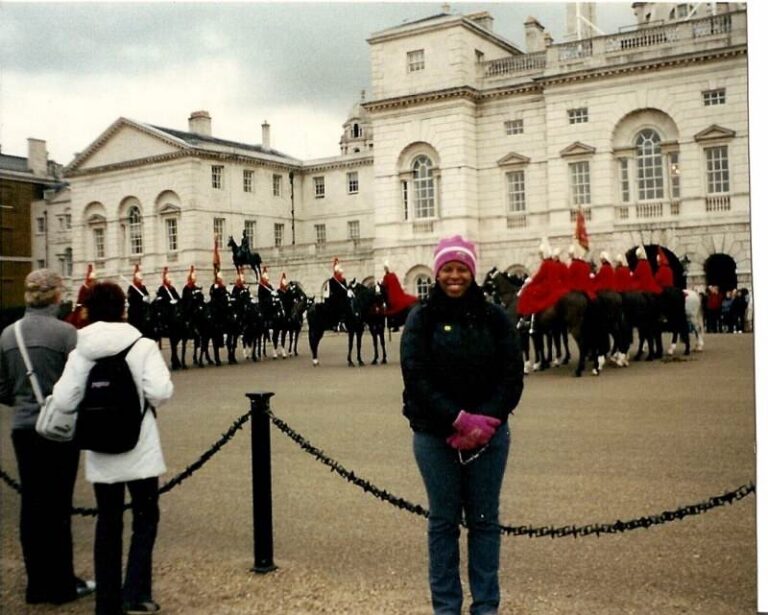
Travel Complicates My Desire to Belong
Travel can create an immediate and powerful sense of connection.
A city may seem to understand me through its pace, food, public life, climate, or social rhythm. Soon, I begin imagining a different version of myself living there.
Those feelings can be genuine without making me local.
Temporary visitors experience a destination under different conditions from residents. I may remain untouched by the bureaucracy, discrimination, wages, housing costs, healthcare systems, and daily responsibilities shaping local life.
Loving a place does not give me membership in it.
Affection can remain honest when I acknowledge the distance between feeling welcomed and truly belonging.
An Introduction Is Not the Same as Membership
Guided experiences may provide meaningful access to food, history, neighborhoods, and cultural traditions.
A knowledgeable guide can help me understand details I might otherwise misread. Experiences available through GetYourGuide may support that kind of introduction when they center local voices and treat communities respectfully.
Still, one afternoon cannot grant belonging.
Listening, learning, and spending responsibly may deepen my understanding. None of those actions turns brief access into community membership.
Respect includes recognizing the limits of what has been shared with me.
Familiarity Can Be Mistaken for Home
Some environments feel familiar because I have mastered the role expected of me.
Within a family, workplace, or relationship, I may know exactly when to help, stay quiet, mediate, or prevent conflict. Predictability can feel safer than uncertainty.
Yet mastering a performance does not make the stage a home.
The more revealing question is whether familiarity allows growth. Can I change without threatening the arrangement? Am I permitted to stop being the dependable one, the expert, the mediator, or the person who absorbs everyone else’s discomfort?
Any place worthy of the word belonging must make room for becoming.
Friendship Creates Emotional Geography
People often change the meaning of physical places.
A café becomes important because a friend listened without rushing. A neighborhood feels easier to navigate because someone expected my arrival. An ordinary room gains significance when I do not need to monitor myself inside it.
Friendship creates a geography that no map can show.
That geography may remain after people move, relationships change, or the original place disappears.
Sometimes belonging attaches less to land than to the experience of being known by another person.
Chosen Family Can Build a Different Room
Family is frequently presented as the most natural source of belonging.
For many people, relatives provide history, protection, recognition, and care. In other families, identity must be hidden, defended, or constantly negotiated.
Chosen family offers another structure.
Friends, mentors, neighbors, and intentional communities can provide acceptance that inherited relationships could not. Such bonds are not less meaningful simply because they were built rather than assigned.
At times, belonging begins when someone stops waiting for one room to become capable of holding her and helps create another.
Healthy Belonging Needs Boundaries
Unlimited access is not evidence of connection.
Healthy communities allow people to rest, say no, maintain privacy, and step away temporarily. Participation should not require permanent availability.
Without boundaries, belonging can slowly become possession.
The group begins expecting constant agreement, access, and loyalty. Difference gets interpreted as betrayal, while privacy looks suspicious.
I want connection that does not demand disappearance into the collective.
There must be room for the parts of me that remain separate, private, and unfinished.
Leaving Can Be an Act of Recognition
Not every room will become more generous.
Sometimes I explain, contribute, wait, and keep hoping that greater effort will create the recognition I need. Eventually, staying becomes another method of shrinking.
Leaving does not always mean I failed to belong.
Departure may simply confirm that I finally understood the conditions being offered.
A place that values only my labor, silence, gratitude, or compliance is not giving me belonging. It is offering conditional access.
Walking away can mark the moment endurance stops masquerading as connection.
Belonging Must Also Exist Within Me
External community remains essential.
Human beings need recognition, intimacy, reciprocity, and spaces where care can circulate. Self-acceptance cannot replace healthy relationships.
At the same time, no room can provide permanent certainty.
Relationships shift, institutions reveal limitations, and cities change. When my entire sense of belonging depends on continued approval from one place, self-betrayal may begin to feel necessary.
Inner belonging does not mean I stop needing others.
Instead, it means rejection cannot erase my reality.
Losing access to a room does not remove my right to occupy my own life.
The Answer Changes as I Change
The question keeps growing because I keep growing.
A space that once fit may eventually become too small. Communities capable of supporting one version of me may struggle to accept the next.
That does not always make the earlier connection false.
Some relationships and places accompany us for a season. Their meaning remains, even when they cannot hold every future version.
Practicing belonging requires attention to where I expand, where I contract, and what conditions make honesty possible.
It also asks me to help create those conditions for others.
What I Want From the Rooms I Enter
No room needs to understand every part of me completely.
Honesty, however, must remain possible.
I want usefulness to be appreciated without becoming the requirement for care. Boundaries should not cancel connection, and disagreement should never threaten someone’s humanity.
More than a role, identity marker, resource, or diversity story, I want to be recognized as a whole person.
Equally important is recognizing when a room is asking me to disappear.
Belonging Begins Where Performance Ends
The question of belonging follows me through cities, relationships, work, family, and creative life.
Where do I feel free? Which spaces make me smaller? Where can I contribute without becoming valuable only for what I provide?
I no longer believe one perfect destination will recognize me forever.
Belonging is a practice of noticing, choosing, building, leaving, and sometimes returning.
It appears when a room can tolerate truth, when a relationship survives a boundary, and when community offers care before a crisis arrives.
No performance of gratitude should be required simply because inclusion was offered.
True belonging allows me to remain whole after I enter.
For more reflections on identity, community, culture, Black women’s voices, and the search for spaces that let us remain fully ourselves, explore DG Speaks Culture.