Sustainable Food Systems Need Women’s Wisdom
Sustainable food systems cannot succeed if they overlook the women who plant, harvest, cook, preserve, sell, nourish families, and strengthen communities every single day.
I have spent much of my career working in agriculture and international development, and one lesson continues to surface no matter where I travel. Sustainable food systems work best when they value the people who already hold them together. Time after time, those people are women.
I have sat in conference rooms where experts discussed productivity, climate resilience, innovation, and food security for hours. Meanwhile, the women who understood the daily realities of farming, cooking, marketing, and feeding their communities rarely held the microphone. That disconnect tells us something important about whose knowledge we value and whose experience we overlook.
Food Systems Begin With People, Not Products
People often describe sustainable food systems in terms of soil health, water conservation, biodiversity, and supply chains. Those topics deserve attention. However, every one of those systems depends on people making decisions every day.
Who owns the land? Who decides which crops to plant? Who controls household income? Who receives agricultural training? Who speaks during community meetings? Most importantly, who benefits when harvest season ends?
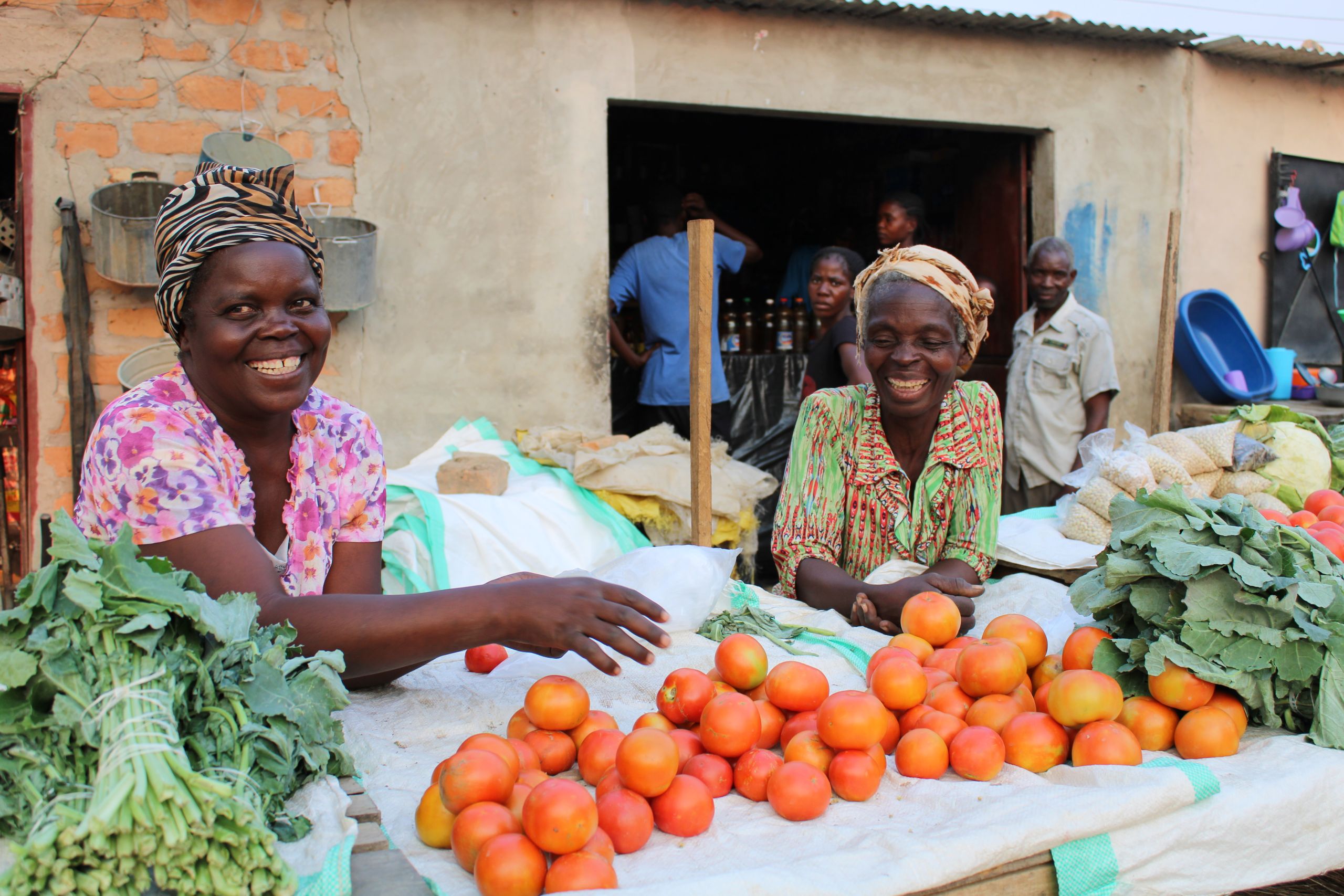
Those questions reveal whether a food system truly serves everyone. Women already grow crops, process food, prepare meals, manage household nutrition, and sell products in local markets. Even so, many still struggle to access land, financing, technology, and leadership opportunities.
That reality explains why I often connect food stories with conversations about gender, culture, and economic opportunity. Every meal reflects a much larger system if we choose to look beyond the plate.
Women’s Knowledge Deserves a Seat at Every Table
People sometimes describe women’s agricultural knowledge as informal. I see something entirely different. I see expertise built through observation, experience, and generations of practice.
Women often recognize changing weather patterns before anyone studies the data. They know which crops survive difficult seasons. They understand family nutrition, local markets, food preservation, and household priorities because they make those decisions every day.
Consequently, development programs become stronger when they build on that knowledge instead of replacing it. Policies improve when women help shape them. Investments reach more people when women influence financial decisions. Communities become more resilient when local experience carries the same weight as technical expertise.
The International Fund for Agricultural Development continues to champion inclusive rural development. I appreciate that commitment. Even so, genuine inclusion requires more than inviting women into the conversation after someone else has already written the agenda.
Building Fair Food Systems Requires Sharing Power
If we want stronger food systems, we must also build fairer systems of power. Women need secure land rights, affordable financing, market access, agricultural training, safe transportation, childcare support, and meaningful leadership opportunities. Just as importantly, they deserve recognition for the expertise they already bring.
That conversation naturally connects with my work on women’s leadership. Food never exists apart from gender. Likewise, agriculture never exists apart from culture. Every decision we make about food also reflects our values, our priorities, and our commitment to justice.
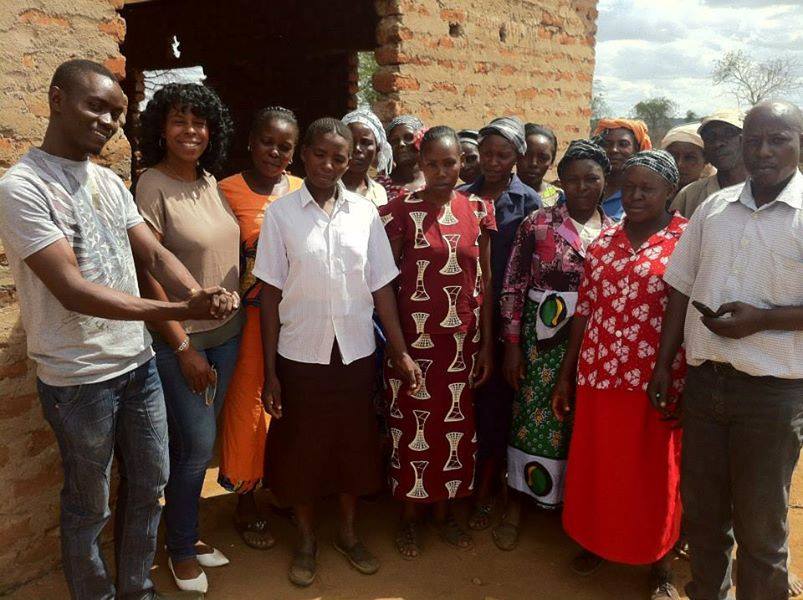
Throughout my work around the world, I have learned that the strongest solutions rarely begin in boardrooms alone. They grow from conversations with farmers, market vendors, food processors, and the women who quietly solve problems long before outside experts arrive.
Sustainable food systems should nourish people without exhausting the land, exploiting labor, or leaving communities behind. That future begins by recognizing women’s wisdom as essential knowledge rather than an afterthought. We cannot build resilient food systems without the people who have sustained them all along.