The Perfect Neighbor Review: Safety, Fear, and Power in America
Neighborhoods are supposed to make people feel safe. Yet this review of the Perfect Neighbor begins with a much harder truth: safety does not mean the same thing for everyone. Sometimes the place that feels ordinary to one person feels watched, judged, or dangerous to someone else.
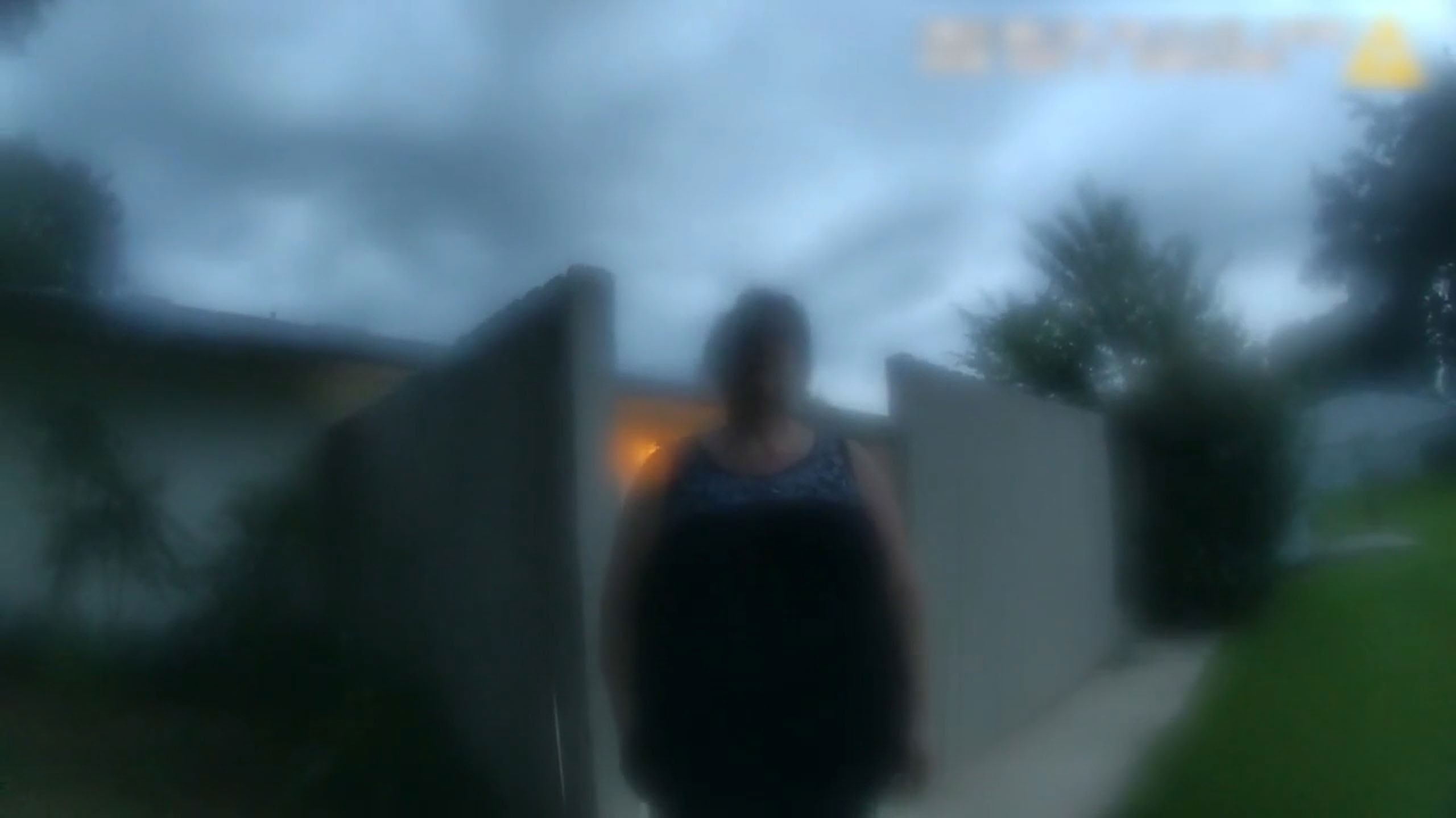
The Perfect Neighbor examines a Florida neighborhood dispute that turns deadly, using police bodycam footage and investigative material to explore race, fear, power, and the consequences of “stand your ground” laws. The result is unsettling because it feels painfully close to home.
This is not a documentary that lets viewers sit comfortably outside the story. Instead, it asks us to think about the assumptions people carry into everyday spaces and what happens when those assumptions receive legal, social, or institutional power.
Fear Changes the Way People See
One of the most disturbing things about the film is how familiar the setting feels. There is no distant battlefield. There is no strange world to decode. Instead, the story unfolds in a neighborhood where ordinary conflicts slowly become something far more dangerous.
That familiarity makes the documentary harder to shake. Many viewers will recognize the small tensions that can exist between neighbors. However, The Perfect Neighbor shows how quickly tension can turn into suspicion when race, power, and fear shape the story people tell themselves.
That theme connects with my BLKNWS: Terms & Conditions review, because both films ask who controls the frame. In this documentary, the frame is not only media. It is the story someone tells about who belongs, who threatens, and who deserves protection.
The Question Is Safe From Whom?
People often speak about safety as if it is neutral. Everyone wants to feel protected. Everyone wants peace at home. Even so, the film asks a sharper question: safe from whom?
That question matters because fear can become dangerous when society treats some fears as reasonable and others as invisible. Race, class, gender, and neighborhood politics all influence whose concerns receive sympathy and whose presence gets read as a threat.
The Perfect Neighbor does not need dramatic narration to make that point. The footage does the work. Again and again, viewers watch how ordinary interactions become charged when people interpret each other through suspicion rather than relationship.
Power Lives in the Benefit of the Doubt
Power does not always announce itself loudly. Sometimes it appears in who gets believed first. Sometimes it appears in who gets treated as afraid rather than aggressive. Other times, it appears in which version of events institutions take seriously.
That is where the documentary becomes especially powerful. It does not treat fear as only personal emotion. Instead, it shows how fear moves through systems, laws, policing, and community perception.
This reminded me of my review of SLY LIVES!, even though the films look very different on the surface. Both ask us to examine the systems around the individual story. One looks at Black genius. The other looks at Black vulnerability inside a legal and social structure that does not distribute safety equally.
A Community Becomes a Mirror
The film works because it refuses to let the neighborhood remain just a setting. It becomes a mirror. Through one community, viewers see larger American questions about race, surveillance, violence, and belonging.
Who gets to relax in public? Who gets watched? Who can make a mistake without becoming a threat? Who receives grace before anyone asks for proof?
Those questions reach beyond one case. They appear throughout American life, from schools and sidewalks to stores, parks, and front yards. Consequently, the film feels intimate and national at the same time.
The Perfect Neighbor premiered at the 2025 Sundance Film Festival, where it won the Directing Award for U.S. Documentary. That recognition fits because the film turns raw material into a clear and devastating examination of American life.
Looking Beyond the Fence Line
What stayed with me most was not only the tragedy. It was the buildup. The film shows how danger can grow from stories people tell before they ever truly know one another.
That is why The Perfect Neighbor feels so urgent. It asks us to examine fear before it becomes violence. It asks us to question power before it hides behind procedure. Most importantly, it asks us to look at the people our society too quickly turns into problems.
In the end, this is not only a film about neighbors. It is a film about America, about who gets protected, who gets doubted, and what can happen when fear receives more authority than truth.
Keep Exploring on DG Speaks
For more reviews that examine race, power, and storytelling, read my thoughts on BLKNWS: Terms & Conditions, Move Ya Body, and Sugar Island.