Ricky Review: The Long Shadow of Mass Incarceration
Coming home is not the same as being free. That is the truth that kept pressing on me while thinking of writing this review for Ricky. A prison sentence may end on paper, but the world does not always open its arms when someone walks back through the door.
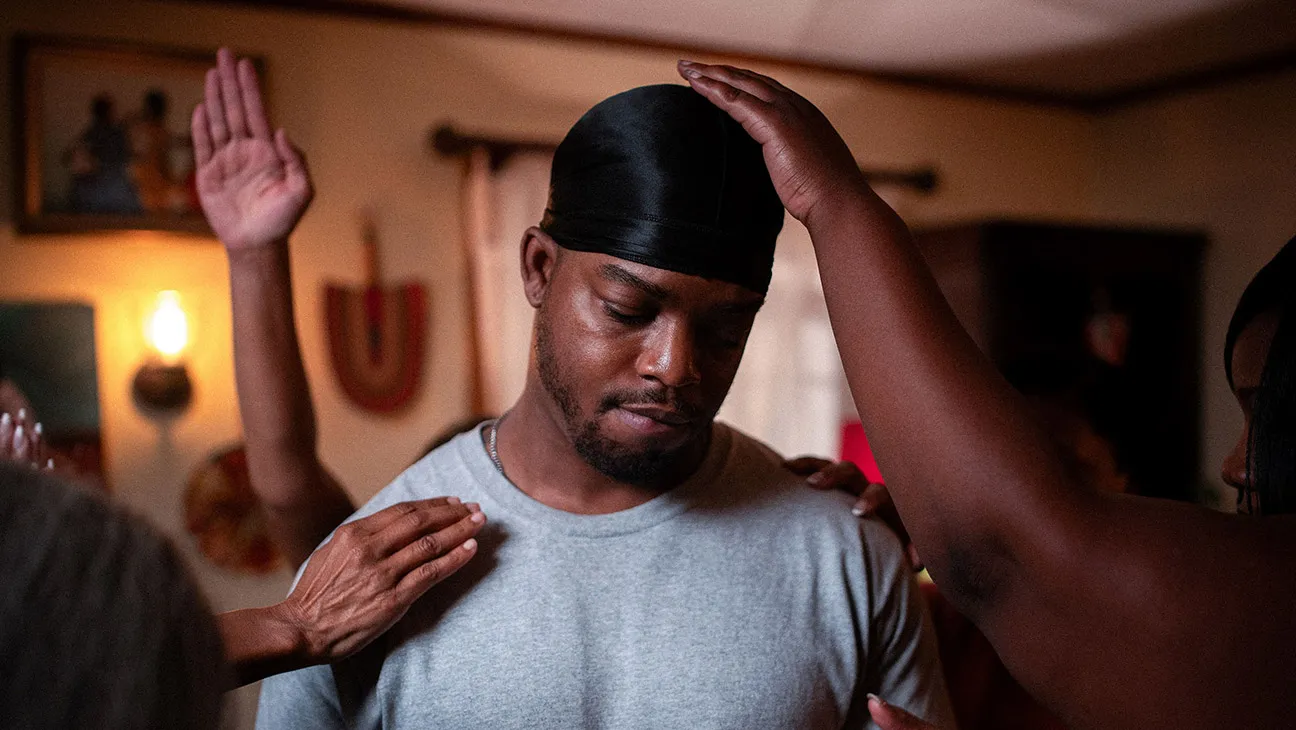
Ricky follows a man trying to rebuild his life after incarceration, but the film is not interested in easy redemption. Instead, it sits with the messy middle. Family has changed. Time has moved. Expectations have piled up. Meanwhile, Ricky has to figure out who he is outside a system that shaped so many years of his life.
That is what makes the film so human. It does not turn reentry into a slogan. It asks what freedom really means when housing, work, trust, family, and self-worth all have to be rebuilt at the same time.
Freedom Is Not a Finish Line
Public conversations about incarceration often focus on punishment. People debate crime, sentencing, public safety, and accountability. However, far fewer conversations focus on what happens after release.
Ricky lives in that neglected space. The film understands that freedom requires more than leaving prison. It requires support, patience, opportunity, and a society willing to believe that people can grow beyond their worst moments.
That question connects naturally with BLKNWS: Terms & Conditions. Both films ask who gets to control the story. In Ricky, the story is not only about what happened before prison. It is also about what becomes possible afterward.
Lost Time Has a Weight
One of the most painful parts of the film is the way it handles time. Years do not disappear neatly. They show up in missed birthdays, changed relationships, old wounds, and conversations that should have happened long ago.
Even so, Ricky never treats its main character as only a collection of losses. He wants connection. He wants dignity. He wants a future that does not keep shrinking around his past.
That tension gives the film its emotional pull. We see a man trying to move forward while carrying the reality that some things cannot be recovered. Still, the desire to build something new remains powerful.
Family Carries the Sentence Too
Incarceration never affects only one person. Families adjust. Children grow. Parents age. Loved ones learn to protect themselves from disappointment while still hoping for healing.
The film respects that complexity. Love does not erase frustration. Hope does not erase fear. Forgiveness does not arrive on command. Because of that, the family dynamics feel honest rather than polished for easy inspiration.
That kind of emotional honesty also reminded me of my Hold Me Close review, where intimacy lives in quiet choices rather than dramatic speeches. In both films, love requires patience, honesty, and the courage to stay present when things feel complicated.
Second Chances Need Systems Behind Them
People love talking about second chances, but too often we expect individuals to create those chances alone. Ricky challenges that idea without preaching. It shows how difficult reentry becomes when someone has to rebuild a life while facing barriers at every turn.
The film asks us to think beyond personal willpower. Yes, choices matter. Accountability matters too. However, opportunity also matters. Support matters. Community matters. A society cannot claim to believe in rehabilitation while making it nearly impossible for people to begin again.
Ricky screened as part of the 2025 Sundance Film Festival, where it received the Directing Award in the U.S. Dramatic category. That recognition makes sense because the film handles a difficult subject with restraint and compassion.
The Long Work of Becoming Free
By the end, Ricky left me thinking about how often society mistakes release for restoration. A person can leave prison and still struggle to access the basic conditions needed to build a stable life.
Ultimately, the film offers no neat solution, and I respect that. Instead, it gives us a portrait of someone trying to become whole in a world that keeps reminding him of where he has been.
That is why Ricky works. It does not ask viewers to look at reentry from a distance. It brings us close enough to see the human being behind the label, the family behind the sentence, and the fragile hope behind every attempt to begin again.
Keep Exploring on DG Speaks
If this film made you think more deeply about identity, memory, and systems, continue with my reviews of BLKNWS: Terms & Conditions, Sugar Island, and Éramos Só Putos.