Khartoum Review: The Stories War Cannot Erase
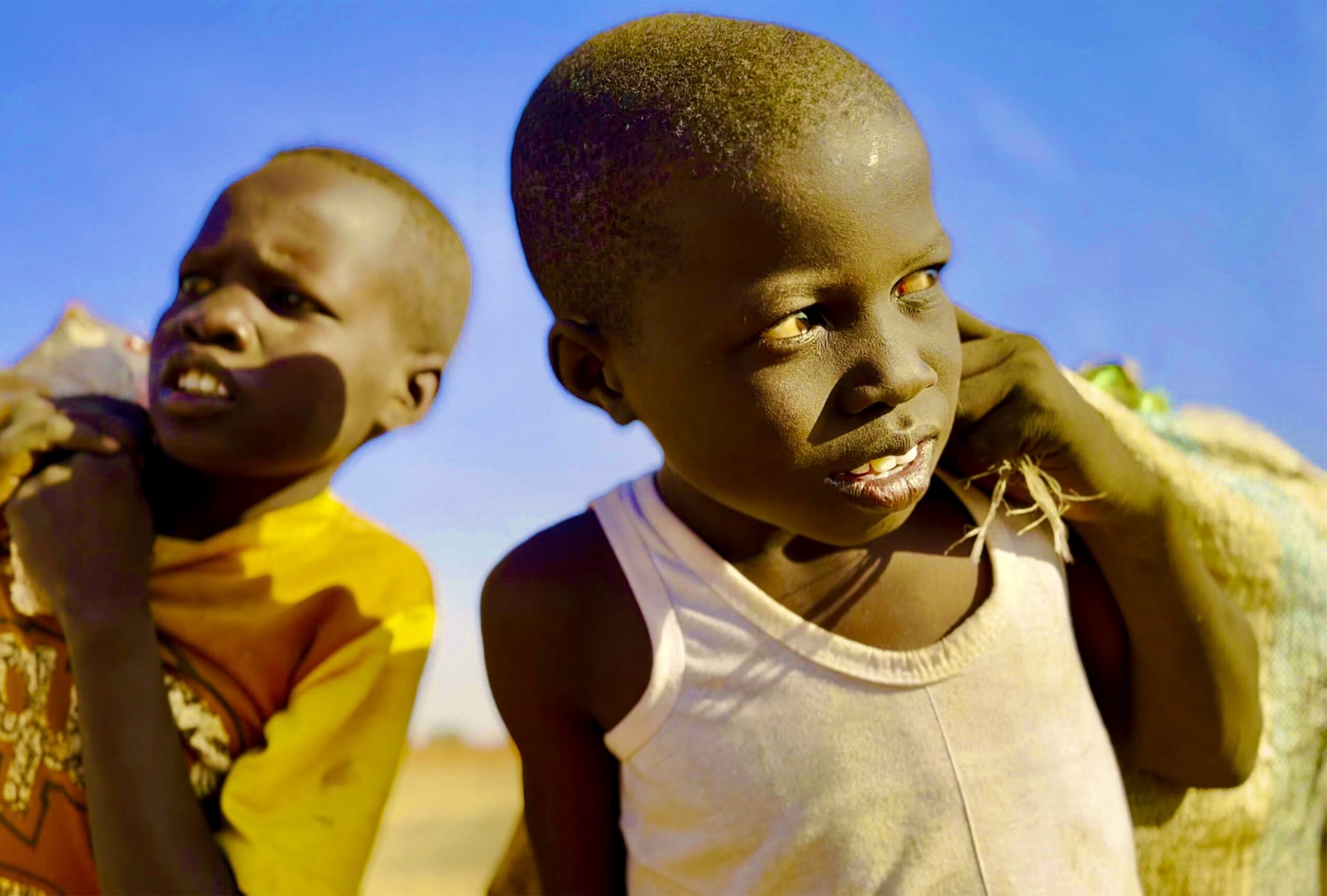
War turns places into headlines long before most people learn the names of the people who live there. That is what makes this Khartoum review feel so necessary. The documentary refuses to let Sudan become only a crisis on a map. Instead, it brings us close to ordinary people whose lives carry memory, humor, longing, and dreams interrupted by conflict.
Khartoum follows five lives connected to Sudan’s capital city, weaving together stories of displacement, rebellion, survival, and imagination. Rather than reducing people to victims, the film gives them space to remain fully human.
That choice matters. Too often, global storytelling flattens people living through war into statistics. However, this film insists on complexity. Before conflict changed everything, these were people with routines, relationships, ambitions, favorite places, and private jokes. That truth gives the documentary its power.
A City Is More Than a Crisis
For many people outside Sudan, Khartoum appears in the news only during moments of violence or political instability. Then, once global attention moves elsewhere, the people living through that reality often disappear from view.
Khartoum pushes against that pattern. The film does not ignore war, but it also refuses to let war define everything. Through memory, animation, testimony, and intimate storytelling, the city becomes more than a place of conflict. It becomes a place people love, remember, and carry with them.
That reminded me of my Sugar Island review, where history and identity also refuse to stay neatly in the past. Both films understand that place lives inside people, especially when outside forces try to separate them from home.
Displacement Carries Invisible Losses
Displacement is often discussed in numbers. How many people fled? How many crossed borders? How many need aid? Those numbers matter, but they can never tell the whole story.
The emotional losses are harder to measure. A street corner disappears from daily life. A neighbor becomes unreachable. A school, market, tea stall, or family home becomes a memory. Meanwhile, the person forced to leave must keep living with a version of home that no longer feels fully accessible.
Because of that, Khartoum feels deeply intimate. It understands that losing access to a place also affects identity. People do not simply leave buildings behind. They leave pieces of themselves in the places that shaped them.
Survival Means More Than Staying Alive
Many films about war focus on survival, but Khartoum asks a more complicated question. What does it mean to keep living with dignity when conflict tries to reduce your world?
The people in this film are not only surviving violence. They are protecting memory, caring for one another, imagining futures, and refusing to let war become the only story anyone tells about them.
That approach connects naturally with my essay on empowerment through storytelling. In both cases, storytelling becomes a way to protect dignity. It gives people the right to say, “This is who we are,” even when the world prefers a simpler narrative.
The Filmmaking Feels Like an Act of Care
The official Khartoum film site describes five stories from Sudan woven together through animated dreams, street revolutions, and war. That blend of forms gives the documentary a texture that feels both raw and imaginative.
Instead of relying only on traditional interviews, the film allows memory and imagination to shape the storytelling. That creative choice feels important because trauma does not always move in a straight line. Neither does memory. Sometimes animation, fragments, and personal reflection can reach emotional truths that a conventional structure might miss.
In that way, Khartoum sits beautifully alongside films like BLKNWS: Terms & Conditions and Sun Ra: Do the Impossible. Each film uses form to challenge the limits of ordinary storytelling.
No Country Should Be Reduced to Its Pain
One of the most important things Khartoum does is restore fullness. It shows hardship, but it also shows humor, tenderness, ambition, and the daily beauty that continues even when life becomes unstable.
That matters because no country should be known only through its suffering. No people should be remembered only for what they endured. When storytelling focuses only on pain, it can unintentionally erase the richness of everyday life.
Khartoum resists that erasure. It reminds us that Sudan is not just a conflict zone. It is home. It is memory. It is culture. It is a place carried by people who continue to tell their stories despite everything.
The Stories War Cannot Take
By the end, I kept thinking about what war can destroy and what it cannot. It can scatter families, damage cities, and interrupt futures. Still, it cannot fully erase memory. It cannot fully silence love for a place. It cannot stop people from claiming their own stories.
That is where Khartoum finds its deepest strength. The film does not offer easy hope, and it does not minimize suffering. Instead, it gives viewers something more honest: a portrait of people determined to remain whole even when the world around them fractures.
For me, that makes Khartoum more than a documentary about war. It is a documentary about memory, dignity, and the stubborn human need to keep telling the truth about home.
Keep Exploring on DG Speaks
Continue exploring stories about memory, displacement, and identity with my reviews of Sugar Island, BLKNWS: Terms & Conditions, and Patty Is Such a Girly Name.