Why I Like Travel Days That Start With Coffee
One morning in a city I did not yet understand, I left my room before I had decided what to do with the day.
I had a list of places saved on my phone. There were museums, neighborhoods, restaurants, and one historic site I had convinced myself I needed to reach early.
Still, I was not ready for directions.
I needed coffee first.
A small café sat a few streets away. I chose it because the tables near the window were already occupied by people who looked as though they belonged to the morning.
Inside, cups touched saucers. A machine hissed behind the counter, and conversations moved around me in a language I understood only in pieces.
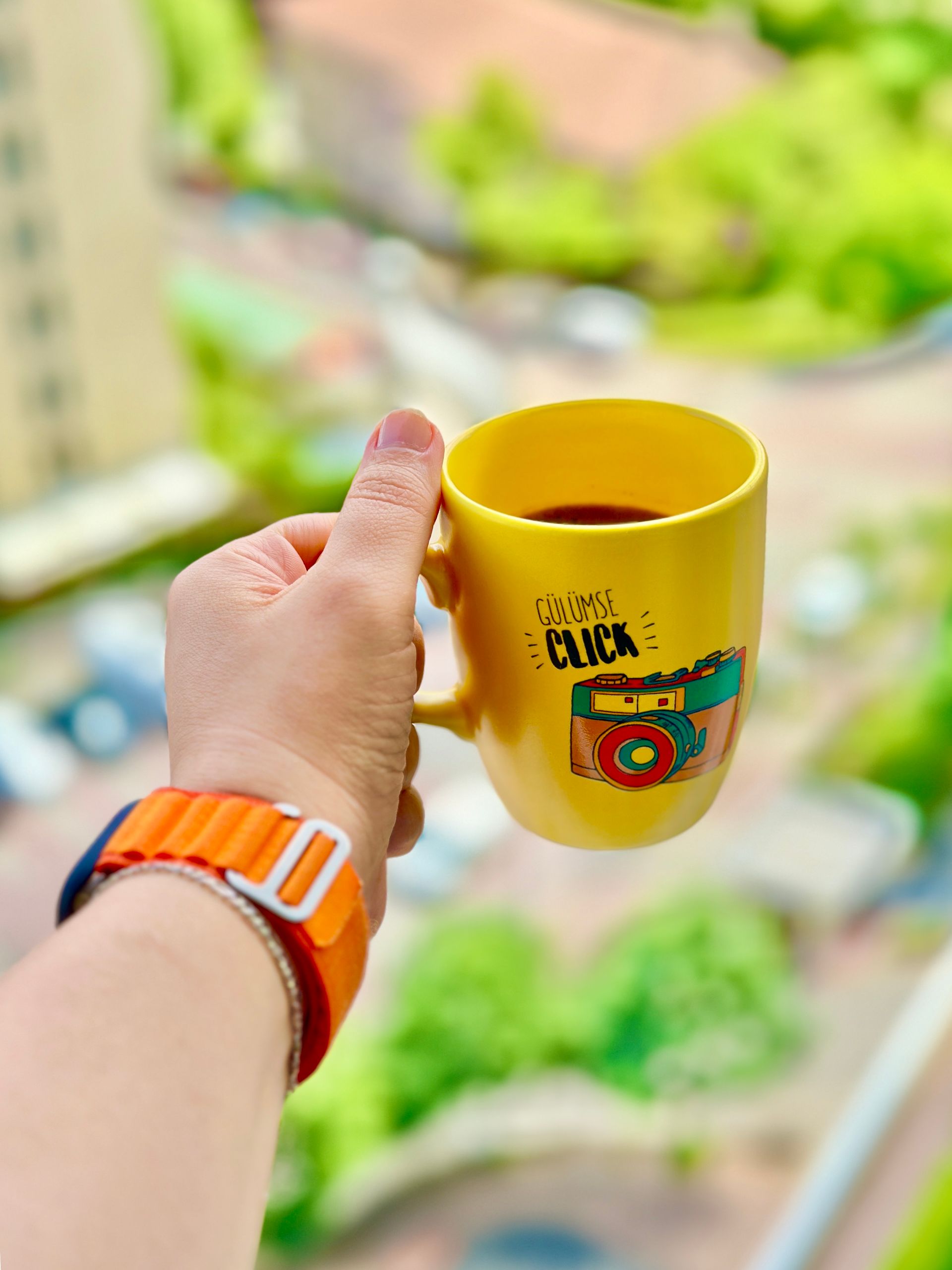
I ordered, found a small table, and placed my phone facedown.
For several minutes, I did not open the map.
I watched a woman arrive carrying bread. A man stood at the counter, finished his coffee quickly, and left before I had taken my third sip. Two people near the window seemed in no hurry at all.
The city began coming into focus before I had walked anywhere.
That is what travel coffee gives me.
Not a solution to every inconvenience, though some mornings it tries.
It gives me a ritual before the day begins asking for decisions.
A Cup Before the Map
Travel can make even simple mornings feel demanding.
Where should I go first?
How long will it take to get there? Do I need a reservation, cash, comfortable shoes, or a plan for getting back after dark?
None of these decisions is especially difficult alone.
Together, they can create a low level of anxiety before I have fully entered the day.
Coffee interrupts that urgency.
I can sit, look around, and let my mind catch up with my body. The destination is already outside the window, but I do not need to conquer it immediately.
The first hour of a travel day often determines whether I move with anxiety or ease.
A quiet cup creates room for the second option.
The Ritual Makes an Unfamiliar Morning Legible
Much of travel involves novelty.
The bed feels different. Street sounds begin earlier or later than I expect, and the light enters through unfamiliar curtains.
Even preparing for the day requires thought.
A familiar ritual gives the morning structure.
I may not know the neighborhood yet, but I know how to hold a warm cup. I understand the pause between the first sip and the moment when I decide what comes next.
That small familiarity helps me enter the unfamiliar with less resistance.
The Café Becomes a Soft Landing
A café allows me to arrive before I begin exploring.
I can be alone without feeling isolated. The room offers conversation, movement, and the gentle sound of other people continuing with ordinary life.
Nobody requires me to participate beyond ordering and paying.
That balance feels especially useful when I have just arrived somewhere new.
The café gives me a public place to settle.
I am neither hidden in my room nor fully exposed to the demands of the street.
Morning Regulars Reveal What Visitors Miss
I pay attention to the people who enter without looking around.
They know where to stand. They understand whether to order first or sit down, and they may begin speaking before reaching the counter because the person working already recognizes them.
Regulars carry confidence created through repetition.
As a visitor, I learn from watching.
I notice which coffee people order before work, whether they stay, and what accompanies the drink. Perhaps breakfast is a pastry, a piece of toast, or nothing at all.
These ordinary choices tell me more about daily rhythm than a heavily staged meal designed for tourists.
The First Coffee Can Teach Me How a Place Uses Time
Coffee is not consumed at the same pace everywhere.
In some places, it is quick.
People stand, drink, exchange a few words, and move on. The ritual is social but efficient.
Elsewhere, coffee creates a longer pause.
A person sits with a newspaper, meets a friend, or remains at the table long after the cup is empty.
Neither rhythm is better.
Each one reveals something about work, public space, hospitality, and the way a culture organizes time.
My Pace Does Not Always Match the Local One
Sometimes, I enter a café expecting to linger and realize that the room is designed for quick turnover.
At other times, I drink too quickly in a place where nobody seems eager to leave.
Travel makes my habits visible.
I recognize that what feels normal to me is only one version of normal.
Curiosity helps me adjust without pretending I immediately understand everything.
I can observe how the room works and allow my pace to become more responsive.
Coffee Gives Me a Reason to Sit Still
When I travel, I can become overly focused on movement.
I measure the day through distance, sights visited, and whether I used the available hours efficiently.
A café interrupts that way of keeping score.
Once I sit down, I am temporarily nowhere else.
The museum can wait. The neighborhood will still be there when I finish, and I do not need to turn the first hour into proof that I am making the most of the trip.
This belongs beside what slow travel has taught me about choosing presence over pace.
Travel becomes fuller when I stop treating every pause as lost time.
The Window Gives Me a Gentle Introduction
I prefer a table near the window when one is available.
From there, I can observe without standing in the middle of the street trying to understand everything at once.
People walk dogs, unlock shops, deliver boxes, and hurry toward transportation. A child resists whatever direction an adult is trying to take, while someone else pauses to greet a neighbor.
Morning life rarely performs itself for visitors.
That is why I find it so revealing.
The city is not yet presenting its grandest face.
It is getting ready.
A Local Café Helps Me Understand How a Neighborhood Feels
Cafés tell me who uses the area and how they relate to it.
A room filled with laptops creates one atmosphere. A place where everyone knows one another creates another, while a café dominated by visitors may feel disconnected from the neighborhood outside.
These observations connect with my reflections on how local restaurants teach me how a city feels.
Food and drink businesses are not only service points.
They are social rooms.
Their pace, prices, customers, and rituals reveal who feels comfortable entering and who the space expects.
The Coffee Itself Carries a Larger Geography
The cup may feel local, but coffee is a global product.
The beans were grown elsewhere, then processed, traded, transported, roasted, prepared, and sold through a chain that stretches far beyond the café.
When I describe coffee as part of a destination, I try to remember that the drink carries several geographies at once.
The café may express local culture through preparation, service, and ritual.
The ingredient connects that culture to farmers and workers whose labor remains far away from the table.
Convenience Can Hide the Work Behind the Cup
Coffee arrives quickly enough that the labor can disappear.
A person takes my order, prepares the drink, cleans the equipment, manages payment, and moves immediately to the next customer.
Behind that visible work are cultivation, harvesting, sorting, processing, roasting, shipping, and distribution.
A simple morning ritual depends on many hands.
Remembering that does not make the coffee less pleasurable.
It makes the pleasure less anonymous.
The Price Tells Only Part of the Story
Coffee prices vary dramatically from one city to another.
As a traveler, I may celebrate an inexpensive cup without knowing whether the low price reflects local affordability, smaller portions, lower operating costs, or poorly compensated labor somewhere along the chain.
A high price does not automatically guarantee fairness either.
Cost gives me information.
It does not tell me everything about who benefited.
Not Every Coffee Needs to Be Exceptional
Travel culture can turn every meal and drink into a search for the best.
The best coffee. The hidden café. The perfect pastry nobody else has discovered yet.
That pressure can make ordinary pleasure feel insufficient.
Some mornings, I do not need the most celebrated cup in the city.
I need a warm drink, a clean table, a place to gather myself, and enough quiet to decide what comes next.
Function can become part of beauty.
A Familiar Order Can Reduce Decision Fatigue
There is comfort in knowing what I will ask for.
Even when the language changes, I can usually find a way to order something recognizable.
That small certainty matters on a day already filled with choices.
I am open to tasting local variations, but I do not need novelty at every moment.
Sometimes, the familiar cup gives me enough stability to become more adventurous later.
Ordering Can Become a Small Language Lesson
Cafés are often where I begin practicing basic words.
I learn how to greet, request, thank, and understand whether the person is asking if I want to stay or take the drink away.
The exchange may be brief.
Still, it gives me a small point of participation.
I am not fluent, and I do not mistake one successful order for cultural understanding.
However, language begins becoming embodied through use.
The Ritual Can Expose Cultural Assumptions
I may expect milk, a large cup, or coffee served in a particular sequence.
Then, I discover that my expectation is not the local norm.
Perhaps the coffee is much smaller, stronger, or served quickly without the extended menu I associate with cafés at home.
These moments are reminders.
My preferred way is not the universal way.
The drink can be familiar while the ritual around it remains culturally specific.
Solo Coffee Feels Different From Solo Dinner
Sitting alone in a café rarely attracts much attention.
People read, work, think, or watch the street. Solitude fits easily into the room.
That makes cafés especially valuable to me as a solo traveler.
I can occupy public space without needing company or explanation.
The cup provides a small structure around being alone.
I am not waiting for someone.
I am having coffee.
The Table Gives Me Somewhere to Return to Myself
Travel can make me outwardly focused.
I am looking, listening, navigating, and trying to understand what is around me.
A morning coffee gives me a moment to check inward.
How tired am I?
Am I genuinely excited about the plan, or am I following it because I think I should?
Do I need a full day of sightseeing, or would one meaningful experience be enough?
The table gives me time to answer before momentum answers for me.
Starting Slowly Can Prevent Me From Rushing All Day
When I leave my room already feeling behind, that anxiety follows me.
I walk faster. Small delays feel larger, and I begin treating the city like an obstacle between me and the itinerary.
A slower beginning can change the entire day.
I may reach the first destination later.
Still, I arrive more present.
Efficiency is not always the best measure of a travel day.
Planning One Experience Leaves Room Around It
I usually appreciate having some structure.
I may reserve a walking tour, museum visit, or cultural experience through GetYourGuide.
One planned experience can give the day shape without controlling every hour.
The coffee before it becomes a threshold.
I review the meeting point, estimate how long I need to walk, and then put the phone away again until it is time to leave.
The plan supports the day.
It does not need to consume the morning.
Where I Stay Shapes the Ritual
A well-located stay makes unhurried mornings easier.
When comparing accommodations through Hostelworld, I pay attention to the neighborhood as well as the bed.
Can I walk to cafés, markets, public transportation, and the places I want to explore?
A cheaper room far from daily life may create more transportation costs and less flexibility.
Location affects whether I can begin the day by walking outside or immediately managing logistics.
Hotel Coffee and Café Coffee Serve Different Needs
There are mornings when I am grateful for coffee available where I am staying.
I can drink it before speaking to anyone, especially after a late arrival or poor night of sleep.
That cup offers privacy.
A café offers connection.
Neither is inherently better.
One helps me become ready for the world. The other helps me observe the world beginning.
The Best Café Is Sometimes the Closest One
I used to feel pressure to research the most highly recommended café.
Then, the search itself began creating unnecessary effort.
I would cross neighborhoods for coffee while ignoring the place around the corner where local people actually went.
Now, I often begin close to where I am staying.
The neighborhood café may not be famous.
That ordinariness can be exactly what I need.
Returning to the Same Café Creates Continuity
When I stay somewhere for several days, I sometimes return to the same place.
The second visit feels different.
I know how the room works. I recognize the person behind the counter, choose a table more confidently, and no longer need to study every detail before ordering.
By the third visit, someone may recognize me.
That small familiarity creates continuity within travel.
I am still a visitor, but I have begun developing a routine.
Routine Can Deepen a Place Rather Than Make It Boring
Travel is often associated with constant discovery.
Returning to the same café may appear like a missed opportunity to try something new.
I see it differently.
Repetition reveals change.
The morning crowd differs from the afternoon one. A worker seems less hurried, or I notice a detail that escaped me during the first visit.
Routine can become another way of learning a place.
Weather Changes the Meaning of the Cup
Coffee tastes different on a rainy morning.
The café becomes shelter, and the window frames umbrellas, wet pavement, and people moving carefully through the street.
On a cold day, the cup warms my hands. In summer, I may choose something cooler and sit outside where the city feels more open.
The ritual adjusts with the environment.
The drink becomes part of how I experience the weather rather than merely something I consume beside it.
Some Mornings Need More Stillness Than Caffeine
Coffee does not always calm me.
Too much can sharpen anxiety, especially when I am tired, dehydrated, or already rushing.
The ritual helps most when I remain attentive to what my body actually needs.
Sometimes, I drink slowly and stop before finishing. I add water, eat breakfast, or choose something else entirely.
The ritual should support the day.
I do not want to become trapped inside a habit simply because it is familiar.
The Cup Creates Space for a Small Decision
That morning, I eventually turned my phone over and opened the map.
The historic site I had planned to visit was farther away than I remembered. Reaching it early would have required leaving immediately.
I could have hurried.
Instead, I changed the plan.
I chose a nearby neighborhood, saved the larger excursion for another day, and finished my coffee without resentment.
The pause had allowed me to recognize what kind of day I actually wanted.
Starting Before I Start
When I finally left the café, I felt as though the travel day had already begun.
I had heard the language, watched the neighborhood wake, and learned something about the local pace before visiting a single attraction.
The city no longer felt like a problem waiting to be navigated.
It felt available.
That is why I protect the ritual when I can.
Travel coffee creates a space between waking and doing. It gives me enough time to gather myself before the day begins asking for directions, money, attention, and decisions.
The cup is not the destination.
Still, it can shape how I reach everything that follows.
A slower beginning helps me notice more. The café offers a soft landing, while the people around me reveal rhythms no guidebook can fully explain.
Coffee teaches pace.
In one place, it is quick and standing. In another, it is social and unhurried. Each version says something about how people enter the day.
My ritual does not need to look the same everywhere.
It only needs to give me a moment of presence.
Sometimes, coffee is simply coffee.
On the right travel morning, it becomes a doorway.
Explore more stories about coffee, travel rituals, neighborhood life, and moving through the world at a more attentive pace through DG Speaks Travel. You can also read more about cafés, food culture, and the daily rituals that shape place through DG Speaks Food, or discover reflections on culture, routine, and belonging through DG Speaks Culture.